

Trump’s meeting to make ‘final determination’ on Iran deal said to end with no decision
Tehran denies US president’s suggestion that agreement includes nuclear concessions; Hegseth: Iran doesn’t want to give up nuclear ambitions, but we think it will, over time, with right incentives
 Add ToI as a Preferred Source on Google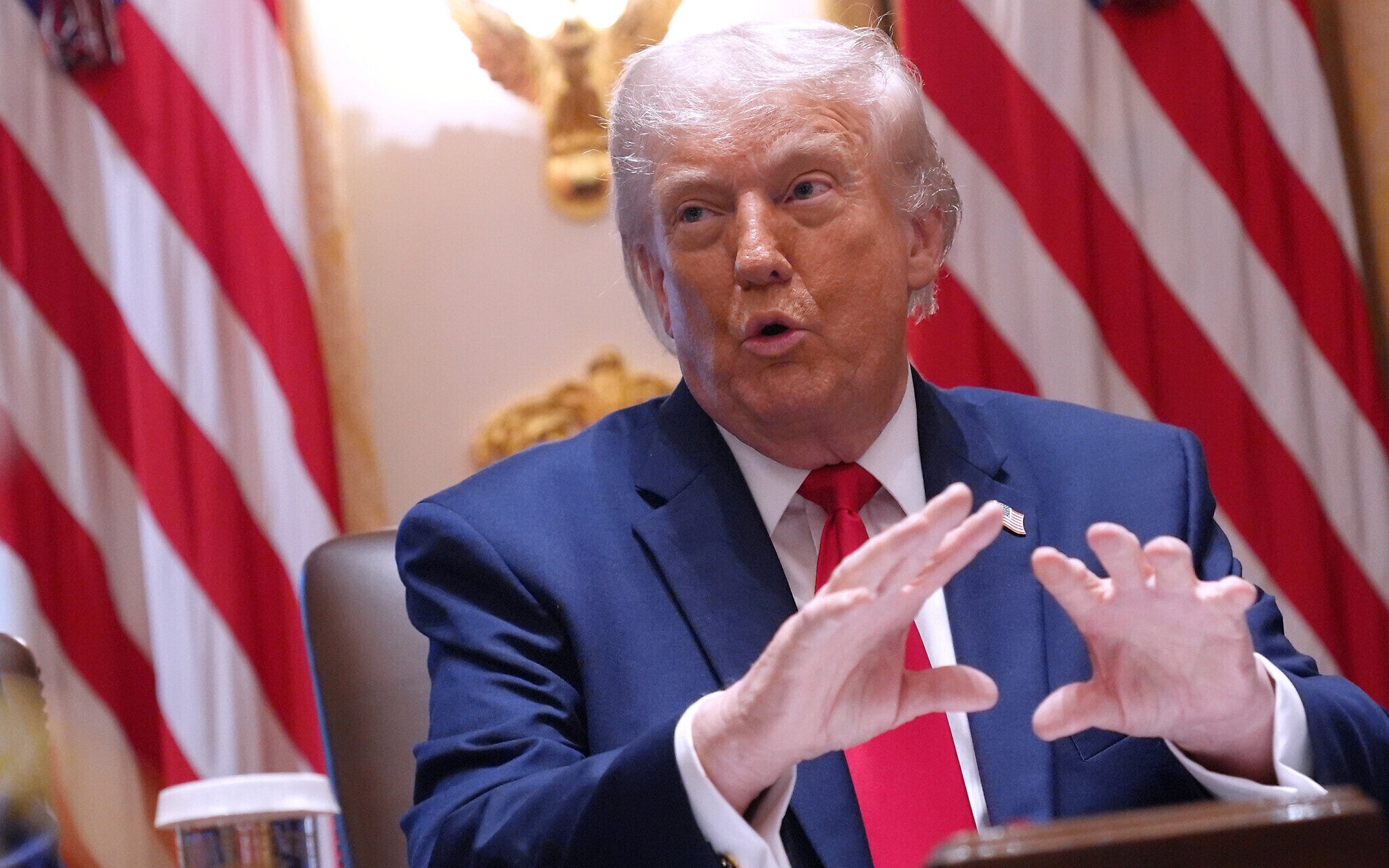
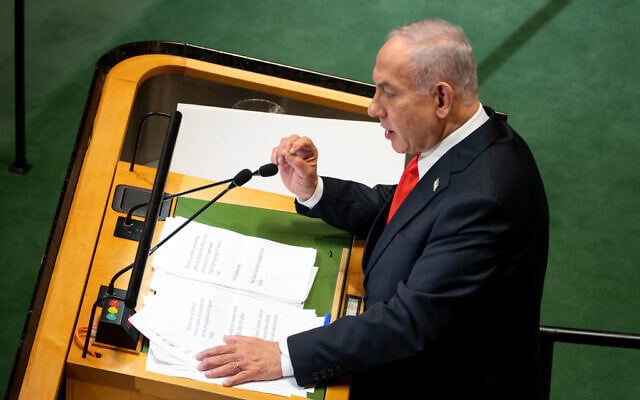
US President Donald Trump announced on Friday that he was entering the White House Situation Room to make a “final determination” on a memorandum of understanding to extend the ceasefire with Iran and reopen the Strait of Hormuz.
But the meeting ended after two hours with no decision, a senior administration official told the New York Times, insisting an agreement was still close but required further debate about issues including the unfreezing of Iranian funds.
“President Trump will only make a deal that is good for America and satisfies his red lines,” a White House official told AFP on condition of anonymity after the meeting. “Iran can never possess a nuclear weapon.”
Announcing the meeting in a post on his Truth Social platform, Trump insisted that Iran’s stockpiles of highly enriched uranium would be extracted and destroyed by the US, even though such a clause is not included in the terms of the MoU.
Iran’s Foreign Ministry responded that talks were ongoing but “no final agreement has been reached yet,” contradicting the White House’s claim that Trump’s approval was the last thing needed before a deal could be reached.
The ministry also denied Trump’s suggestion that Iran would relinquish its enriched uranium.
“We are focused on ending the war, and there are no negotiations on the nuclear issue,” ministry spokesman Esmaeil Baghaei told state TV.
A senior Iranian source told Reuters that while a political understanding has been reached, it has not yet been finalized.
The MoU announced by the White House on Thursday would reopen the Strait of Hormuz and extend the ongoing Iran ceasefire by 60 days. In that time, Washington and Tehran would hold further talks on curbing Iran’s nuclear program.
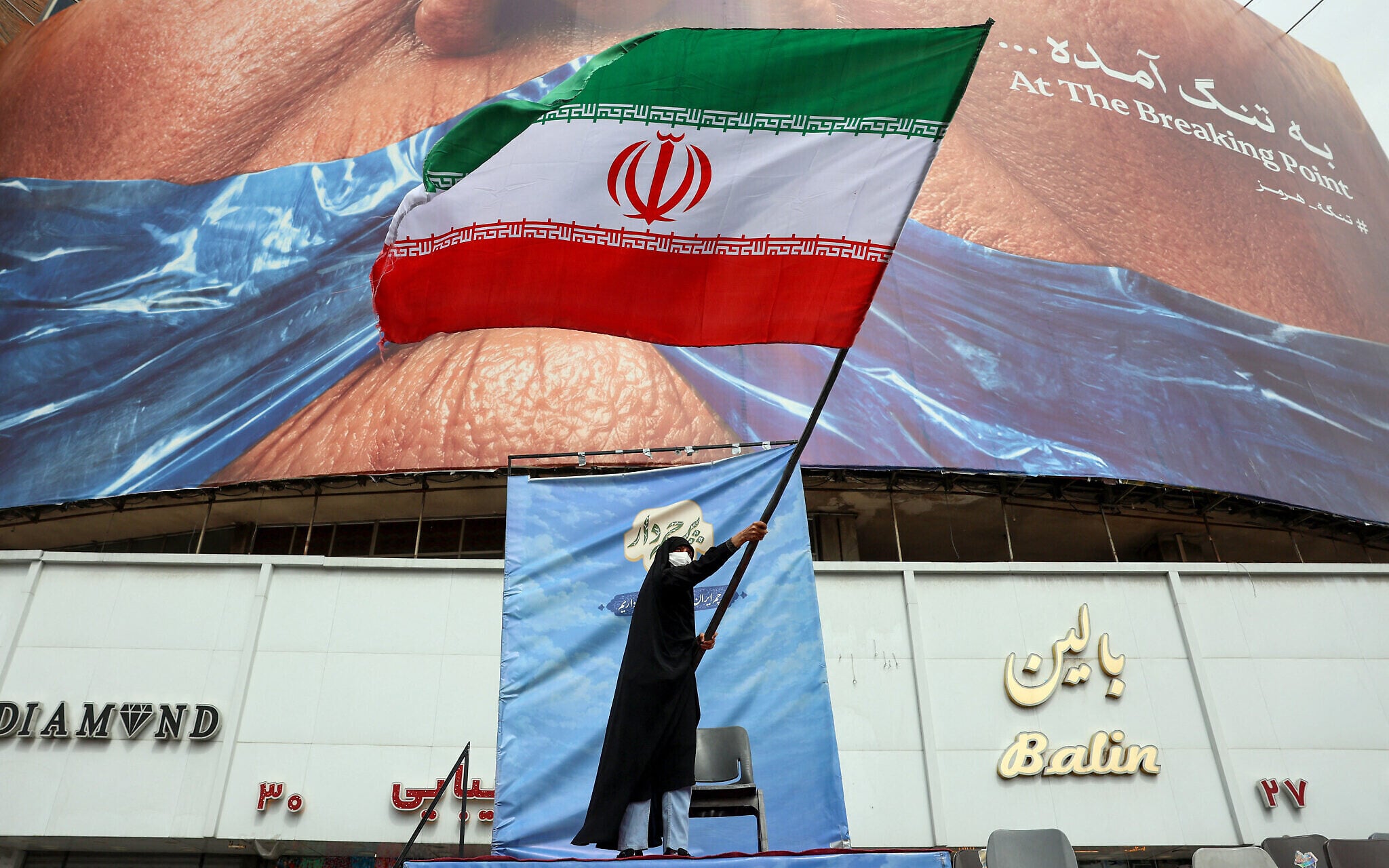
The MoU is also said to include financial incentives for Iran, possibly including sanctions relief. Iranian and other officials cited by The New York Times also said the MoU provided for Iran’s reconstruction with an “investment fund” that two of the sources valued at $300 billion.
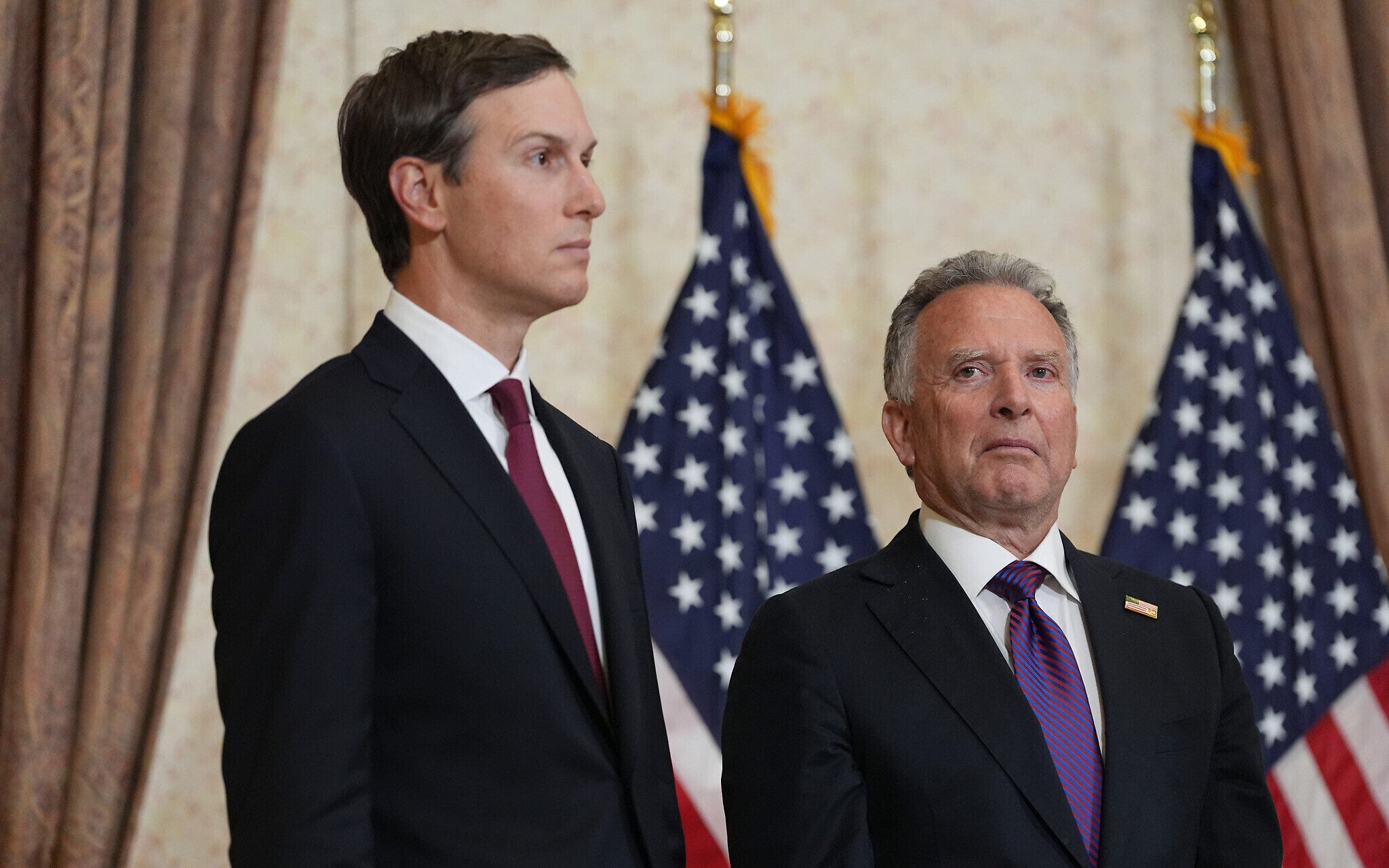
The scheme was said to mirror an earlier proposal by Trump’s negotiators Steve Witkoff and Jared Kushner — both of whom are real estate investors — and Iranian officials reportedly recounted proposing that major US firms could pursue ventures with Iran.
But in his Truth Social post Friday, Trump said, “No money will be exchanged, until further notice.” He also repeated his vow that the US would unearth and destroy Iran’s “nuclear dust” in close coordination with Iran and the United Nations nuclear energy agency.
“Iran must agree that they will never have a nuclear weapon or bomb,” Trump said. “The Hormuz Strait must be immediately open, no tolls, for unrestricted shipping traffic, in both directions.”
He added that “Iran will complete the immediate removal and/or detonation” of any “water mines” it put in the Strait of Hormuz that have not already been removed by “our great underwater mine sweepers.”
In addition, Trump said, “Ships caught in the Strait due to our amazing and unprecedented naval blockade, which will now be lifted, may start the process of ‘heading home!'”
The comment suggested Trump has already decided to lift the US naval blockade, which was supposed to happen only once the MoU was signed, according to leaked MoU details confirmed by the White House on Thursday.
It wasn’t clear if Iran had since demanded that the blockade be lifted in advance in order to move forward, or if Trump’s statement was just poorly worded.
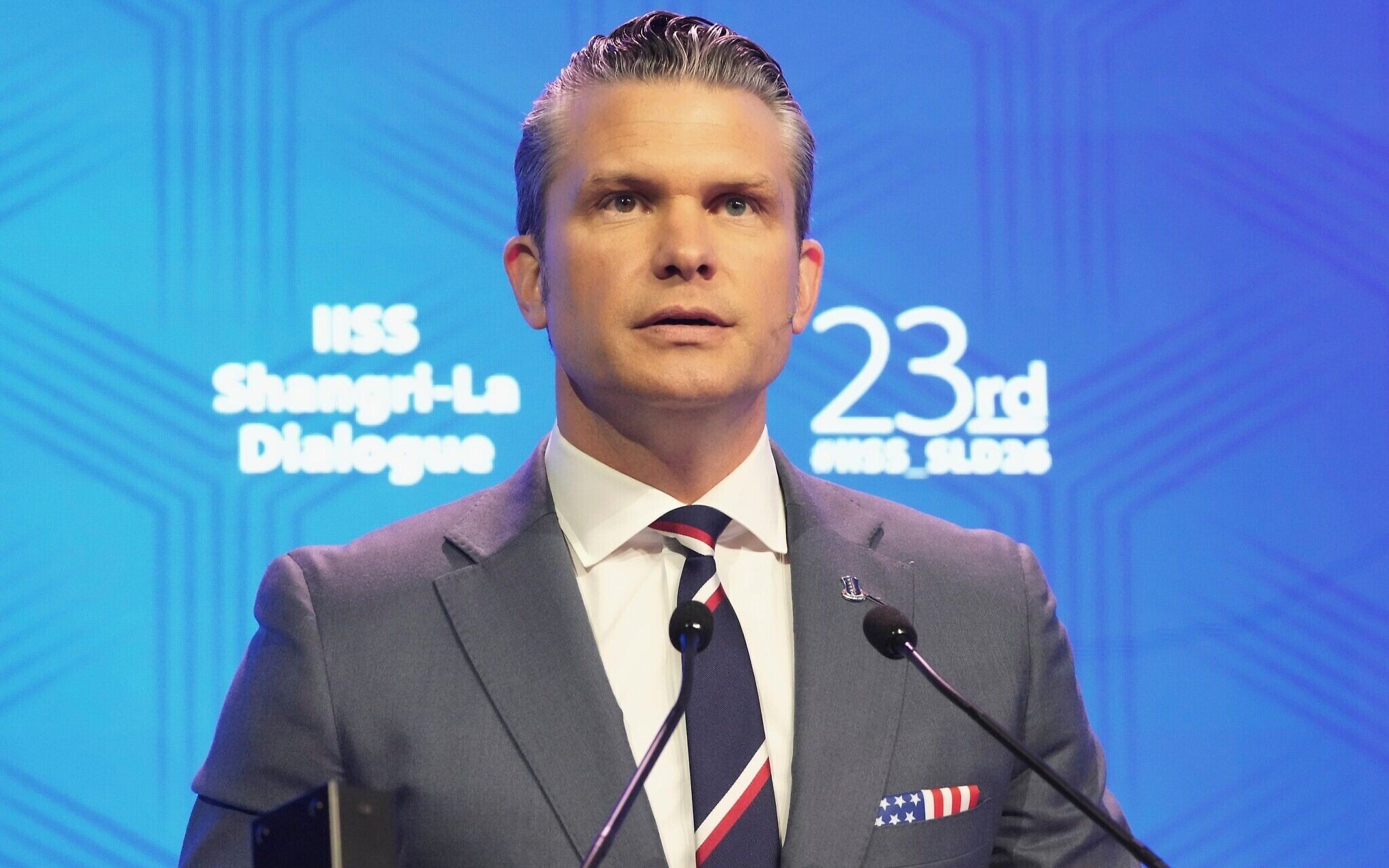
Meanwhile, Pentagon chief Pete Hegseth warned that the United States has more than sufficient stockpiles of weapons and is “more than capable” of resuming the war with Iran.
“Our ability to recommence if necessary is (that) we are more than capable, our stockpiles are more than suited for that, both there and around the globe because of how we balance exquisite and more plentiful munitions,” Hegseth told Asia’s premier defense summit in Singapore.
“Iran may not want to give up their nuclear ambitions, but we believe at the table they can and will over time, given the right set of incentives,” Hegseth also said Saturday.
Earlier, besides the outstanding issues, “other items, of far less importance, have been agreed to,” Trump said. “I will be meeting now, in the Situation Room, to make a final determination.”
Informed sources cited by Iran’s Fars news agency said Trump’s comments were a “mix of truth and lies.”
“Trump claimed that Iran was obligated to open the Strait of Hormuz without tolls, even though no such clause appears in the text of the agreement,” Fars said.
The sources also said Iran is demanding “the immediate release of $12 billion in frozen Iranian assets,” and warned that “until this payment is made, Iran will not move to the next phase of negotiations.”
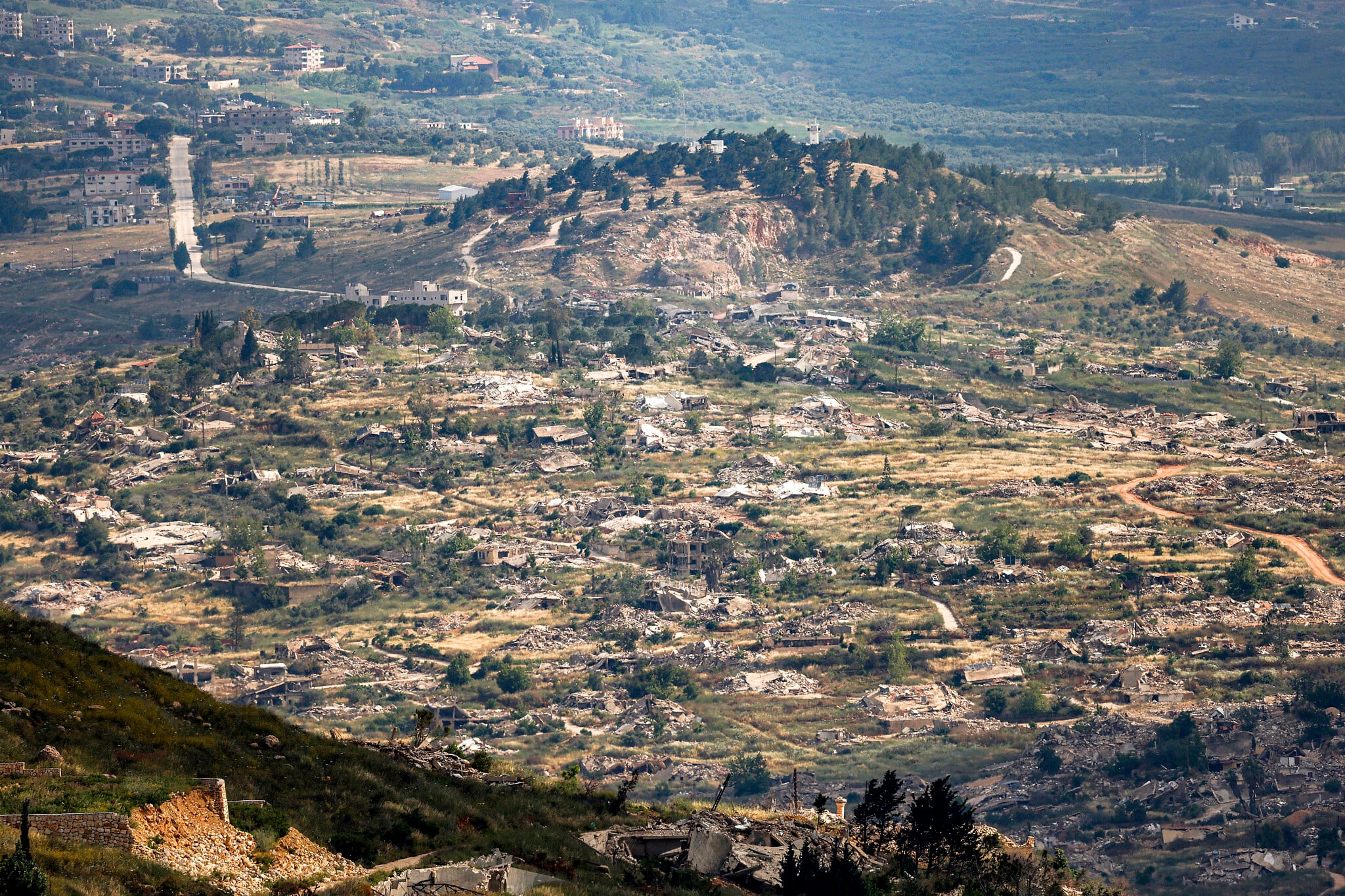
On Lebanon, which Hezbollah dragged into the wider regional war on March 2, the sources cited by Fars reiterated Tehran’s demand for a “complete ceasefire” in accordance with the demands of the Iran-backed terror group, which refuses to disarm.
Any violation of the Lebanon ceasefire would trigger “immediate retaliation,” the sources said.
On Trump’s assertion that Washington and Tehran would coordinate on destroying Iran’s enriched uranium, Fars said: “Well-informed sources emphasized that not only does this not appear in the memorandum of understanding, but this claim is fundamentally baseless.”
They added that the destruction of Iran’s nuclear material is also not included.
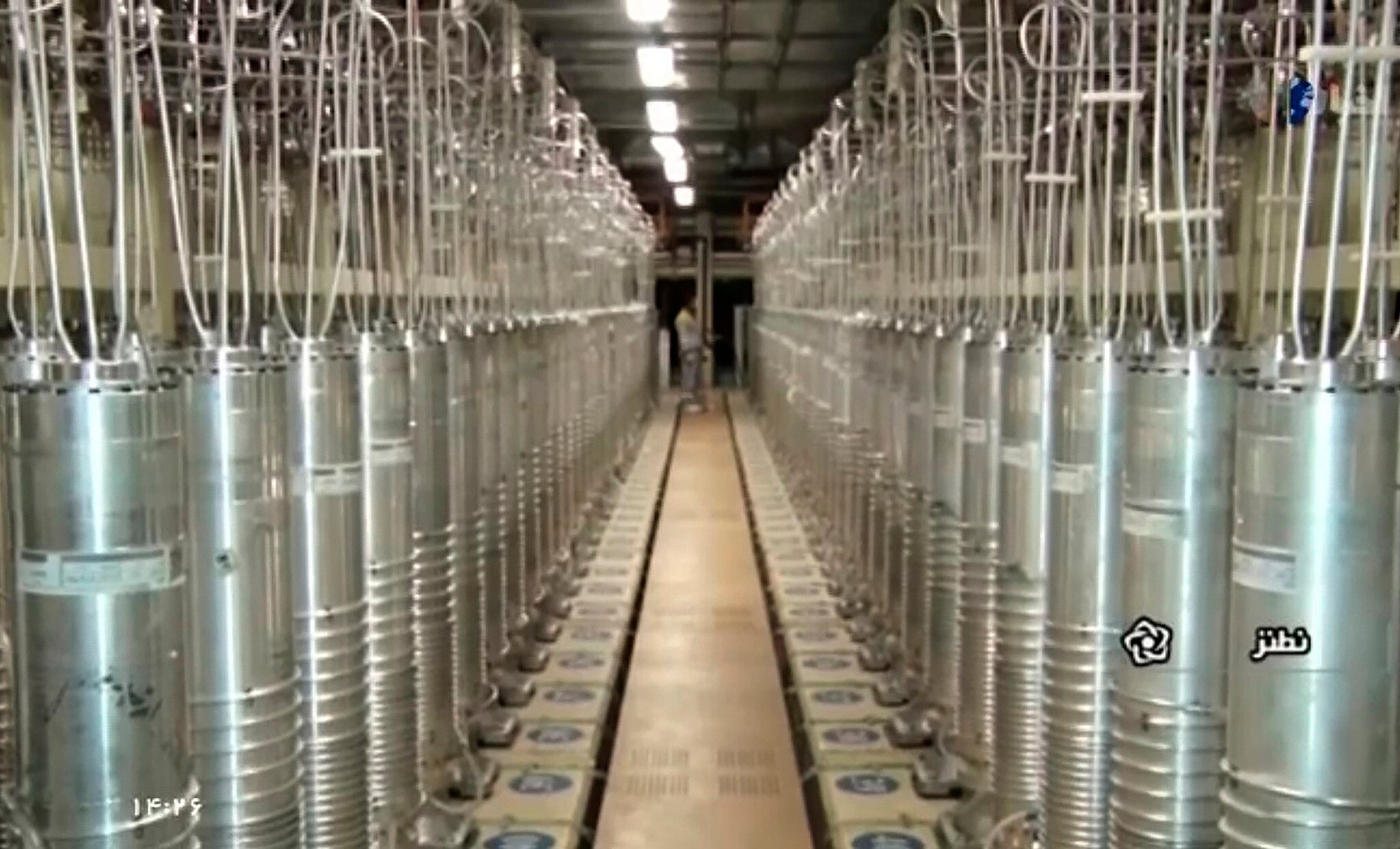
While Iran, whose leaders are sworn to Israel’s destruction, denies seeking nuclear arms, it has amassed uranium enriched to levels with no civilian application.
The stockpile of highly enriched material is believed to be buried underground since the US struck three key Iranian nuclear sites in the 12-day Israel-Iran war in June 2025.
Iran’s top negotiator says goals will be achieved with missiles, not dialogue
Iran’s top negotiator, Mohammad Bagher Ghalibaf, said on X Friday that the Islamic Republic would “achieve its rights not through dialogue, but with missiles,” and would judge Washington by its actions rather than its words.
Iran would not act unless the other side did first, Ghalibaf said, adding: “The victor in any agreement is the one who plans better for the war on the day after.”
Meanwhile, Iran’s Foreign Minister Abbas Araghchi said Friday that he discussed the future of the Strait of Hormuz with Omani Foreign Minister Badr Albusaidi.
The New York Times reported last week that Oman was warming to a scheme Iran proposed for the two countries to jointly charge fees from ships that traverse the strait despite US insistence that it would not let Tehran impose tolls in the crucial waterway.
In very productive call with FM @badralbusaidi, expressed Iran's solidarity with Oman in face of any threat.
We discussed Hormuz and its future administration in line with our sovereign responsibilities and international law.
We welcome consultation with all neighboring states. pic.twitter.com/MB6EVYNkNn— Seyed Abbas Araghchi (@araghchi) May 29, 2026
Iran blocked the strait, choking off about a fifth of the world’s oil shipments, after the US and Israel launched a bombing campaign on the Islamic Republic on February 28 in a bid to destabilize its regime and destroy its ballistic missile and nuclear programs.
Trump announced a ceasefire in Iran on April 8, and imposed a US blockade on Iran-linked shipping five days later. The US and Iran have in recent days traded fire in the strait for the first time since the ceasefire.
Late on Thursday, Iran’s semi-official Tasnim news agency reported that sounds coming from the sea were caused by an exchange of fire intended as a warning to ships in the strait.
The Fars news agency also reported that Iran’s armed forces carried out a missile launch operation from the southern region of the country toward specified targets, but the destination of the missiles was still unclear.


The Times of Israel Community.