

UN nuclear watchdog demands full cooperation from Iran on sites bombed in 12-day war
IAEA says that accounting for Iran’s enriched uranium stock, which includes material close to bomb-grade, is ‘long overdue’; Iran calls resolution ‘counterproductive’
 Add ToI as a Preferred Source on Google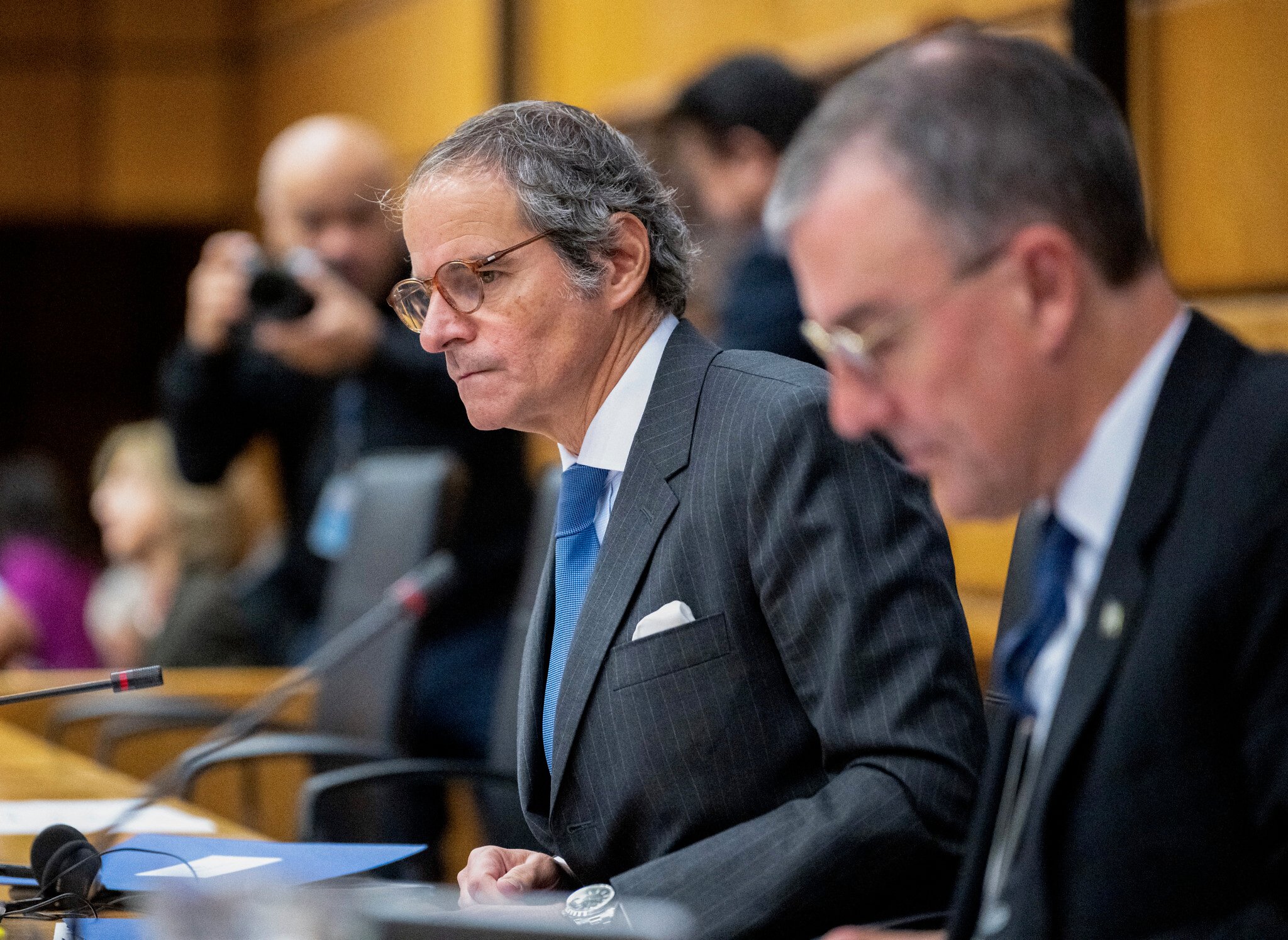
The UN nuclear watchdog’s 35-nation Board of Governors passed a resolution on Thursday saying Iran must inform it “without delay” of the status of its enriched uranium stock and bombed atomic sites.
The resolution’s purpose was primarily to renew and adjust the International Atomic Energy Agency’s mandate to report on aspects of Iran’s nuclear program.
But it also stated that the Islamic Republic must quickly provide the IAEA with the answers and access it wants, five months after airstrikes by Israel and the US on Tehran’s nuclear sites during the 12-day June war between Israel and Iran.
Tensions between Iran and the UN nuclear watchdog have repeatedly flared in recent years and were further inflamed after the war. In the months since, agency inspectors have not been granted access to sites such as Fordo and Natanz, which were hit in the strikes, but they have been able to visit other sites.
Thursday’s resolution “urges Iran to comply fully and without delay with its legal obligations under… UNSC resolutions and to extend full and prompt cooperation to the IAEA, including by providing such information and access that the Agency requests,” according to the text.
Iran warned before the US and Europe’s top three powers submitted this resolution that if it passed, it would “adversely affect” Tehran’s cooperation with the agency. After passage, Iran said the resolution “will not be helpful” and “is counterproductive.”
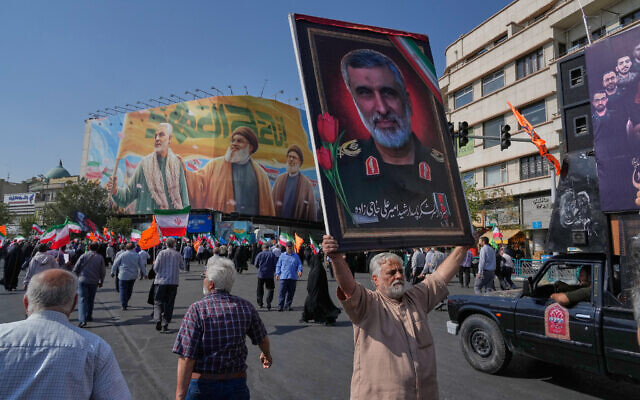
The vote was passed with 19 for, three against and 12 abstentions. Russia, China and Niger were the countries that opposed it.
“Our message is clear: Iran must resolve its safeguards issues without delay. It must provide practical cooperation through access, answers, restoration of monitoring, to enable the agency to do its job and help rebuild confidence,” the US, Britain, France and Germany said in a statement to the board.
The IAEA says that accounting for Iran’s enriched uranium stock, which includes material close to bomb-grade, is “long overdue” and the issue needs to be addressed “urgently.”
The IAEA cannot inspect the bombed facilities or verify Iran’s uranium stock until Tehran submits a report updating it on what has happened to them. The bombed sites include Iran’s three enrichment plants that were operating at the time.
When Israel first bombed Iran’s nuclear sites on June 13, the IAEA estimated that Iran had 440.9 kilograms of uranium enriched to up to 60% fissile purity, a short step from the roughly 90% of weapons grade, in a form that can easily be enriched further.
That is enough in principle, if it were to be enriched further, for 10 nuclear bombs, according to an IAEA yardstick.
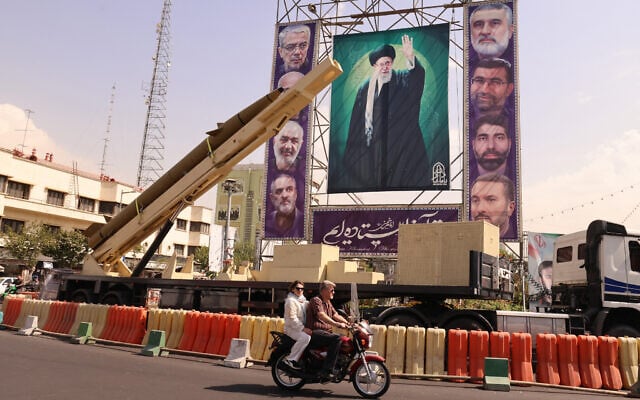
Iran has consistently denied seeking to acquire nuclear weapons. However, it enriched uranium to levels that have no peaceful application, obstructed international inspectors from checking its nuclear facilities, and expanded its ballistic missile capabilities. Israel said Iran had recently taken steps toward weaponization.
Israel said its sweeping assault on Iran’s top military leaders, nuclear scientists, uranium enrichment sites, and ballistic missile program was necessary to prevent the Islamic Republic from realizing its avowed plan to destroy the Jewish state.

The IAEA and Iran announced an agreement in September that was supposed to pave the way toward full inspections and verification, but Tehran has since said that the deal is void.
“This resolution will not add anything to the current situation, will not be helpful, it is counterproductive,” Iranian Ambassador Reza Najafi said after the IAEA board adopted the resolution.
“Iran has already started cooperating with the agency despite our challenges and provided access to all undamaged facilities. This resolution will certainly have a negative impact on the cooperation that has already started between Iran and the agency,” he added.
The IAEA says it has inspected most nuclear facilities in Iran that were “unaffected” by the attacks.
“We have performed a number of inspections, but we have not been able to go to the attack sites. I hope we will be able. Indeed, we have to go because this is part of Iran’s commitments,” IAEA head Rafael Grossi told reporters on Wednesday, after opening the regular board meeting of the Vienna-based agency.









The Times of Israel Community.