

With IDF hurting for manpower, children of foreign workers step up fight to enlist
A High Court petition on behalf of 50 teens born and raised in Israel, but barred from serving in the army, argues that the law requires they be drafted alongside their peers
 Add ToI as a Preferred Source on Google
Stav Levaton is a military reporter for The Times of Israel

Strained by the knock-on effects of two years of war, Israel’s military says it is grappling with a severe manpower shortage and facing a deficit of over 10,000 soldiers, a majority of whom are needed for combat duty.
Yet while public and media attention has largely focused on those who refuse to serve, far less notice has been paid to another group: young people who want to enlist in the Israel Defense Forces, but are turned away.
Among them are teens like Reign Arpon, who was born and raised in Moshav Mishmar Hashiva in central Israel.
“I want to give back to the country — especially in today’s situation with the war,” the 19-year-old told The Times of Israel recently.
But Arpon, whose parents came to Israel from the Philippines on now-expired work visas, is barred from doing so by IDF rules that reject conscripts who live here permanently but lack legal residency.
For years, these young men and women have pushed for the right to serve in the military. Despite having been born and raised in Israel, educated in Israeli schools, and deeply rooted in Israeli society, many of these young adults are routinely denied the opportunity to join their peers in enlisting to defend the country they consider home.
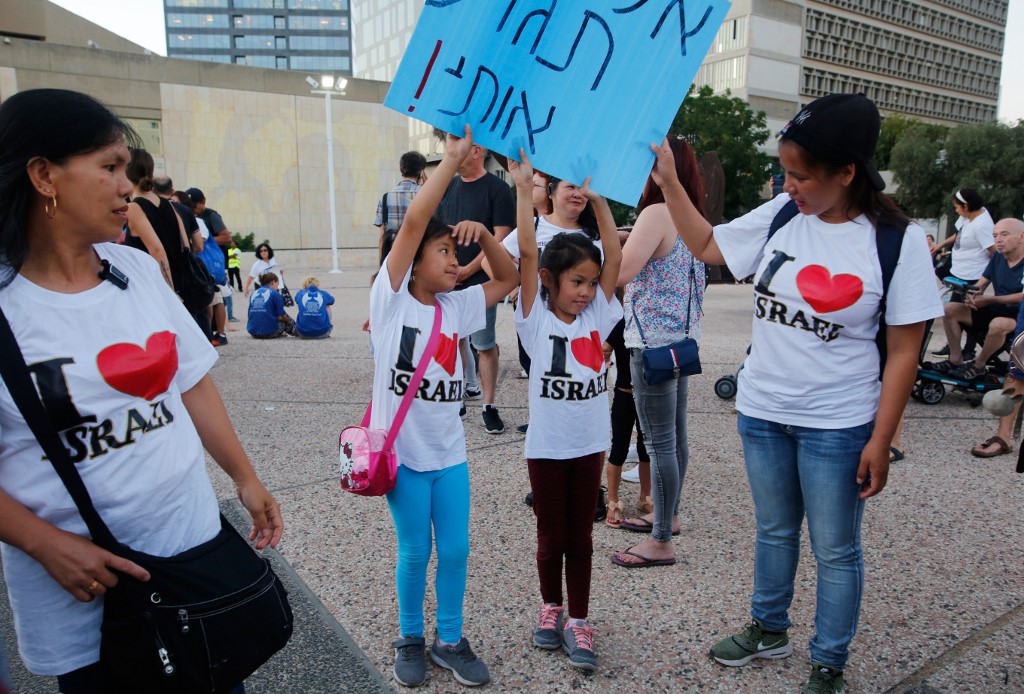
“I want to contribute. I feel like I deserve to contribute — that I have to,” said Prince Justice, 18, who was born and raised in Tel Aviv but has not been permitted to enlist because his mother came to Israel from the Ivory Coast on a work visa that eventually expired.
Now, a legal effort is underway to change that reality. Last month, leading Israeli immigration law firm Zari Hazan & Co. filed a petition to the High Court of Justice demanding that children of foreign workers living here without legal status be eligible to be drafted for regular military service and arguing that the law is on their side.
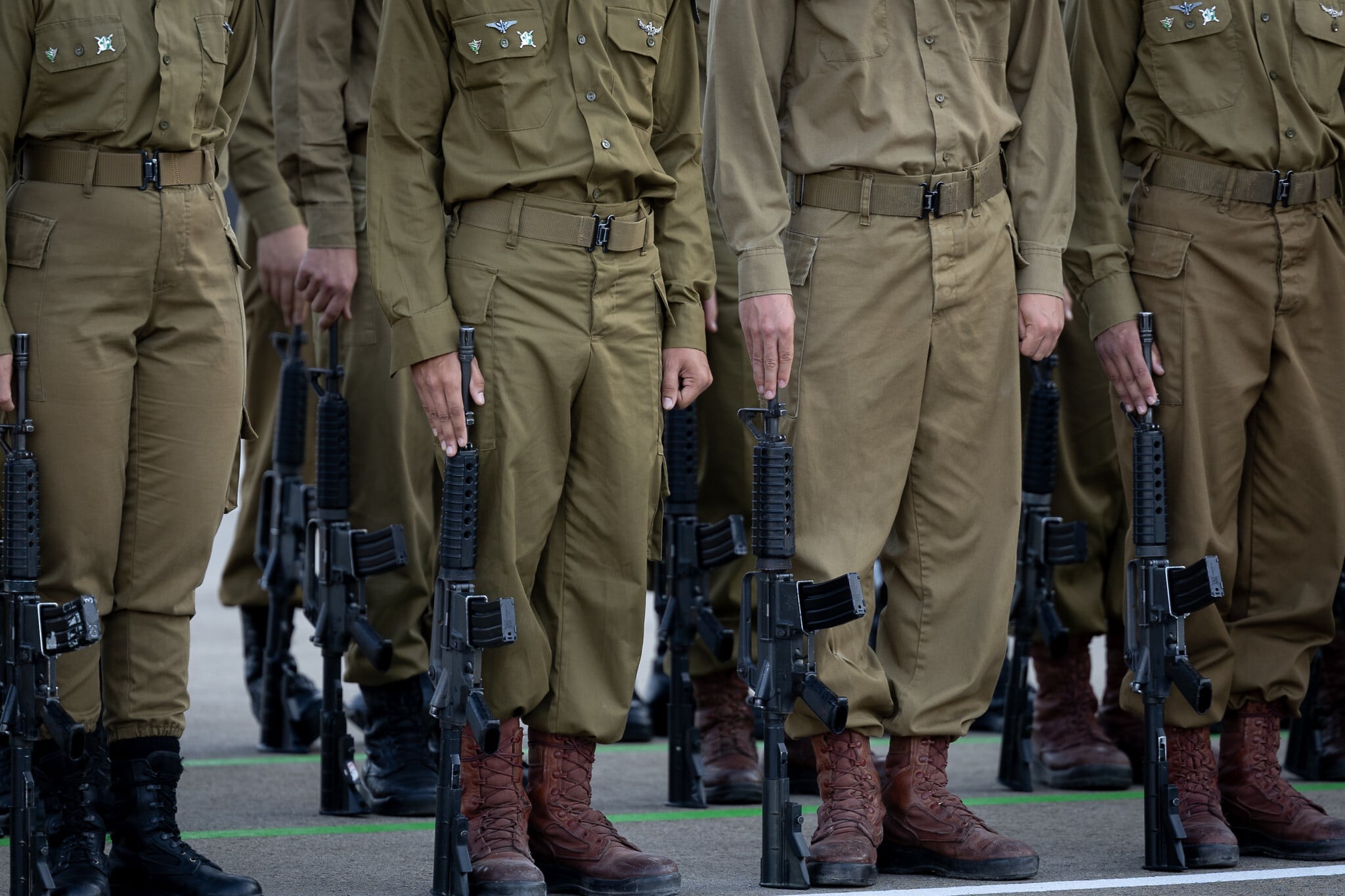
“When these kids finish school, and all their Israeli friends enlist, they find themselves both invisible and unable to repay the country that invested in them so much,” Meytal Lupoliansky, a partner at the firm, told The Times of Israel.
“They started coming to us and asking what could be done, one after another,” she said, prompting the firm to help organize the group of about 50 and file the petition on their behalf.
Now, they anxiously await the High Court’s response, which is expected to come next month.
No status, no issue
At the heart of the petition is a simple claim: under Israeli law, they should already be in uniform as permanent residents of Israel, regardless of legal status.
Born to migrants who entered Israel legally for work but later overstayed their visas or had their work permits revoked, often due to becoming pregnant, the children, along with their parents, are technically here illegally.
According to the Hotline for Refugees and Migrants, as of the end of 2023 there were thought to be some 25,000 foreign workers living in Israel without permits, including many with children born and educated here.

Though subject to detention and deportation, most unpermitted migrants and their children nonetheless build lives in Israel, and are given access to the Israeli education system despite their legal status being in limbo.
While the fathers are usually sent back to their home countries the mothers are often allowed to stay with their children, though Israel rarely extends them any pathway to legal residency.
Estimates cited in the petition suggest there are some 3,500 children of foreign workers lacking legal status in Israel who should be considered for conscription. The petition stresses that the lack of legal status was imposed on them involuntarily, as minors who had no control over their parents’ actions.
As it stands, the IDF only drafts citizens, legally recognized permanent residents or specific visa holders.
The petition asserts that this policy goes against the 1986 Defense Service Law, which states that Israel is required to draft every man or woman who has reached the age of 18 and who meets the definition of “military-age person,” meaning an Israeli national or “permanent resident.”
According to Zari Hazan & Co., a permanent resident includes those whose lives are based in Israel, even if they lack citizenship or residency permits.
The defense administration “is required to recruit them, even though they don’t have legal status in Israel, as long as they haven’t received an exemption,” Lupoliansky argued.
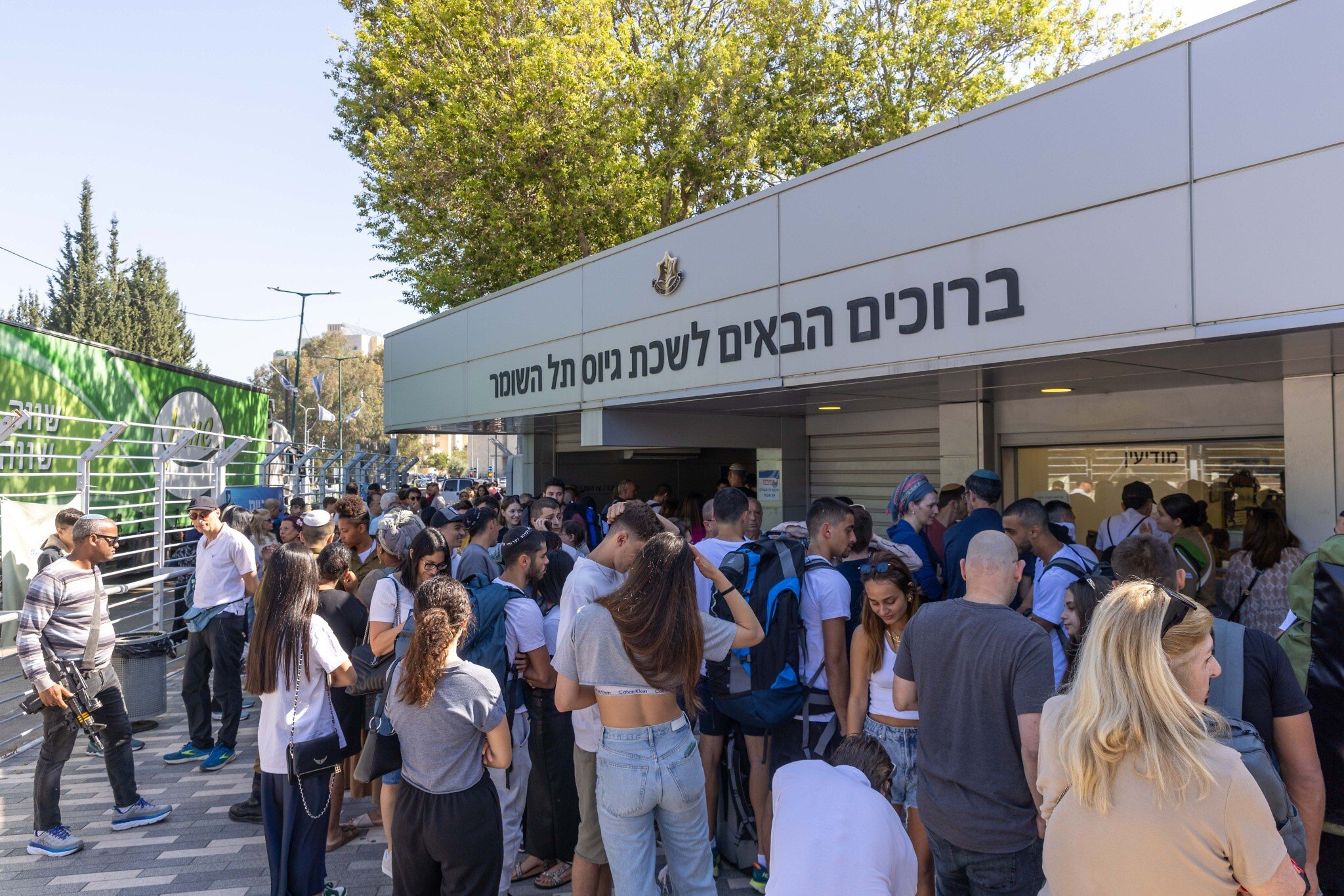
Included in the Defense Service Law is a clause stating that someone who stays in Israel for at least six months beyond the expiration of their temporary visa should be considered as having immigrated here and thus subject to the draft.
“What we’re asking is for [the Defense Ministry] to enforce the law,” Lupoliansky said.
No other country
The issue has been ongoing for years, but has now become an “absurdity” given the army’s manpower needs since Hamas’s October 7, 2023, onslaught and the prolonged war that followed, according to attorney Zari Hazan.

“We are in the longest period of war since the establishment of the State of Israel,” he said, pointing to the mounting burden on reservists, many of whom have been called up for fourth and even fifth tours of duty over more than two years of fighting. “And here we have a relatively large group that says, ‘We are Israelis. We want to enlist.'”
Defense Ministry representatives have told lawmakers that the army is facing a shortfall of some 12,000 troops, including 6,000 to 7,500 combat troops, though the estimates have been offered in the context of the push for ultra-Orthodox enlistment rather than drafting children of migrant workers.
As the IDF’s need for manpower has surged since October 7, so has the desire among children of foreign workers to serve.
Arpon said her drive to enlist only grew stronger as she watched the war unfold, alongside a parallel rise in antisemitism abroad — reinforcing her hopes to one day serve as a combat soldier.
“There are people who love Israel, and who really want to help the country — people like me,” she said, even though she and most other children of foreign workers are not Jewish.
“We come here and — despite all the hate in the world — we are here to help,” Arpon added. “We aren’t asking for anything in return; we just want to enlist.”
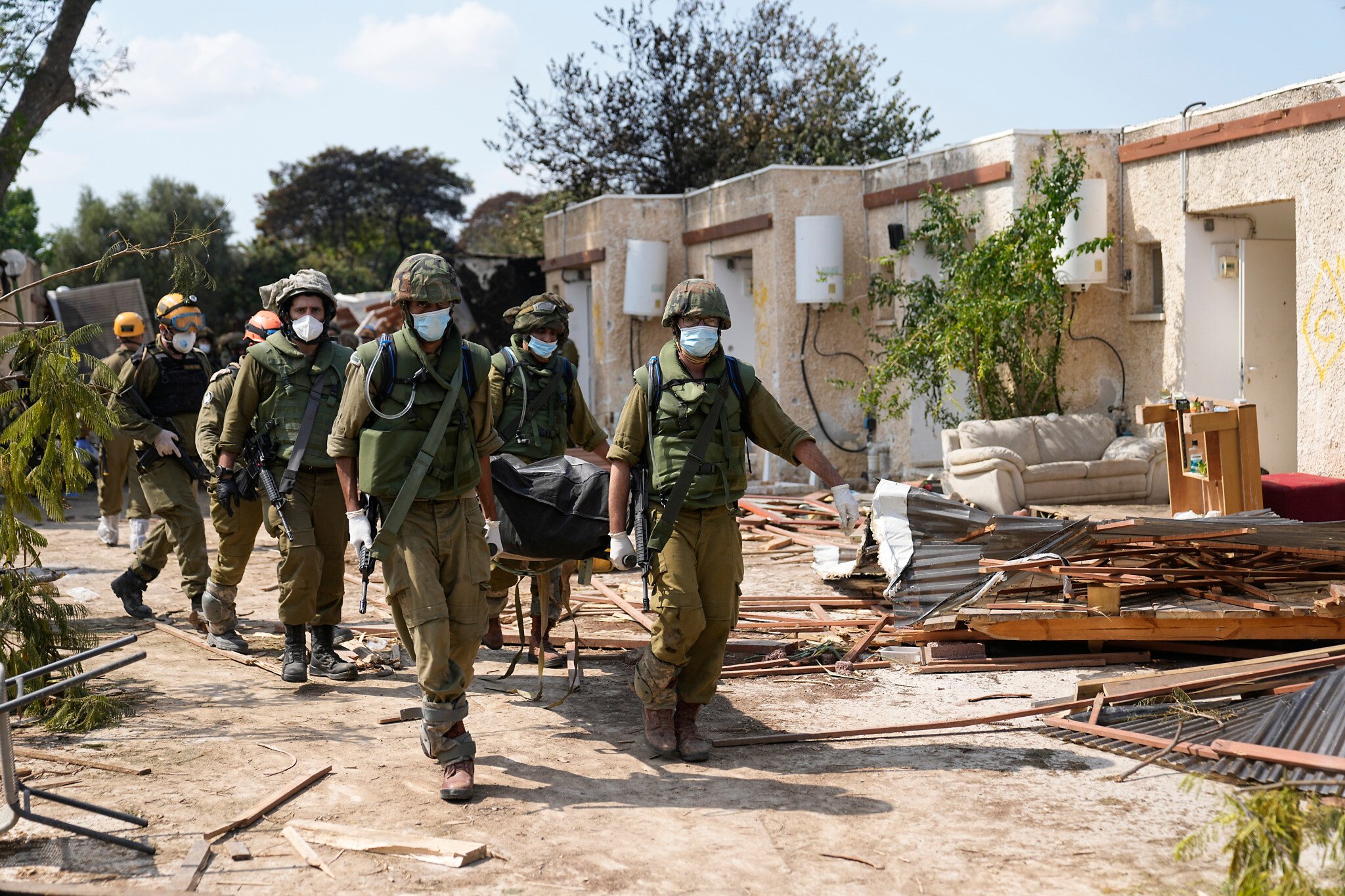
For others, the call to serve is rooted in personal loss.
Justice told The Times of Israel that when the war broke out, one of his close friends was living in a community near the Gaza border.
“Unfortunately, he and his family did not survive the war,” Justice said. “They were some of the first casualties in [Kibbutz] Kfar Aza.”
The tragedy only strengthened his resolve to serve the country in memory of his friend.
Inside society, outside the system
For Justice, the barriers to enlistment became painfully clear while he was still in school. He remembers the day an IDF officer was scheduled to speak to his grade about drafting into the army.
“An hour before, my teacher approached me and said, ‘If you want, you don’t have to come to the lesson,'” he said. Confused, Justice asked why. He had gone through the same upbringing as his classmates — 12 years of Israeli schooling, receiving top academic marks.

“That was the first time that I understood that I’m different,” he recalled.
Neel Vicente, a Tel Aviv native whose mother is from the Philippines and father from Mauritius, grew up expecting to serve in the IDF, having been a member of the Tzofim (Scouts) youth movement — a cornerstone of Israeli civic life.
“There, I learned about Israel — how to love the country more,” he said.
Vicente, who dreams of serving in the Golani or Paratroopers brigade, watched as his friends began receiving draft notices toward the end of high school.
“I got upset because I couldn’t [enlist] — because they have an Israeli ID and I don’t,” the 18-year-old said.
Arpon described a nearly identical experience. As her classmates began their enlistment processes, she found herself waiting for a summons that never came.

“When the topic came up in my grade, I understood that I was apparently a little different,” she said. “I never received anything from the army. I always had hope that maybe they just accidentally skipped over me.”
She turned to her teachers for guidance, but it quickly became clear that the issue was beyond their control.
“Then, at the end of 12th grade, I saw that everyone was enlisting, and I was the only one who was left behind,” she said.
For most children of foreign workers, exclusion from the military is just one of many hardships that comes with living without a legal residency status.
Vicente explained that because he lacks a passport, he cannot leave Israel — forcing him to abandon his dream of traveling the world, a rite of passage many of his peers will enjoy when they get out of the army.

Justice, meanwhile, faces limits not only as a prospective soldier but as an athlete. A basketball player who climbed the ranks of Israel’s junior league, he is barred from playing professionally for a Premier League team due to his legal status.
“I’m not considered an Israeli player,” Justice said. “It’s weird because I was born here, raised here, I played basketball here in the junior league — I’m the most Israeli a person can be.”
A more meaningful contribution
Walking into Zari Hazan & Co.’s offices in Tel Aviv, visitors are greeted by a Nelson Mandela quote: “It always seems impossible until it’s done.”
That sentiment is reflected in the story of Sgt. First Class Cedrick Garin, 23, a former client of the firm.
Born in Israel to Filipino parents, Garin’s father was deported when he was 2, and he was raised by his mother, who worked as a cleaner. As a teenager, Garin dropped out of high school and briefly ran into trouble with the law, before turning his life around.
Fighting to enlist in the IDF, Garin eventually won the right to become a combat soldier in the Givati Brigade.

On January 22, 2024, Garin was operating in the southern Gaza Strip when an RPG attack triggered a blast that caused two buildings to collapse, killing him and 20 other soldiers. He was buried at Tel Aviv’s Givat Shaul military cemetery.
At his funeral, close friend Armias Geneo recalled Garin’s determination to serve in a meaningful role.
“Cedrick told me that they tried to put him in the Military Police. But it wasn’t enough for him — he wanted a more meaningful military service. He wanted to be a combat soldier,” Geneo said. “He stayed put and drove them crazy… and in the end, he got on the Givati bus.”
Geneo described Garin as “a perfect fighter,” recalling how he once stopped a terror attack in Hebron by shooting the attacker in the leg rather than the head. “The reason he didn’t shoot the terrorist in the head,” he said, “is because there were civilians and children behind him.”
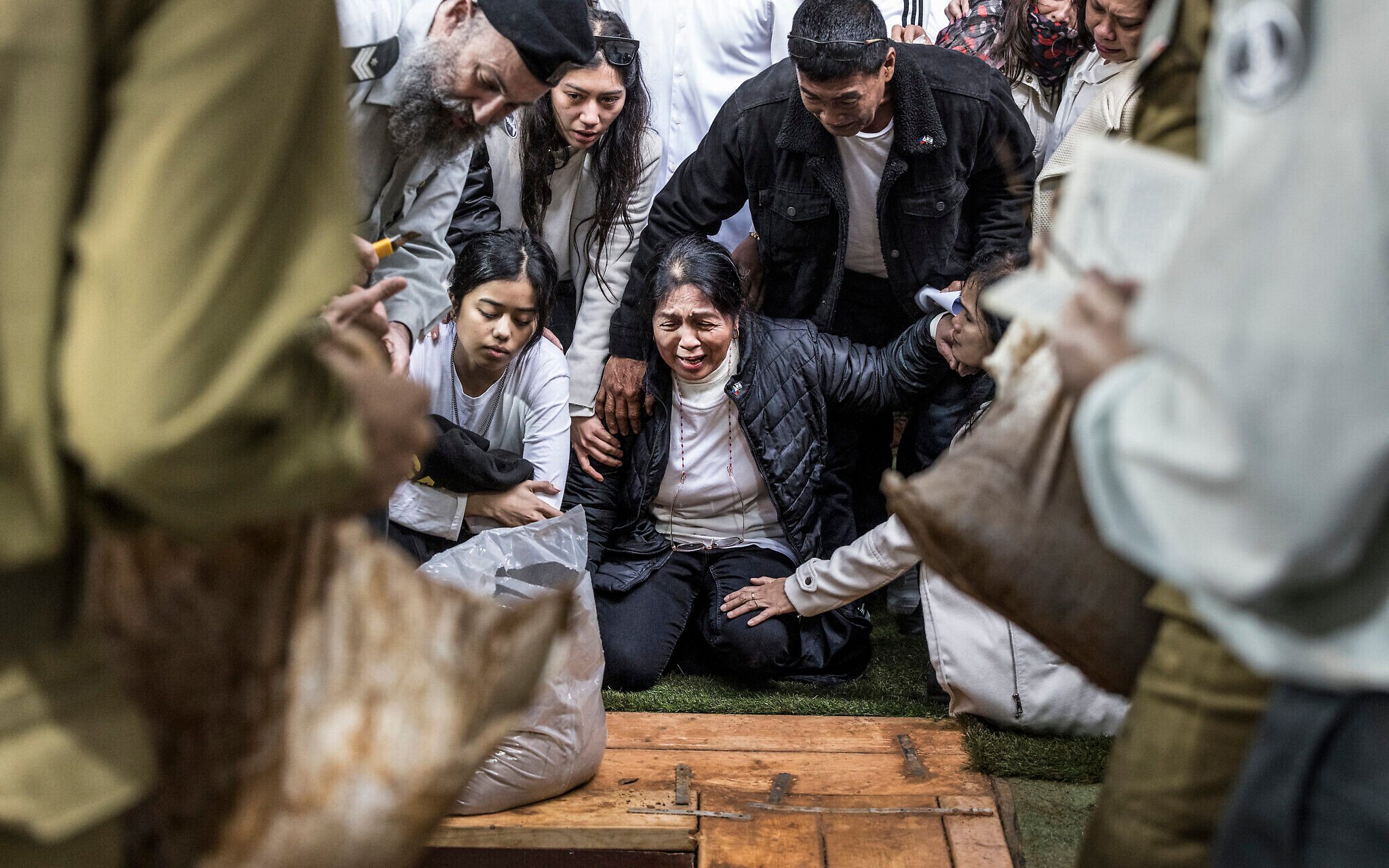
Garin dreamed of supporting his mother financially so she could stop working, and of building a family of his own.
He was happily married and hoped one day for “a messy house full of children and noise,” his wife Daniela said at the funeral.
In a 2021 interview with the IDF website, after receiving a certificate of distinction, Garin spoke about discovering his purpose through service.
“I discovered [during my IDF service] that I love it… Every time I am guarding… I feel like, ‘Wow, people can sleep in peace because of us. Because I am here,'” he said. “That’s what I want to do my whole life.”






The Times of Israel Community.