

Women set up camp in south to launch mothers’ movement to end Gaza war, free hostages
Some 500 people take part, hoping to echo Four Mothers movement of late 1990s that helped push Israel to withdraw from southern Lebanon
 Add ToI as a Preferred Source on Google
Sue Surkes is The Times of Israel's environment reporter
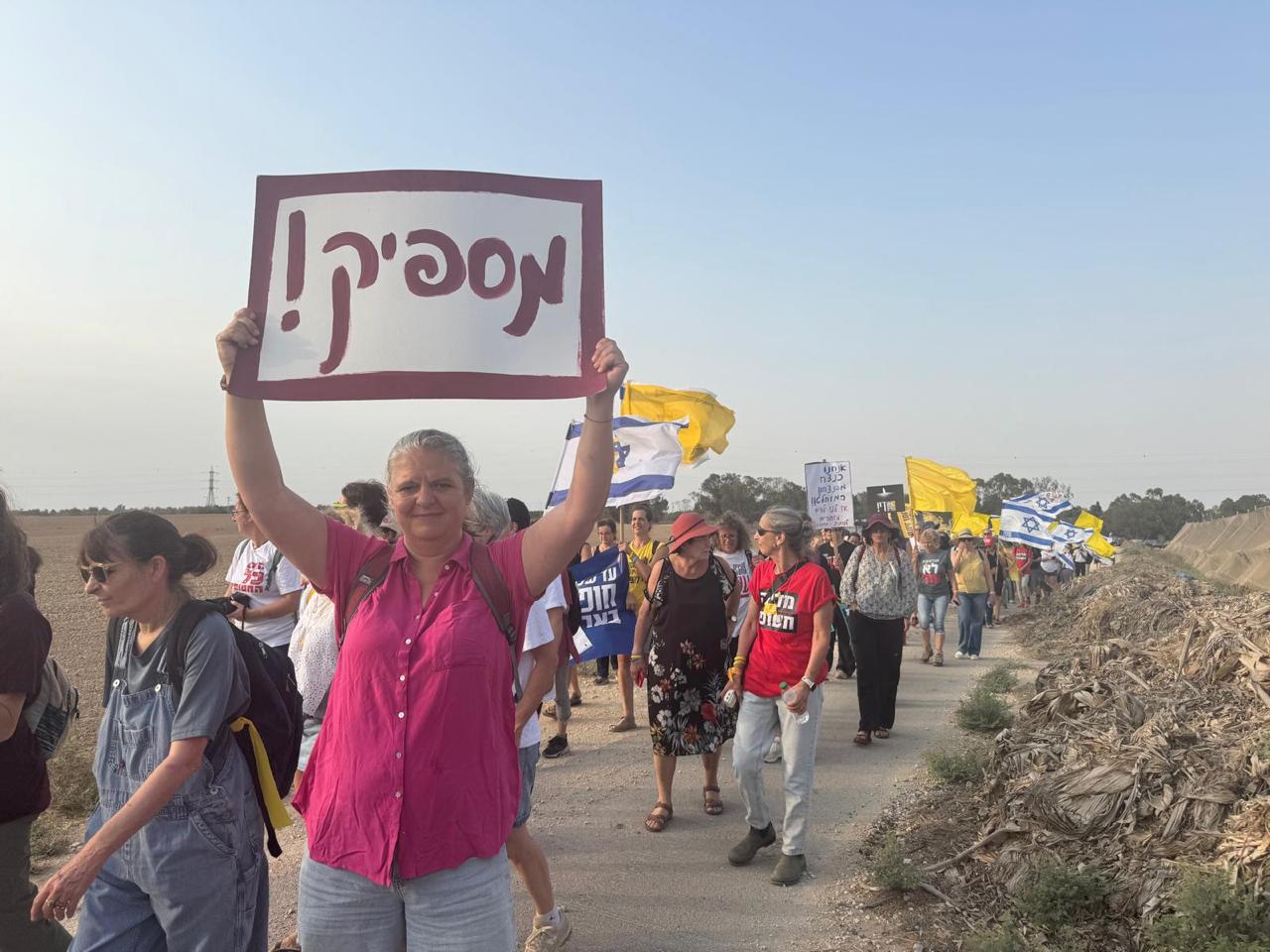
Some 500 women launched a new coalition, Mothers on the Front, on Sunday to campaign for the end of the war in Gaza and the return of the 50 hostages held by terror groups there, 20 of whom are thought to be alive.
The coalition is inspired by the Four Mothers movement launched in 1997 to advocate for pulling the IDF out of southern Lebanon. That movement was instrumental in the withdrawal that took place in May 2000.
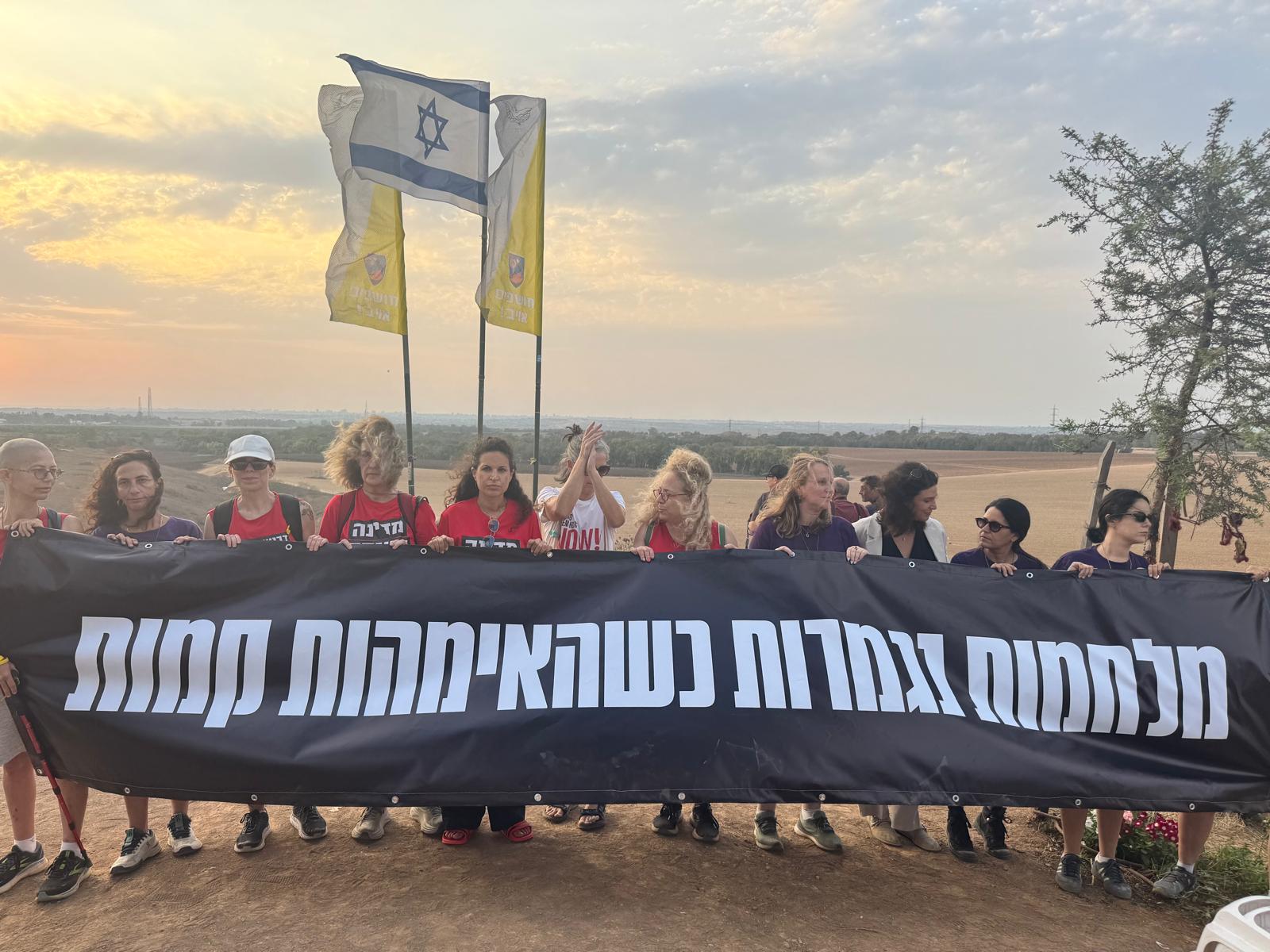
Sunday’s launch event began with a march near the Gaza border to a site memorializing female soldiers killed at Kibbutz Nahal Oz on October 7, 2023, when Hamas terrorists overran their army base. The assault on southern Israel saw some 1,200 people slaughtered, mainly civilians, and 251 abducted to the Gaza Strip.
The women plan to camp in protest for at least five days next to Kibbutz Sa’ad in southern Israel.
Last week, Israel’s security cabinet approved a proposal by Prime Minister Benjamin Netanyahu to take over the densely populated Gaza City despite warnings from the Israel Defense Forces that such an operation would risk the lives of the remaining hostages and Israeli soldiers, and would likely worsen the humanitarian situation for Gazan civilians.
Orna Shimoni, one of the original Four Mothers, called on IDF Chief of Staff Eyal Zamir to present the Prime Minister with other alternatives that did not involve occupation. Israel had already proposed a hostage deal, she went on, that could be used to end the war. “We are one step away from a clearly illegal order that must not be carried out,” she argued.
Moran Zer Katzenstein, who founded the women’s rights advocacy group Bonot Alternativa, or “building an alternative,” four years ago, said mothers would no longer stay silent and that the state had broken its contract to protect its citizens. “We won’t give you our children when you treat them with scorn,” she pledged.
Omer Steinitz Haskel, also of Bonot Alternativa, said that the memorial marked not only the place where blood was shed, but where a line was also broken “between Israel and Gaza, between responsibility and lawlessness, between human life and moral loss.”
She continued, “On October 7, Israel entered the most just war there was. Our army fought bravely. It scored great military achievements. But almost two years have passed, and these achievements have not been translated into any diplomatic reality.”
“Instead of using this military power to bring about an agreement that will return the kidnapped and end the war, this government insists on continuing a political war,” she charged. “They choose the ideology of eternal war and the death of soldiers over human lives.”
She pledged, “We will be here until our leaders choose life, not death. And we will remember, as the four mothers remembered then, that there is no victory without life, and no security without freedom. This struggle will not end until the last of the kidnapped men and women return home, alive.”
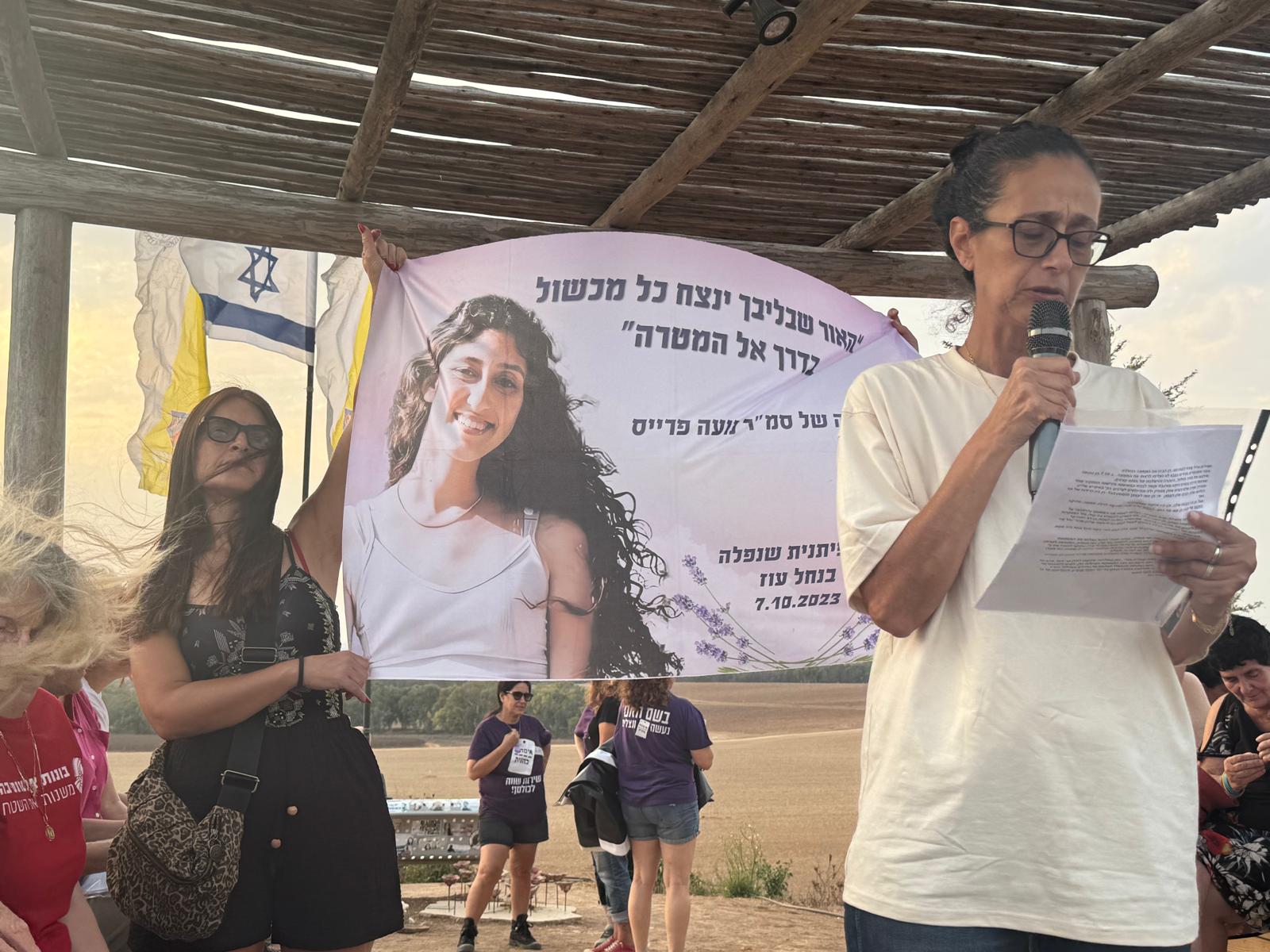
Sigal Price, whose daughter Staff Sgt. Noa Price, 20, was killed on October 7 when Hamas terrorists overran the Nahal Oz base where she was serving, said, “Here at the memorial we erected in their memory, I, Sigal, mother of Noa Price, would like to express the pain of all the bereaved families, call for the return of the kidnapped and an end to the war, and pray for the safety of the regular and reserve soldiers who have been fighting bravely and with sacrifice for almost two years, and for the recovery of all those wounded in body and mind.”





The Times of Israel Community.