

Iran ministers warn of fresh economic crisis
As Tehran attempts to recover from years of sanctions, government officials warn oil decline, other factors causing stagnation
 Add ToI as a Preferred Source on Google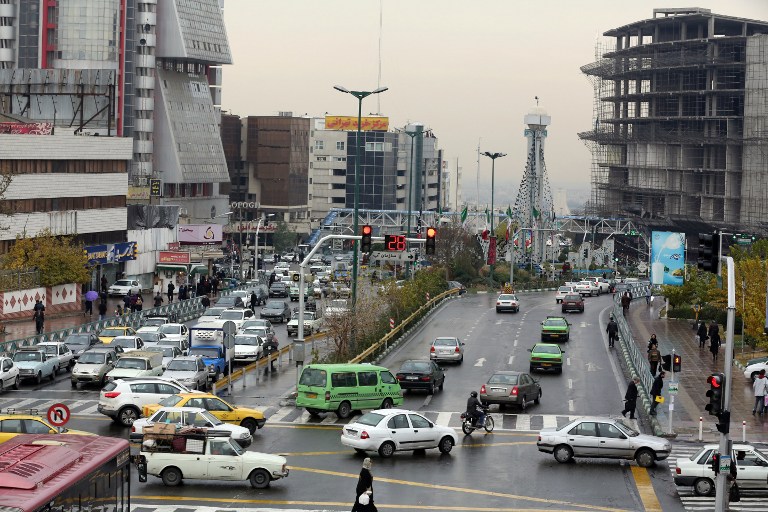
Four Iranian government ministers have broken ranks to warn of a possible economic crisis because of the plunge in prices of oil and other commodities, underlining the country’s patchy recovery.
In a letter sent to President Hassan Rouhani that was published by newspapers Monday, the ministers of economy, industry, labour and defence said “incompatible” policies were causing harm.
“If urgent action is not taken, stagnation could turn into crisis,” the letter said, noting that capital was in short supply because of falling income from sales of oil, metals and minerals.
Iranian media reported that the letter was sent one month ago.
Rouhani’s government in its first two years has prioritized tackling inflation, which spiked when money was printed after international sanctions were imposed because of Iran’s nuclear program.
However the letter appeared consistent with the views of some analysts who say with inflation now down to 15 percent — it was 42% when Rouhani took office — a change of policy is needed.
The government, fresh from a nuclear deal with world powers that should see nuclear-related sanctions lifted in the coming months, is trying to attract foreign cash into sectors long starved of investment.
However, Mohammad Gholi Yousefi, an economics professor at Allameh Tabatabai University in Tehran, said the letter had exposed tensions over the allocation of cash from Iran’s own banks.
“Almost half the banks’ resources is practically blocked by the government, special customers and banks themselves,” he told AFP, meaning it is not reaching businesses crucial to the economy.
“Part of the money is also blocked by banks that have invested the money in housing and malls, hoping for more return.
“The fact that ministers publicly wrote this letter shows the depth of the crisis and confirms what independent economists have been warning about for some time,” he added.
After years of recession, Iran’s economy grew by three percent last year, but with 25 percent of graduates unemployed and inflation still high, the recovery remains vulnerable.
Middle class and poor Iranians have seen their purchasing power plummet since 2012, when inflation peaked. The local rial currency had already lost two-thirds of its value before Rouhani took office.
Sanctions saw Iran cut off from the SWIFT banking system of transfers in 2012, leaving Iranian businesses isolated from international finance.
When banking curbs are removed under the nuclear deal, firms — many of which have money frozen in foreign accounts — stand not only to get it back but also to benefit from easier transactions.






The Times of Israel Community.