

Key suspect in submarine affair released to house arrest
Avriel Bar-Yosef barred from communicating with other suspects in investigation into alleged fraud in sale of naval vessels
 Add ToI as a Preferred Source on Google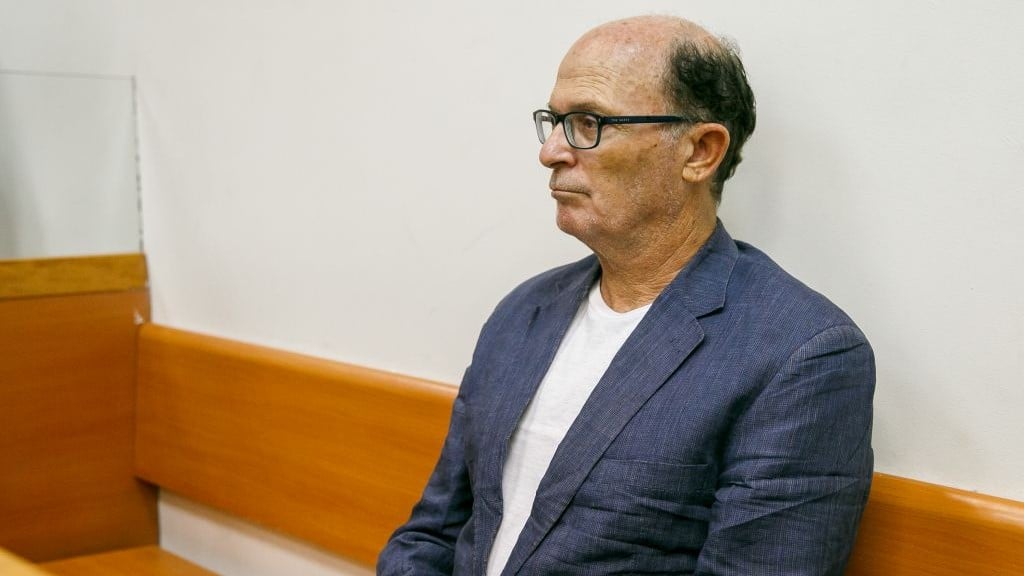
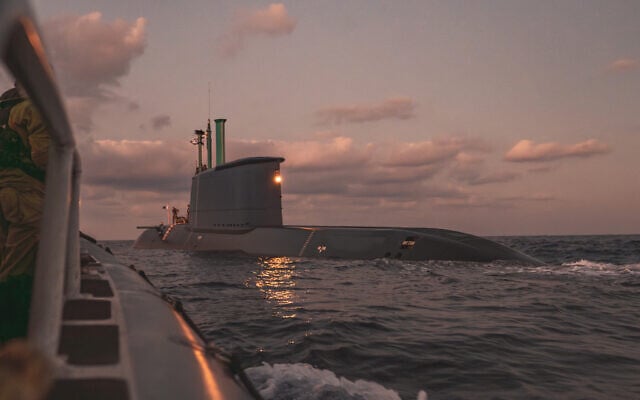
A major suspect in a criminal investigation into suspected fraud in the multi-billion-shekel acquisition of naval vessels by Israel was released to house arrest on Monday, after nearly two weeks in police custody.
In addition to two weeks of house arrest at his Tel Aviv home, Avriel Bar-Yosef will be prohibited from leaving the country for 180 days and from communicating with any other suspects in the case. He was also ordered to post bail of NIS 100,000 ($28,000).
Bar-Yosef, a former deputy head of the National Security Council, is suspected of giving bribes in connection with a decision by Prime Minister Benjamin Netanyahu to buy three submarines from the Germany company ThyssenKrupp, a deal reached despite reported opposition from the Israeli Defense Ministry.
Also suspected of bribery in the case is Miki Ganor, ThyssenKrupp’s representative in Israel, who last week signed a deal to testify for the state.
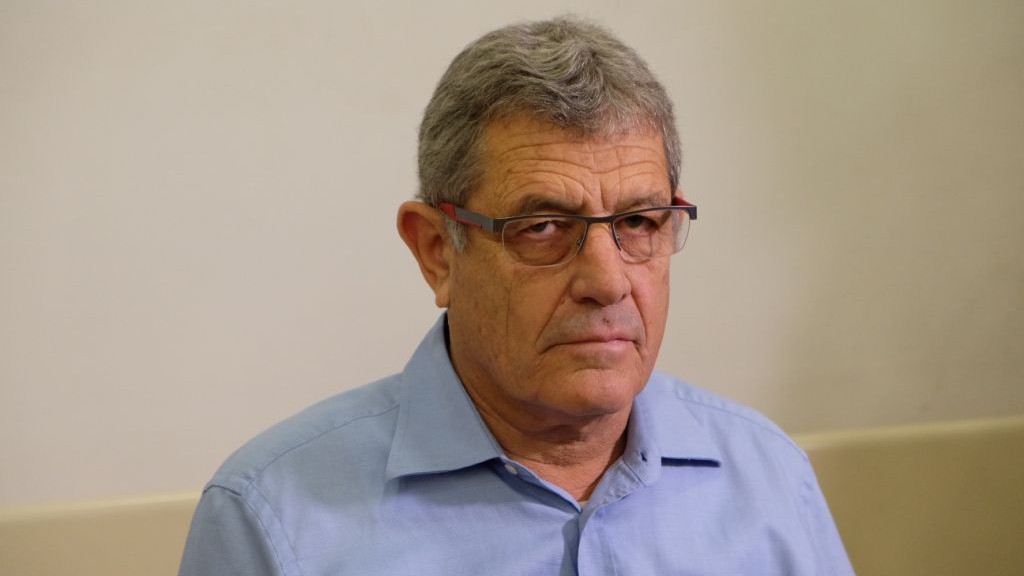
Other suspects in the case include Maj-Gen (res.) Eliezer Marom, a former Israeli Navy chief, and David Shimron, Netanyahu’s cousin and lawyer, who served as Ganor’s legal representative.
Attorney General Avichai Mandelblit ordered the police to formally look into the submarine affair — dubbed Case 3000 — in November 2016, after reports surfaced that Netanyahu may have been swayed to purchase the vessels by business ties that Shimron had with ThyssenKrupp. Late last year, Channel 10 news revealed that Shimron had also served as an adviser to Ganor.
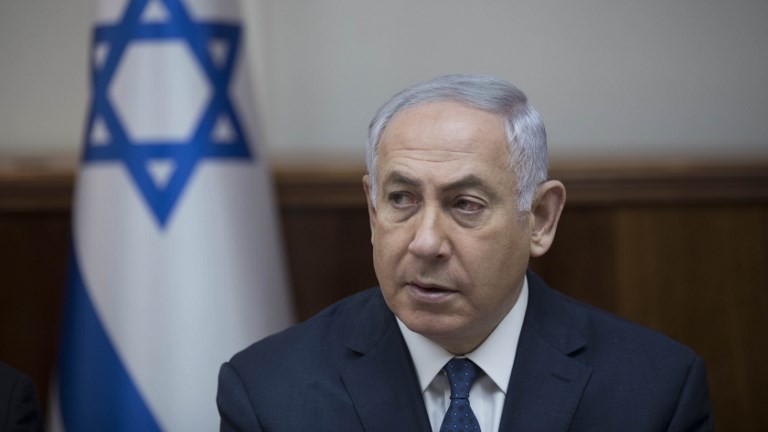
Police are planning to summon Netanyahu, who is not a suspect in the case, to testify, especially on whether he knew of the corruption allegations against Bar-Yosef when he sought to appoint him head of the National Security Council in 2016.
Bar-Yosef’s candidacy was later withdrawn, when it emerged that he was suspected of accepting bribes in exchange for promoting the interests of German businessmen.
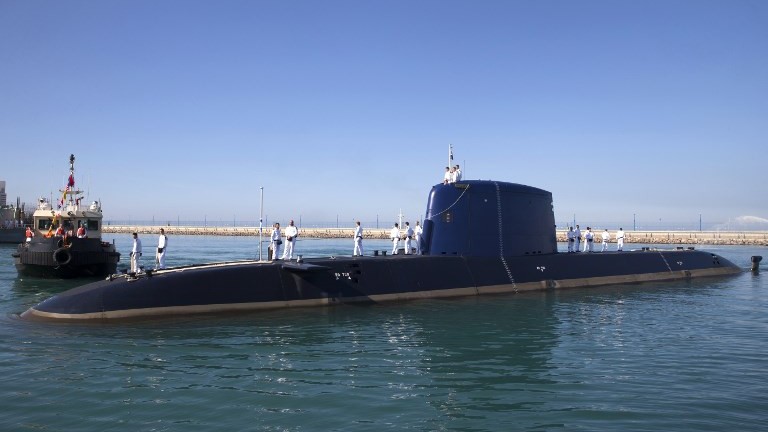
Germany has temporarily frozen the deal as a result of the investigation. Berlin and Jerusalem were said set to sign a memorandum of understanding next week, but that has been postponed indefinitely. “There’s now an asterisk in the deal,” Netanyahu acknowledged last week, adding that the German side is waiting to see how the investigation will play out. “There’s a probe, let the probe be concluded,” he said.
Netanyahu has claimed that his name was being linked to several investigations as part of a left-wing conspiracy to oust him.
The prime minister is being investigated as a suspect in two affairs known as Case 1000 and Case 2000. Case 1000 concerns expensive gifts he allegedly received from wealthy friends, while Case 2000 deals with an alleged quid pro quo deal he discussed with the publisher of a major newspaper to push legislation against a competing daily in return for more favorable coverage.
In addition, in what is sometimes called Case 4000, Shlomo Filber, the director-general of the Communications Ministry, is under investigation over securities offenses related to a merger involving the national telephone company Bezeq. Israel’s state comptroller released a report last week that accused Netanyahu of failing to originally disclose his close ties with Bezeq head Shaul Elovitz, and raised suspicions that the prime minister — who at the time held the post of communications minister — and Filber made decisions at the ministry in favor of Bezeq.
Netanyahu’s former defense minister Moshe Ya’alon said earlier this month that there was no way that the premier could not have been involved in the scandal-plagued multi-billion-shekel naval deals with ThyssenKrupp, and has predicted that the prime minister will eventually be indicted.
Raoul Wootliff contributed to this report.






The Times of Israel Community.