

Radio active in English
TLV1 hopes to survive in a crowded media market as Israel’s only English-language radio station
 Add ToI as a Preferred Source on Google
Debra writes for the JTA, and is a former features writer for The Times of Israel.

Memo to video: The radio star has not been killed. In fact, in Tel Aviv these days, she speaks English, and appears to be making a comeback.
In a tiny underground studio tucked behind the posh storefronts of Tel Aviv’s tony Kikar HaMedina, a small team of employees are working hard at the resurrection. They are the crew at TLV1, the only English Internet radio station in Israel, and they’re convinced that in the age of the soundbite and streaming video, there is still a market where it’s the ears, and not the eyes, that have it.
“Radio is not dead – quite the opposite,” says Avner Shelem, director of TLV1 and one of the small crew who founded the station two months ago. “People like to listen to radio because they can do it while they’re driving, while they’re working, while they’re exercising at the gym or running in the park. All those people are now consuming audio. The demand in the world is going up.”
Shelem, a former high-tech executive, came to radio after itching to start a venture in new media. Early in 2013, working with two co-founders, he began hammering out potential plans for a magazine or an iPad app. But when the team realized that there was English-language radio in every country surrounding Israel but none right here at home, they decided to shift their focus.
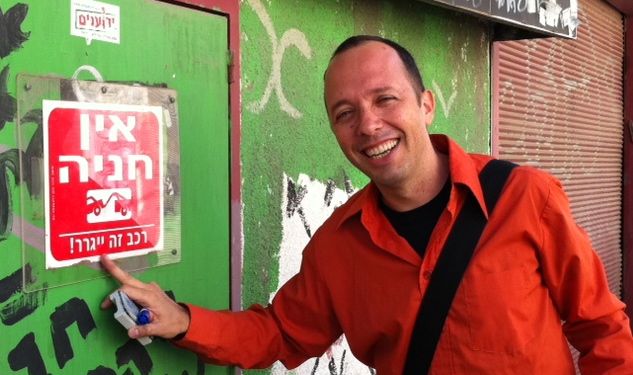
“Radio is also my love,” Shelem says. “And so it helped to make the decision.”
These days, TLV1 is available for free streaming online, 24 hours a day, 7 days a week. Podcasts of individual programs can also be downloaded on iTunes. Nearly two dozen shows fill the station’s programming docket, which offers between six and eight hours of original radio each day.
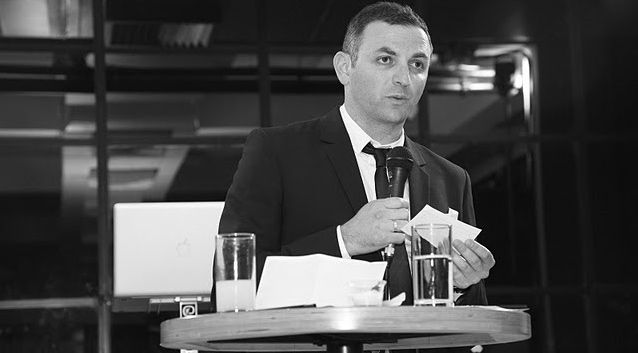
Some programs, like “So Much to Say,” a hard-hitting daily news analysis show hosted by journalist Amir Mizroch, are aired live. Others, like “Streetwise Hebrew,” a sweet 10-minute look at the bones and basis of Hebrew words hosted by local graffiti tour guide Guy Sharett, are pre-recorded. Other standouts include “TLV State of Mind,” a veritable to-do list of what’s happening in the White City, hosted by actor (and “Prisoners of War” star) Ishai Golan; “Na’gham El Hood,” Yvonne Saba’s take on the country’s diverse range of Middle Eastern music talent; and “Politely Rough,” in which an Orthodox father (Jason Pearlman) and a secular bachelor (Stephan Miller) together hash out the news and politics of the week.

All of the station’s programs, say co-founder Yael Wissner-Levy, fill a gap in the market, providing content that hasn’t previously been available in English and also is often not even available in Hebrew.
“We try to find the missing points in the scene, in terms of content, while keeping in mind that because it’s Internet radio we can reach anybody in the world with an Internet connection,” she says.
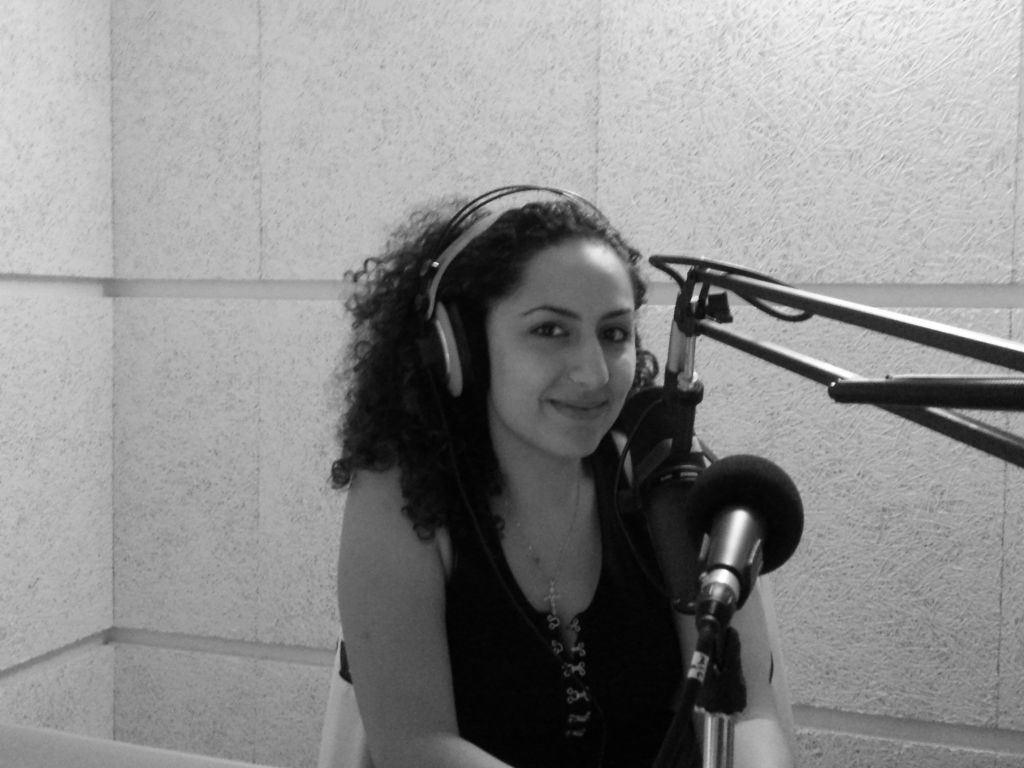
TLV1 has yet to release numbers on how many people are tuning in, but Wissner-Levy says the station’s executives are focused on a wider audience than just Anglos living in Israel. Jews in the Diaspora, Christians with a love of Israel, and Israelis seeking to improve their English or just expand their cultural knowledge are all in the target audience, they say.
And because they don’t have any direct competition, TLV1’s radio hosts have been able to attract high-profile guests and political leaders. Mizroch’s guests have included renowned political journalist Jeffrey Goldberg and a hostage live-tweeting in the midst of the bloody siege of Nairobi’s Westgate shopping mall last month.

“People are thirsty to get their opinions out and I think they are starting to realize that words and communication really matter,” Wissner-Levy says. “What’s so great about the radio, which is completely different from print news and TV, is that it really can reach anyone anywhere, and it can be used and shared and saved. It’s not something that you wrap yesterday’s fish with. So [our guests] know they can use it to get their messages across as well.”
English-language media is having an Israeli renaissance, Mizroch says, pointing to the new television news channel i24news as well as online news outlets including Israel Hayom English, of which he is the editor; the revamped haaretz.com in English; and this very publication.
“The traditional Hebrew media is in major crisis. Even though a lot of Israelis still listen to the radio, all the radio stations are hemorrhaging money and both [Israeli TV’s] Channel 2 and Channel 10 are in dire crises. The newspapers are also hemorrhaging,” he says, painting a stark contrast between the old guard of Hebrew media in the country and its upstart, growing English-language options. “The global audience,” he says, “is getting a much more nuanced and better picture of Israel than the Israelis.”
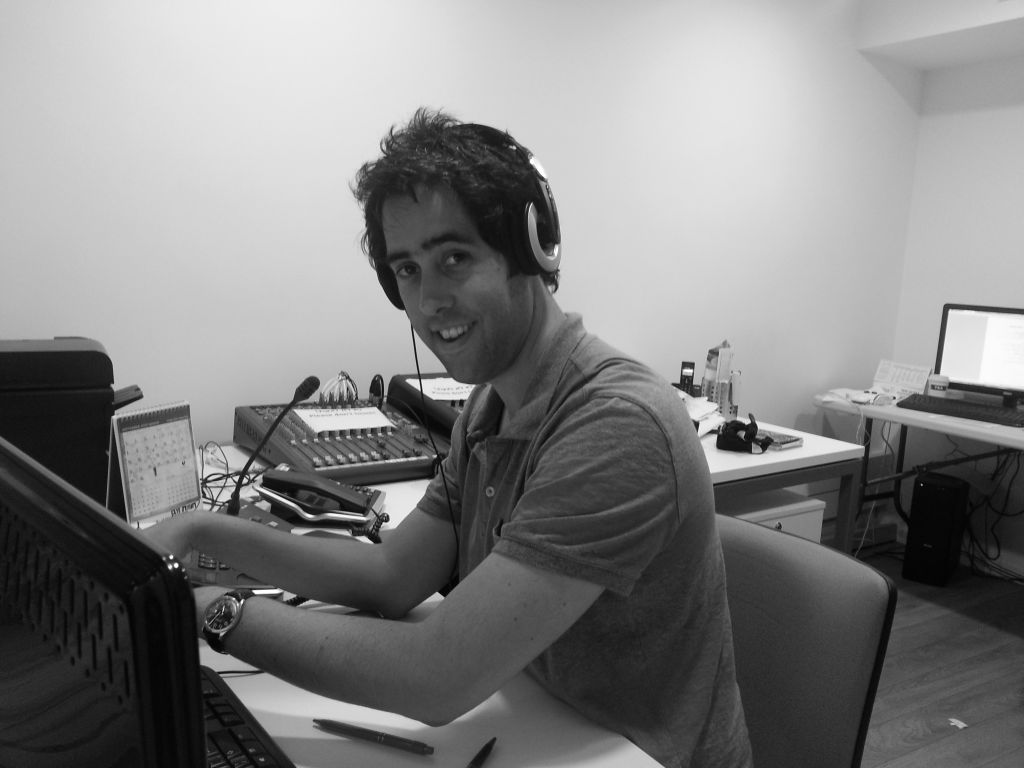
Gilad Halpern, a longtime journalist at Haaretz who serves as editor of Mizroch’s show and also hosts his own TLV1 program, studied radio journalism at university and says he was thrilled to be offered a spot in the studio.
His program, “The Tel Aviv Review,” is an audio salon of sorts modeled on the New York Review of Books and the Paris Review. Halpern gathers intellectuals, writers and thinkers to parse out current events and discuss their own work. And there is no better setting for such discussions, Halpern says, than the studio.
“There are so many journalists, either in print or TV, who the minute they step into the studio they say, ‘my god, radio is my favorite medium,’” he says. “It combines the immediacy of TV and the intimacy of print, and it’s such a fantastic medium for my purposes.”
Asked whether he thinks TLV1 will survive in a crowded media market, Halpern says that it’s like any gutsy start-up: You just can’t know.
“When Mark Zuckerberg, or the guys from Waze, started out, I don’t think any of them knew for sure they were doing the right thing,” he says. “But there’s a place for an English radio station in Israel. And this is the only one. Radio is a medium that, if weighed against web journalism and TV, is not as popular. But it has a very solid fan base that appreciates good radio. And good radio is what we’re trying to do.”






The Times of Israel Community.