

Russia, Iran condemn chemical weapons but rebuff calls to attack
Leaders of both nations agree that they oppose military intervention in Syria, prefer resolution through diplomacy
 Add ToI as a Preferred Source on Google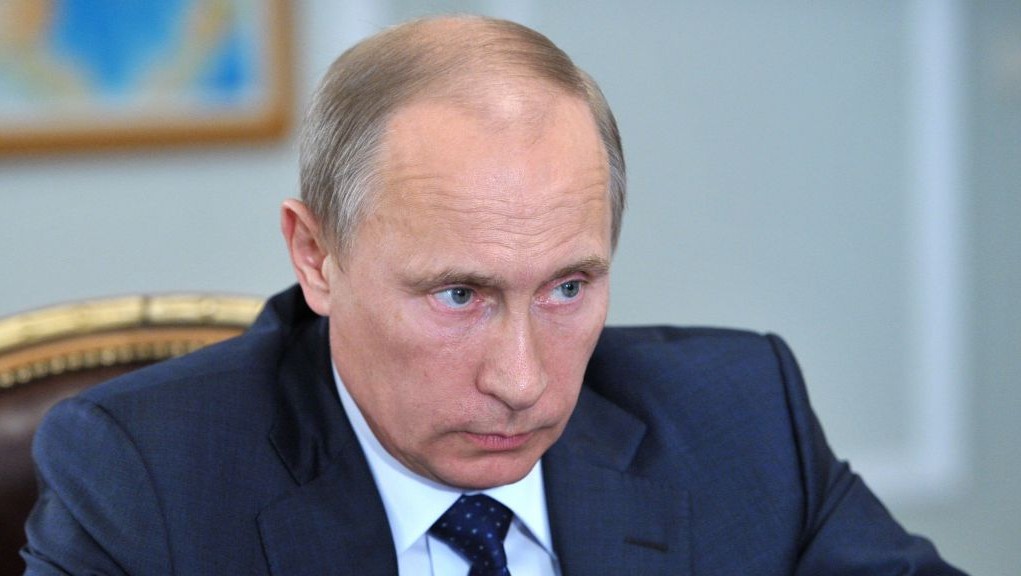
The leaders of Russia and Iran agreed Wednesday that use of chemical weapons was unacceptable, but called for the West to rethink plans for military intervention in Syria and opt instead for a political solution to the troubles in that country.
Russian President Vladimir Putin and Iranian President Hasan Rouhani spoke by telephone and came out against the use of chemical weapons, Reuters reported.
“Both sides consider the use of chemical weapons by anyone intolerable,” the Kremlin said in a statement about the phone conversation.
Both Moscow and Tehran are major backers of Syrian President Bashar Assad, and have vociferously opposed Western intervention in the civil war that has raged there for over two years.
“Taking into account the calls being voiced for external military intervention in the Syrian conflict, they also stressed the need to seek a path to a resolution through exclusively political and diplomatic means,” the Kremlin statement said.
Rouhani was quoted by Iranian state TV as saying “military action will have many costs for the region” and “it is necessary to apply all efforts to prevent it.”
According to the report, he said both Iran and Russia would work to prevent any military action against Syria and called such action an “open violation” of international laws.
While condemning chemical weapons, Rouhani was quoted as saying that “early judgment can be dangerous, before clarification” of allegations that Syria used such weapons.
Several top Iranian officials on Wednesday affirmed their commitment to hitting Israel and the US in response to any strike on Syria, with chief of staff Hassan Firouzabadi declaring that “if the US attacks, the Zionists will burn,” according to an Israeli Channel 2 report.
Russia has said it will not intervene should the US attack, but came under fire by Washington Wednesday for seeking to block a UN Security Council resolution authorizing force against Damascus.
The US has indicated that it may not wait for UN approval to intervene in Syria, circumventing Russian oppostion.
“We do not believe that the regime can continue to hide behind the fact that the Russians will block any meaningful actions by the Security Council,” deputy State Department spokesperson Marie Harf warned last week. “The Security Council is an important venue… but we cannot be held up in responding by Russia’s continued intransigence.”
Iran has been aggressive in its statements against US action, saying that it is Israel that will suffer the consequences of an attack on the Syrian regime.
An Iranian journalist said to be close to Supreme leader Ayatollah Ali Khamenei reportedly warned Wednesday that Israel would “face tens of thousands of missiles,” according to the Channel 2 report.
Israel has been at pains to make clear that it has no desire to be drawn into the Syrian conflict, which has escalated internationally after chemical weapons allegedly killed several hundred Syrian civilians in the suburbs of Damascus last Wednesday — crossing a “red line” set by US President Barack Obama to outlaw the employment of weapons of mass destruction.
The US, Britain and other Western countries have said they have proof Assad’s regime was behind the attack.
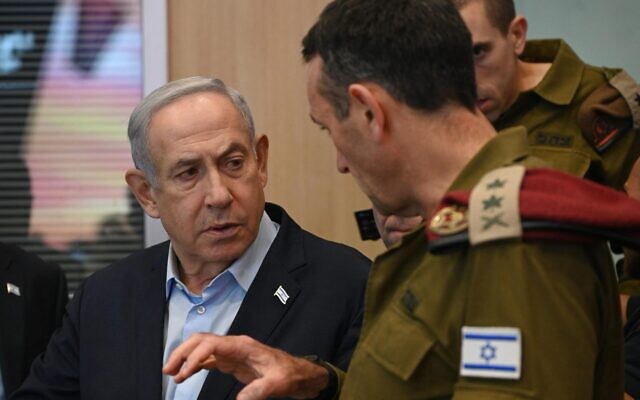
On Tuesday night, Prime Minister Benjamin Netanyahu, Defense Minister Moshe Ya’alon, and IDF Chief of General Staff Benny Gantz all publicly warned Assad not to tangle with Israel. Those public statements were reinforced by private messages to the Syrian regime, conveyed via third parties, Channel 2 reported Wednesday night.
The Associated Press contributed to this report.






The Times of Israel Community.