

Victims in someone else’s war
After a suicide bombing in Istanbul kills 3 Israelis, papers swing between sadness for the victims and ‘what did you expect’ for Turkey
 Add ToI as a Preferred Source on Google
Joshua Davidovich is The Times of Israel's Deputy Editor
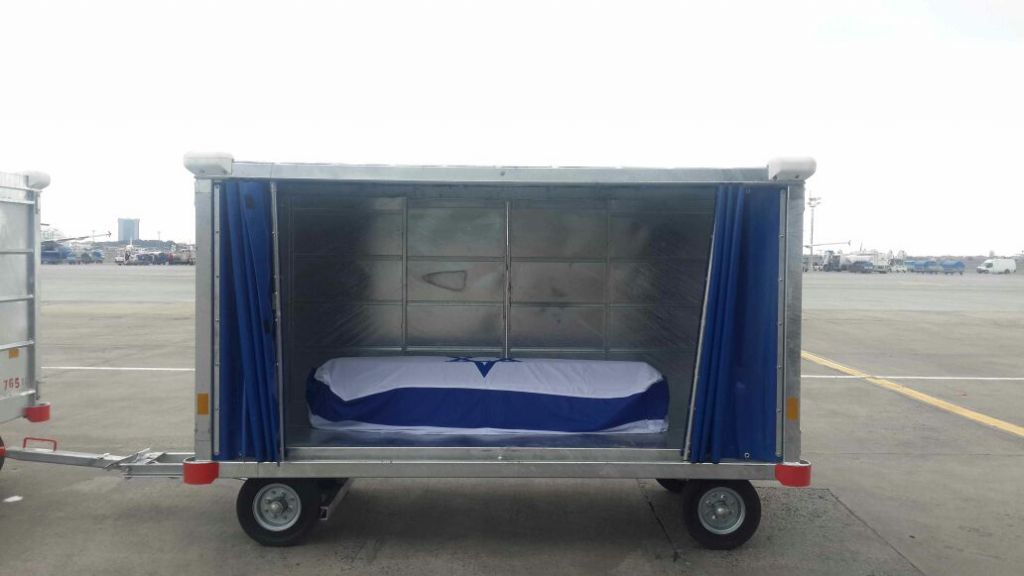
Nothing quite exemplified the tussle between Israel and Turkey raging the last several years than the two countries’ reported refusal to condemn terror directed against the other one, even as they both found themselves in the midst of waves of violence.
A bombing Saturday in Istanbul that left three Israelis dead threw all that up in the air, and while some in the press note that it is likely to help speed along détente talks between Jerusalem and Ankara, it’s not as simple as old flames being brought back together in the aftermath of a tragedy.
As the smoke began to lift and the picture of what happened in Istanbul started to become clear, the media Sunday morning seems to paint the attack as one in which a group of unsuspecting Israelis wandered into a problem of Turkey’s own making. The result is papers vacillating between tabloidy outrage for the three Israeli victims and cold “what do you expect” analysis for the Turks.
Both Israel Hayom and Yedioth Ahronoth feature the same large picture taken by the group of Israelis on a culinary tour minutes before the blast, coupled with pictures of the immediate aftermath. It’s words, heartbreaking words, though, that fill in the gap as the day slid from humdrum gastronomic travelogue into abject horror.
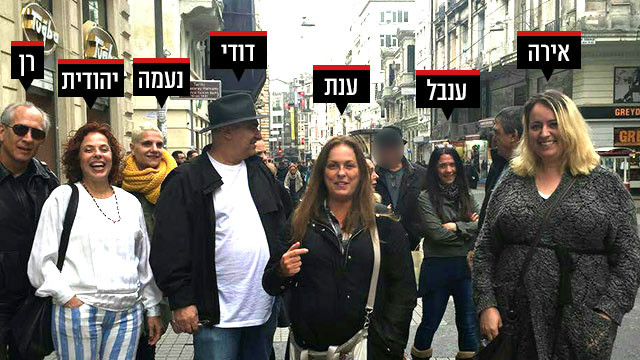
“I came to eat breakfast at a Black Sea restaurant. After some time, we left the restaurant and a few hung back inside. After a couple of minutes we started to walk and 50 seconds didn’t pass before we heard a massive blast. I immediately knew it had been an attack,” one person on the tour tells Israel Hayom. “The ground shook and things fell on me from above. There were screams and a lot of hysteria, some of it mine. I checked if all my limbs were on me. The huge fear that I was hit by shrapnel is still with me. The bomber stood a meter and a half from me. Whoever was behind me was killed.”
Who was behind her could have been Simha Dimri, one of three Israelis killed, and the only name released for publication before papers went to press last night.
Yedioth quotes Avi Dimri, who was injured in the blast, speaking from the hospital before he has been told his wife Simha was killed.
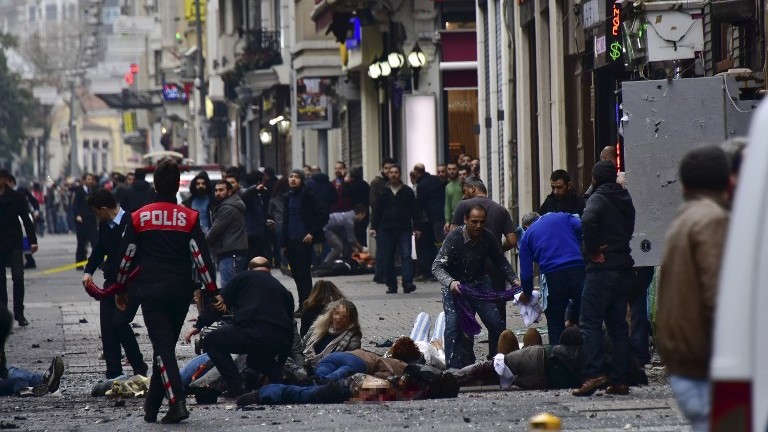
“Suddenly I heard a terrible explosion and everything went flying. I was a bit behind the group,” the paper quotes him saying. “I couldn’t see my wife. The bomber exploded maybe four meters from us. I have two broken legs and a hole in my lung. I can barely speak and I don’t know where my wife is.”
As the names of the two other fatalities had not been released for publication in Israel by press time, most of the coverage focuses on Dimri.

“The Dimri family is well known and regarded,” a neighbor is quoted telling Israel Hayom. “They are business owners and are active in the Dimona community, well respected, giving to the community. This is a huge loss.”
Who was hit seems clear enough, but who was doing the hitting and who the intended target was is about as clear as mud, though papers do their darnedest to try to circumstantial-evidence their way to some answers.
Haaretz reports that the bomber was reportedly Sabash Yeldiz, a Kurd who joined the Islamic State, putting him as well at the nexus of two groups who have been wreaking havoc in some Turkish cities.
As to whether he intended to hit Israelis, Yedioth throws some gas on the speculative fire.
“Though it’s thought he chose the group of Israelis after hearing them speak Hebrew, among the injured were tourists from other countries,” the paper reports. “Another indicator that they were the targets: He blew up just as they got to [main thoroughfare] Istiklal from a side alley. That being said, the prime minister said yesterday that there is still no evidence the attack was targeted against Israelis.”
Despite the speculation, there seems to be a stronger consensus among analysts in all three papers that Israelis weren’t the intended target, but rather Turkey and its leadership, which helped make the country a fertile ground for terror by playing a double game times infinity on the geopolitical stage.
“The tragedy of the Israelis vacationing in Turkey is felt across Israel. But it’s safe to assume that the bomber didn’t target them because of their identity and didn’t know who he was killing. This is just another sad chapter in the difficulties sown in Turkey by [President Recep Tayyip] Erdogan,” Israel Hayom’s Dan Margalit writes. “Most of Erdogan’s time is spent dismantling landmines and home and abroad. He got his country in a tiff with Egypt over support for Hamas, and hasn’t been rescued from the crisis with Israel for almost the same reasons, in addition to the hatefulness [toward them] felt by his citizens.”
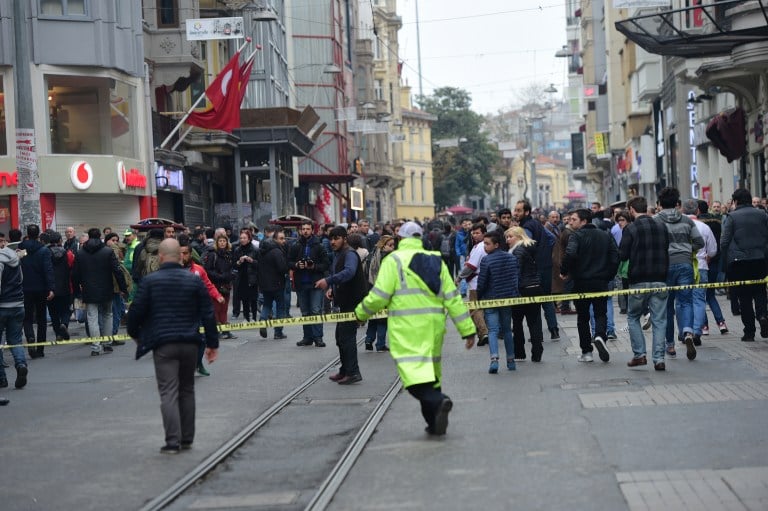
Yedioth’s Alex Fishman notes that Israelis or not, the fact that tourists and not soldiers or the government was targeted indicates that Islamic State is likely behind the bombing and not the Kurds. But even if the bomber didn’t have blue and white in his sights, Israelis should realize that Turkey might not be the best vacation destination right now.
“Israel didn’t have any advance warning on a bombing attempt against Israeli tourists in Istanbul,” he writes. “However, the wave of bombings in Turkey over the last months should have acted as a warning to Israelis — think well before going there for vacation. What wasn’t understood as a hint became a clear statement from the Israeli anti-terror authority: Turkey is a dangerous country for Israelis. It seems the Turks have lost the handle on Kurdish terror and Islamist extremism, and they currently can’t get control over them.”
Zvi Bar’el in Haaretz indicates Israelis had nothing at all to do with the attack, but rather Justin Bieber and his ilk, whom the bomber was hoping would be scared away from performing in the country.
“Yesterday’s attack was aimed at Turkey’s economy. Some 4.5 percent of its gross domestic product comes from tourism. After the blow it received following its downing of a Russian fighter jet last November, the number of tourists to Turkey plummeted by more than 14 percent. The number of Russian tourists dropped by more than 40 percent, with the resort city of Antalya bearing the brunt of terror attacks,” he writes. “From next month, Turkey is set to host a large horticultural exposition, Expo 2016, in Antalya. It was hoping the planned performances of Jennifer Lopez, Madonna and Justin Bieber would repair some of the damage to the country’s tourism. But following yesterday’s attack in Istanbul – Turkey’s main tourism hub – it is doubtful whether even these artists can help.”





The Times of Israel Community.