

We knew nothing, don’t blame us, say relatives of Jerusalem truck terrorist
At family’s mourning gathering for Ibrahim Fadi al-Qunbar, the East Jerusalemite who plowed into a group of soldiers on Sunday, killing four of them, all is mystification

 Add ToI as a Preferred Source on Google
Avi Issacharoff, The Times of Israel's Middle East analyst, fills the same role for Walla, the leading portal in Israel. He is also a guest commentator on many different radio shows and current affairs programs on television. Until 2012, he was a reporter and commentator on Arab affairs for the Haaretz newspaper. He also lectures on modern Palestinian history at Tel Aviv University, and is currently writing a script for an action-drama series for the Israeli satellite Television "YES." Born in Jerusalem, he graduated cum laude from Ben Gurion University with a B.A. in Middle Eastern studies and then earned his M.A. from Tel Aviv University on the same subject, also cum laude. A fluent Arabic speaker, Avi was the Middle East Affairs correspondent for Israeli Public Radio covering the Israeli-Palestinian conflict, the war in Iraq and the Arab countries between the years 2003-2006. Avi directed and edited short documentary films on Israeli television programs dealing with the Middle East. In 2002 he won the "best reporter" award for the "Israel Radio” for his coverage of the second intifada. In 2004, together with Amos Harel, he wrote "The Seventh War - How we won and why we lost the war with the Palestinians." A year later the book won an award from the Institute for Strategic Studies for containing the best research on security affairs in Israel. In 2008, Issacharoff and Harel published their second book, entitled "34 Days - The Story of the Second Lebanon War," which won the same prize.
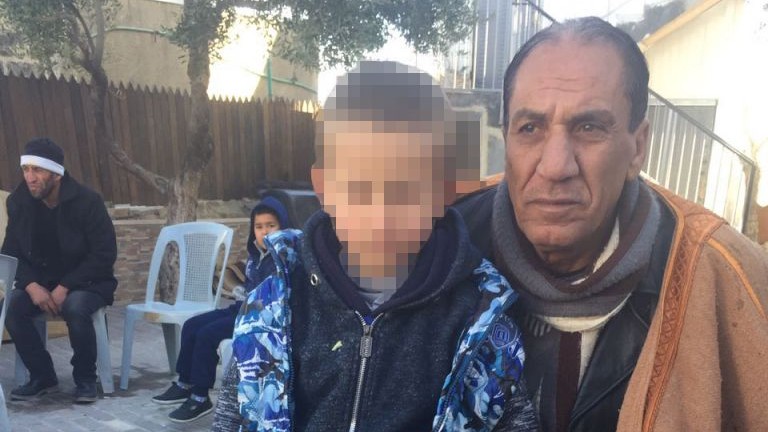
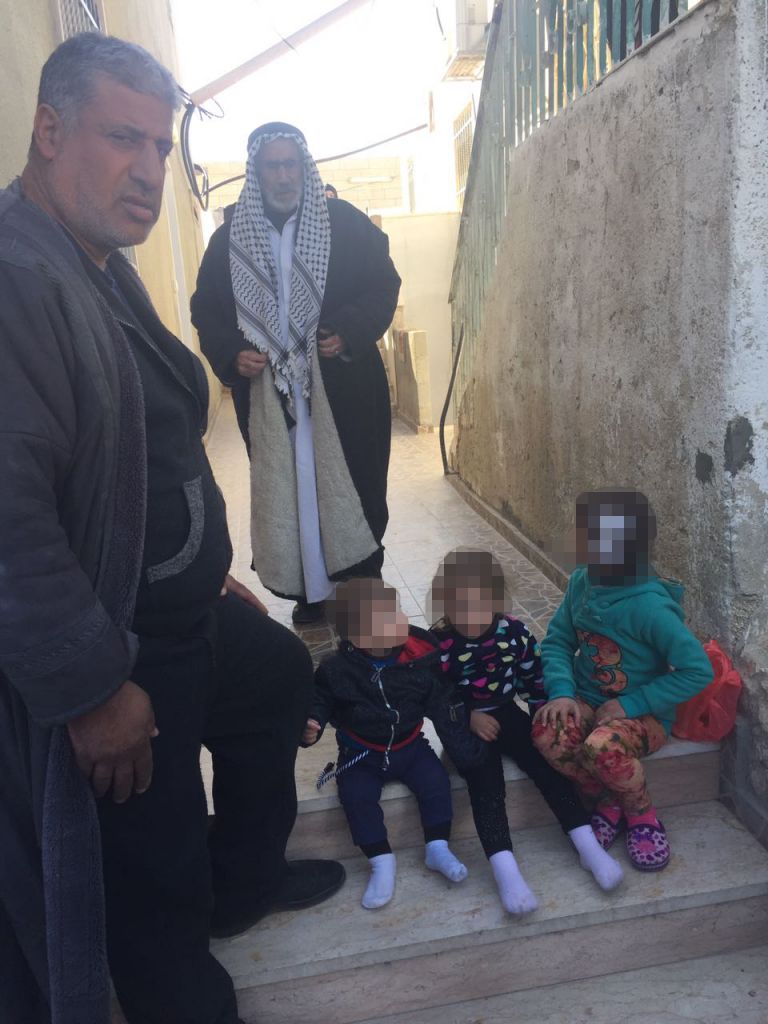
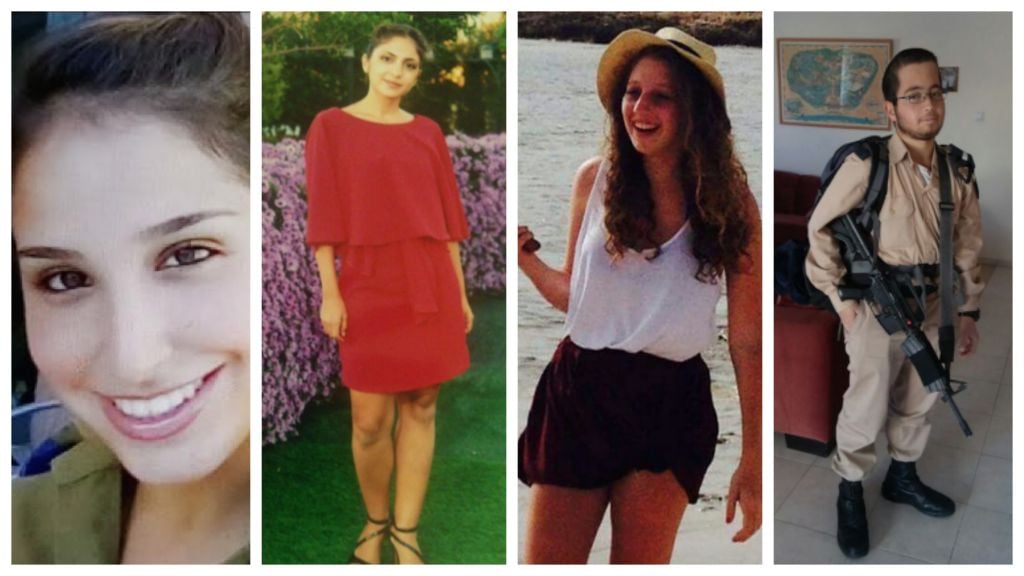
The two sisters, five and three, and the seven-month-old baby get ready to be photographed. It’s not the first time this has happened since Sunday. Their grandfather looks down from above them. Their big brother, Izz, six and a half, will join them soon. They are all now “the children of the martyr” — the children of Fadi al-Qunbar, the terrorist who drove his truck into a group of soldiers in Jerusalem on Sunday, then reversed over them again, killing four and injuring 16.
Asked if he knows what happened with his father, Izz answers: “Father is in paradise.”
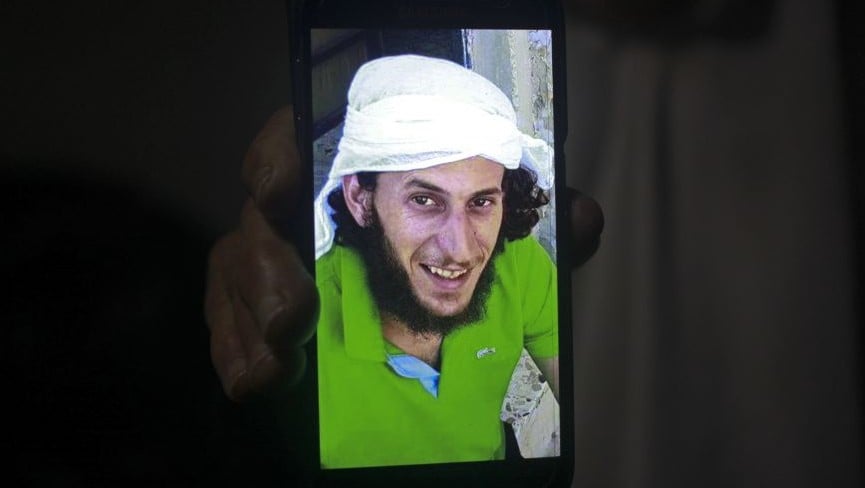
Here in Jabel Mukaber, Qunbar’s neighborhood, not far from the scene of the murderous crime, family, friends, children — everybody — claim they cannot fathom what Qunbar was thinking. He was a Palestinian resident of East Jerusalem, with a blue Israeli ID card, who had done not a small amount of work with Jews, whose youngest was born so recently. Who, less than two weeks ago, had fixed up his truck.
The mourners sit in the central courtyard of Qunbar’s father’s home. This is not your typical mourners’ tent, since the police closed down the one the family erected. Here, there are no posters, photographs or flags. Just some chairs and some older men, most of them dressed in Bedouin garb.
A few hundred meters away, an Israeli police car is parked, with two border policemen inside, but there are no other security forces in sight.
“We don’t know what happened there,” a friend of the family says. “He called his wife an hour before and asked her to make lunch. What happened between then and the ramming, we don’t know. We can’t figure it out.”
Another friend, Muhammad Ali Sawahra, says something not usually heard in other terrorists’ homes: “I’m sad for the Jewish mother who lost her son or daughter. Yes, I’m sad. Those soldiers have mothers too. And their mothers raised them in order that they should live. So it may surprise you, but we feel pain for them. We’re not against Israelis and not against Jews. On the contrary, we want to live in peace with everybody.”
Then he added: “But the actions of your soldiers and police cause hatred among our youths, and a desire for revenge.”
The terrorist’s father, Abu Nayal, sits silently at the side. His hand is shaking. He plays absently with the grandchildren. He and his daughter were arrested after the attack, and released on Monday, to the fury of Israel’s public security minister. On Monday, a demolition order was received for the family home. (On Sunday, soon after the killings, when asked by a reporter for the Quds News Network what she thought of the attack, Qunbar’s sister responded, “God chose him for this martyrdom. Thank God. We are patient and we thank God for this… It is the most beautiful martyrdom.”)
“If I beat my son,” asks a relative, “the police would arrest me, right? But why should I be punished if my son does something, when he is over 18? What’s the point? Why are you punishing the family? We didn’t do anything and we didn’t know anything.”
Asked about allegations that the terrorist’s brother did know what he was planning, another relative, Abu Ali, replies, “If I’d have known that my son was planning something, I swear, I’d have tied his hands together. We didn’t know anything. He was a quiet man, very quiet, never involved in politics with Hamas or Fatah, never in jail. Even though they wrote that he was a released security prisoner, that’s not true. There were no early warning signs.”
And what of the Israeli claims that he was influenced by Islamic State? “What are you talking about, Islamic State?” said Abu Ali. “We’re against Islamic State. There are no Salafis here, nothing like it. Your Shin Bet knows everybody here, who is Fatah and who is Hamas. Suddenly we have Islamic State? These are all tricks from your prime minister.”
On Sunday evening, this neighborhood — the hometown of many other Palestinian terrorists, with the October 2015 killing of three on a bus in East Talpiot the most recent fatal example before Qunbar struck — was volatile and there were disturbances with Israeli security forces. But things have quickly calmed. There are no security forces and no youngsters to be seen. The temporary roadblocks at the entrance to the village have gone.
For now, Jabel Mukabar has returned to routine. At least until the next attack.
Warning: Graphic footage
https://www.youtube.com/watch?v=mrwjXBpcwIw


The Times of Israel Community.