

Zero tolerance for Iranian terror
OP-ED: Our bill would enable the swift imposition of sanctions, with no linkage to the nuclear deal
 Add ToI as a Preferred Source on Google
As Members of Congress who took opposing votes on the nuclear deal with Iran, we remain united in our commitment to preventing any Iranian actions that threaten regional and international security.
Since 2006, United Nations Security Council (UNSC) Resolutions have constrained Iran’s development of a nuclear program and of the ballistic missile systems capable of delivering nuclear weapons. While implementation of the nuclear deal means that Iran might no longer stand on the threshold of weaponization, it does not end the risks Iran poses to the United States and to our allies. Left untouched by the nuclear accord are the regime’s ongoing support for terrorist organizations, violations of human rights, and illegal development of ballistic missile technology.
In October 2015, Iran conducted a ballistic missile launch in clear violation of UNSC Resolution 1929, flaunting the very technology that could be used to carry a nuclear weapon beyond its borders. The United States confirmed this test and U.S. Ambassador to the UN Samantha Power presented evidence of the launch to the Security Council.
At that time, we wrote a letter to President Obama urging the U.S. to take unilateral action if the UN refused to act. The Security Council affirmed the violation but took no further action, and Iran again launched another missile test in November 2015. Following this second test, we introduced bipartisan legislation that would set out a procedure for Congress to fast track new sanctions legislation if Iran conducts illegal launches or commits acts of terror.
It is increasingly clear that Iran’s hard-liners have no intention of abiding by international law.
Our legislation would do two key things. First, it would affirm that non-nuclear sanctions can be imposed at any time for non-nuclear offenses, making clear that nothing in the nuclear deal prevents the United States from applying future sanctions on Iran related to terrorism, human rights, and ballistic missile technology. These new sanctions would be outside the scope of the nuclear deal and would not give the Government of Iran any cause to back away from its commitments under the JCPOA. Second, the bill would allow Congress to quickly consider and impose new sanctions without procedural delay if Iran commits acts of terror that threaten American interests, provides support for terrorist organizations that do the same, or acquires ballistic missile technology in violation of UN Security Council resolutions. From its introduction, the bill has received bipartisan support from members of Congress who both supported and opposed the JCPOA.
In January, the United States imposed sanctions on 11 individuals and entities involved in Iran’s ballistic missile program and the October launch. Yet just last week, Iran launched two more missile tests on consecutive days in flagrant violation of UNSC Resolution 2231. It is increasingly clear that Iran’s hard-liners have no intention of abiding by international law. As a senior IRGC commander said last week, “Iran’s missile program will not stop under any circumstances. … The IRGC has never accepted the U.N. Security Council resolutions on Iran’s missile work.”
If the Security Council refuses to take action against these repeated violations, it is time for the United States to increase unilateral sanctions on Iran. More pressure is needed on those who aid and abet Iran’s illicit ballistic missile program, on the persons that facilitate the transfer of ballistic missile technology and on the entities that transfer funds for Iranian procurement. Now is the time to pass our bipartisan legislation so that Congress can fast track sanctions against Iran for illegal missile activity.
The debates on the JCPOA’s approval are behind us and the nuclear deal is moving forward. However, it is being adopted on a landscape where Iran continues to test not only ballistic missiles, but also the world’s willingness to hold Tehran accountable.
The JCPOA places a great deal of faith and trust in the international community, but if the Security Council turns a blind eye to violations of international law, then the United States must be prepared to respond. We cannot allow the Government of Iran to continue to evade its responsibilities.
We cannot allow Iran to threaten the very existence of our allies and to further destabilize the Middle East.
—
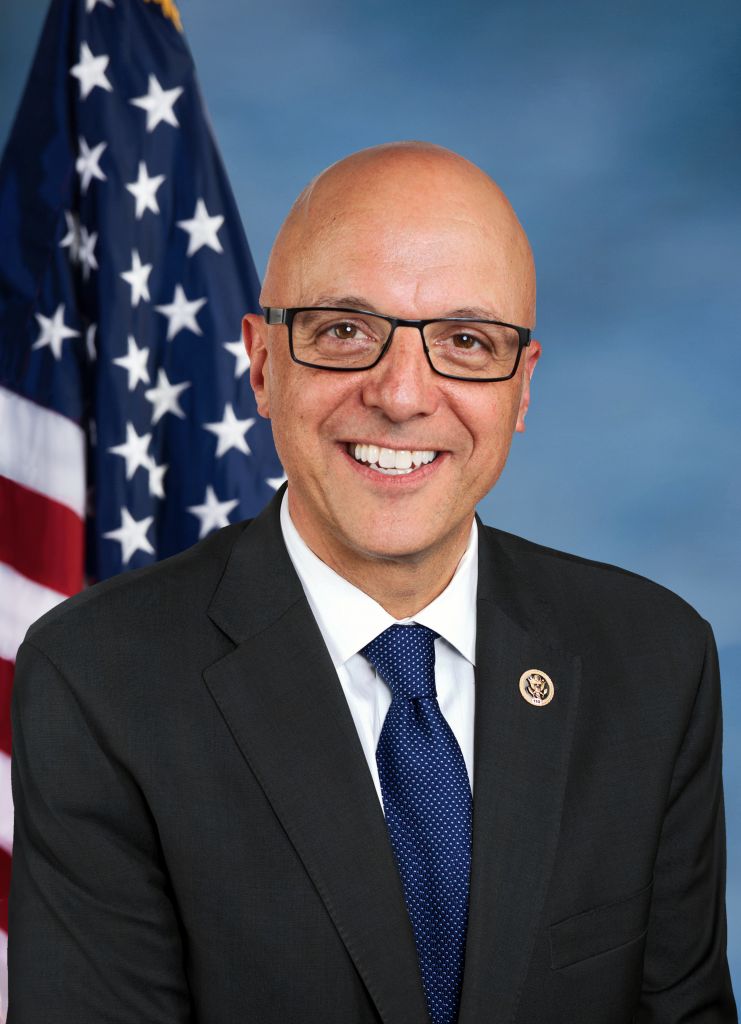
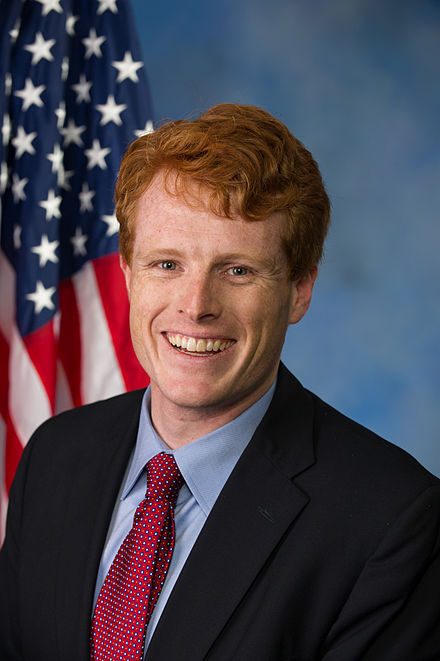
Representatives Joe Kennedy III (D-MA) and Ted Deutch (D-FL) introduced the bipartisan Zero Tolerance for Terror Act in the United States House of Representatives. Mr. Deutch is the Ranking Member of the House Foreign Affairs Committee Subcommittee on the Middle East and North Africa.





The Times of Israel Community.