

3 UN observers killed within 24 hours in south Lebanon; IDF says it’s investigating
Probe to determine whether IDF or Hezbollah fire responsible, army says; 3 top Hezbollah operatives killed in separate IDF strike on Beirut’s southern suburbs
 Add ToI as a Preferred Source on Google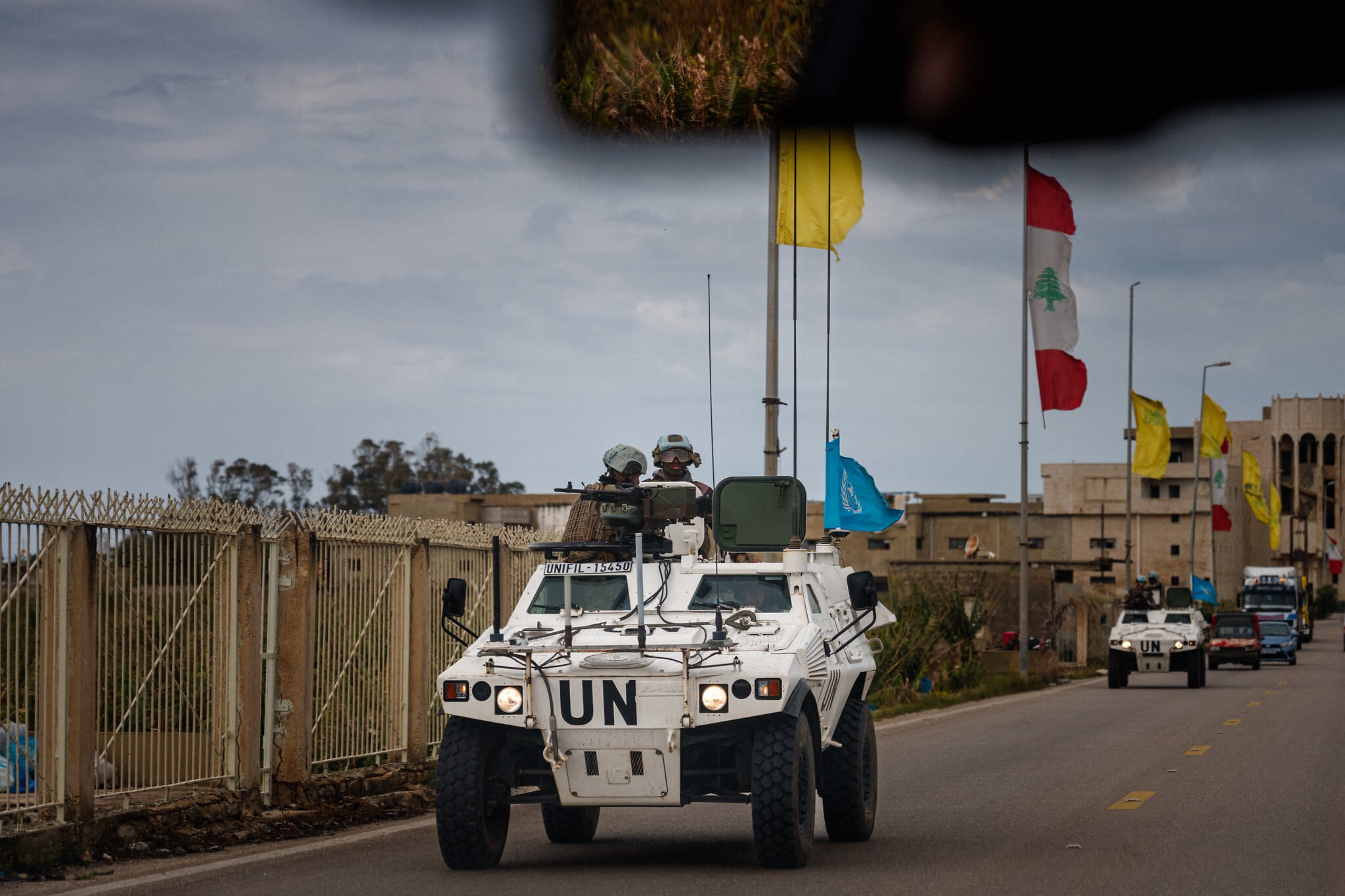
The UN observer mission in Lebanon said two of its personnel were killed Monday in the second deadly incident in 24 hours in the country’s south, where Israel and Hezbollah are fighting.
The United Nations Interim Force in Lebanon (UNIFIL) said two Indonesian observer force members were killed “when an explosion of unknown origin destroyed their vehicle.” Two other peacekeepers were wounded, one of them seriously.
Also in the south, Lebanon’s army said an Israeli strike killed one of its soldiers, while the IDF announced that three top Hezbollah operatives responsible for the coordination between the Lebanese terror group and Palestinian terror organizations were killed in an Israeli strike on Beirut’s southern suburbs.
Lebanon was pulled into the Middle East conflict when the Tehran-backed terror group fired rockets at Israel on March 2 to avenge the killing of Iran’s supreme leader in the opening salvo of the US-Israeli war against the Islamic Republic.
Israel has responded with broad strikes across Lebanon and a ground offensive in the south. Lebanese authorities say more than 1,200 people have been killed since the hostilities began, though, they don’t differentiate between civilians and combatants. The Israeli military has said that it has killed some 800 Hezbollah operatives.
UNIFIL said it had launched an investigation into Monday’s deaths, which came a day after another Indonesian peacekeeper was killed and three others wounded by a projectile, also of unknown provenance, that exploded near a UNIFIL position.
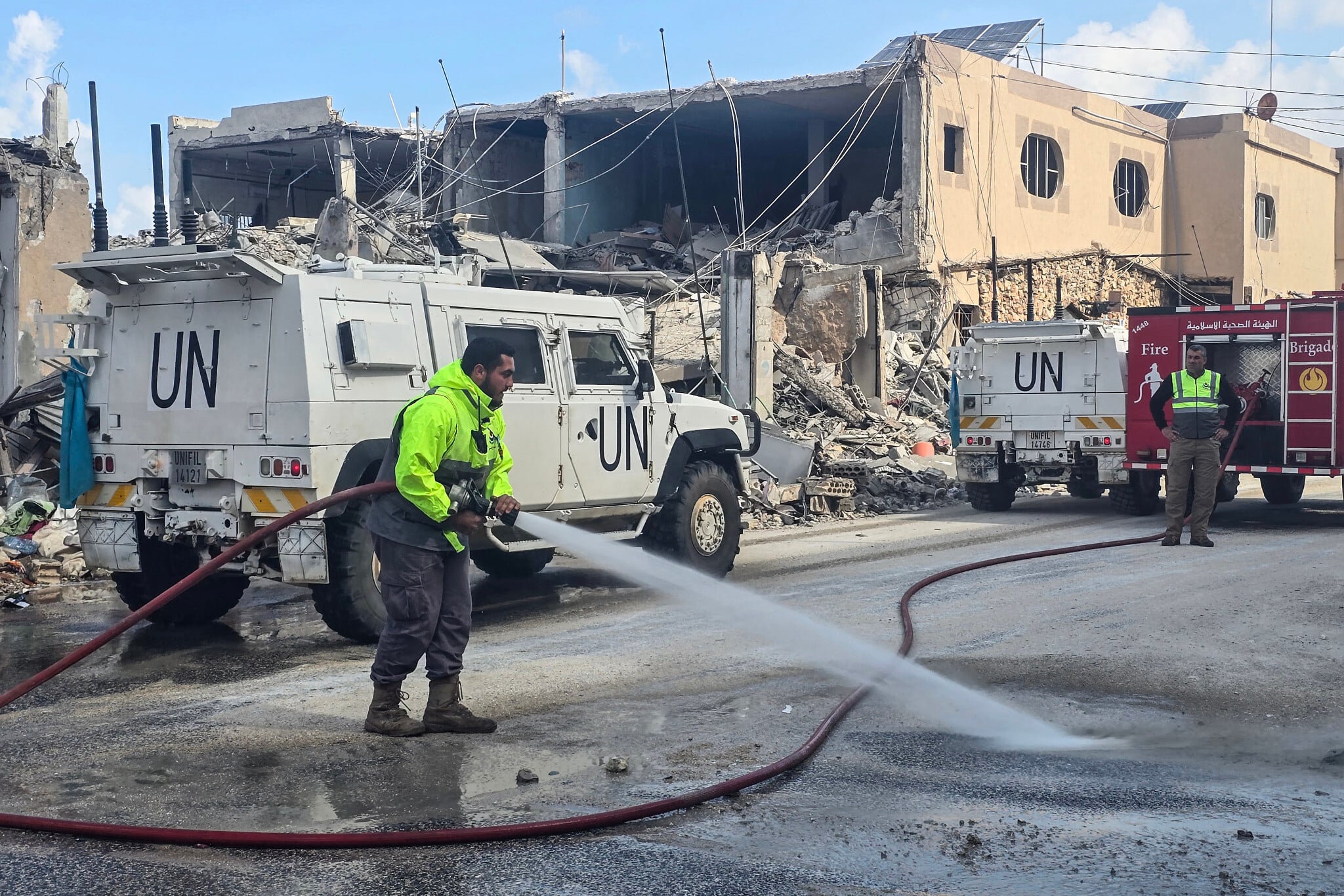
Israel’s military said on Tuesday it was also investigating the two incidents “in order to clarify the circumstances and determine whether they resulted from Hezbollah activity or from IDF activity.”
Jean-Pierre Lacroix, UN under-secretary-general for peace operations, strongly condemned “these unacceptable incidents,” adding that “all acts that endanger the peacekeepers must stop.”
Permanent Security Council member France said it was seeking a meeting of the body over the matter, while Spain also condemned the deadly attacks.
‘Direct’ attack
Lebanese President Joseph Aoun condemned “the targeting of peacekeeping forces” in a phone call with UNIFIL’s commander.
Aoun “continues to conduct multiple international contacts” in a bid to bring about talks with Israel, a statement from the presidency said.
UN special coordinator for Lebanon Jeanine Hennis-Plasschaert called in a statement for “an immediate truce to stop the devastation.”
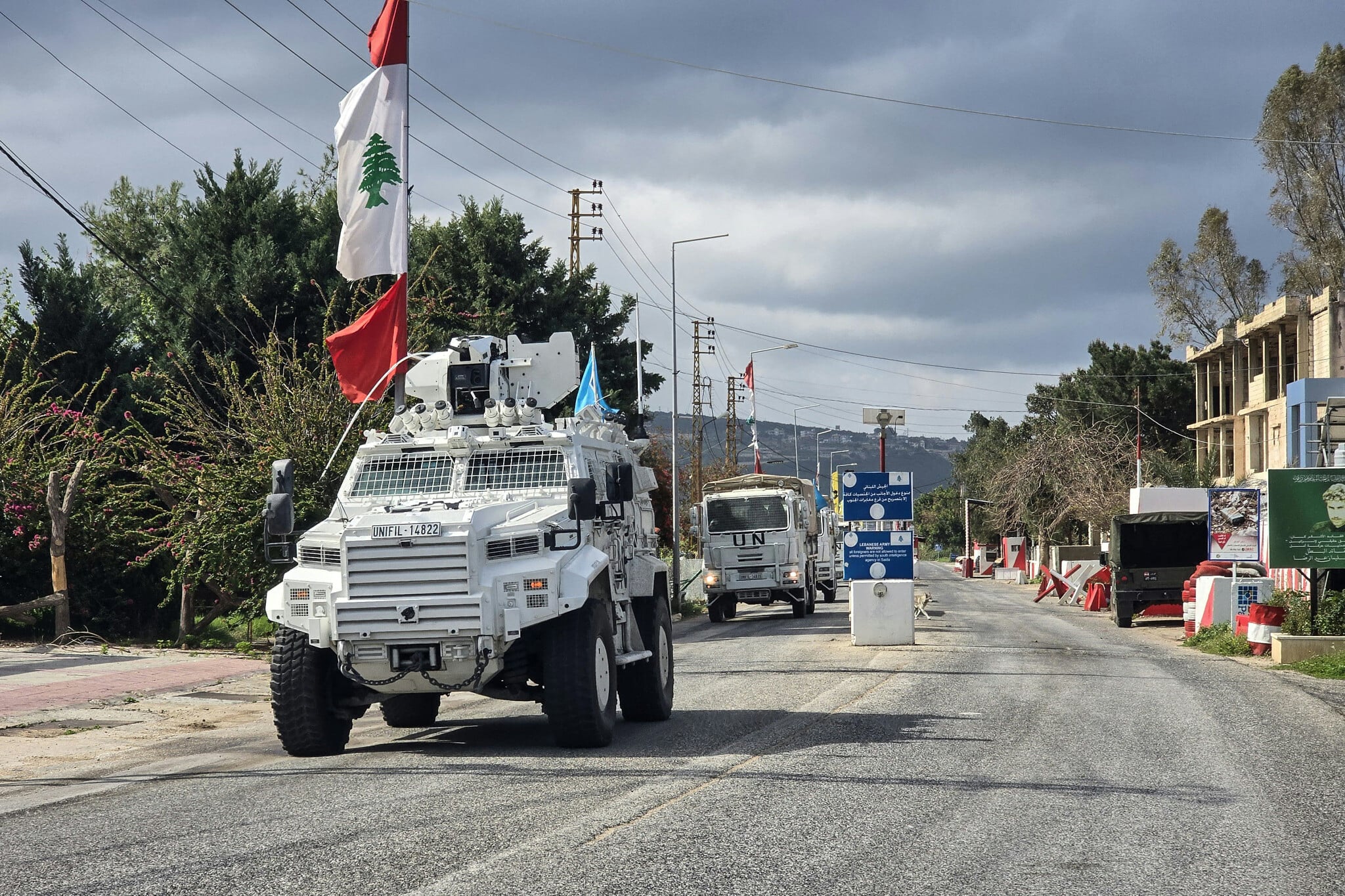
State media reported Israeli air strikes on south Lebanon, as well as in parts of the adjacent West Beqaa area, cutting roads in the region after Israel’s army issued an evacuation warning for several towns there.
The Lebanese army said one of its soldiers was killed in “a direct Israeli attack on an army checkpoint” in the south’s Tyre region.
A Lebanese military source told AFP the strike was the first direct targeting of an army checkpoint since the war began. The army had previously announced the deaths of eight off-duty soldiers in southern and eastern Lebanon.
IDF: Strike kills Hezbollah commanders who liaised with Palestinian terror groups
Also on Monday, two strikes hit Beirut’s southern suburbs, one targeting an apartment in the Bir Hassan district, according to an AFP photographer, who said Hezbollah gunmen then cordoned off the site.
The IDF said one strike in Beirut killed top Hezbollah commanders responsible for the coordination between the Lebanese terror group and Palestinian terror organizations.
The military said the strike in the Lebanese capital targeted and killed Hamza Ibrahim Rakhin, the deputy commander of Hezbollah’s Unit 1800, along with the unit’s chief of operations and another operative.
“Unit 1800 is the unit responsible for coordination between the Hezbollah terror organization and Palestinian terror organizations in Lebanon, Gaza, Syria, and Judea and Samaria (West Bank),” the IDF said in a statement.
The military said that as part of his role, the deputy chief of Unit 1800 also oversaw the deployment of Palestinian terror operatives in southern Lebanon to confront Israeli troops.
A Lebanese security source told AFP that three Hezbollah members were killed in the strike and three others were wounded.
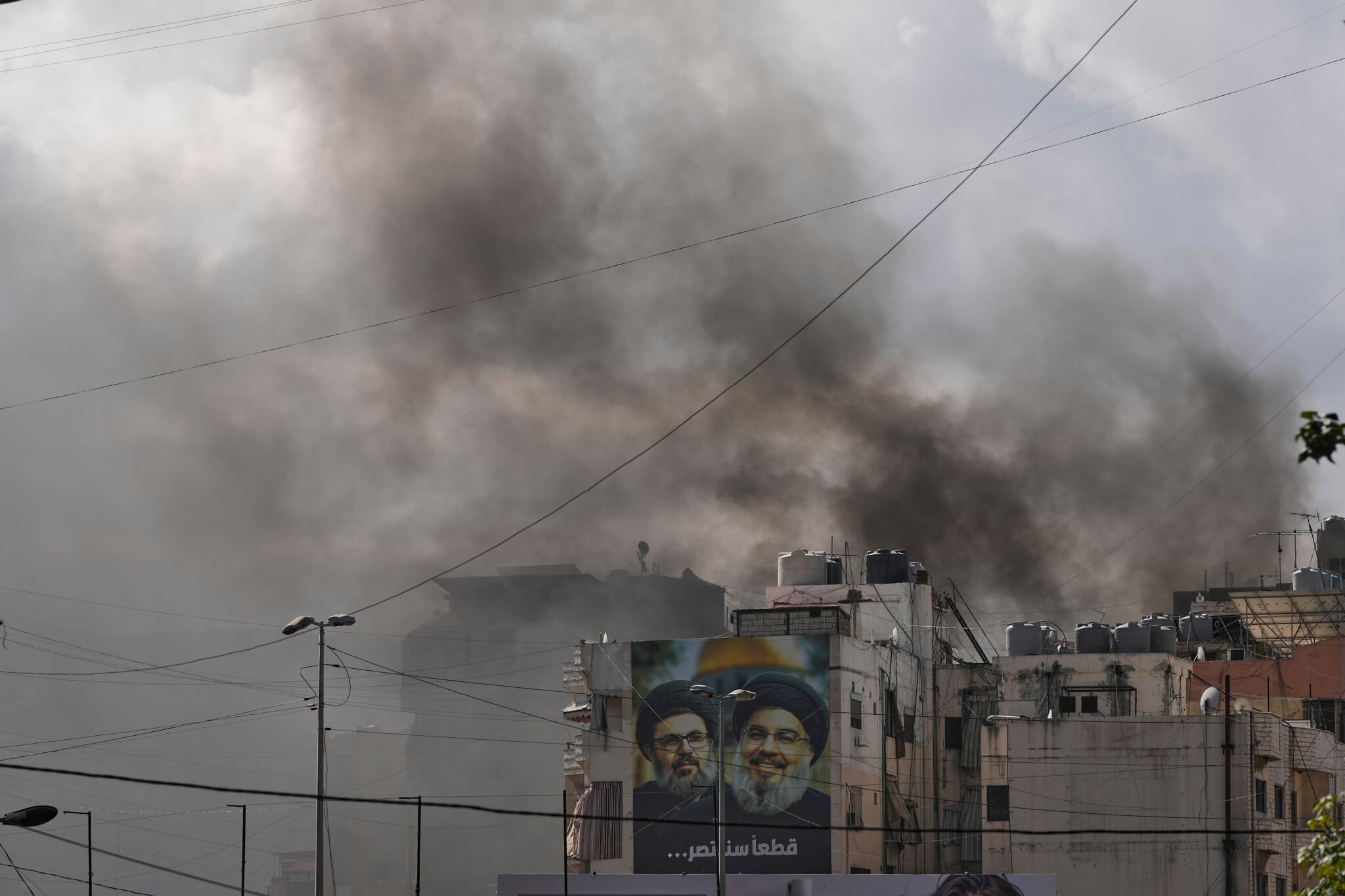
An eyewitness who declined to be identified said victims were evacuated following the strike, which came after an Israeli army warning for parts of Beirut’s southern suburbs, where most residents have fled.
The building is located in a residential neighborhood packed with shops and commercial establishments, several of which were damaged, the photographer said.
In other strikes in Beirut on Monday, the IDF said, it bombed Hezbollah headquarters and command centers.
Hezbollah, meanwhile, claimed a series of attacks against Israeli targets in south Lebanon and across the border, including one targeting an intelligence base on the outskirts of Tel Aviv.
The terror group also claimed its fighters were engaged in “fierce clashes” with Israeli forces in south Lebanon’s Ainata.
Ten IDF soldiers have been killed in southern Lebanon amid fighting against Hezbollah, including four on Monday. Two civilians have been killed by Hezbollah rockets, and an Israeli civilian was mistakenly killed in the north by Israeli artillery shelling.
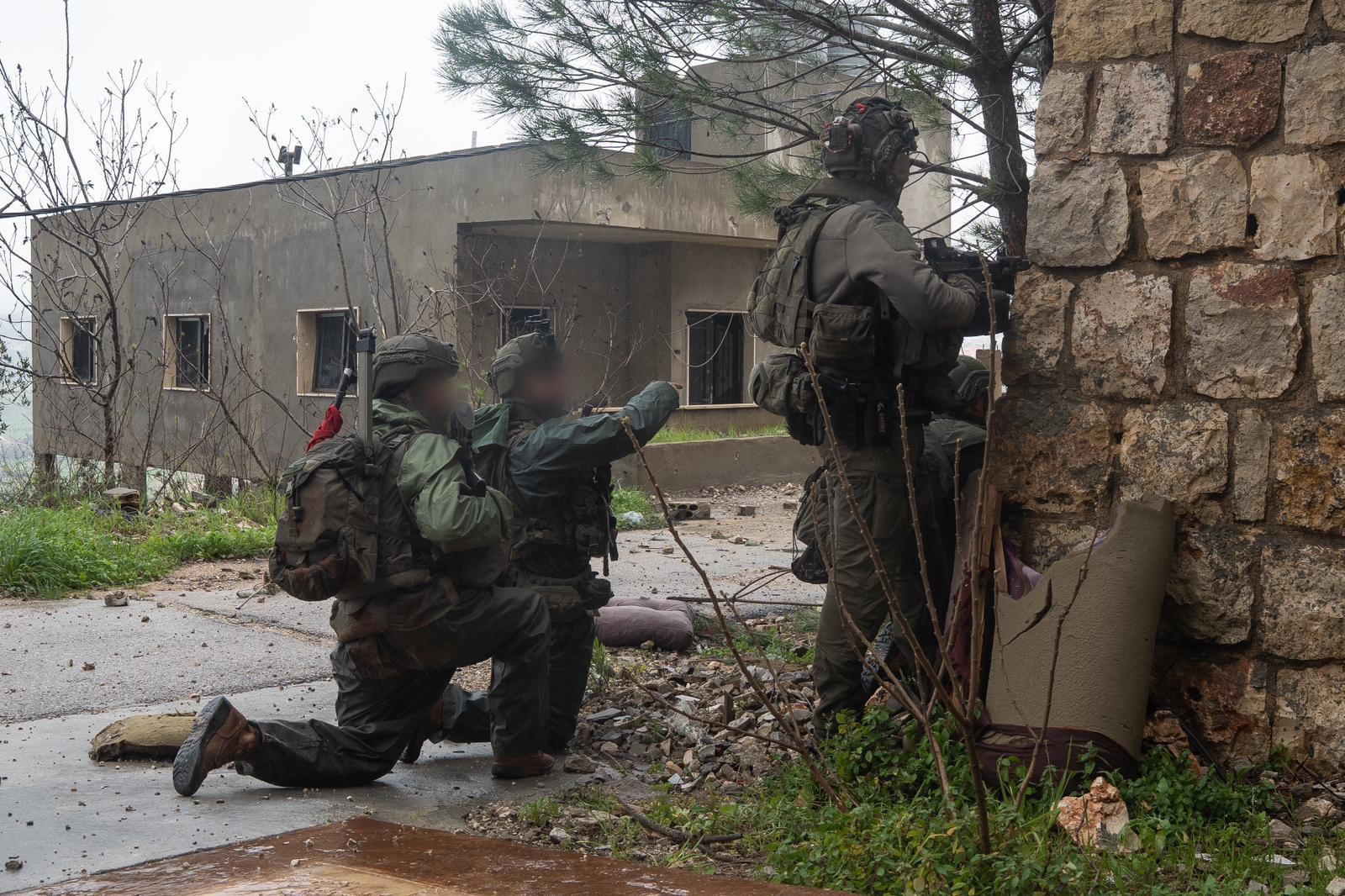
Hezbollah has been firing hundreds of rockets per day, according to the IDF. However, the vast majority of the daily rocket fire has been directed at Israeli forces operating in southern Lebanon, with only a few dozen projectiles crossing the border into Israel.
Israeli officials have said the IDF is establishing a demilitarized “security zone” in southern Lebanon up to the Litani River, until the threat of Hezbollah is removed.
The buffer zone would be controlled with surveillance and firepower, as well as ground troops in areas deemed strategically necessary, the military has said. Defense Minister Israel Katz has said he instructed the IDF to raze all buildings in the so-called “first line” of Lebanese villages close to the Israeli border, to ensure Hezbollah cannot use them to stage attacks on Israel.
Times of Israel staff contributed to this report.









The Times of Israel Community.