

A year of clashes and threats of war didn’t budge Gaza border communities’ vote
Towns surrounding the Palestinian enclave, which were hit by hundreds of rockets over the past year, mostly vote for centrist and left-wing parties, save for Likud-bastion Sderot
 Add ToI as a Preferred Source on Google
Judah Ari Gross is The Times of Israel's religions and Diaspora affairs correspondent.
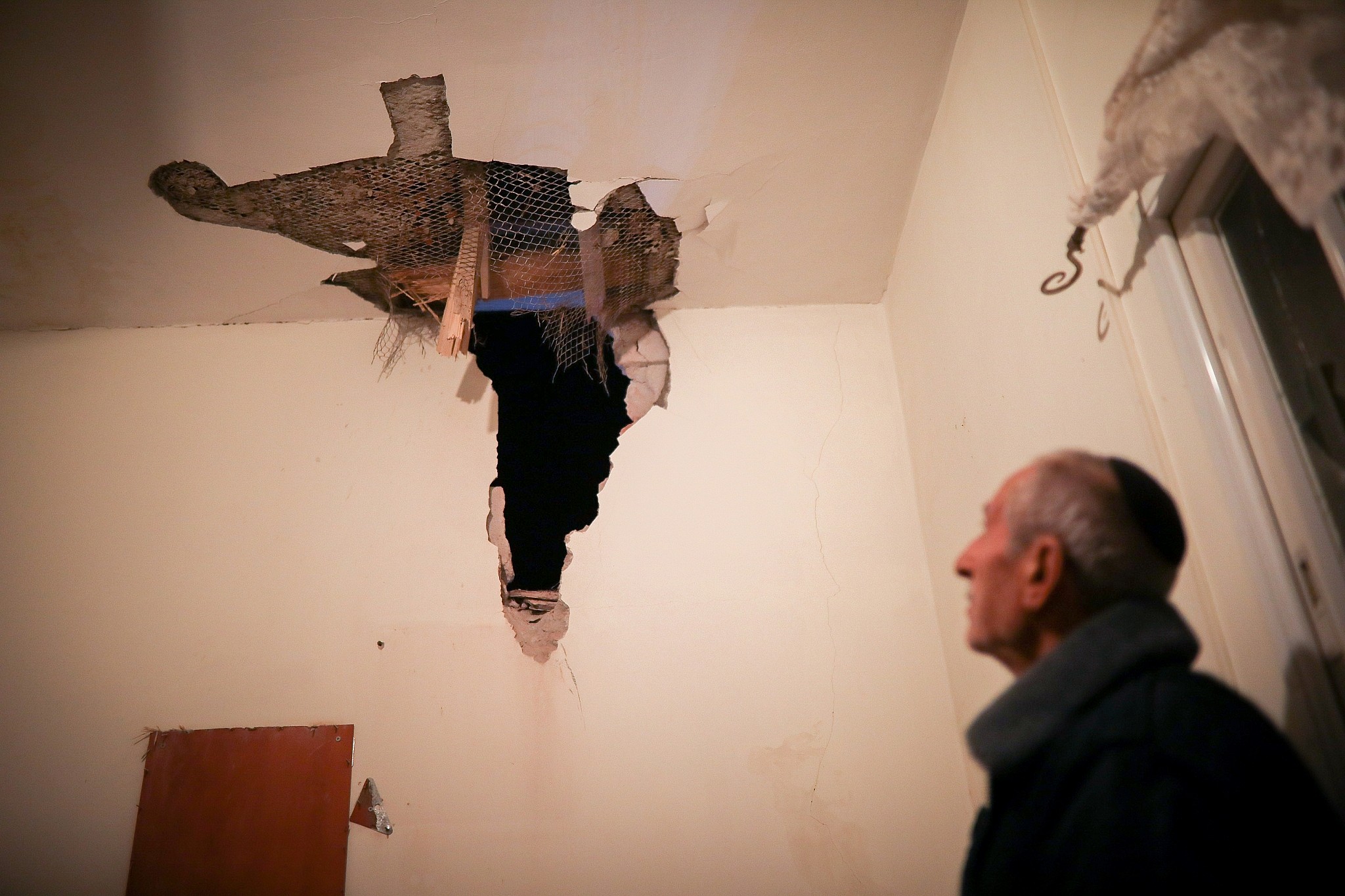
A year of rocket attacks, balloon-borne incendiary and explosive devices, and a near-constant threat of war did not appear to affect the voting habits of the tens of thousands of Israelis living in communities around the Gaza Strip in Tuesday’s national election.
The 56 communities that make up the area known in Israel as the Gaza envelope voted along nearly the same lines as they did in the 2015 elections.
The past year has seen heightened tensions on the Gaza border with regular riots along the security fence and the launching of thousands of airborne arson devices and explosives into southern Israel, which burned large swaths of farmland in the region last summer and forced farmers to harvest their crops early this year. Large-scale fighting also broke out on several occasions, with well over 1,000 rockets and mortar shells fired at Israel from the Strip, including one case in November that saw more than 500 projectiles launched during the two-day battle.
This situation prompted protests by residents and elected officials from the Gaza periphery, who complained of being abandoned by the government.
Yet this anger did not seem to translate into significant electoral shifts in the region.

According to the Central Elections Committee, on Tuesday, 38.3 percent of voters from these communities voted for centrist or left-wing parties: Labor, Blue and White, or Meretz. The Blue and White party leader, Benny Gantz, is a former IDF chief of staff who oversaw the 2014 war between Israel and Gaza terror groups.
In 2015, that same bloc earned 38.9% of the vote from the Gaza envelope.
There was a slightly greater difference in the voting patterns for right-wing parties between 2015 and 2019, but this appears to stem from changes within the conservative bloc, rather than shifts in the ideology of these voters.
This election saw the creation of Naftali Bennett’s New Right, the banding together of three distinct far-right parties into the Union of Right-Wing Parties and the dissolution of Eli Yishai’s Yachad party, as well as the appearance of Moshe Feiglin’s Zehut and Orly Levy-Abekasis’s Gesher party, both of which are difficult to pinpoint on Israel’s current left-right spectrum, but appeared to appeal to conservative voters.
This year, Likud, Yisrael Beytenu, URWP, Kulanu and New Right garnered just over half — 50.5% — of the vote from Gaza border communities, compared to the 54.5% of the vote those politicians and parties earned in 2015.
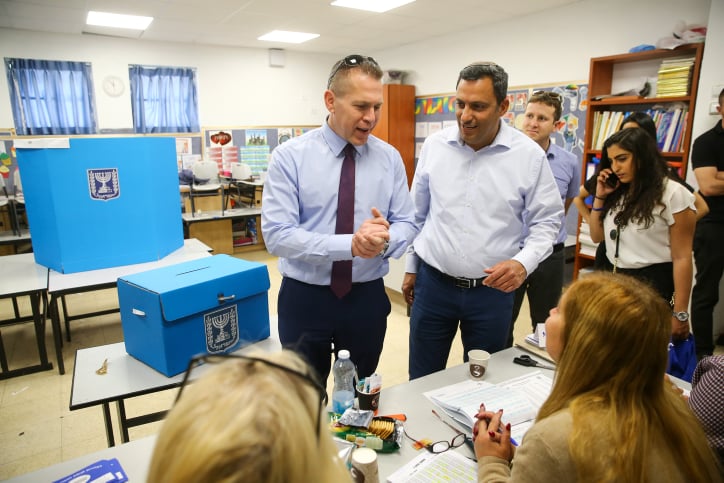
The town of Sderot, with its approximately 25,000 citizens or nearly half the population of the Gaza envelope, has long been a Likud stronghold and remained staunchly conservative in the elections, with more than two-thirds of its votes going to right-wing parties.
The other communities of the Gaza periphery voted mostly to the left and center, with a few notable exceptions, as they did in 2015.
Outside of Sderot, left-wing and centrist parties — Labor, Blue and White and Meretz — earned 58.3% of the vote, nearly the same amount as in the previous elections.
The exception to this was in the religious communities in the Gaza envelope, like Naveh and Bnei Netzarim, which voted overwhelmingly for URWP and other right-wing parties.
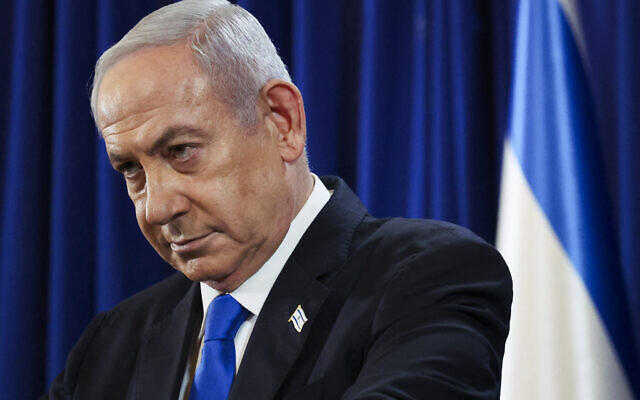
With over 97 percent of ballots counted, and his Likud party and fellow right-wing and religious parties appearing poised to secure a majority of Knesset seats, Prime Minister Benjamin Netanyahu emerged from Tuesday’s elections in the best position to muster a coalition.







The Times of Israel Community.