

After months of quiet, sirens wail again: Israelis spend Shabbat running in and out of shelters
Initial warning of US-Israeli assault had many jumping out of bed; millions repeatedly rush to protected spaces as Iran launches dozens of ballistic missiles in response
 Add ToI as a Preferred Source on Google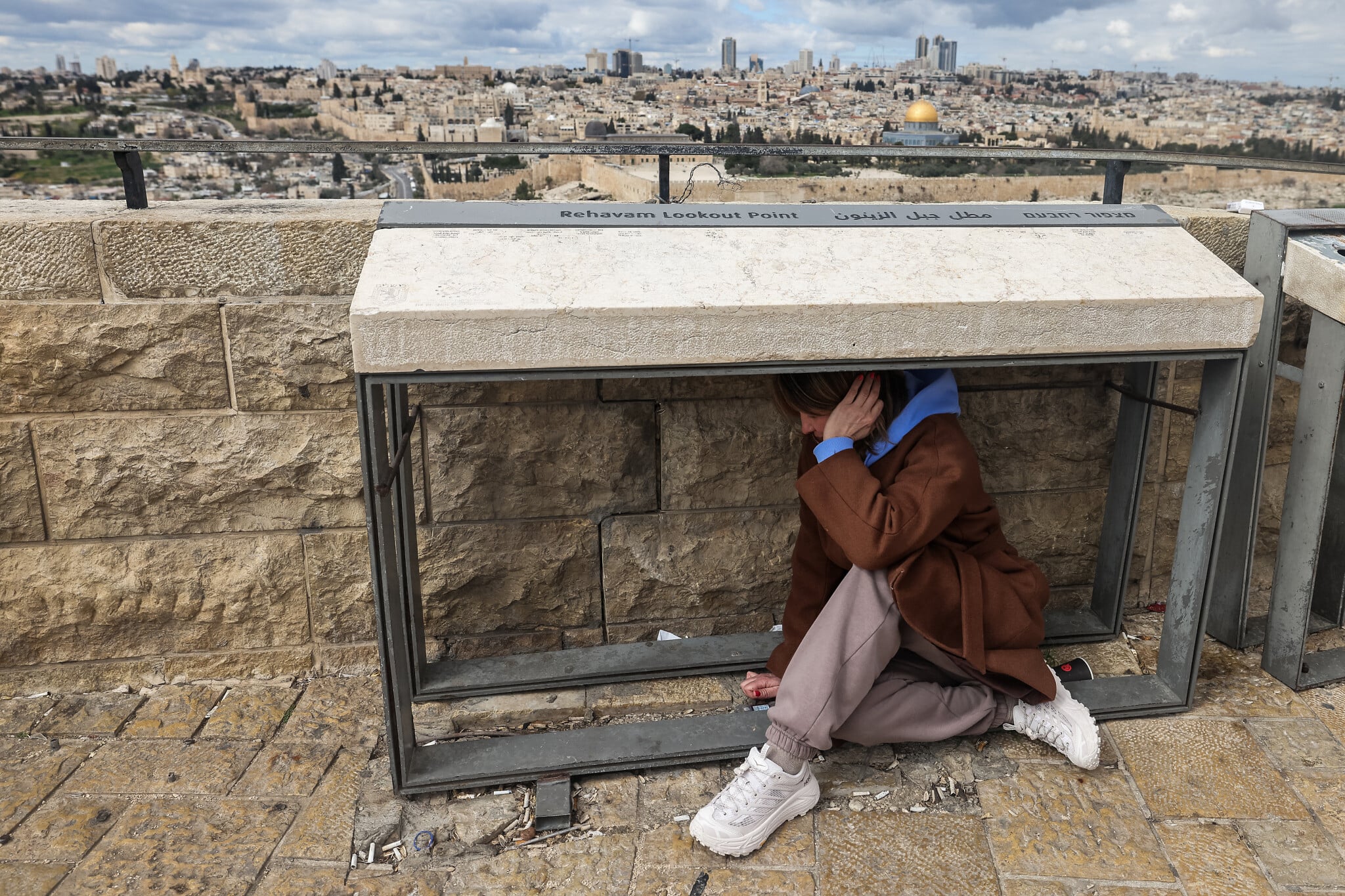
At 8:13 a.m. on Saturday, alert sirens cut through the morning quiet across Israel for the first time in months, warning millions to brace for expected Iranian missile attacks, as Jerusalem launched a long-anticipated strike on Iran along with US forces.
The wail of the sirens — which had become commonplace since October 7, 2023, amid missile attacks from Gaza, Lebanon, Iran, Yemen and other fronts, but which most Israelis had not heard since the October 2025 ceasefire in the Strip — sent the country’s populace rushing to shelters, many people jumping bleary-eyed from their beds on what would normally have been a slow Shabbat morning.
People soon realized that there was no danger yet: Israel’s defense establishment had activated the sirens to alert people to the start of the campaign, and to prepare them for the expected missile threat — as it did at the start of the June 2025 12-day war.
The population emerged from shelters, and there followed a tense few hours of quiet, as news came in of massive Israeli and American strikes on the Islamic Republic, which the nations’ leaders indicated was meant to topple the regime.
Beyond targeting senior Iranian leaders, the first wave of strikes apparently hit Iran’s missile array, delaying and limiting its capability to strike the Jewish state. Soon enough, however, Iran began to launch its available missiles, with alerts of actual attacks repeatedly sending millions in and out of protected spaces throughout the day.
For nearly two months, the public had been anxiously preparing for renewed conflict with Tehran. Widespread anti-regime protests across Iran, met with a brutal crackdown, were followed by US threats of military action. Iranian officials responded with counter-threats, warning that any American strike would prompt retaliation against Israel.
Negotiations between Washington and Tehran then pivoted to the nuclear program. Still, by Saturday, Iran had evidently failed to convince US President Donald Trump it was serious about reaching a deal acceptable to him.
As of Saturday afternoon, at least 40 ballistic missiles were fired from Iran toward Israel in a series of limited barrages, according to preliminary IDF assessments.
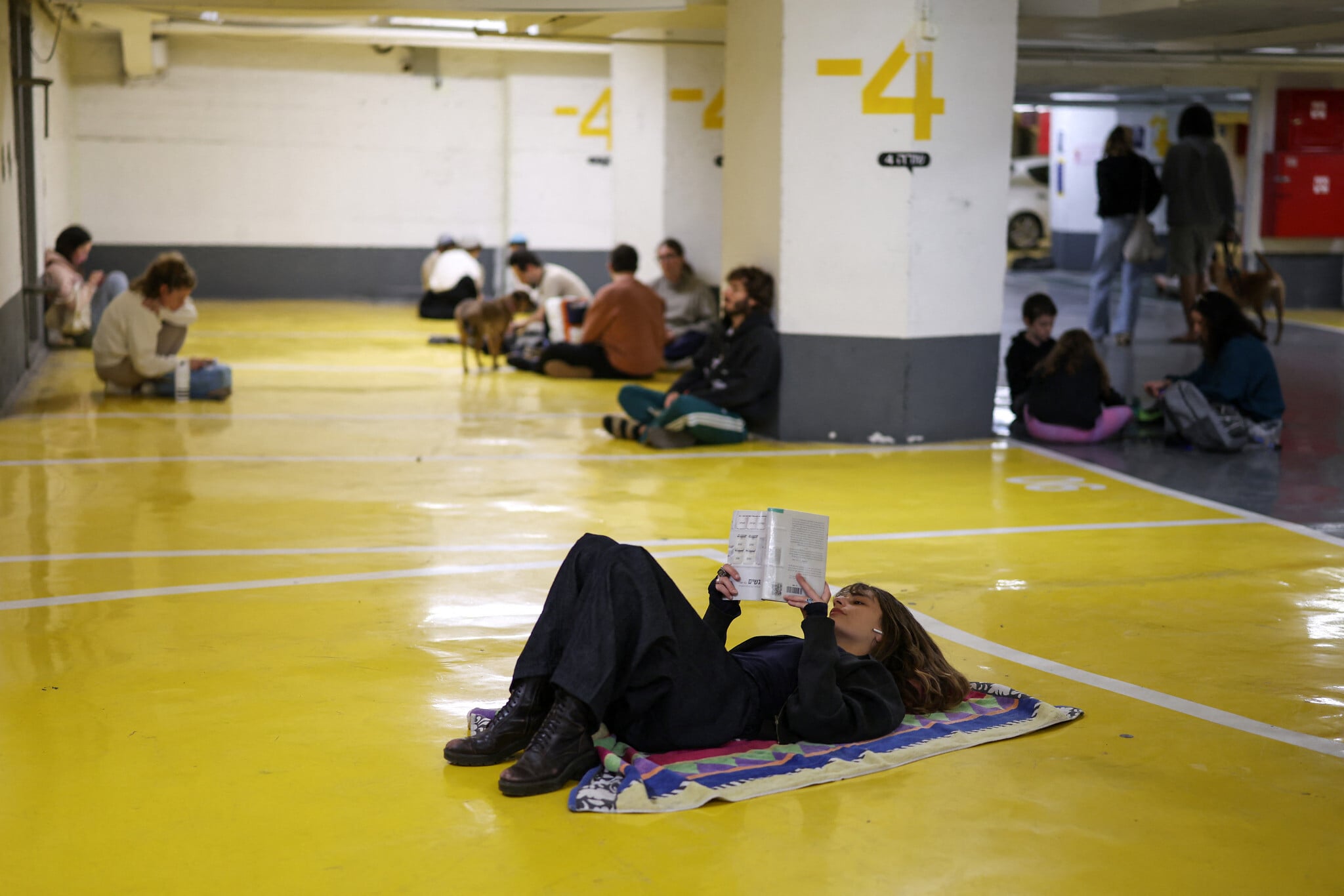
Air defense systems intercepted several of the projectiles, while others struck open areas. There were also reports of missile and interceptor fragments landing across the country.
The barrages were so far much smaller than those Iran launched at Israel during the June 2025 conflict, when it often sent many dozens of missiles at a time to overwhelm Israel’s defenses. Whether this was a result of the damage done to Tehran’s capabilities during that war, an outcome of Saturday’s initial Israeli-American assault, a product of confusion in Iranian ranks, or some combination of the above, was not immediately known.
A man in his 50s was lightly injured in northern Israel during the attacks, medics said. The Magen David Adom ambulance service said he was hurt after falling into a hole created by missile fragments.
???????????? BREAKING: One lightly injured after missile shrapnel hit a building in Israel’s Coastal District. Searches underway for possible trapped individuals, no fire reported.
*The publication has been approved by the military censor. pic.twitter.com/PYVUVctjGM
— נועה מגיד | Noa magid (@NoaMagid) February 28, 2026
Others were treated after falling while running to shelter or for acute anxiety, MDA added.
In response to the escalation, the Home Front Command announced that all large gatherings were prohibited until further notice. Several Purim events scheduled for the weekend were canceled, and anti-government protest groups said they were calling off their weekly Saturday night demonstrations.
“We support the fighters and all security forces in protecting the State of Israel,” protest group Hofshi Be’Artzenu (Free in our Land) said, calling on all Israelis to follow IDF directives.
Ben Gurion Airport also announced it was halting operations until at least Monday, leaving countless Israelis stranded abroad and foreign nationals stranded in Israel as the airspace situation remains uncertain.
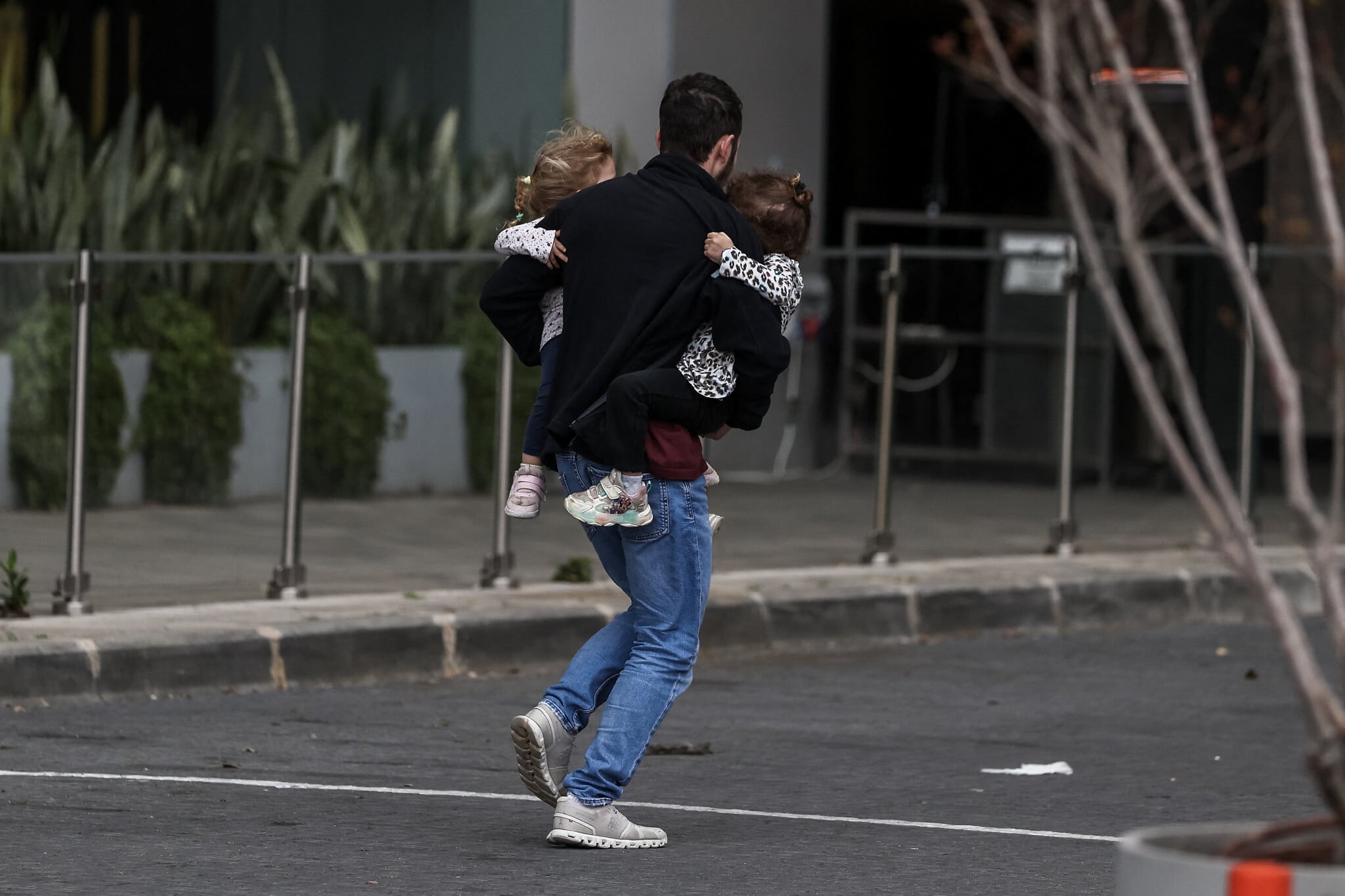
Upon the initial red alert on Saturday morning, residents of several cities across Israel, including Givatayim, Herziliya, Holon, Hadera and Givat Olga, complained of locked public bomb shelters, according to Hebrew media reports.
Channel 12 reported that the Home Front Command’s instruction to open the shelters only reached local authorities on Saturday morning, with many municipalities not having time to open them before alarms sounded.
Videos circulating online showed Israelis huddled in public shelters — sharing snacks, trading nervous jokes, and in some cases joining together in song as they waited out the threat.
Joy and stoicism in the bunkers of Tel Aviv right now as Israelis await the incoming Iranain retaliation that everyone knew would come. Praying and singing. Booms in the background. pic.twitter.com/iG4Wr2ipNJ
— Saul Sadka (@Saul_Sadka) February 28, 2026
In one protected space in Tel Aviv, a local synagogue congregation continued its Saturday morning prayers as sirens blared and the normally bustling streets outside fell abruptly silent.
Others sought refuge in less conventional shelters, including nearby underground light rail stations and parking garages, descending below street level in search of deeper protection.
“We don’t have a shelter in our building,” Yael, a mother of two young children who arrived at Tel Aviv’s Allenby Station, told Israel Hayom. “We live near Rothschild in an old apartment without a reinforced room. Every time there’s a siren, we run to the stairwell, and it doesn’t feel safe enough. Here, underground, I feel the children are more protected.”
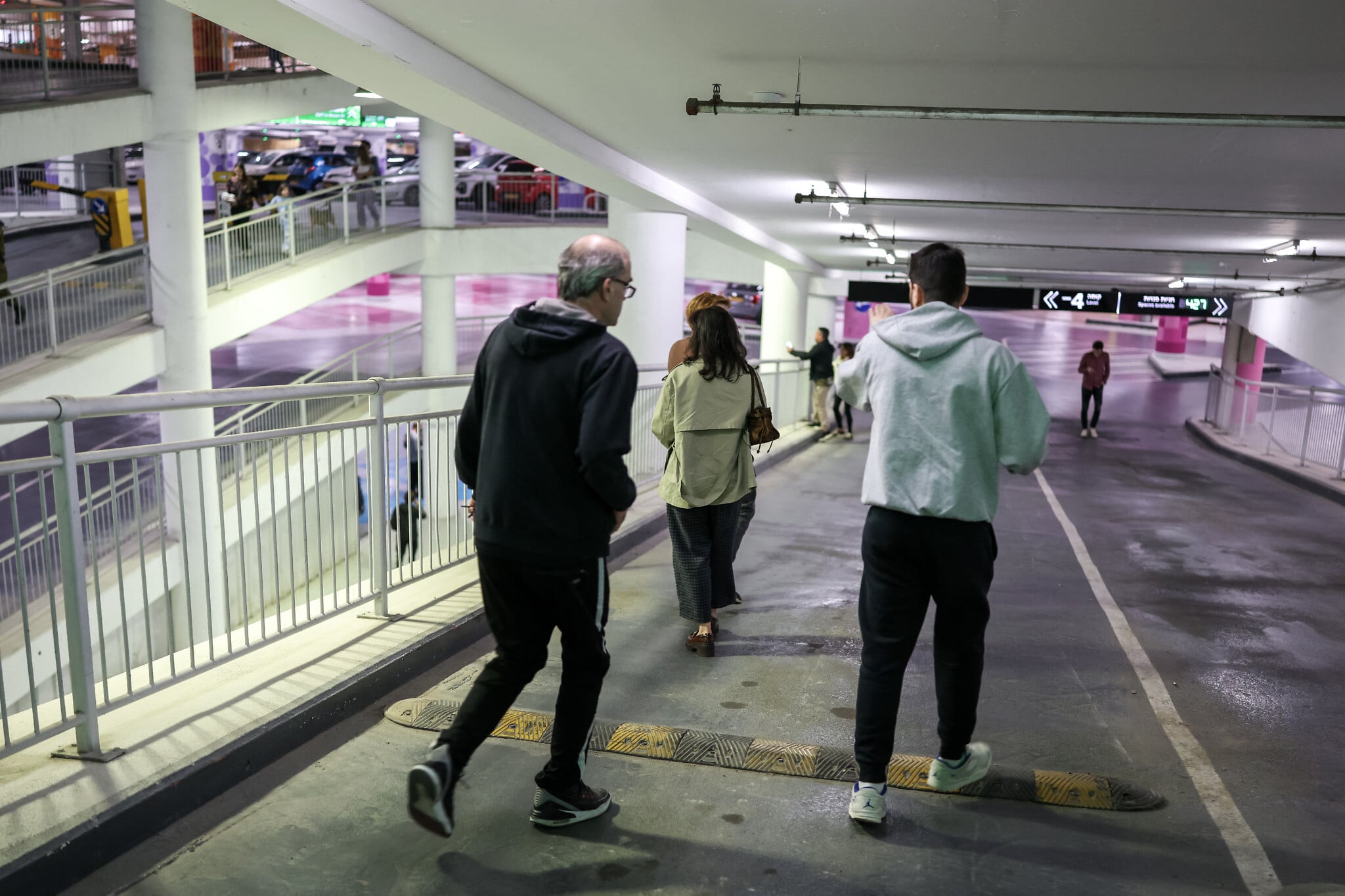
“I live alone on the third floor without an elevator and without a shelter,” Moshe, 78, told the news outlet. “Going down every time there’s a siren is almost impossible for me. My daughter brought me here. It’s not home, but it gives peace of mind.”
Meanwhile, medical centers around Israel switched to emergency mode, according to Health Ministry directives, and moved critical patients and operations to underground complexes or are operating in protected spaces, warning that only emergency patients should visit.
Dr. Oshrat Fono at Petah Tikva’s Beilinson issued a video from the hospital’s fortified ward, saying patients able to go home have been released, while most others have been moved there.
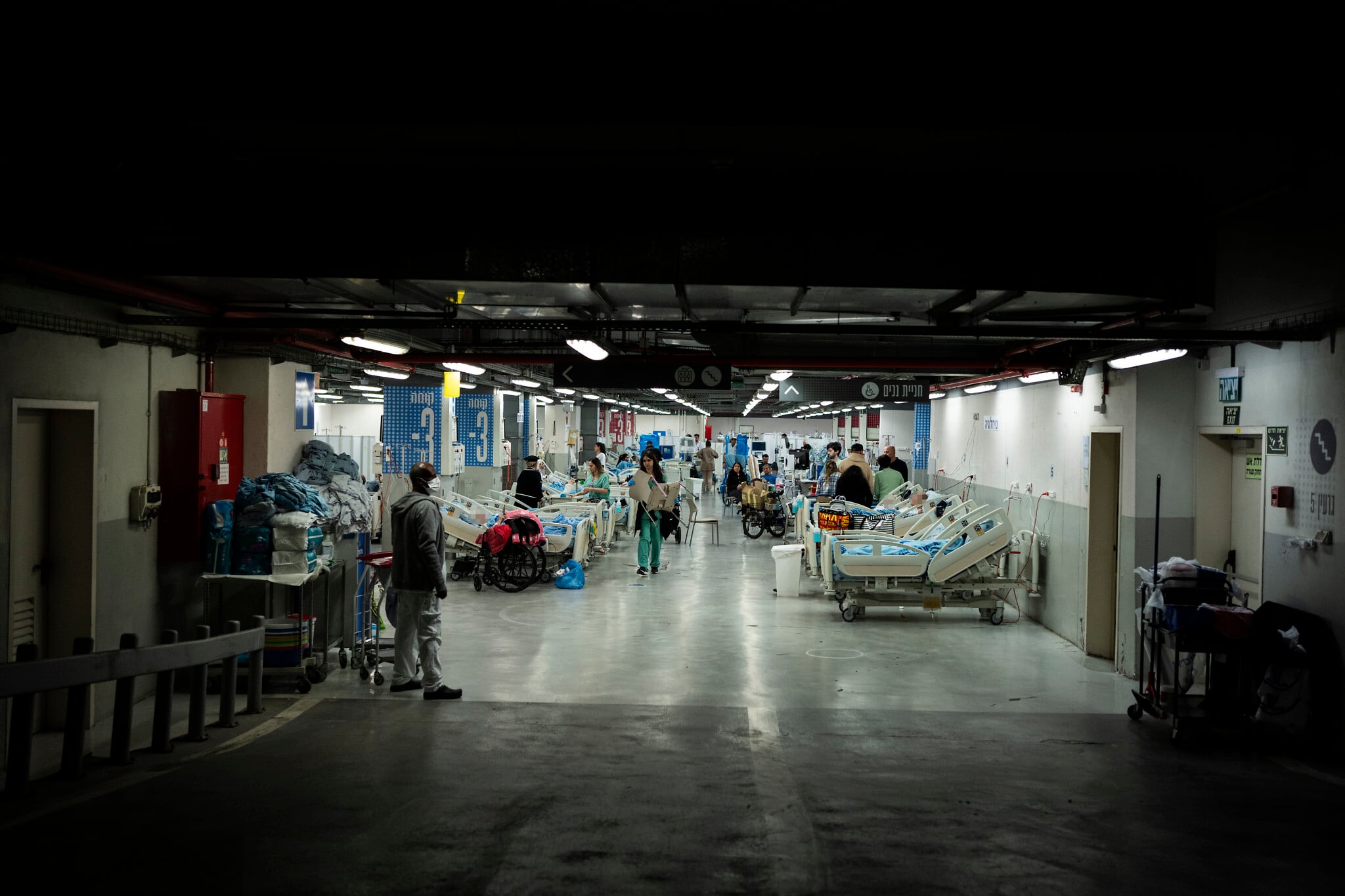
“The hospital has already begun processes of descending to the emergency parking lot, where an emergency hospital has been opened inside a large bunker capable of accommodating a large number of patients,” said Dr. Lena Koren Feldman, director of Rabin Medical Center. “Patients who do not have to come to the hospital should not come.”
“All of our Medical Center staff reported promptly and in record numbers,” said Prof. Masad Barhoum, director of the Galilee Medical Center in Nahariya. “We are prepared for every scenario and are taking all necessary measures to safeguard our patients and our teams.”






The Times of Israel Community.