

Annual food waste amounts to thousands of shekels per household – report
Leket Israel survey finds nearly half of food lost in 2023 was edible, could have fully met country’s nutritional needs
 Add ToI as a Preferred Source on Google
Sue Surkes is The Times of Israel's environment reporter
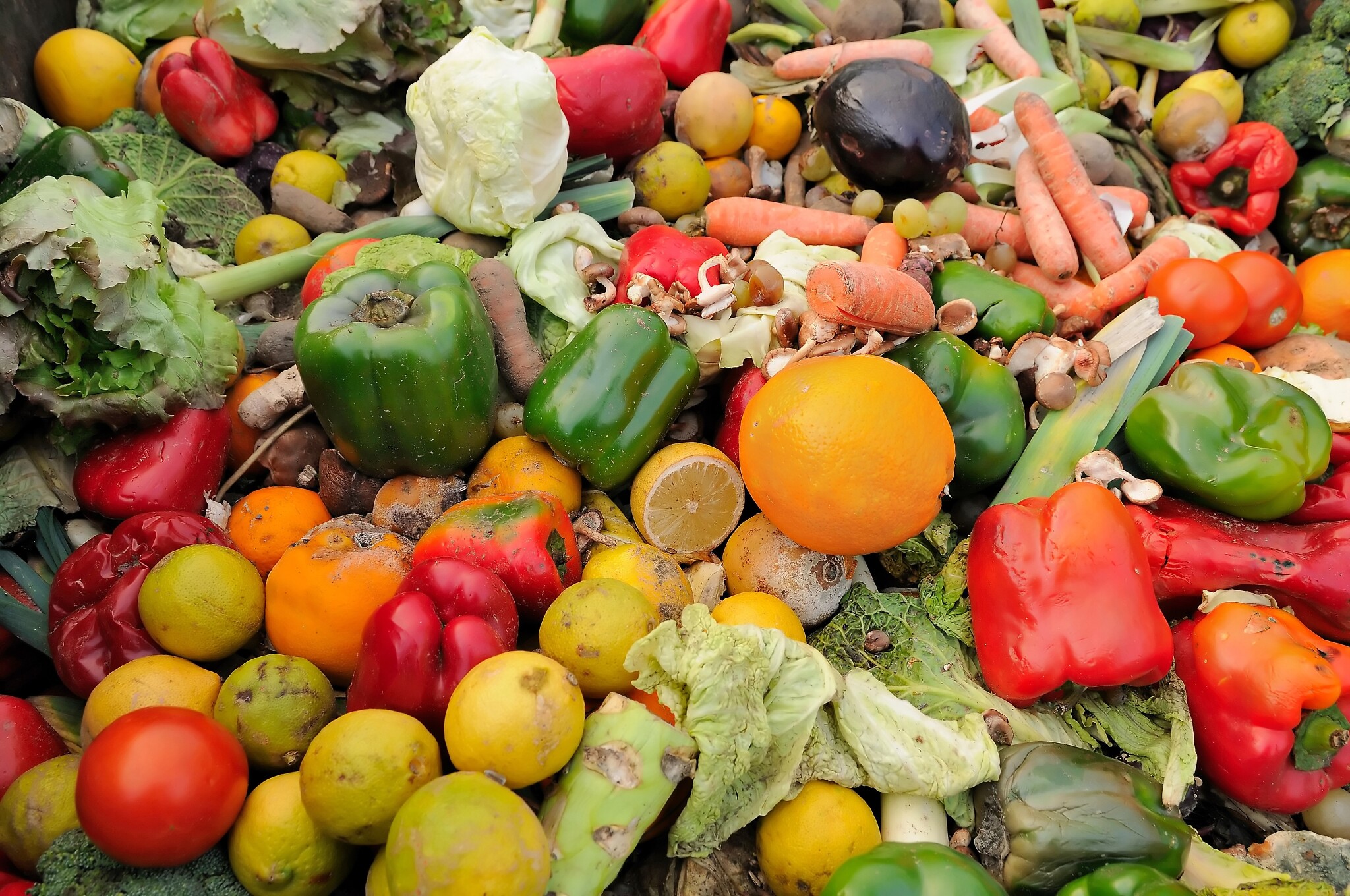
Food loss and waste added an average of NIS 10,200 ($2,775) to each household budget in 2023 as families struggled to cope with cost increases linked to the war against Hamas in Gaza, according to the latest annual food waste report, published Monday.
Chen Herzog, chief economist at BDO Consulting, which wrote the report, said that food waste worth NIS 24.3 billion ($6.6 billion) equaled nearly a fifth of Israel’s increased defense budget.
“The cost of food waste ultimately falls on the public and adds to the growing economic burden caused by the war,” he said.
The report said that nearly half of the lost and wasted food — 1.2 million tons worth NIS 8.6 billion ($2.3 billion) — was edible and, if distributed, could have fully met the nutritional needs of the population, particularly vulnerable communities, while also helping to reduce the growing social disparities across the country.
The food lost and wasted in 2023 was three percent more than in 2022 and represented about 38 percent of the country’s total food production and 1.3% of its GNP, according to the report, commissioned by the food rescue organization Leket Israel—the National Food Bank, in partnership with the ministries of environmental protection and health.
The war that began with Hamas’s invasion of Gaza border communities on October 7, 2023, in which 1,200 were killed and 251 were abducted to the Gaza Strip, threw Israeli agriculture into turmoil. Around 32% of the country’s agricultural land is located in the conflict zones in the north and south. During the first months of the war, 228,000 tons of agricultural produce were lost as fields were declared closed military zones and thousands of foreign farmhands went home.
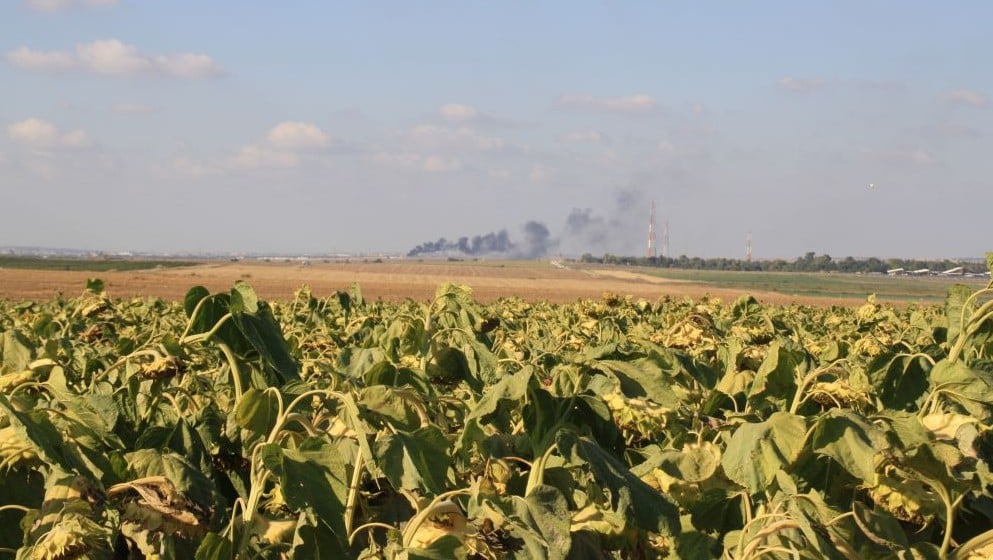
The result, according to the report, was that the number of Israelis living with food insecurity (defined as an inability to access sufficient nutritional food) grew from 1.4 million in 2022 to 1.5 million in 2023.
Moshe Bar Siman Tov, the director-general of the Health Ministry, said the increase in food-insecure people added around NIS 370 million ($100 million) to the health budget.
The report, based on Central Bureau of Statistics figures, also emphasized that two million tons of food waste and packaging were discarded, costing NIS 1.6 billion ($435 million) in lost natural resources, NIS 1.6 billion ($435 million) in greenhouse gas and air pollutant emissions, and NIS 9 million ($2.4 million) in waste management.
BDO calculated that every dollar invested in food rescue could save $3.6 worth of food, $4.2 for the national economy (when environmental, transportation and distribution costs were included), and $10.3 when the health benefits of providing nutritious food to the vulnerable were added.
Leket CEO Gidi Kroch said the war had underlined the need to integrate food rescue in building national resilience.
The Agriculture Ministry is leading an inter-ministerial initiative to create a National Food Security Plan for 25 years.









The Times of Israel Community.