

As investors dry up, national biotech hub aims to transfuse early-stage drug funding
Top academic and healthcare institutions partner to build $500 million non-profit venture to turn promising biotech research into startups that can bring lifesaving cures to market
 Add ToI as a Preferred Source on Google
Sharon Wrobel is a tech reporter for The Times of Israel
Israel’s academic institutions and healthcare organizations have long been recognized for their talent pipeline and scientific biomedical research. Yet for all their promise, many potentially life-saving technologies born in research institutions languish in academic labs, struggling to spin out into viable biotech startups and ultimately reach patients.
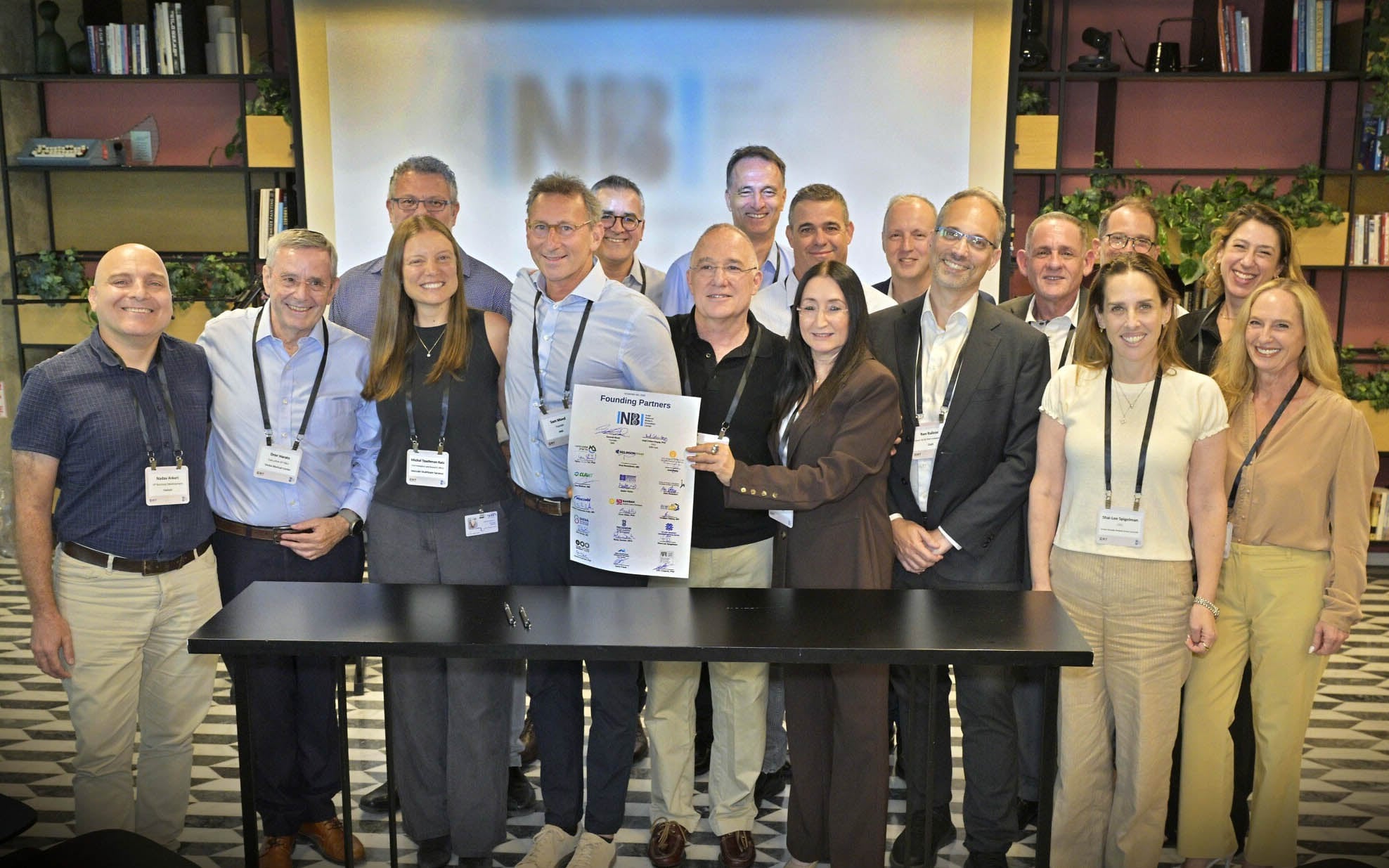
A new venture launched Sunday in partnership with 15 major Israeli universities, healthcare institutions, and medical centers from across the country aims to turn Israel into a competitive biotech hub by bridging the critical gap between academic discovery, financing, clinical application and commercial viability of new medicines.
Designed as a non-profit, the Israel National Biotech Innovation Center, or INBI, aims to advance and commercialize disruptive biomedical research, driving the development of new therapies and human cures.
“From an academic research point of view in life sciences, Israel is a very strong player in the world, on a par with major global hubs in Germany and the UK and some of the major hubs in US cities — not in quantity, but in quality,” INBI chairman Samuel Moed told The Times of Israel. “But great research is languishing in labs as Israel has been challenged to translate the potential that sits inside of academic institutions into a steady flow of world-class investable biotech companies.”
“If you compare Israel to other hubs, Israel is producing roughly 50 percent of the potential value from academia to early biotech venture formation,” Moed remarked.
Though medical advances can be extremely lucrative, developing new therapies can be risky, costly and take years longer than other technologies to bring to market. That makes biomedical firms especially choosy about what they invest in, leaving potentially lifesaving cures orphaned.
Moed said INBI is in the process of raising $500 million from philanthropic bodies in Israel and abroad for a 10-year program to fund cohorts of about 10 early-stage biotech projects a year.
The cohort of Israeli pre-clinical biomedical research programs will be selected from the 15 partners, which include Bar-Ilan University, Ben-Gurion University of the Negev, The Hebrew University of Jerusalem, The Technion – Israel Institute of Technology, Tel Aviv University, The University of Haifa and the Weizmann Institute of Science.
Also partnered in the venture are the Maccabi and Clalit health maintenance organizations, as well as Rambam Health Care Campus, Shaare Zedek Medical Center, Sheba Medical Center, Beilinson Hospital — Rabin Medical Center, Hadassah Medical Center, and Tel Aviv Sourasky Medical Center (Ichilov).
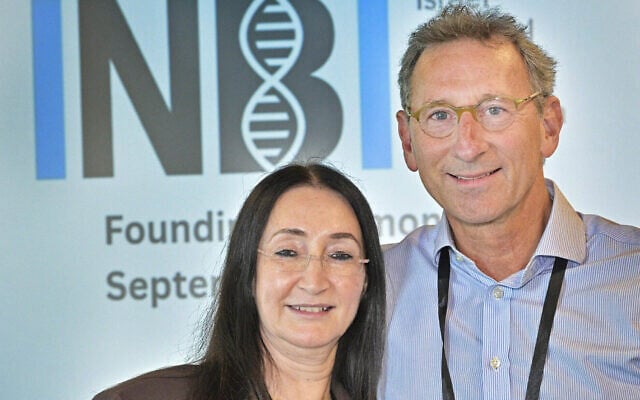
Alongside Moed, a former head of corporate strategy at US drugmaker Bristol Myers Squibb, INBI will also be led by Dr. Anat Cohen-Dayag, chairperson of Israeli drug discovery company Compugen.
Previously, Cohen-Dayag served for 15 years as president and CEO of Nasdaq-listed Compugen, where she led the firm’s transformation from a computational biology service provider to a clinical-stage drug discovery and development company in the area of cancer immunotherapy.
“Israel possesses world-class academic research, yet only a fraction of this potential successfully translates into scaled economic value and patient impact,” said Cohen-Dayag. “Our model was created to fundamentally change this dynamic.”
“By building a centralized translational engine we will supply the tools, infrastructure, knowledge, expertise, and capital needed to transform disruptive discoveries into potential global lifesaving therapies,” Cohen-Dayag added.
Moed said INBI’s structure was adapted from models developed by global biotech hubs established to harness and advance academic and public research in other areas, such as the Cambridge, Massachusetts-based Broad Institute, a non-profit biomedical research center run in partnership with MIT, Harvard University, and affiliated hospitals.
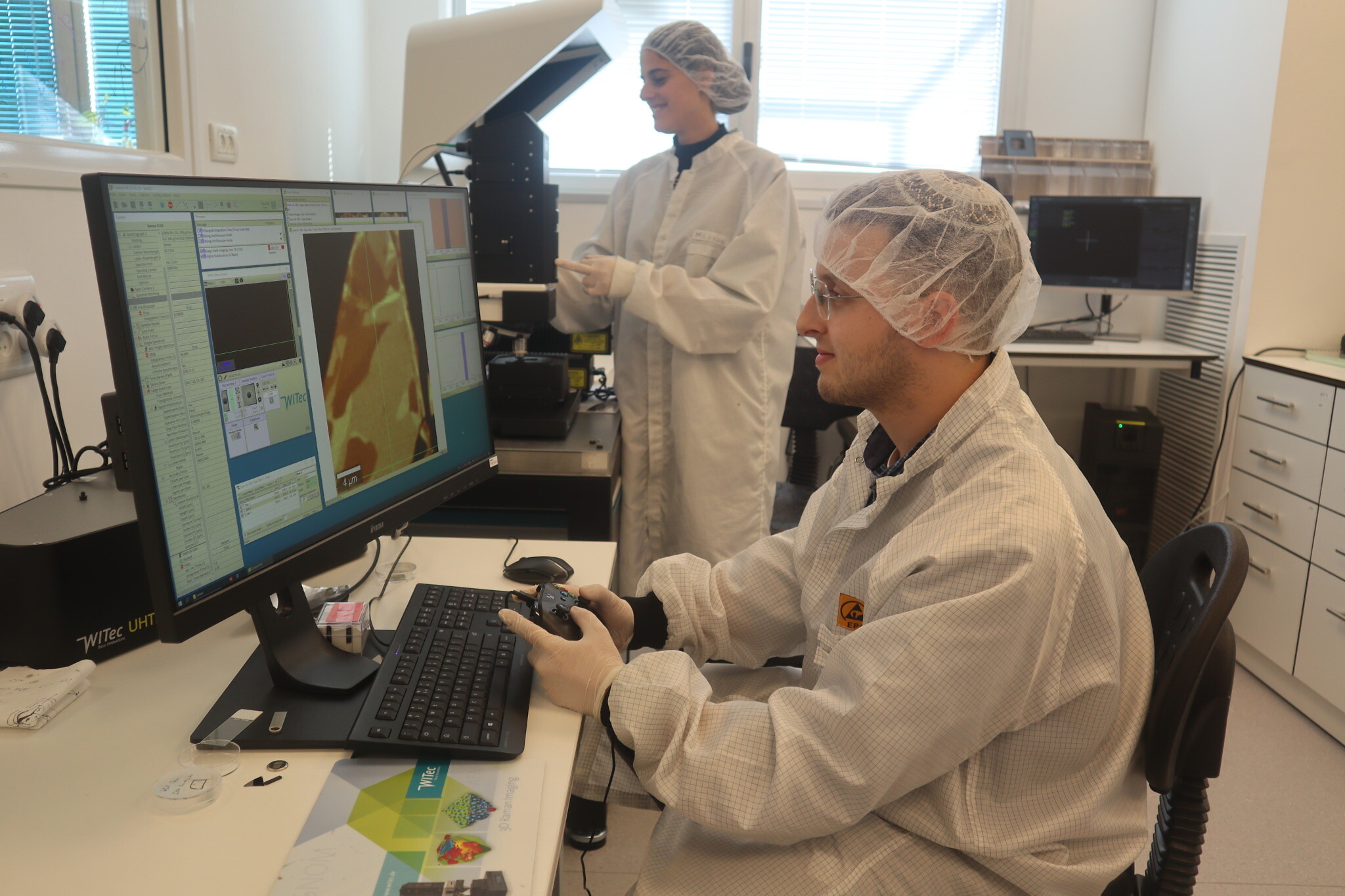
“Biotech is still a relatively immature sector in Israel, and there have been relatively few biotech companies that have been funded globally and turned into successes,” said Moed. “There is a pretty shallow level of expertise in this critical stage of translation from academia to venture formation.”
The new center plans to house lab facilities and a group of local and global experts who will provide know-how and expertise in financing, scientific validation, and drug design and development.
The new initiative comes as money for biomedical research in Israel has shown signs of drying up. Investment in local healthcare and biotech startups last year plunged to the lowest level in five years, after a slight recovery seen in 2024, according to data by the Israel Advanced Technology Industries Association, the Israel Innovation Authority and PwC Israel. While investment in health tech companies declined, overall investment in Israeli tech startups and firms increased in 2025, according to data by Startup Nation Central, which tracks the local tech ecosystem.
Health tech (covering digital health, medical devices, and pharma and biomedicine) constitutes about 20 percent of the Israeli tech ecosystem, employing some 81,000 people, according to Startup Nation Central.
Approximately 30% of health tech firms in Israel are in the biomed sector, which accounts for more than half of the 81,000 employees in the healthtech industry, data shows.
In 2025, 67 health tech companies were established in Israel, the lowest number since 2023.
The nature of the health tech industry, which has rigorous regulations and standards, makes the sector an especially tough business environment for researchers who may want to bring what seems like a promising advance to market.
Complicated science, decade-long development and testing stages, and stringent rules around marketing and quality standards all require extensive funding, not to mention the possibility that potential cures end up with too low efficacy and have to be shelved.
“By definition, technologies that come out of the university are very early stage and finding that initial check in order to establish a company, or continue sometimes the research and certainly the development of the product, is nowhere more difficult than biotech, because the amount of investments typically needed for bringing a therapeutic technology drug to the market is large,” said Josh Peleg, CEO of BGN Technologies, the technology transfer company of Ben Gurion University.

Many universities have tech transfer companies to manage the intellectual property assets of researchers and commercialize their science , though they too struggle in the biomedical space.
“In biopharma projects, we did a lot of very good research and had some very high-end publications, but to translate that into a company is very difficult,” said Peleg. “For biotech, there has been a decrease over the years in funding and startups that have been able to succeed in the sphere despite the tremendous amount of talent and research that’s going into it.”
Peleg explained that venture capital investors have been shying away from very early-stage technologies, which are perceived as high-risk investments, and instead are parking funds with more solid, later-stage companies and are making follow-on investments.
“As a nation, government policy went toward advancing cyber, a tremendous growth engine for the economy, but in biotech the effort also needs to be directed from a national level to create labs and allow for sufficient investment,” said Peleg. “There haven’t been such programs for biotech coming from the government as there have been other areas such as cyber that have been easier to support, in terms of the time to market products and the return on investment.”
“So, when the government isn’t going to do it, then the private sector needs to come in with these types of initiatives,” he added.
Over the past decade, success stories coming out of university research include companies such as Nasdaq-listed Alpha Tau Medical Ltd., a developer of radiation therapy, whose technology was initially developed by Prof. Itzhak Kelson and Prof. Yona Keisari from Tel Aviv University.
Another is the 2017 sale of Israel’s NeuroDerm to Japanese giant Mitsubishi Tanabe Pharma for $1.1 billion in cash, the largest-ever acquisition of an Israeli biotech company at the time. NeuroDerm originated from research at Ben Gurion University led by Professor Eli Heldman, one of the founders of the biotech firm.
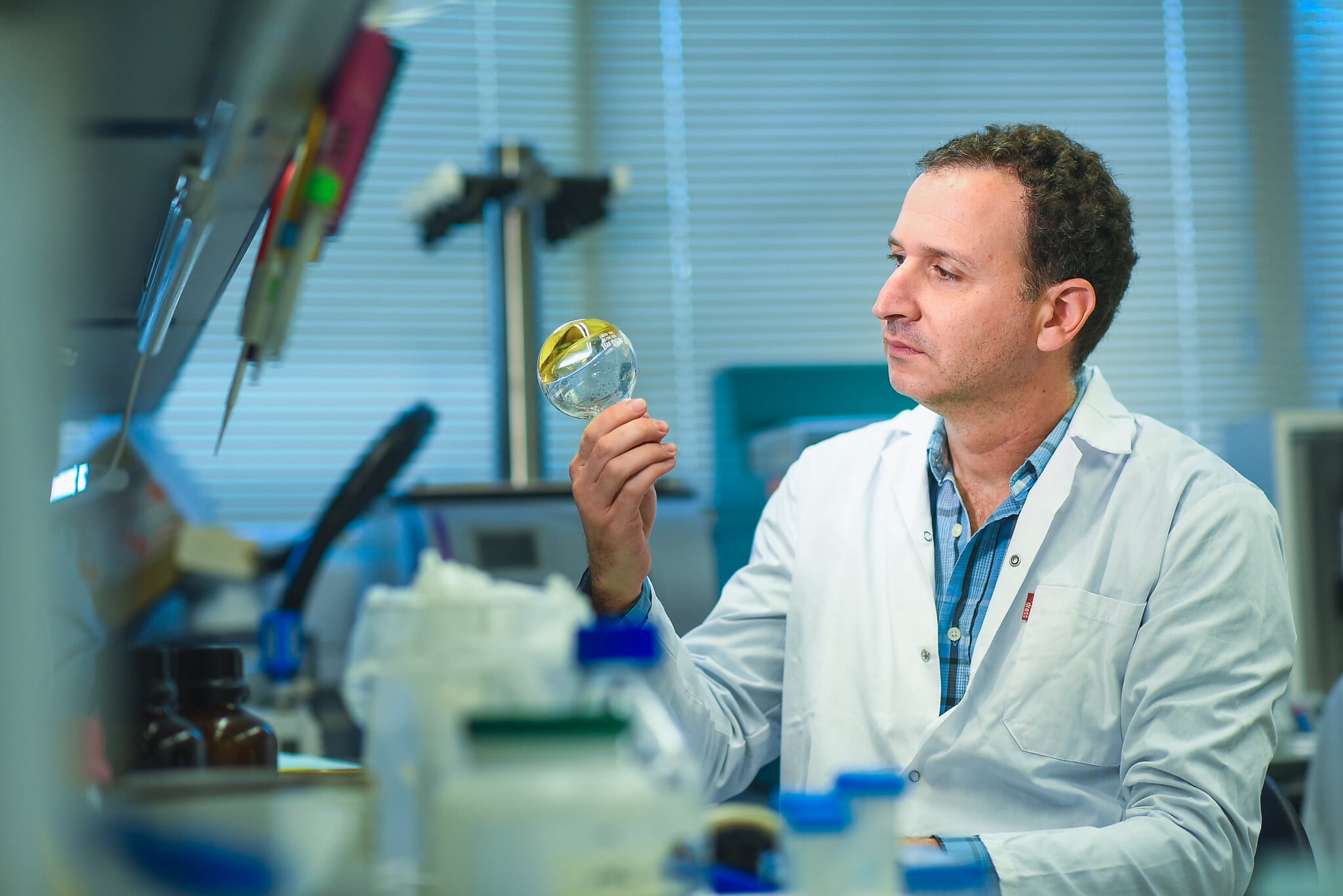
“In the last few years, there appears to be a substantial drop in the number of startups that were established based on University IP [intellectual property],” said Peleg, who also serves as the co-chairman of the Israel Tech Transfer Organization (ITTN), the umbrella organization representing the tech transfer companies of Israel’s leading research institutions. “Since [NeuroDerm], we see that it is more and more difficult to bring the company to the stage where it can even be contemplated to having an exit of that sort.”










- Tech Israel
- biotech
- life sciences
- academic research
- Israeli startups
- Israeli universities
- technology transfer
- venture capital
- health tech
- drug discovery
- BGN Technologies
- Tel Aviv University
- Weizmann Institute
- Bar-Ilan University
- Hebrew University of Jerusalem
- Clalit Health Services
- Maccabi Healthcare Services
- Sheba Medical Center
- Hadassah Medical Center
- Sourasky Medical Center (Ichilov)
- Rabin Medical Center
- Shaare Zedek Medical Center
- Beilinson Hospital
The Times of Israel Community.