

As Islamic State falls, has US missed bigger picture?
With terror group’s defeat, American adversaries Iran, Russia are ascendent, while Iraq is increasingly divided after Kurdish referendum
 Add ToI as a Preferred Source on Google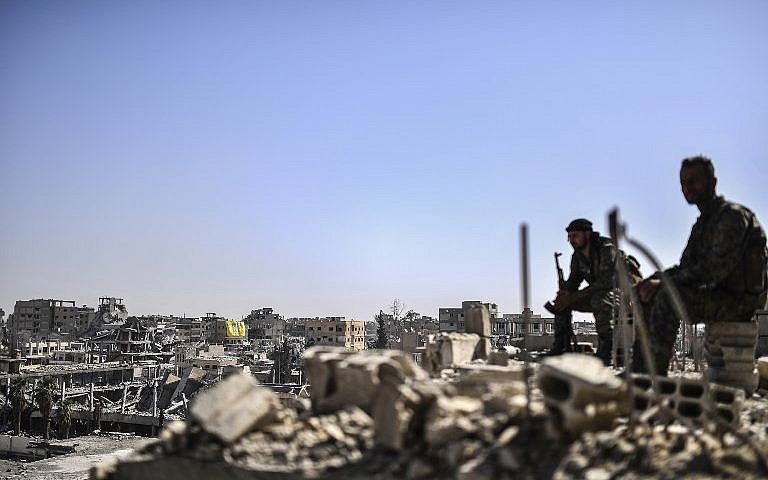
WASHINGTON (AFP) — The US-led campaign against the Islamic State terror group has scored a key victory, but Washington’s narrow focus on the jihadists may have distracted it from the threat of wider war.
Political fault lines are ripping open across the region, even as the United States heralds the fall of the former IS bastion of Raqqa in Syria, a major milestone in wiping out the jihadist’s supposed “caliphate.”
Critics say that thanks to America’s concentration on IS and its reluctance to engage in the broader regional chaos, Washington is losing leverage and influence.
And experts like veteran US diplomat Jim Jeffrey warn that Iran and other regional players have been preparing battlefields of the future while the US tackles IS.
“The United States government is obsessed with this fight,” Jeffrey, now a fellow of the Washington Institute for Near East Policy, told a forum this week.
“In our pitches to the Kurds and to Baghdad it was: ‘We have the common fight against ISIS,” he said.
“That was very real and very urgent and very important in 2014 and 2015. Nobody’s listening to it now,” he added, pointing to other regional security concerns.
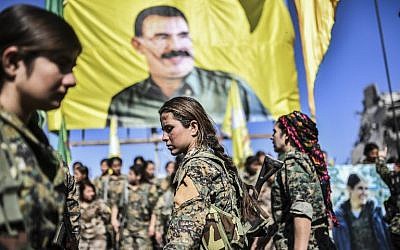
Turkey, he said, is looking south, concerned about President Bashar Assad, Russia and the rise of the YPG, the US-backed Syrian Kurdish militia that took part in the Raqqa fight.
Meanwhile, Israel is looking north, worried the Iran-backed Lebanese terror group Hezbollah will turn its attention south as its role shoring up Assad’s regime becomes less urgent.
Iraq’s former ambassador to the United States, Lukman Faily, said local leaders had understood IS was on the back foot since it lost Fallujah in July 2016.
“Politically, every stakeholder thought ‘OK, I need to consolidate my base for the day after,'” he said, citing Iraqi Kurdistan’s independence referendum as one result.
“Unfortunately, from a US perspective, maybe from some other regional perspectives, they kept talking about the wrong priorities,” he said.
Iranian advances
US President Donald Trump recently announced a new strategy to counter Iran’s ambition to dominate the region, but within days the Iraqi government had seized oilfields in Kurdish hands — a move some saw as a victory for Tehran’s subversive influence in Baghdad.
The US had urged Kurdish leader Massoud Barzani to call off an independence referendum right up to the last minute — to no avail.
Washington had backed the region since the early 1990s when the Kurds sought protection from then Iraqi dictator Saddam Hussein’s regime, and it had influential US friends.
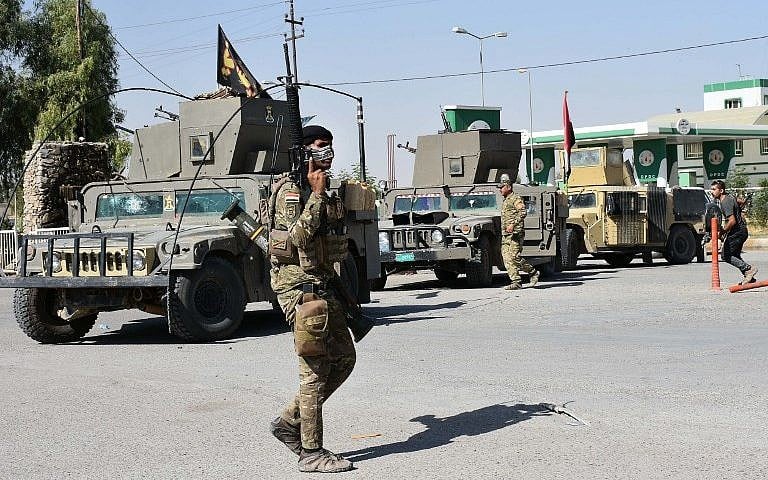
Kurdish forces were vital in the earlier stages of the war against IS, but as fighting continued US-backed Iraqi forces gained strength.
After Barzani ignored US pleas not to split the coalition by staging his vote, Iraqi Prime Minister Haider al-Abadi ordered federal forces to take the oil city of Kirkuk.
‘Looking around confused’
Trump’s most senior advisers disagree they have taken their eye off the bigger picture.
As proof of a strategy, they point to Trump’s speech last Friday broadly outlining an integrated diplomatic, military and economic push to isolate Iran.
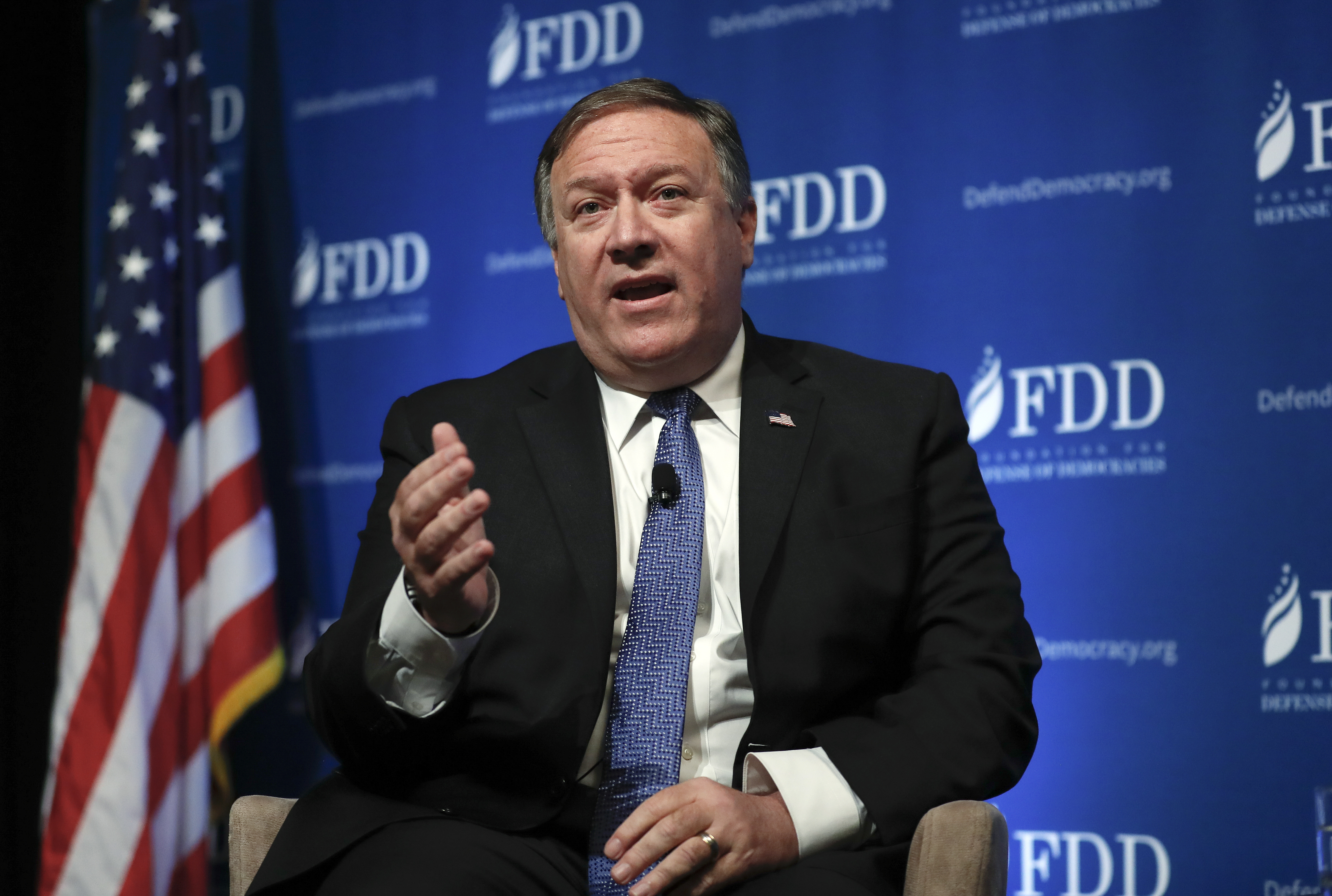
CIA director Mike Pompeo said this week that, from an intelligence perspective, the US has remained alert to the broader region.
“We have not lost sight of any of those threats. We have the capability of walking and chewing gum,” he said.
“We’re incredibly focused on the [counter-terrorism] mission more broadly, not just ISIS,” he said.
“And we’ve spent a lot of resources on that, make no mistake about it, but we’ve not lost sight of any of the other risks that are posed to the United States of America.”
As to Kurdistan, National Security Adviser H.R. McMaster admitted “the situation in northern Iraq” is “complicated.”
What Trump “wants to see emerge is a stable Iraq but a stable Iraq that is not aligned with Iran,” he said.
But for the administration’s critics, a goal is not a plan.
“It’s the Iranians, it’s Assad, it’s the Russians. The United States is kind of looking around confused and its default is the ISIS fight,” Jeffrey warned.







The Times of Israel Community.