

As Israel’s COVID restrictions end, two experts offer advice for other countries
Top epidemiologists reflect on what the world can learn from Israel’s successes, and failures, when it comes to kids, borders, long-term planning and more
 Add ToI as a Preferred Source on Google
Nathan Jeffay is The Times of Israel's health and science correspondent
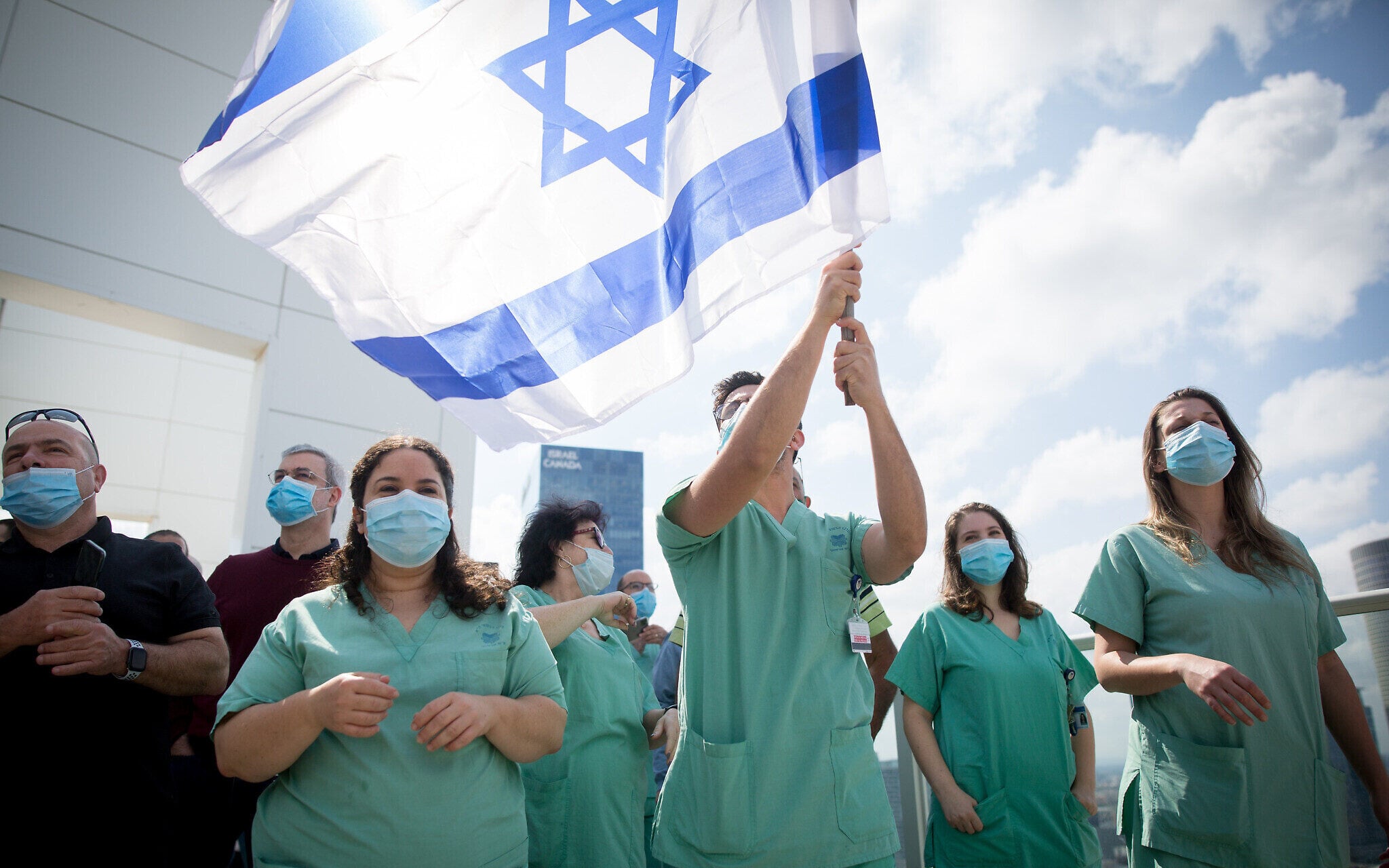
As June started, Israel canceled coronavirus restrictions on gatherings and abolished rules that limited some indoor venues only to vaccinated people.
The so-called Purple Badge and Green Pass systems have been scrapped, meaning that Israelis no longer require proof of vaccination or recovery to enter various sites, and capacity limits at stores, restaurants and other sites have been lifted.
There are no further caps on gatherings, indoors or outdoors. Concerts and festivals, which already restarted with audience restrictions, can now return to pre-pandemic norms.
The indoor mask mandate remains in place, though health officials have indicated it will soon be lifted.
“It’s like the Cinderella story, where everything changes at midnight,” quipped leading epidemiologist Prof. Nadav Davidovitch of Ben Gurion University, in the final hours of the coronavirus rules.

“I’m very proud Israel served as a model country,” said Davidovitch, often a critic of the government’s health policy, but full of praise for the vaccination campaign that brought the country to this moment.
In a briefing to journalists, Davidovitch and another top epidemiologist, Ronit Calderon-Margalit of the Hebrew University, emphasized that while Israel has moved out of pandemic mode, the COVID crisis is still very real for much of the world, and offered five key lessons they believe can be learned from their country’s experience.
1. Children
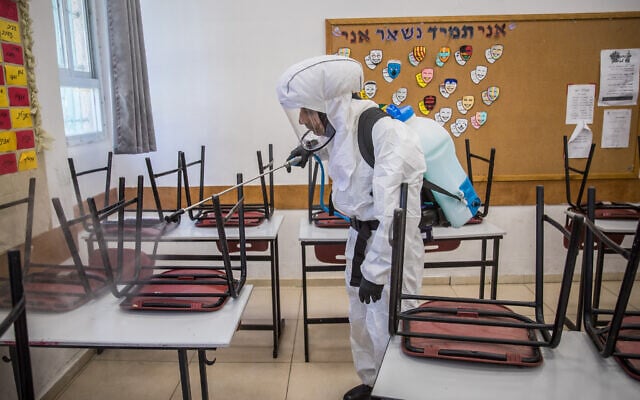
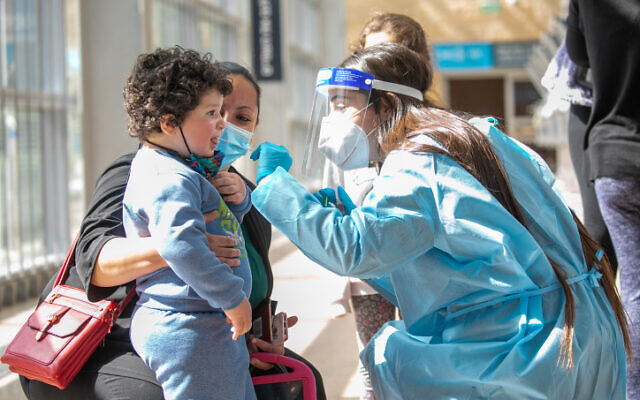
Israel “punished” children as if they were vectors of infection, while the situation in the country today proves they never were, said Calderon-Margalit.
There are hardly any reported COVID-19 cases among kids now, even though the vaccination of under-16s hasn’t yet begun, and even though classrooms are the perfect environment for viruses to spread.
‘We see children gathering together in crowded classes, and in Israel this means large numbers in a small physical space, which is an ideal environment for viral transmission,” Calderon-Margalit said.
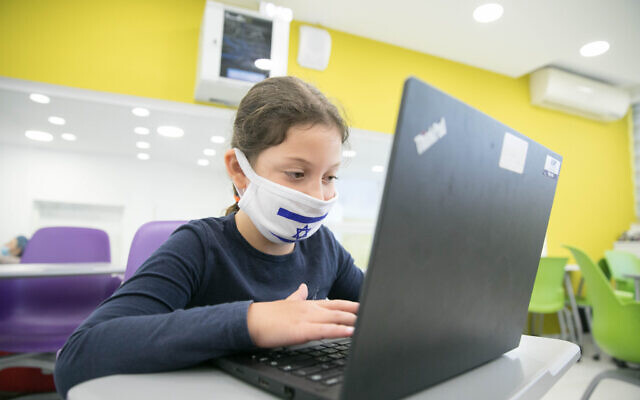
If youth posed the virus risk that authorities assumed when imposing long school closures, then despite adult vaccination there would now be major youth outbreaks, she said. Infection patterns when schools were opened post-lockdowns also indicated that children weren’t major sources of infection, Calderon-Margalit added.
Her research group provided studies arguing there was evidence that virus transmission was largely from adults to kids and not vice versa, and urging fewer COVID closures in schools. They were ignored.
“The toll on children has totally been disproportionate in the context of the risk they posed,” she said, calling the long school closures “unethical.”
She argued: “It was a huge injustice to children. It’s very sad, and I’m not sure we will ever know the extent of damage we caused them in the long run.”
Lesson to the world: Kids aren’t a big virus vector; keep school closures to a minimum.
2. Vaccines
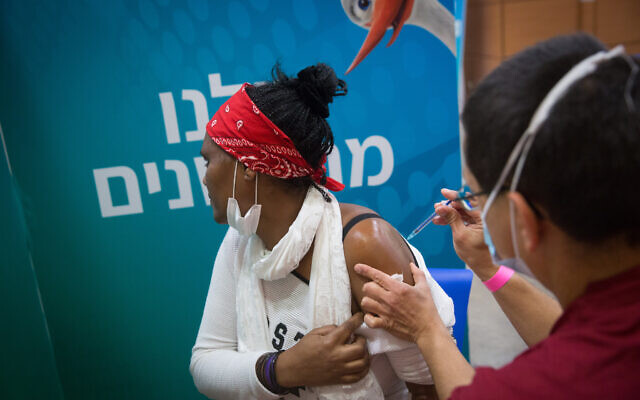
Vaccines have transformed Israel and brought it close to herd immunity, even if the country has not formally achieved this status, according to both experts.
“In practice, it does seem we are there,” said Calderon-Margalit.
Even the Health Ministry’s head of public health, Dr. Sharon Elroy-Preis, doesn’t have a definitive answer as to whether or not Israel has reached it, defining herd immunity as “a situation where people act normally and do not transmit the pathogen to one another,” she told Ynet on Sunday.
She added: “It is true we lifted more and more restrictions and eventually we will return to normality and without face masks, but only then will we know whether the virus is really incapable of transmitting from one person to another.”
Davidovitch commented: “There is a big question regarding whether we are really in herd immunity, though even if we are not there we are probably very close.”
He said: “It’s not that you vaccinate one more person and then you suddenly have herd immunity. It can be gradual. I’m very proud Israel served as a model country, and now we are reaping the fruits of a really amazing vaccination campaign.”
Lesson from Israel to the world: Vaccines work well even in countries where COVID cases are sky-high, as they were in Israel.
3. Borders
Israel’s cases peaked in early 2021, as the extra-contagious British variant swept the country, quickly coming to account for almost all COVID cases.

It arrived in Israel from abroad, which Calderon-Margalit notes would not have happened had strict quarantine from all destinations been enforced. “By not demanding tests and isolation in all cases, we probably introduced the British variant which caused the highest wave we had, in January and February,” she said.
Research has highlighted the role of superspreaders who arrived in Israel from abroad in causing coronavirus cases. A study early in the pandemic found that the United States was the biggest source of Israel’s SARS‑CoV‑2, and that a small number of superspreaders were responsible for the large majority of early infections.
Calderon-Margalit believes that even with Israeli COVID-19 cases at a low today, the current strict quarantining rules should remain for those arriving in Israel, given the potential danger of a vaccine-defying variant arriving from outside the country.
Lesson from Israel to the world: Strictly monitor borders, demand testing and quarantining, even in places where virus is waning.
4. Green passes
Green passes, certificates given to people who are vaccinated or who recovered from COVID-19, proved highly effective in opening up the Israeli economy, said Davidovitch.
He called them a “very important tool,” suggesting that they were deployed well, as an entrance requirement for sporting events, cultural venues, restaurants and other locations — allowing an accelerated reopening of such places — but not for day-to-day essential services like supermarkets and public transportation.
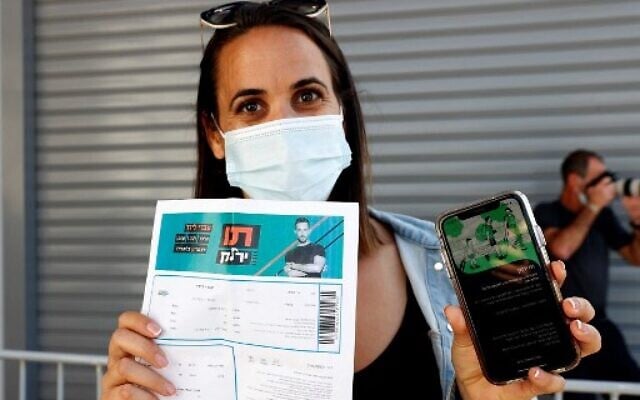
He said that even in Israel, where the government didn’t run publicity campaigns trying to leverage the green pass to encourage vaccination, anti-vaxxers claimed that green passes were being used to put undue pressure on people to vaccinate.
Given that anti-vaxxers are few in number in Israel this should serve as a warning to other countries, where the anti-vaccination lobby is stronger, to avoid the temptation to use green passes to propel vaccination campaigns.
“I think the green pass was a very important tool, but I didn’t think it should be leverage for people to be vaccinated,” Davidovitch said.
Lesson from Israel to the world: Give green passes when vaccination gets underway, but don’t use them as leverage in inoculation campaigns.
5. Long-term thinking
When COVID cases fall, it shouldn’t be mistaken for a sign that the effects of the pandemic are over, Davidovitch stressed.
The Israeli experience shows that even when the coronavirus is scarce, there is significant pressure on the health system because of so-called “long COVID,” the after-effects of the disease on recovered patients.

“We have long COVID which is something many of us are now studying,” Davidovitch said. “I think it’s going to be a major challenge in terms of the services and clinics we need to establish. It’s a very multidisciplinary approach needed for long COVID.”
He said that as pressure on the health system has eased, the stress that many workers have been carrying around has become evident.
“Among healthcare workers, many of them were traumatized, and we now need to think how to move forward with them, and more broadly on issues of mental health. There are waiting lists for mental health services, including for children.”
Davidovitch, chair of the public health physicians’ union, said he is worried that Israeli politicians have not learned the importance of giving good funding to health services.
There are fears that 600 doctors employed during the pandemic will lose their jobs in just under two months because funding won’t be renewed. Earlier this month there was a doctors’ strike over the government’s failure to confirm they will keep their jobs after their fixed-term contracts end on June 30.
“I’m very very frustrated and even stressed by what is facing us now,” Davidovitch said. “It’s clear, especially after the [recent] Gaza conflict, that nobody involved in the building of the new coalition is racing to be health minister, and we hear that budgets may well be cut.”
Lesson from Israel to the world: The end of the pandemic doesn’t mean a respite for health services; expect complaints from recovered patients and healthcare workers to mount.








The Times of Israel Community.