

Ashkenazi praises UAE’s leaders, calls for Palestinians to follow their example
Palestinians should learn from the crown prince’s ‘courageous’ leadership, Israeli foreign minister says in rare interview with Emirati publication
 Add ToI as a Preferred Source on Google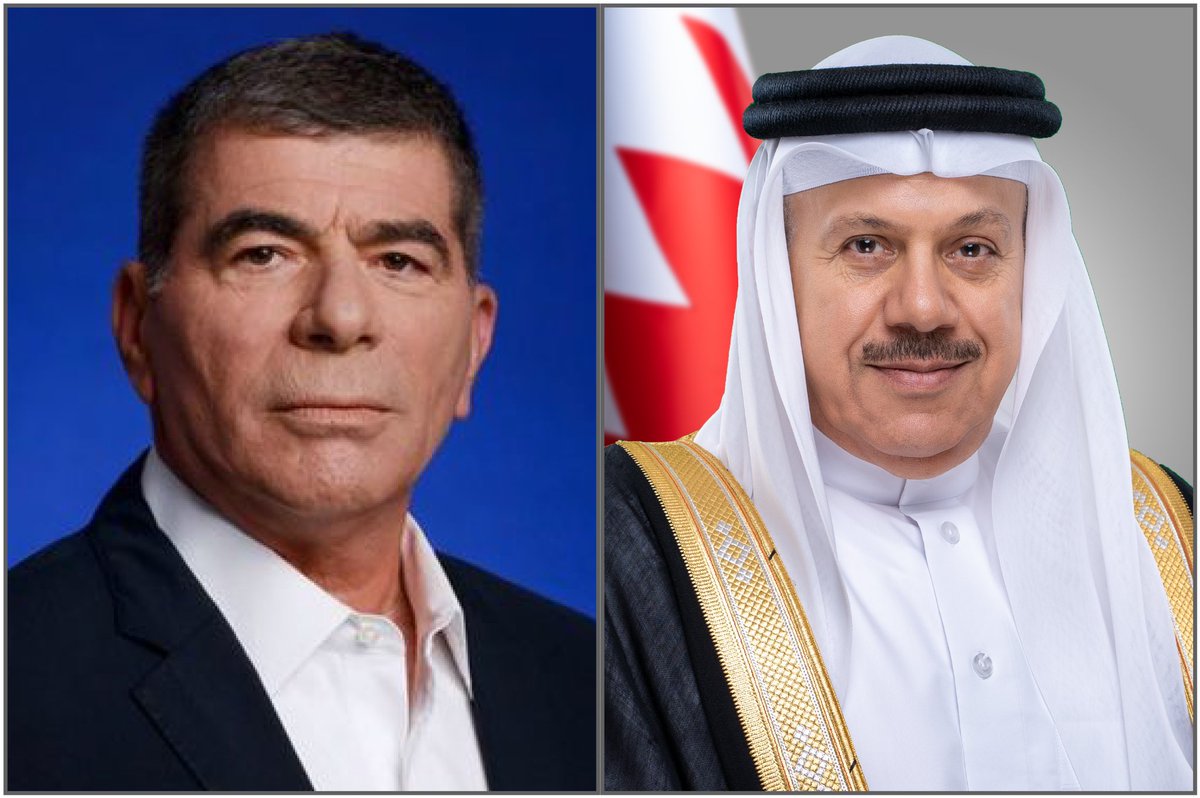
In a rare interview with an Emirati publication on Tuesday, Foreign Minister Gabi Askhenazi praised the United Arab Emirates’ leadership and called on the Palestinians to learn from the Emirates’ example in normalizing relations with Israel.
“The UAE plays an important role in building a prosperous future and long-term stability throughout the Middle East, as the courageous steps of the UAE will help bring in regional development and growth, as well as help to better deal with the challenges of the future,” Askhenazi said.
The interview, which was published in the Abu Dhabi-based al-Ittihad newspaper in Arabic, came on the eve of the signing of the UAE-Israel normalization treaty at the White House on Tuesday afternoon. On Friday, US President Donald Trump announced that Bahrain would join the UAE in normalizing relations with Israel.
Prime Minister Benjamin Netanyahu traveled to Washington on Sunday to sign the accord. The UAE and Bahrain will be represented at the signing ceremony by their foreign ministers, Abdullah bin Zayed Al Nahyan and Abdullatif bin Rashid Al Zayani, respectively.
Askhenazi, who will not attend the signing, said that with the UAE and Israel working together, “our potential is limitless.”
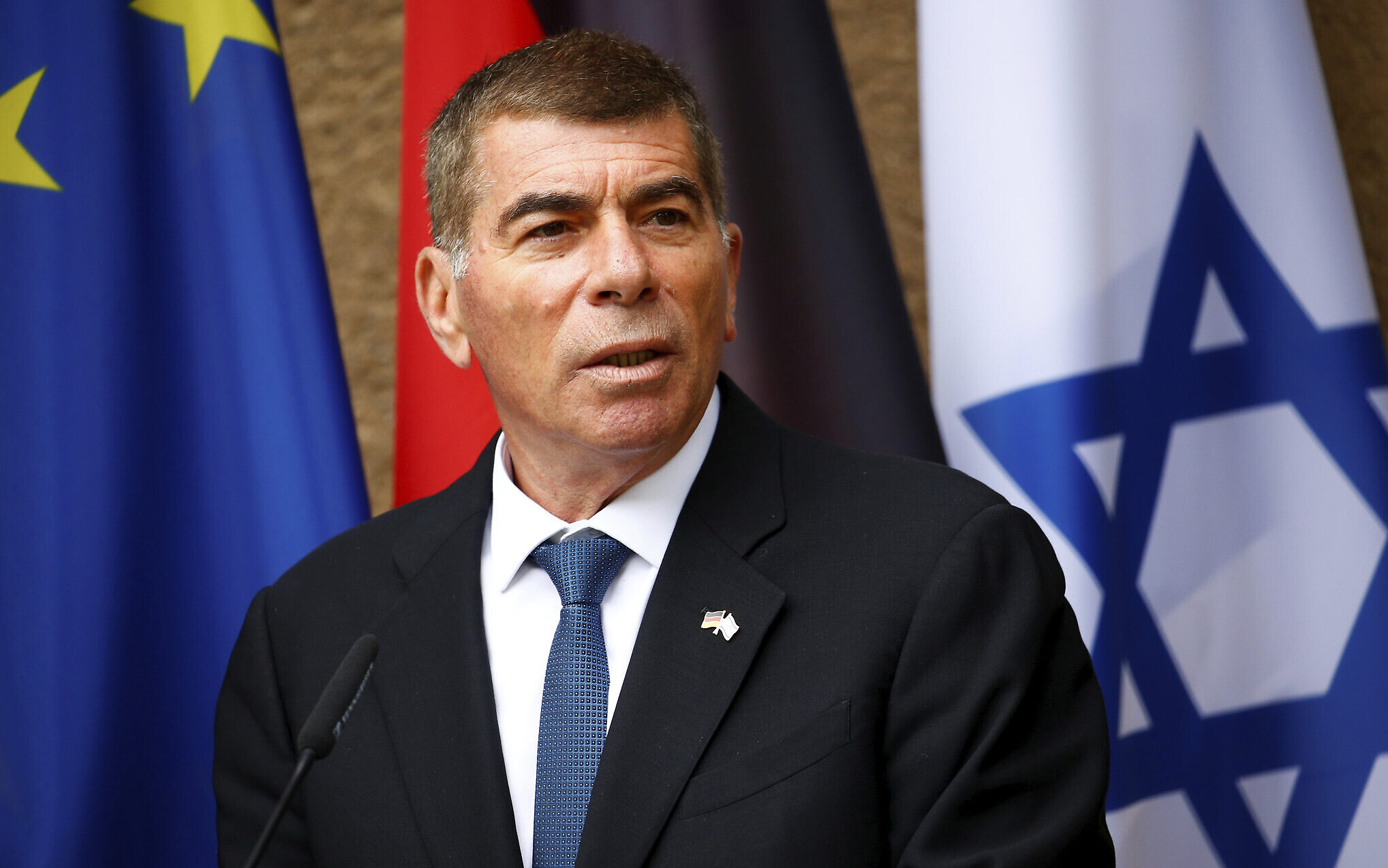
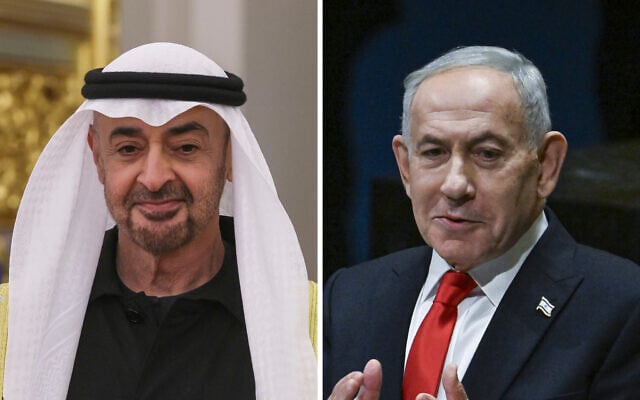
He praised UAE Crown Prince Mohammad bin Zayed, whom he called “a brilliant leader who leads his people to prosperity and success through the years.”
“With his courageous announcement… His Highness has proven himself to be a first-rate regional and international leader, one who will undoubtedly enter the history books, like other world leaders who brought peace to their people,” Ashkenazi said.
“I believe that the treaty deepens the understanding that the time has come to move forward, and that we must not be permanently stuck in the past… I call upon the Palestinian leadership to understand reality, take responsibility and leadership along the same lines as the leaders of the UAE and Bahrain, and return to the negotiating table,” he said.
A senior UAE official who spoke to The Times of Israel on Monday echoed similar rhetoric.
“[Palestinians] need to want to help themselves as well, and perhaps instead of using the traditional criticisms and curses, they actually look at what we are trying to do,” said Assistant Minister for Cultural and Public Diplomacy Omar Saif Ghobash in an interview.
Ashkenazi also said he was hopeful that the deal with the Emirates would usher in a warm peace between peoples rather than a cold peace between governments.
“The positive reactions of UAE citizens on social media have filled our hearts with warmth and planted hope within us for security and friendship among peoples,” Askhenazi said.
Ghobash echoed that sentiment, saying that he expected to see cultural and student exchanges unfold in the future — and even jumped at the idea of a Birthright-style trip for Emiratis to Israel.
“One of the key ideas we agreed to was that this would be a warm peace, and we expect there to be a lot of people-to-people interaction in a way that other forms of peace in the region haven’t been,” Ghobash said.


The Times of Israel Community.