

At the Western Wall on Tisha B’Av, prayers for redemption mingle with hopes for peace
Worshipers say the annual fast, which commemorates the destruction of the holy temples, is shaped by visions of national unity and an end to years of conflict
 Add ToI as a Preferred Source on Google
Zev Stub is the Times of Israel's Diaspora Affairs correspondent.

Mid-morning on Tisha B’Av, the hottest part of the saddest day of the Jewish calendar, the crowds had mostly dispersed from the Western Wall, the epicenter of the day’s commemoration and prayer.
The previous night, tens of thousands of people from across the country had come to read the Book of Lamentations and recite the customary Kinnot prayers mourning the destruction of the first and second Temples, said to have been destroyed on the same date in the Jewish calendar, the ninth of Av. And later in the day on Thursday, in the waning hours of the fast before nightfall, many more will end the fast day with songs of yearning.
The First Temple, built by the biblical King Solomon, was destroyed by the Babylonians in 586 BCE, and the Second Temple by the Romans in 70 CE. The day also marks a number of other historic calamities that have befallen the Jews.
But during the intense midday heat, the people who’d gathered at the Western Wall, the supporting wall of the Second Temple and ground zero of its destruction, were mainly the most dedicated worshipers.
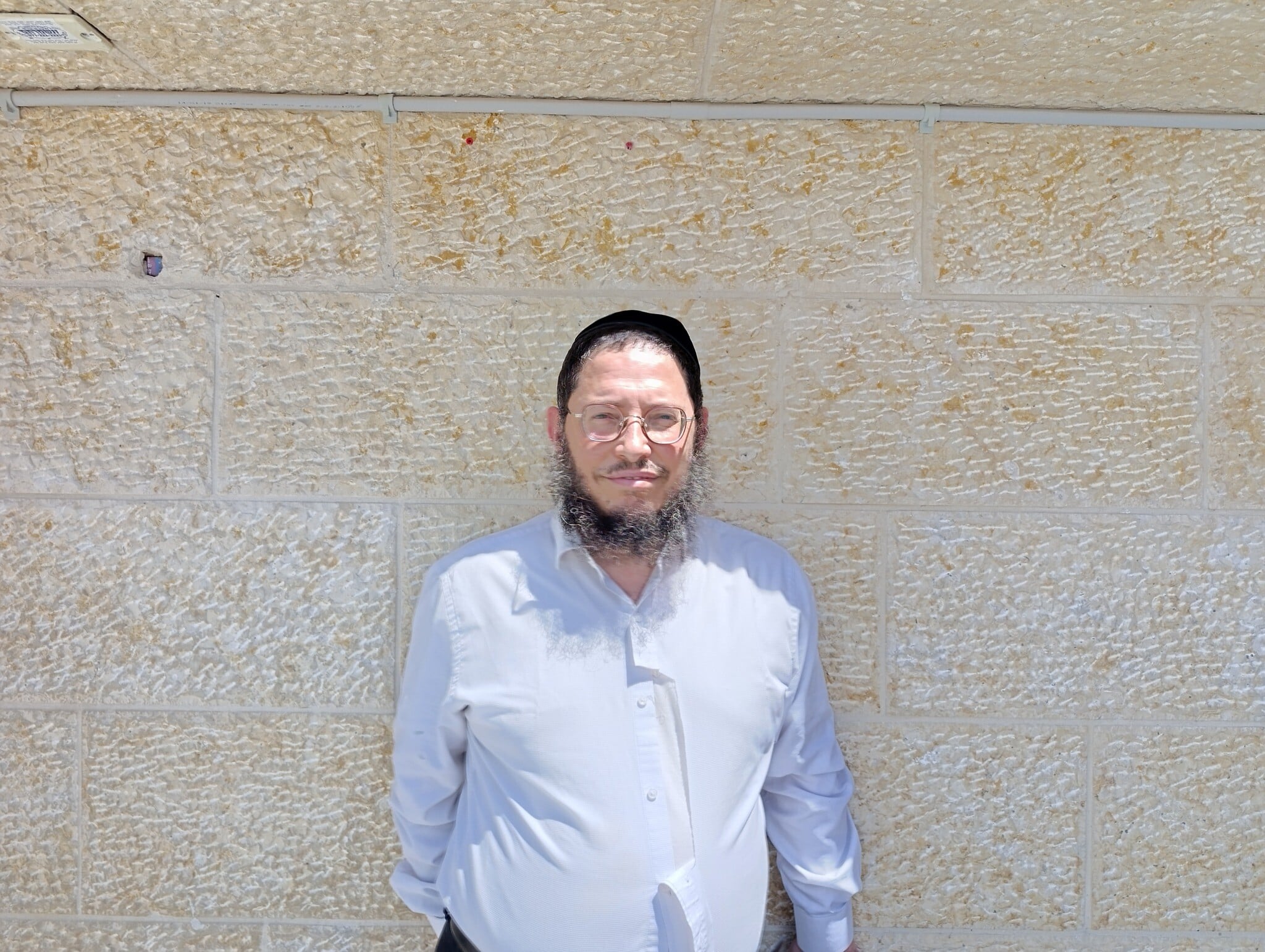
“I’ve been here since last evening, before the fast began,” said Dekel Cohen, an ultra-Orthodox man from Bnei Brak who said he had spent the entire night praying at the wall, sleeping only intermittently. “This is a place that we have been waiting for so many generations for the Holy One to bring us a complete redemption, and when we pray from the depths of our hearts here, we believe that He accepts our prayers.”
Cohen described the flow of traffic at the Western Wall over the previous day.
“Until about a half-hour before the fast, the plaza was almost completely empty,” he said. “But from that time on, the place has been overflowing with people, even through the wee hours of the morning. There are fewer people here now, when it is hot, but people understand that this is the time and place to mourn for the Temple’s destruction and pray for its rebuilding.”
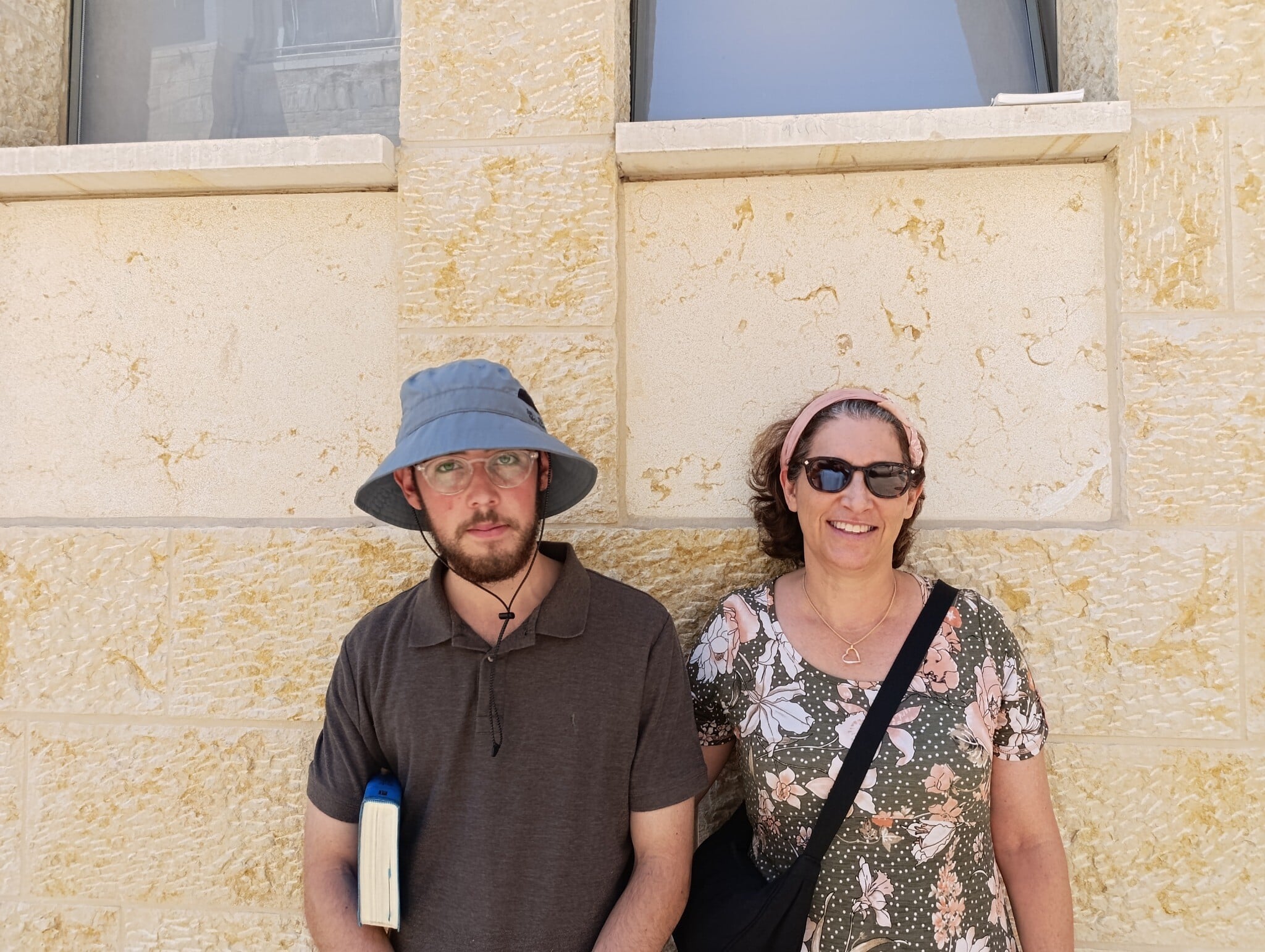
Rachel, a Jerusalem resident, arrived at the Western Wall Thursday morning with her son and daughter.
“Every year, I come on Tisha B’av,” she said. “That’s what my father did, and that’s how he educated me, and that’s what I am doing with my children.”
Despite everything that has happened in Israel since the bloody Hamas invasion of October 7, 2023, including the war with Iran, not much has changed this year compared to Tisha B’Av fasts of recent years, Rachel said.
“As we were walking here today, we were talking about how funny it is that last night we thought we might have to go down to the shelter if Iran shot missiles at us again, but now we are walking around Jerusalem, the sun is shining, and we are not afraid of anything,” she said. “We are living in a Jerusalem that is being rebuilt, we are praying at the Western Wall, but we still can’t go up to the Temple Mount to pray until we have more unity in our nation and eventually rebuild the Temple. So we are here again to pray.”
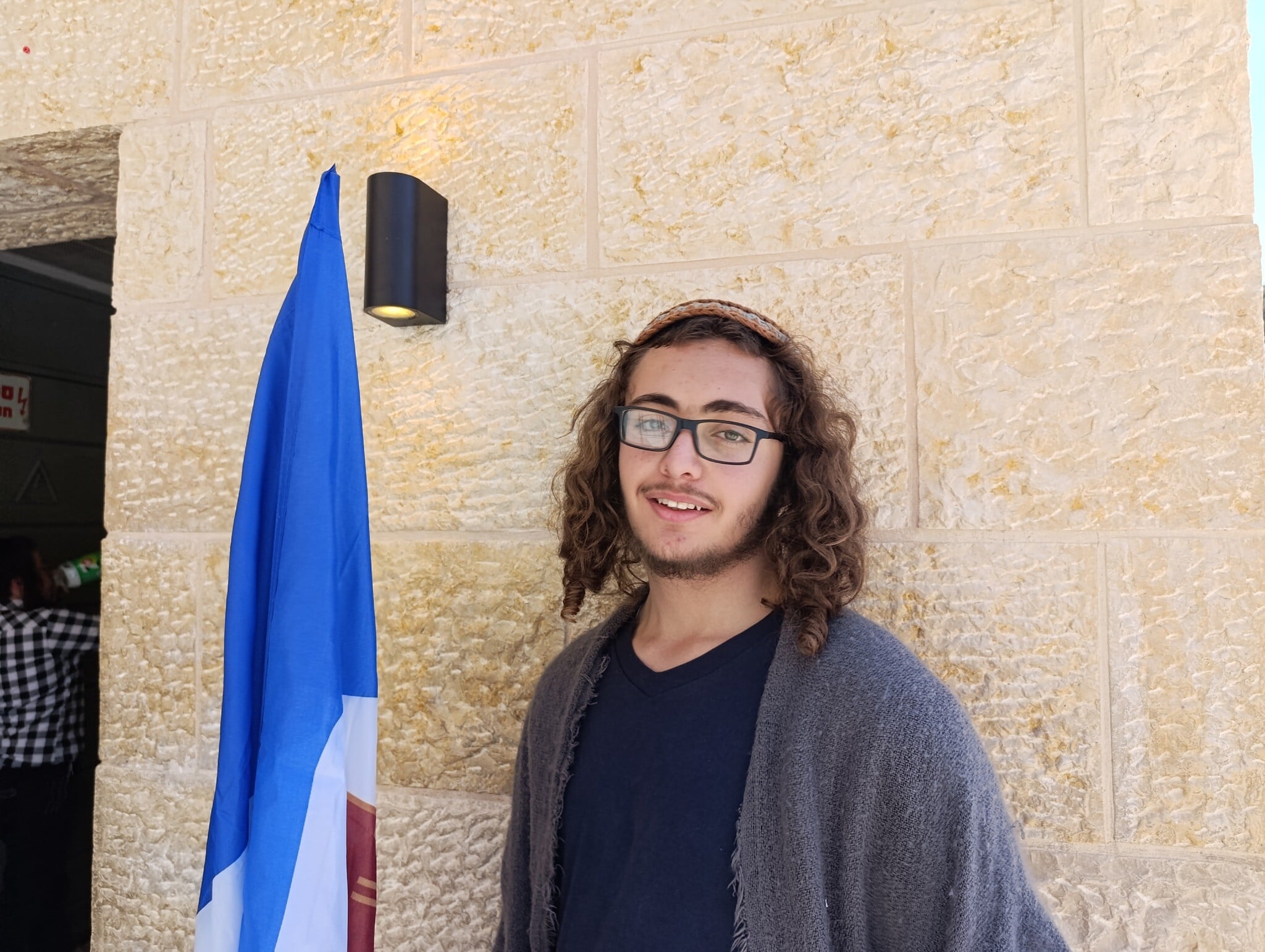
While many religious Jews believe that ascending the Temple Mount is forbidden today because the halacha, or Jewish law, restricts entrance while in a state of ritual impurity, others says that the halacha permits entrance to parts of the site and believe that nationalist considerations make maintaining a Jewish presence there a political necessity. More than 3,000 Jewish visitors reportedly had gone up to the flashpoint site by noon Thursday, including far-right National Security Minister Itamar Ben Gvir, while many more are expected over the course of the day, according to reports.
“Every year more people go up on the Temple Mount than the year before,” said Eliah Nachman Cohen, a resident of the West Bank settlement bloc of Gush Etzion, who was standing at the Western Wall Plaza after returning from the Temple Mount.
“This is the point of connection between our world and the Infinite, and this is the place that has connected all of Israel throughout all the generations. From the Pharisees and Sadducees during the time of the Second Temple to religious and secular Jews around the world, everyone understands that the place where the Temple stood is what unites us. Every year, we are getting closer and closer to rebuilding it,” he said.
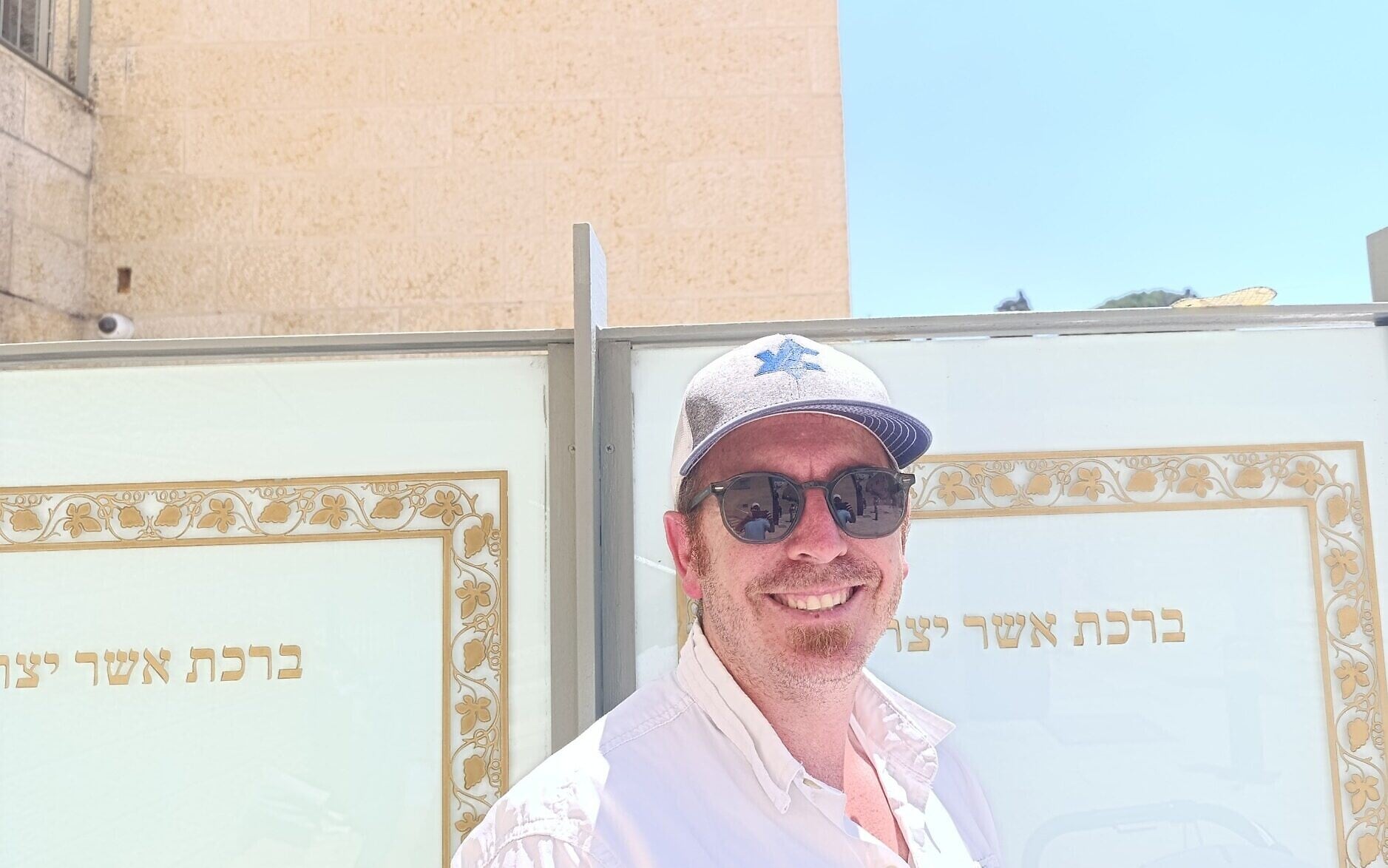
Not everyone visiting the Western Wall Thursday morning had such idealistic intentions. One Jerusalem resident, Micha, just followed his instincts.
“I was taking my son out in his stroller for a walk, trying to help him fall asleep, and I thought it would be cool if we could reach the Western Wall on Tisha B’Av,” he said. “What more meaningful place is there for us to be today?”
Once he arrived, he said, his thoughts turned to prayers for national safety. “I’m hoping for the best for the State of Israel, especially our soldiers, and thinking about my family and loved ones,” he said. “It’s not so great that being a state of war has become normal, but hopefully, we are moving forward, not backwards.”
Others visited the Western Wall to absorb the historical lessons of Tisha B’Av, when, as tradition maintains, infighting and rivalries allowed the tragedies to occur. As Israel prepares for national elections in October, many are worried that feuds between the different political parties could devolve into violence, as President Isaac Herzog warned earlier this week.
“It’s important to come here today to learn the lesson about what we, as a nation, have to do to make sure that something like this doesn’t happen again,” said Oksana, a woman visiting from the center of the country.
“The lesson, especially for this year, is that we have to be united in order to succeed as a nation. Tisha B’Av is the main date for us to remember the power that we have through unity,” she said.
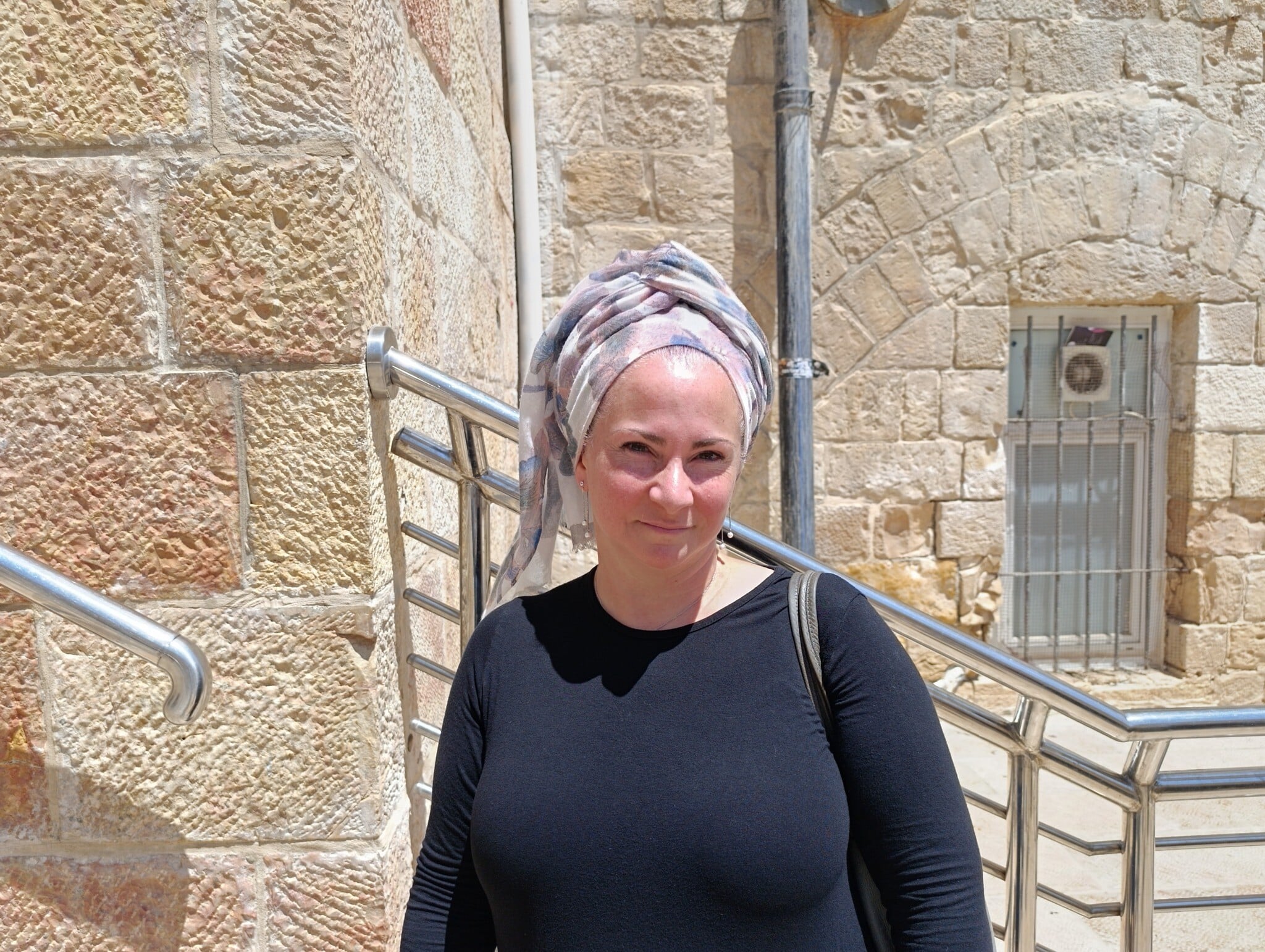
Some, meanwhile, came with simpler hopes for peace and quiet.
“We live about an hour from Jerusalem, so we don’t come to the Western Wall so often,” said Rena, a resident of a West Bank settlement near Ramallah. “After three years of war, I don’t know if this Tisha B’Av has any different meaning than the last few years. We are just hoping to see if this is the last one before there is peace.”





The Times of Israel Community.