

‘The whole nation needs to feel their pain’: Hostages’ plight looms over Tisha B’Av fast
Amid ongoing war and deepening societal divisions, visitors to Jerusalem’s Western Wall sing, pray, and dream of a better future on saddest day of the Jewish calendar
 Add ToI as a Preferred Source on Google
Zev Stub is the Times of Israel's Diaspora Affairs correspondent.
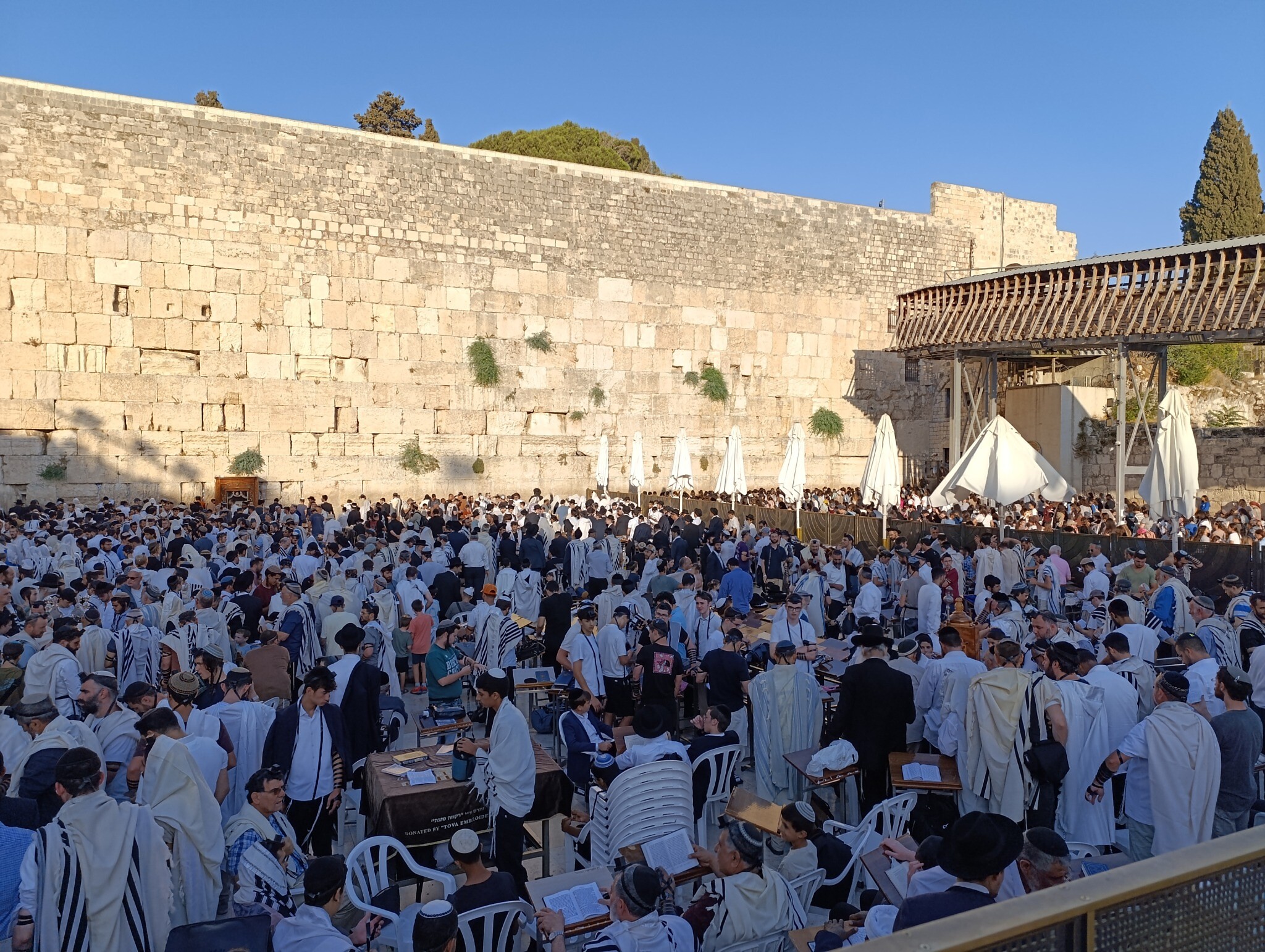
As the sun descended in the waning hours of the Tisha B’Av fast day on Sunday, thousands in Jerusalem streamed toward the Western Wall for what many say is the nicest part of the saddest day on the Jewish calendar.
As the heat of the day eased, the day’s characteristic sense of mourning also began to break. Many approached the wall to pray by the ancient stones from the outer wall of the Second Temple, destroyed by the Romans in 70 CE. Others gathered near the back of the Western Wall Plaza to sing songs of yearning, an annual tradition started by a group of religious Jews from the United States.
“We’ve been doing this for more than 30 years,” said Elliot Tanzman, director of the NCSY summer program, put on by the Orthodox Union’s NCSY youth group. “As the day ebbs away, we have 400-500 high schoolers on our program who come and sing mournful songs appropriate for the day in the shadow of the ancient Temple. We have boys sit in concentric circles, and the same thing for girls nearby, and everyone who wants can join us and sing together.”
Among those who made a point of attending was Jerusalem Mayor Moshe Lion, while at the same time United States Ambassador to Israel Mike Huckabee was seen visiting the Western Wall.
Some said a visit to the Western Wall was the best way to close out the 25-hour fast.
“I’ve been coming with the kids at this time for decades, even during the intifada, when it was nearly empty here,” said Rachel Kedar, a resident of Modi’in. “It’s always amazing to see this.”
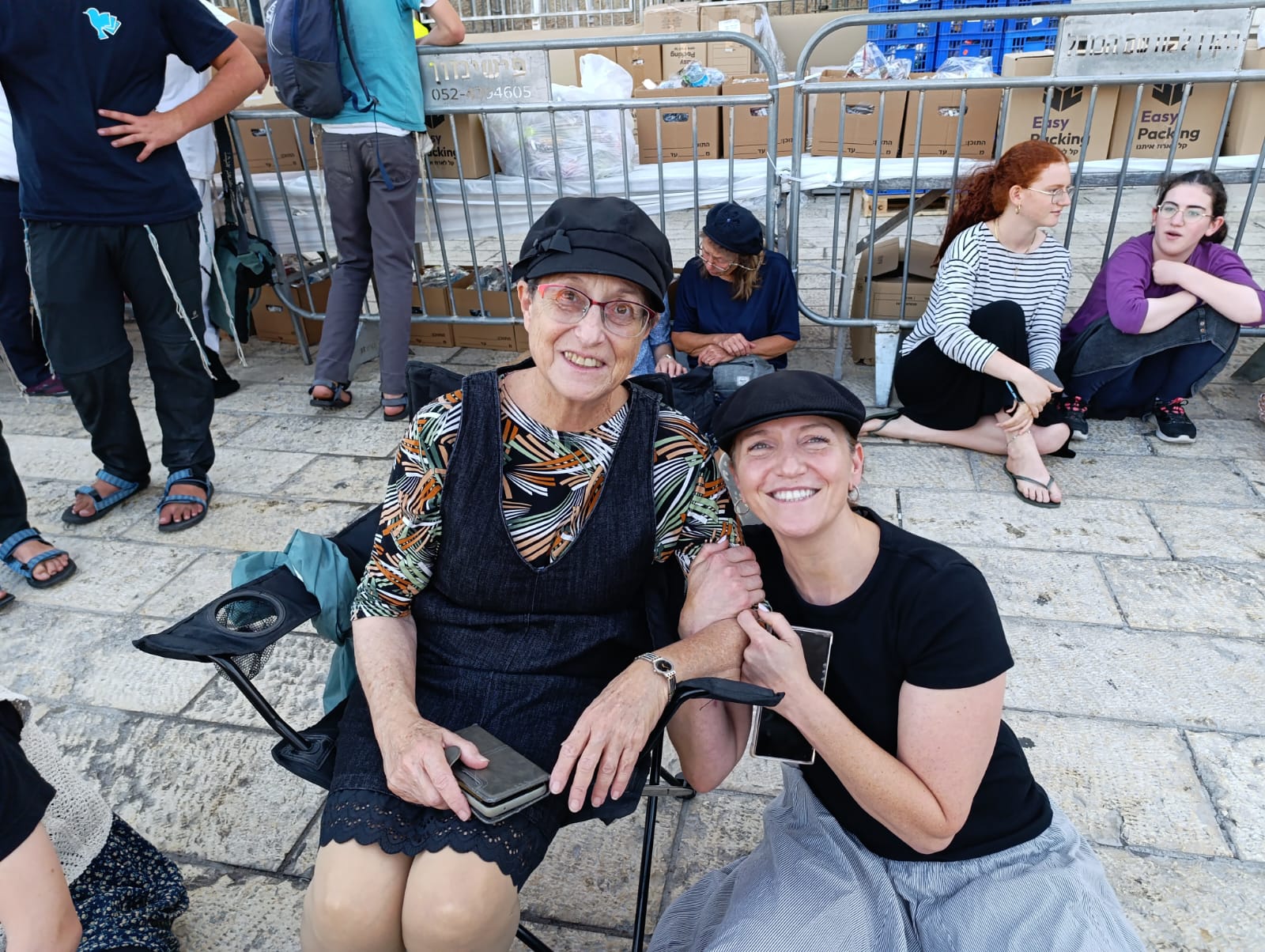
Many Israelis agreed that, after 22 months of war in Gaza, this year’s Tisha B’Av was not “normal,” with the plight of the hostages, sacrifices of the IDF and rising antisemitism around the globe all weighing heavily upon them, visitors to the Western Wall told The Times of Israel.
The release of videos in the past few days of hostages Rom Braslavski and Evyatar David, emaciated and begging to be freed, accentuated the pain that Israel should be feeling this Tisha B’Av, said Simcha, a Jerusalem resident who asked not to be identified by his last name. “The whole nation needs to feel their pain today.”
While some Jews have compared the hunger that many Gazans are experiencing to descriptions of the Babylonian exile and destruction in the Tisha B’Av liturgy, Simcha insisted that only Hamas is at fault.
“The people who are really starving are the hostages,” he repeated.
Netanel Fenichel, a Jerusalem resident, similarly rejected the notion of a moral failing by Israel in Gaza.
“As someone who was personally injured in a terrorist attack by a 17-year-old terrorist at a medical center in 2002, I hold no blanket accusation against the Palestinian people,” he said. “But we must speak clearly this Tisha B’Av: As long as Israeli hostages are held in inhumane conditions, tortured, starved, and kept in utter darkness, the blame for the famine is theirs.”
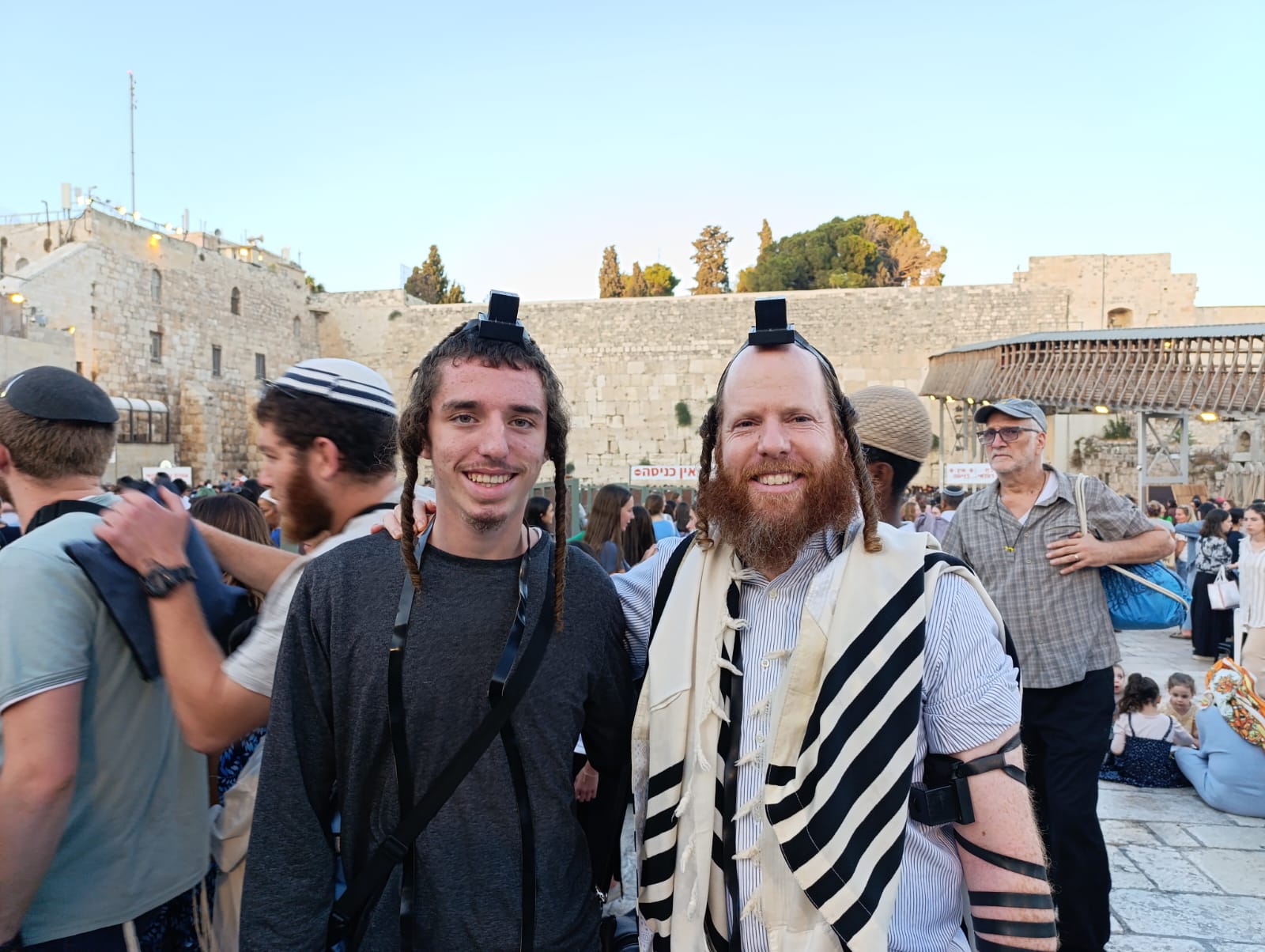
While much of the country is as bitter as ever this Tisha B’av, with no end in sight to the war with Hamas and societal divisions seeming to grow worse by the day, many of those speaking with The Times of Israel were optimistic the country’s current challenges can be overcome with unity and faith.
“Now is the time to focus on ahavat chinam – unconditional love,” said Dafna Levy, a long-time Jerusalem resident. “Hamas was able to attack us on October 7, 2023, due to a lack of unity in the nation, but now, we have a greater understanding of how important this is. Through this tragedy, Israel will go on to reach even higher levels.”
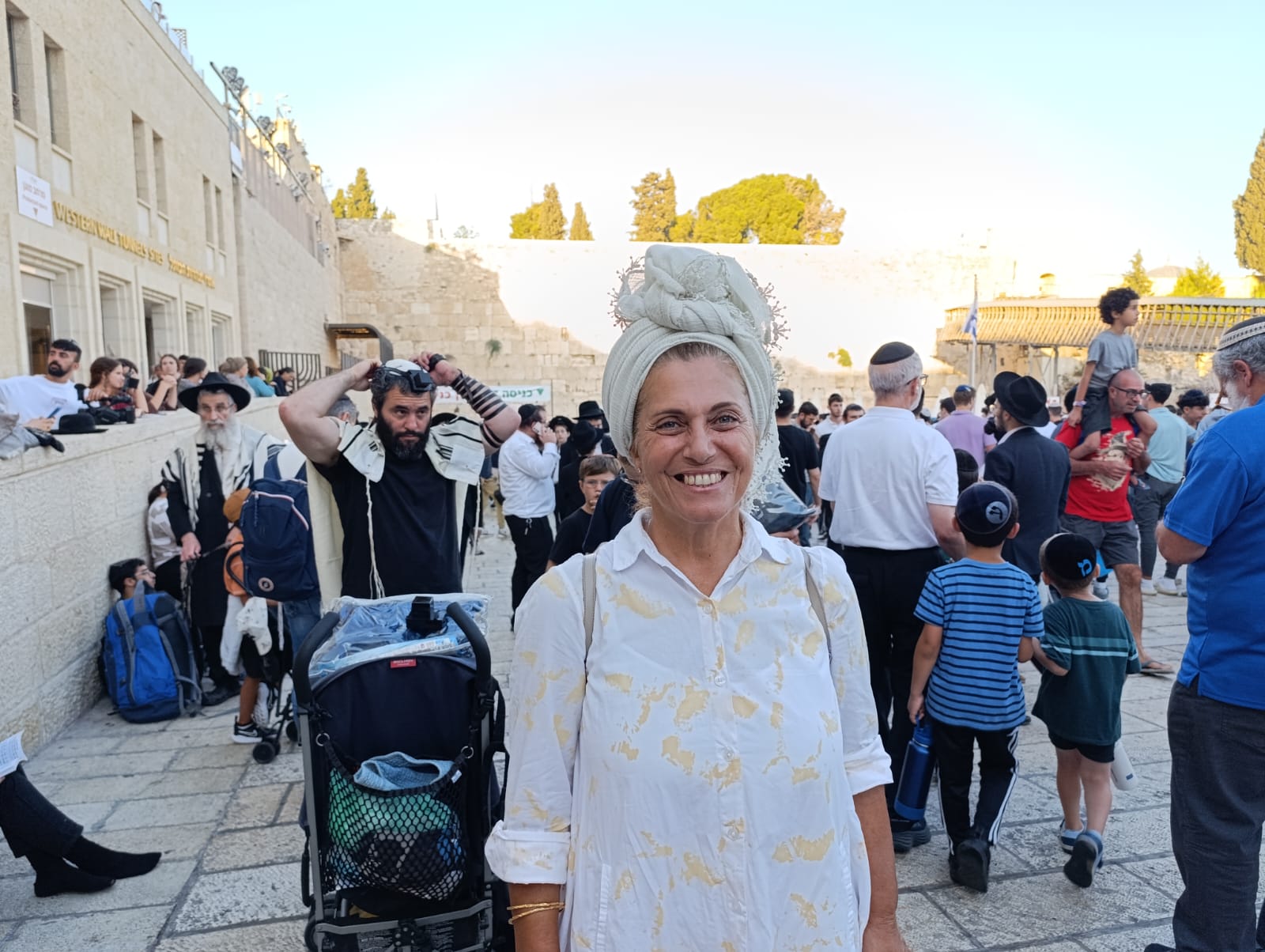
Such messages permeate the discourse around Tisha B’av in many religious circles, a sharp contrast to the anger and divisiveness over the war that is common throughout much of Israel. They are based in a belief, prominent in the day’s liturgy, that the root cause of all of Israel’s suffering is internal strife and corruption.
The corollary, for some, is that the current war is leading Israel closer to the final redemption.
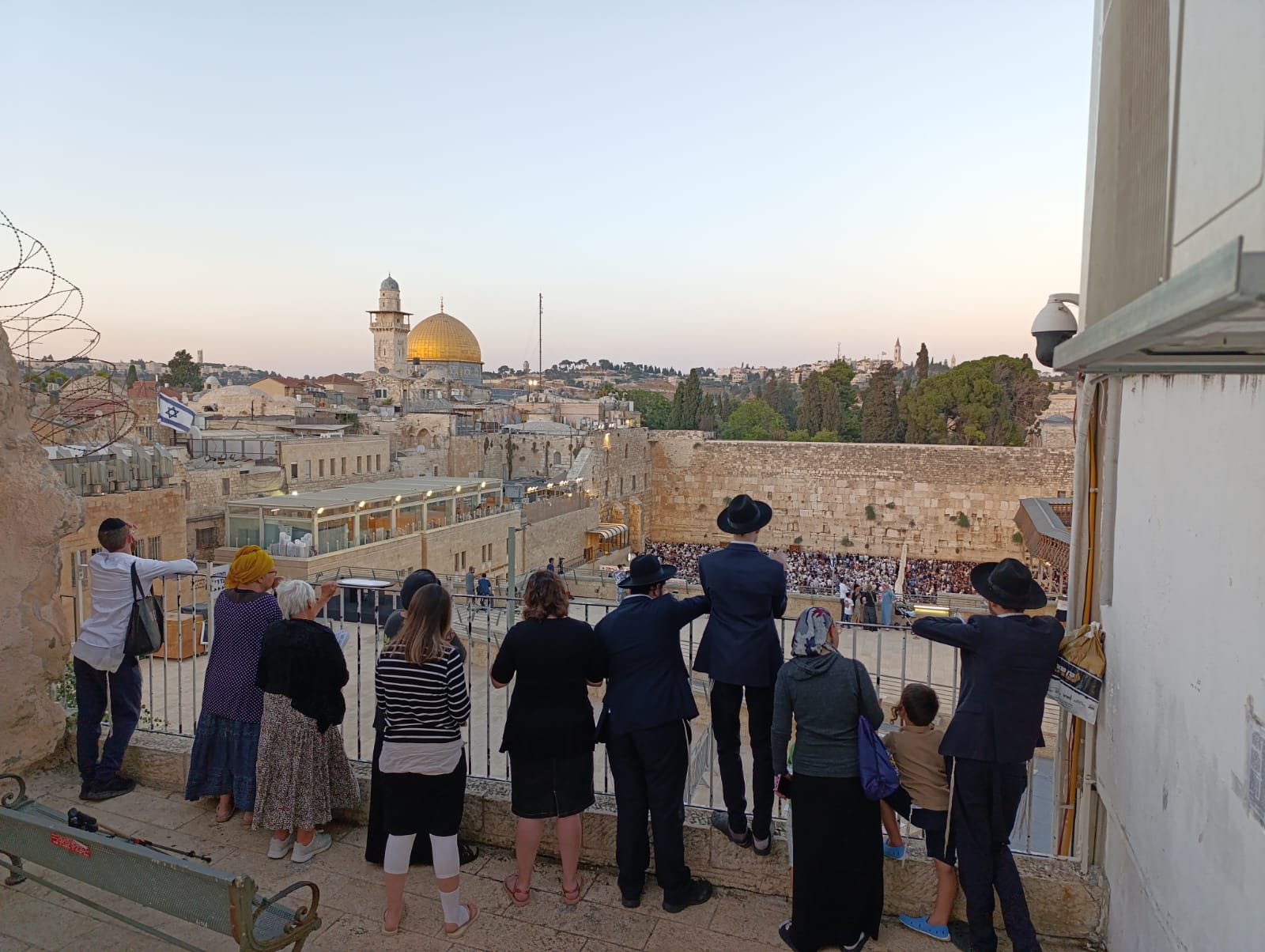
“The longer this war continues, the more we see the miracles,” said Sara Hiller-Bersson, a recent immigrant living in Modi’in. “It’s powerful to see how God is arranging geopolitics to bring us closer to messianic times, and we see that even more clearly during this war.”
Standing at the Western Wall with Jews from all over the world on Tisha B’Av, experiencing unity on a day of destruction, “filled my heart with light,” Fenichel added.
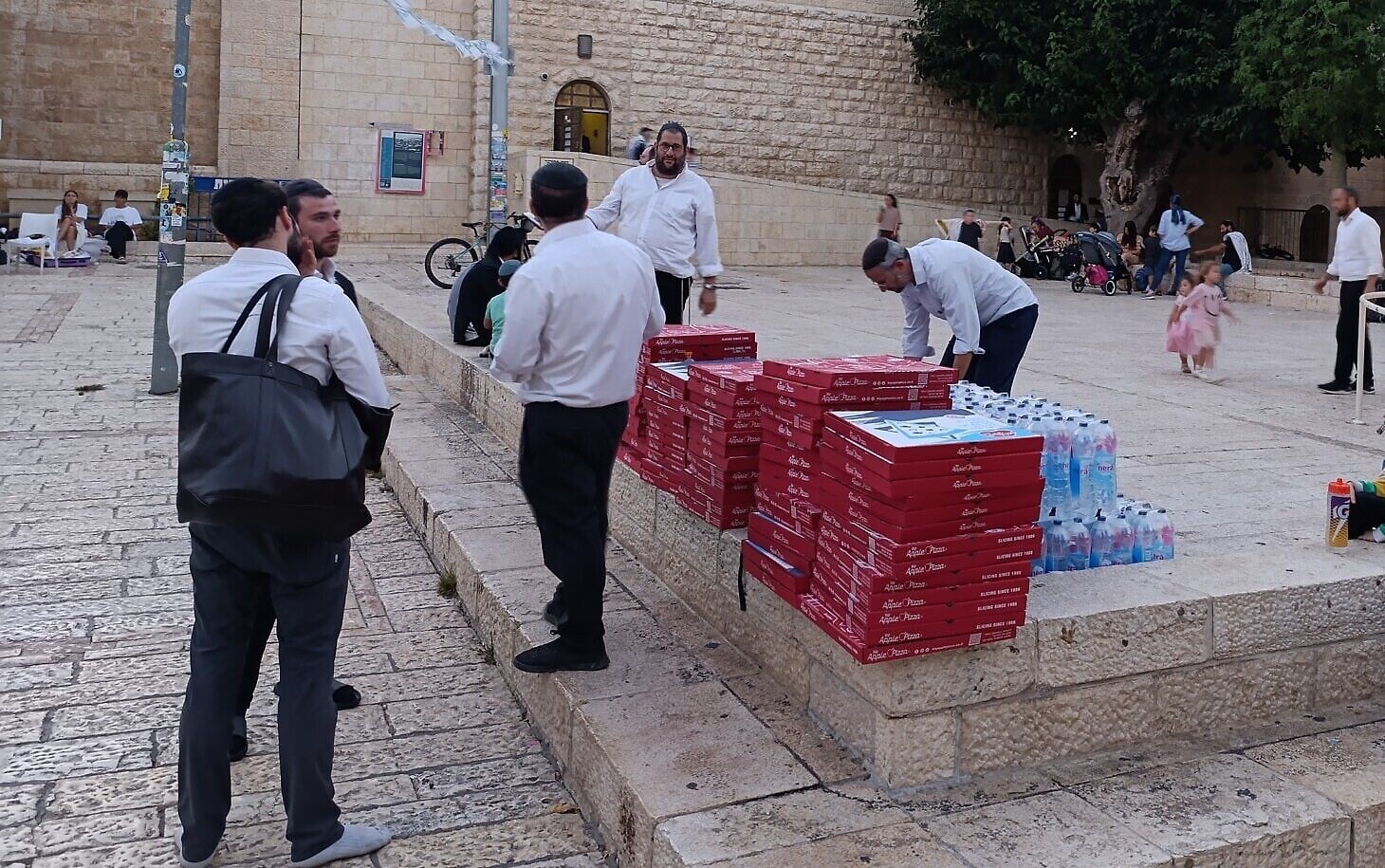
As the fast neared its end, 126 pizzas awaited nearly 300 members of the NCSY summer program in the main square of the Old City’s Jewish quarter, a team of men assigned to guard the pies said.
An older man walked by and made a face. “How can you be so hungry now?” he asked. “If you look at those hostages in the tunnels, you’d realize you could easily go another day without eating.”







The Times of Israel Community.