

Cornell grad student union approves BDS resolution backing resistance ‘by any means’
University group frames Palestinian issue as central to global labor movement, dismisses allegations of antisemitism while purging Jewish members from its communications
 Add ToI as a Preferred Source on Google
Luke Tress is The Times of Israel's New York correspondent.

Cornell University’s graduate student union on Wednesday said it had officially adopted a resolution backing Palestinian resistance “by any means necessary.”
A spokesperson for Cornell distanced the university from the union and condemned antisemitism.
“Our [union] is now taking an official stance on one of the most important issues of our lifetimes: the Palestinian liberation struggle,” the union said in a message to members.
The union said the resolution, titled “International Solidarity with the Palestinian Liberation Struggle,” passed with 559 votes in favor, and 215 against, according to a copy of the message obtained by The Times of Israel.
“Amid nationwide repression of pro-Palestine speech, our union is taking a principled stance to empower and protect all of our members in speaking out against genocide,” the message said.
The union, Cornell Graduate Students United — UE Local 300, issued a draft of the resolution to members in October and voted on the measure in the past week.
The resolution endorsed the Boycott, Divestment and Sanctions (BDS) campaign targeting Israel; demanded that Cornell disclose its finances, land holdings and academic partnerships; divest from entities tied to “morally reprehensible activities”; not implement disciplinary measures in response to pro-Palestinian speech; and hold “political education about the Palestinian struggle for liberation” and its connection to Cornell.
The measure said “solidarity with Palestine” is “a moral imperative and the most effective means of defending Cornell graduate workers.”
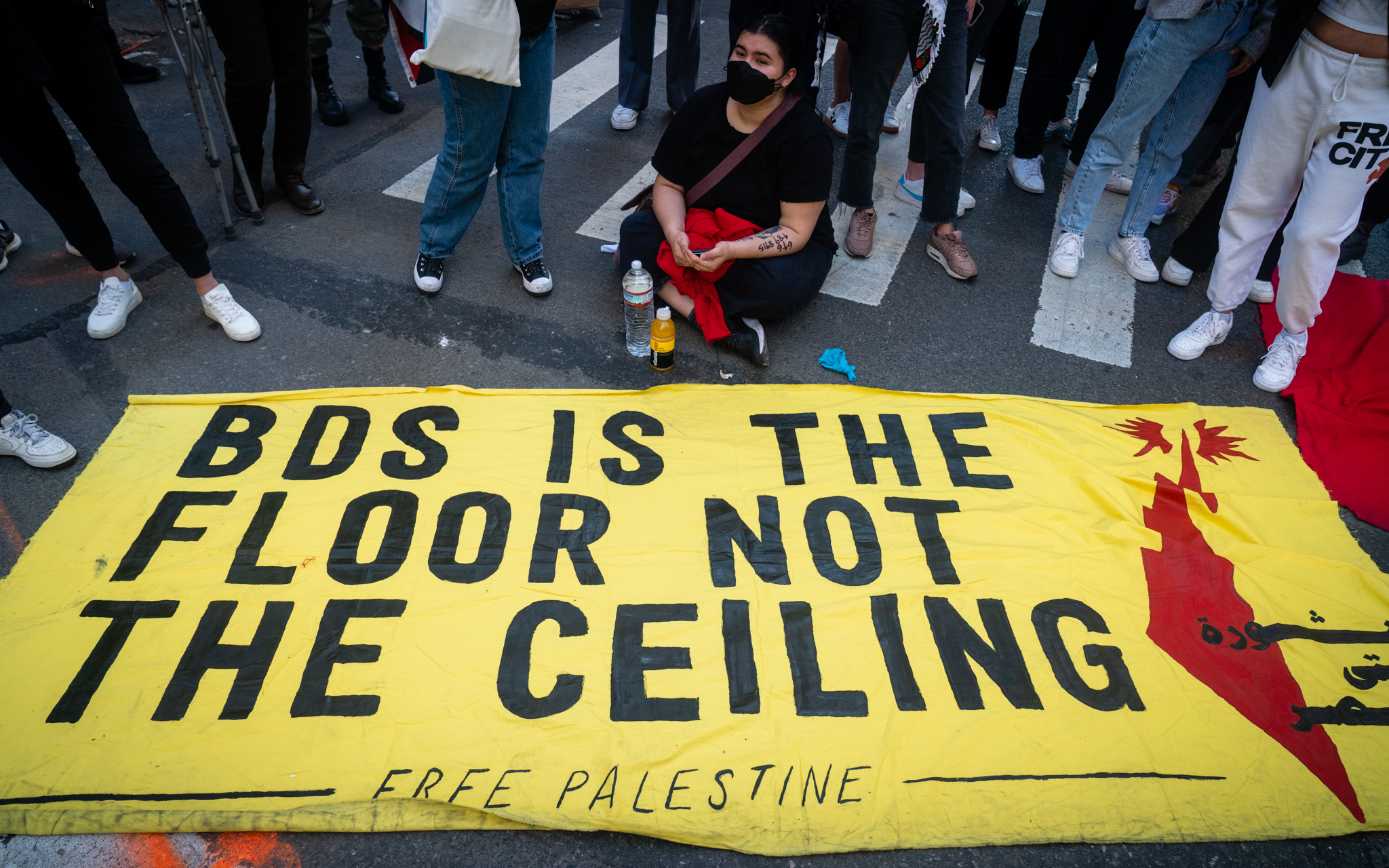
“The ruling class that invests in the genocide of Palestinians also profits from the erosion of our rights,” it said, framing the Palestinian issue as central to the global labor movement, and tying pro-Israel “repression” to the oppression of minorities.
“The perpetuation of racist and anti-Muslim rhetoric is part of a broader doctrine of state-sponsored white supremacy that justifies Israel’s atrocities against Palestinians,” the resolution said.
The resolution brushed aside alleged discrimination against Jews, deriding “weaponizing false allegations of antisemitism against unions.”
“Israel’s conflation of antisemitism with pro-Palestine speech furthers a genocidal project,” the resolution said. “This false narrative has been used to dehumanize Palestinians.”
The union accused Israel of killing at least 680,000 people in Gaza — some ten times more deaths than reported by the Hamas terrorist group, whose unverified figures do not distinguish between combatants and civilians — and said that Cornell was implicated, connecting the university’s partnership with Israel’s Technion to the displacement of indigenous Americans.
“Standing with the strength of Palestinians resisting a genocide, and their unequivocal human right to resist oppression by any means necessary, workers around the world are building power through the belief that we free Palestine, and Palestine frees us,” the resolution said.

The final draft of the resolution removed a reference to “armed resistance” that was in a previous draft.
Resistance “by any means necessary” is viewed as a call for violence against Jewish Israelis. Anti-Zionist activist groups embraced the slogan in the immediate aftermath of the October 2023 Hamas invasion of Israel.
Israelis are protected as a national origin group at universities under federal civil rights law.
The union has the exclusive power to represent graduate student workers at Cornell in collective bargaining.
Membership in the union, including paying dues, is required of graduate student workers, with limited carve-outs.
A Jewish graduate student, David Rubinstein, told Congress in September that the union had stonewalled student requests for religious exemptions.
He also said that the union had purged Jewish members from its email list. Without updates from the union, Jews are denied access to its processes and the ability to weigh in.
A Cornell spokesperson said the union “is a separate collective bargaining unit from Cornell University, and the opinions and perspectives expressed in the union’s resolution do not represent those of Cornell University or its leadership.”
“Cornell’s leadership firmly denounces antisemitism and has repeatedly affirmed the university’s dedication to ensuring the safety and well-being of all students,” the spokesperson said.
The union did not respond to a request for comment.









The Times of Israel Community.