

Could debate over Haredi draft, court’s intervention, topple Netanyahu’s coalition?
Long-running controversy comes to head as fighting in Gaza and on northern border with Lebanon lead to higher demands on IDF

 Add ToI as a Preferred Source on Google
JTA — In recent days, as Israel approaches the six-month mark since October 7, one aspect of the war against Hamas has opened up deep, festering divides in Israel, threatening to cause widespread civil unrest and bring down Benjamin Netanyahu’s government.
The issue isn’t how the Gaza war is being fought, but rather who must fight in it. While Israeli Jews are subject to a mandatory draft at age 18 — and regular reserve duty for decades afterward — an exception is made for the growing number of Haredi, or ultra-Orthodox, Israelis, who instead receive state funding to study Torah. (Arab citizens of Israel also receive an exemption from military service.)
Israeli governments have come together and fallen apart due to debates over the Haredi draft exemption. But this time, the stakes are higher: Israel is currently fighting a grueling war in Gaza and faces a looming conflict on its northern border — crises that have compelled hundreds of thousands to serve as reservists for months on end.
Last month, to keep its troop numbers up, the government published proposed regulations that would lengthen reserve duty for soldiers. That spurred outcry from Israeli veterans who question why they must serve more while their Haredi peers do not serve at all.
In response to the possibility of conscription, Haredi leaders have promised widespread protests and threatened to leave the country en masse. They’re already facing penalties: Once a temporary law authorizing the exemptions expires on Sunday, the High Court ruled, Haredi religious academies, or yeshivas, will see their funding cut.
For Prime Minister Benjamin Netanyahu, whose parliamentary majority depends on Haredi parties, the controversy is a serious threat with no easy way out.
“We need soldiers at a time of war, and our society needs everyone to take part in the right to serve the country,” Benny Gantz, a centrist leader and member of Israel’s war cabinet, wrote in a social media post. “The time has come for the government to do what is expected of it. It’s time for action.”

Here’s what you need to know about the Haredi draft debate, and what it may mean for Israel.
Why are Haredi Israelis exempt from the military?
When Israel was founded in 1948, Haredi communities were a tiny minority of the country. Israel’s secular prime minister, David Ben-Gurion, agreed to give Haredi citizens an exemption from serving in the Israel Defense Forces so they could study Torah full-time, a way of gaining their buy-in for the new country.
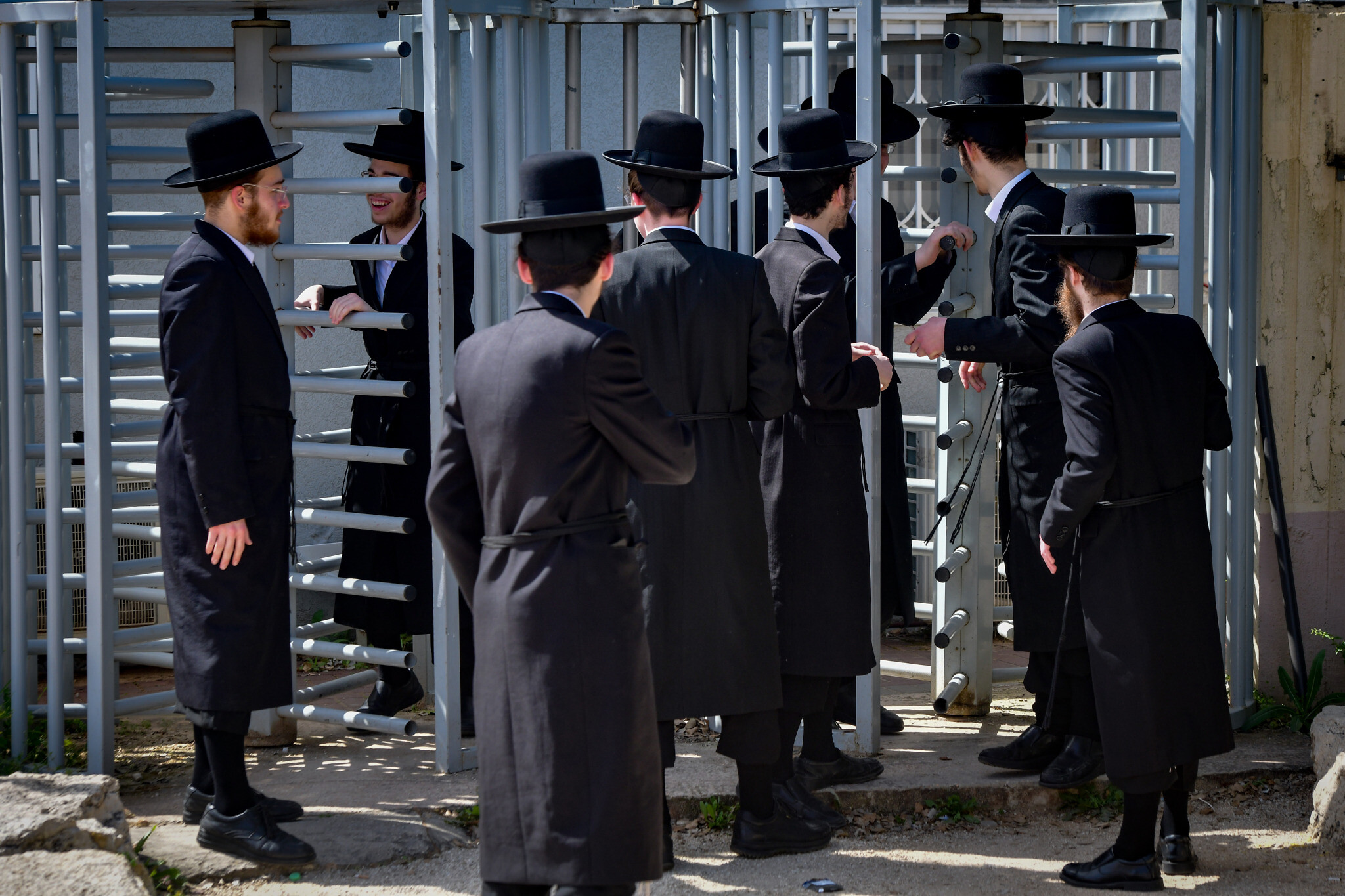
Back then, the policy didn’t have much impact on the military’s numbers: Just 400 men received exemptions in the early 1950s. But Haredim now make up over 10% of Israel’s population — more than 1.2 million people — and are set to grow to 16% within several years, owing to high birth rates.
As a result, the number of Haredi men avoiding the draft has skyrocketed to around 66,000 — a significant share of the military-age population. A small number, some 1,200, also enlist voluntarily every year. The policy has also had an impact on Haredi communities’ socioeconomic status, as men who are of draft age are barred from entering the workforce until age 26. In practice, that means tens of thousands of men in their 20s, many with growing families of their own, are technically banned from gainful employment.
Has Israel’s government tried to address this in the past?
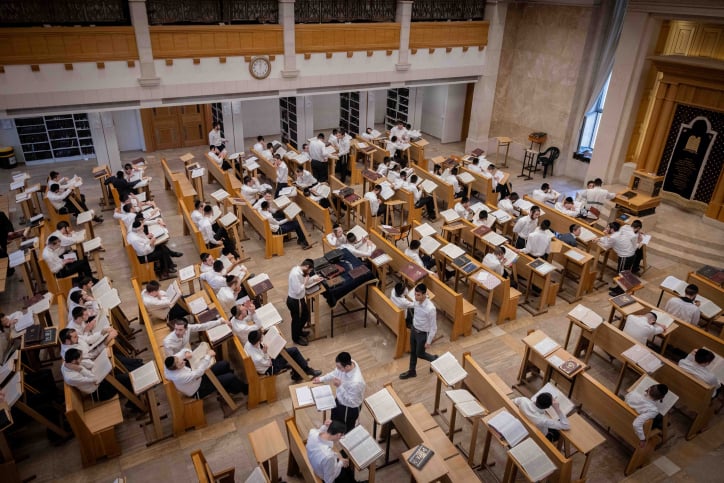
The battle over whether Haredi men should serve in the military has been one of Israel’s defining political issues of the past quarter-century. A series of laws and commissions dating back to the 1990s has attempted to gradually coax Haredi men into the military. The IDF has formed special units that cater to Haredi needs around dietary laws and gender-based segregation.
But Haredi enlistment numbers have not meaningfully budged, in part because Haredi political parties have sat in nearly every coalition government since 1996, and have used their power to block efforts to draft their voters.
Large segments of Haredi society are not Zionist and do not recognize the legitimacy of a secular Jewish state — though that is shifting — and do believe deeply in the spiritual necessity of Torah study for the protection of the Jewish people in Israel and abroad. Some also fear that joining the army would erode their religious commitments by placing them in a largely secular atmosphere.
A 2014 law passed by a relatively secularist government that would have eventually mandated Haredi conscription was repealed when Haredi leaders reentered the cabinet after elections the next year. Haredim argued that the law damaged Torah study and exacerbated divisions in Israeli society.
“United Torah Judaism says, ‘We’re ready to take part in equalizing the burden, but in a fair way and not in a populist way,’” Haredi activist Shmuel Drilman told JTA in 2015, referencing a Haredi political party.
Debate over drafting Haredi men was also the proximate cause of the political crisis that saw Israel hold five rounds of national elections between 2019 and 2022. And Haredi parties strongly supported the government’s effort last year to weaken the judiciary — in part because they were worried the court could force their sons to enlist.

How is this connected to the Israel-Hamas war?
Despite a series of court challenges to the Haredi exemption, the day of reckoning on the issue has been regularly postponed through temporary laws. But a stopgap measure that allowed continued Haredi draft deferral will expire on Sunday, returning the issue to legal limbo and threatening to plunge Israel into political turmoil.
In the past, the advocates of Haredi conscription have framed the issue somewhat abstractly as an imperative for citizens to “share the burden” of serving the country. This year, Israelis say the need for soldiers feels far more concrete.
Gantz’s party has vowed not to support another law that allows Haredim to dodge the draft. And the issue has gained more urgency after the Defense Ministry published regulations last month that would require reservists to serve 42 days per year instead of an average of 18. Reservists would also serve until age 45 rather than 40; officers would need to serve until age 50.
The regulations were published while large numbers of reserve soldiers had been away from their families for months, since shortly after October 7. Moreover, most Israelis believe the war in Gaza will be followed by another against Hezbollah in Lebanon, which could require even more troops.
In the face of those threats, a group of reserve officers wrote a letter to Israel’s leadership saying that continued Haredi draft exemptions would “cause great difficulty for our soldiers and, as a result, for us commanders as well.” Should the exemptions continue, the letter warned, “the IDF will no longer be the army of the people. That is an outline that will greatly increase injustice and inequality.”
What happens next?
Netanyahu is attempting to negotiate among centrist coalition partners who insist on drafting Haredim, and Haredi partners who say they will resign if their voters are conscripted, all while keeping his coalition intact.
In the meantime, the High Court has forced the issue by ruling that Haredi yeshivas will see cuts in their funding beginning April 1, effectively endangering stipends for Haredi men who study Torah instead of enlisting.
Yair Lapid, the centrist leader of the parliamentary opposition and a leading advocate for Haredi conscription, used the debate as an opportunity to attack Netanyahu.
“At a time of war, the only thing Netanyahu dealt with in recent days was to search for a blanket exemption for Haredi conscription, which would ensure his coalition’s stability,” Lapid wrote on X. “There’s no reason to approve another deferral.”
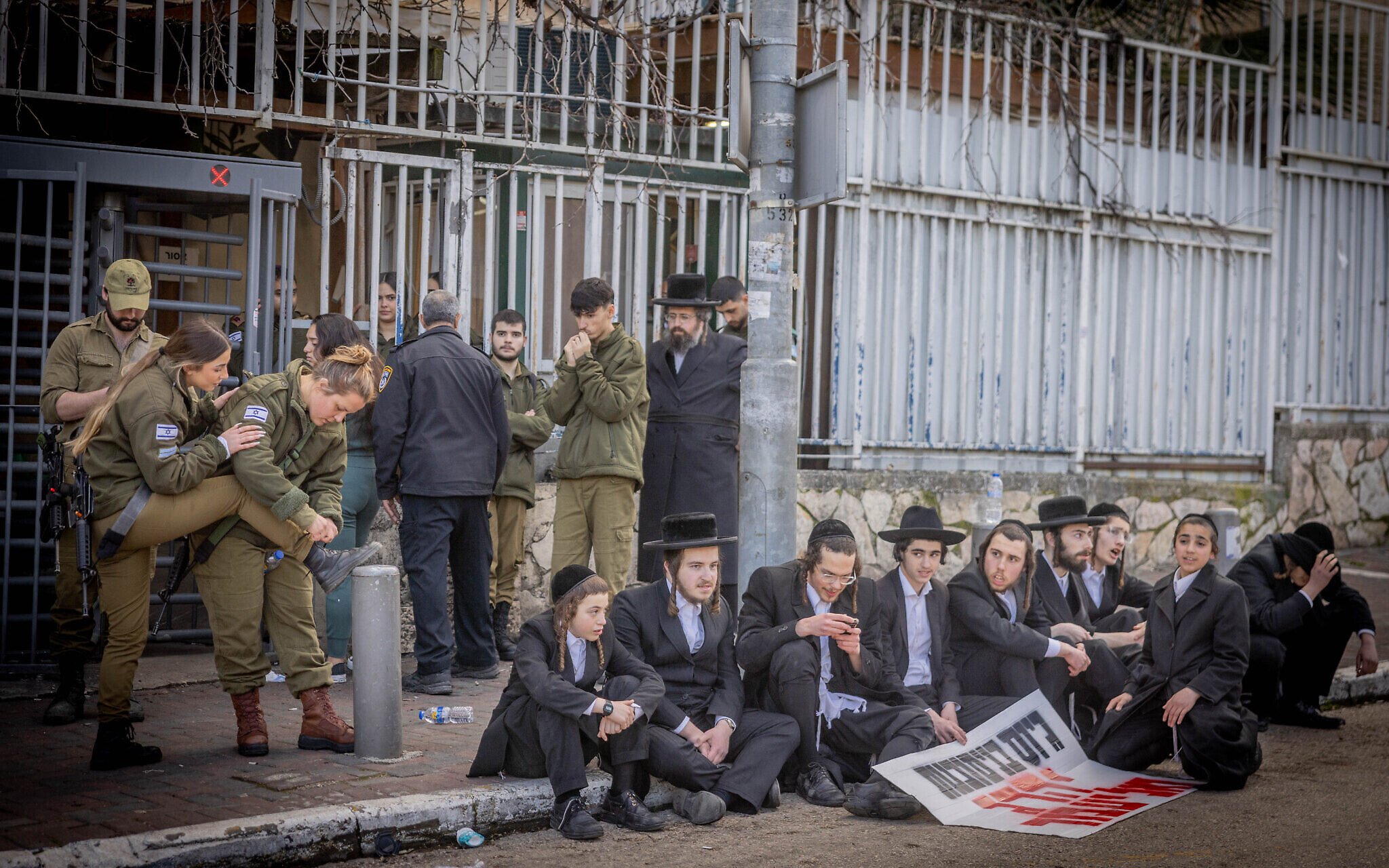
But Haredi leaders, who have responded to conscription efforts in the past with mass protest and civil disobedience, say they will continue to resist the draft and insist on the value of Torah study.
“If they force us to go to the army, we’ll all move abroad,” Israel’s Sephardic Chief Rabbi, Yitzhak Yosef, said earlier in March. “The soldiers succeed only thanks to those learning Torah.”





The Times of Israel Community.