

Despite protests, Israeli Biennale pavilion opens, includes Jewish mystical symbols
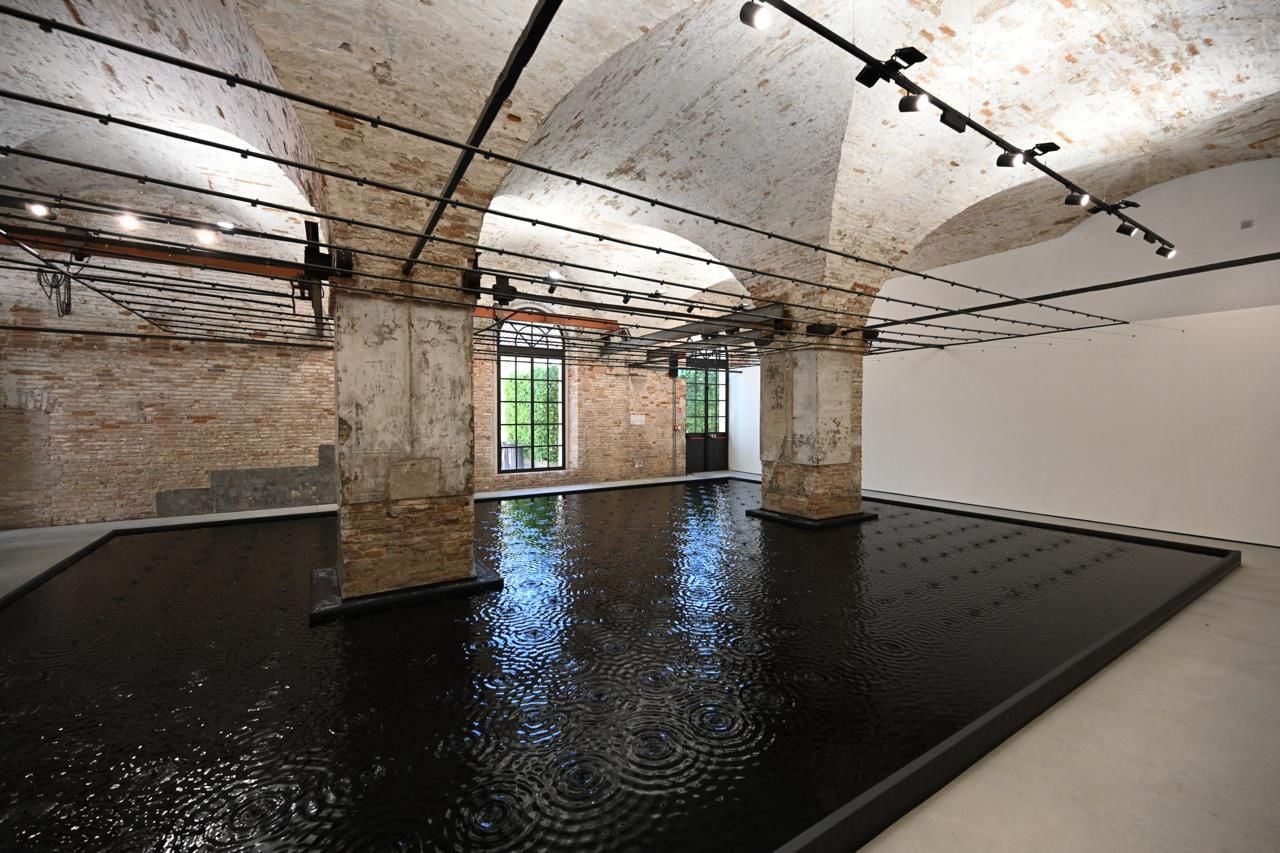
Tubes dripping with water, mezuzah scrolls and locks printed with commandments make up ‘Rose of Nothingness,’ artist Belu-Simion Fainaru’s installation
 Add ToI as a Preferred Source on Google
Jessica Steinberg, The Times of Israel's culture and lifestyles editor, covers the Sabra scene from south to north and back to the center
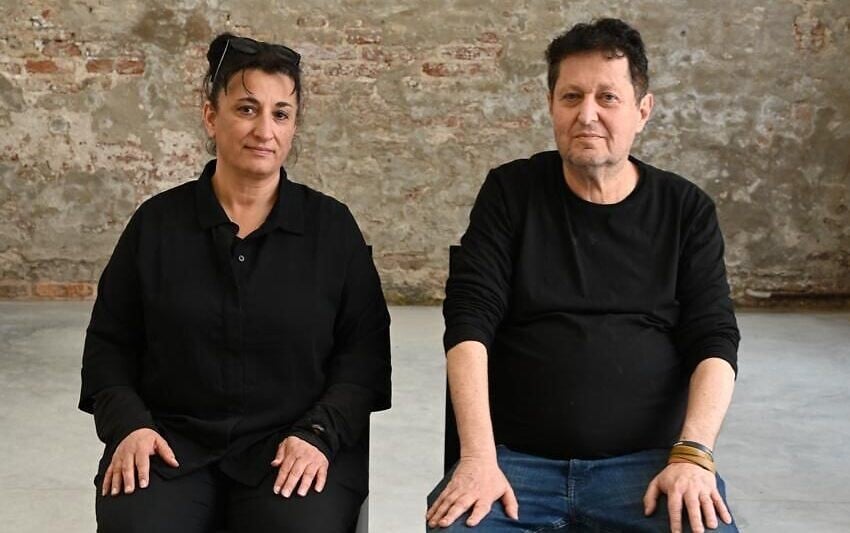
After a series of vociferous protests against Israel’s inclusion in the 61st Venice Biennale contemporary art exhibition, including the jury’s resignation, artist Belu-Simion Fainaru finally greeted the public on Sunday at his country’s installation.
“Israel’s pavilion is full of visitors,” Fainaru told The Times of Israel. “People really seem to like it; they feel connected to it.”
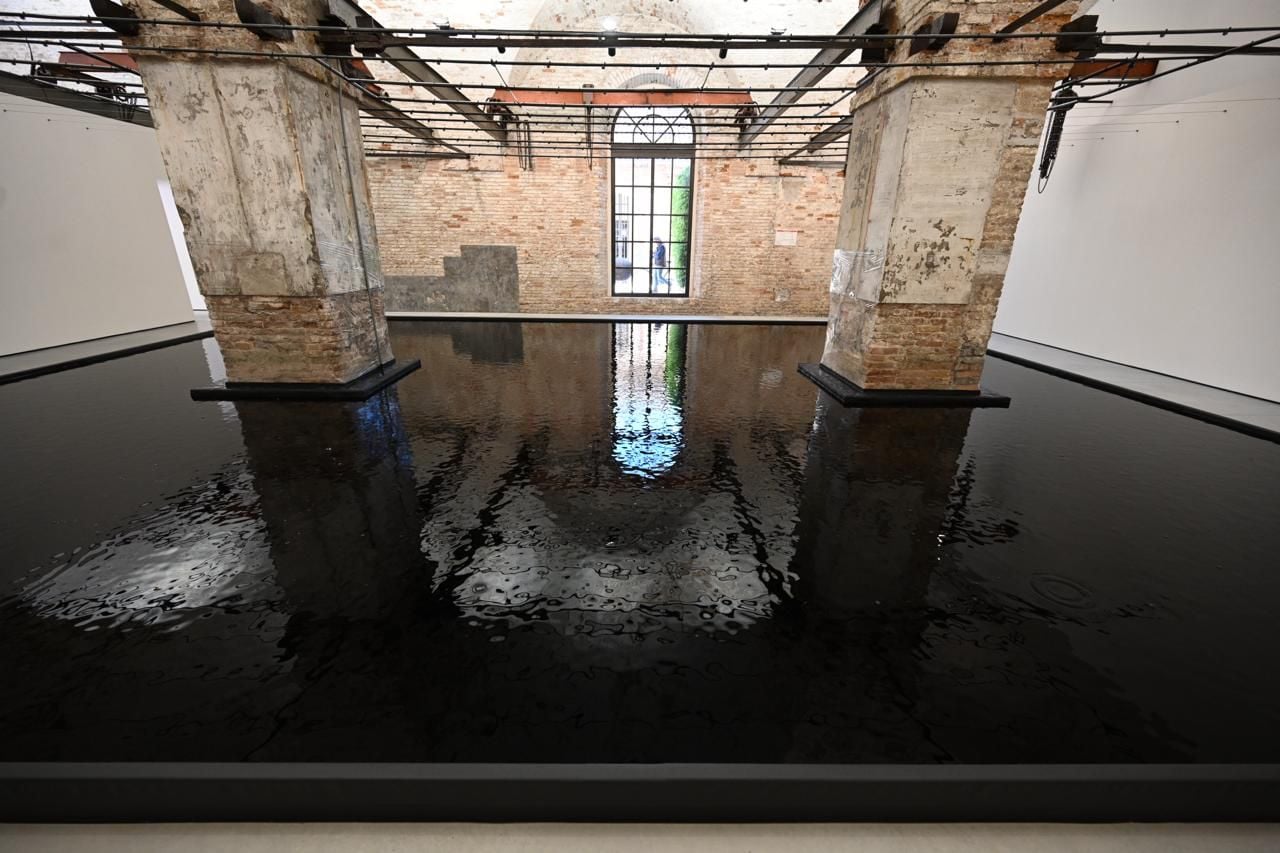
Inside the Israeli pavilion, Fainaru created an installation of water dripping from irrigation tubes — using those invented by Rafi Mehudar of water tech company Netafim for arid desert farming — into a pool.
The cycles run for 42 seconds, said Fainaru, representing the divine creative powers of Jewish mysticism.
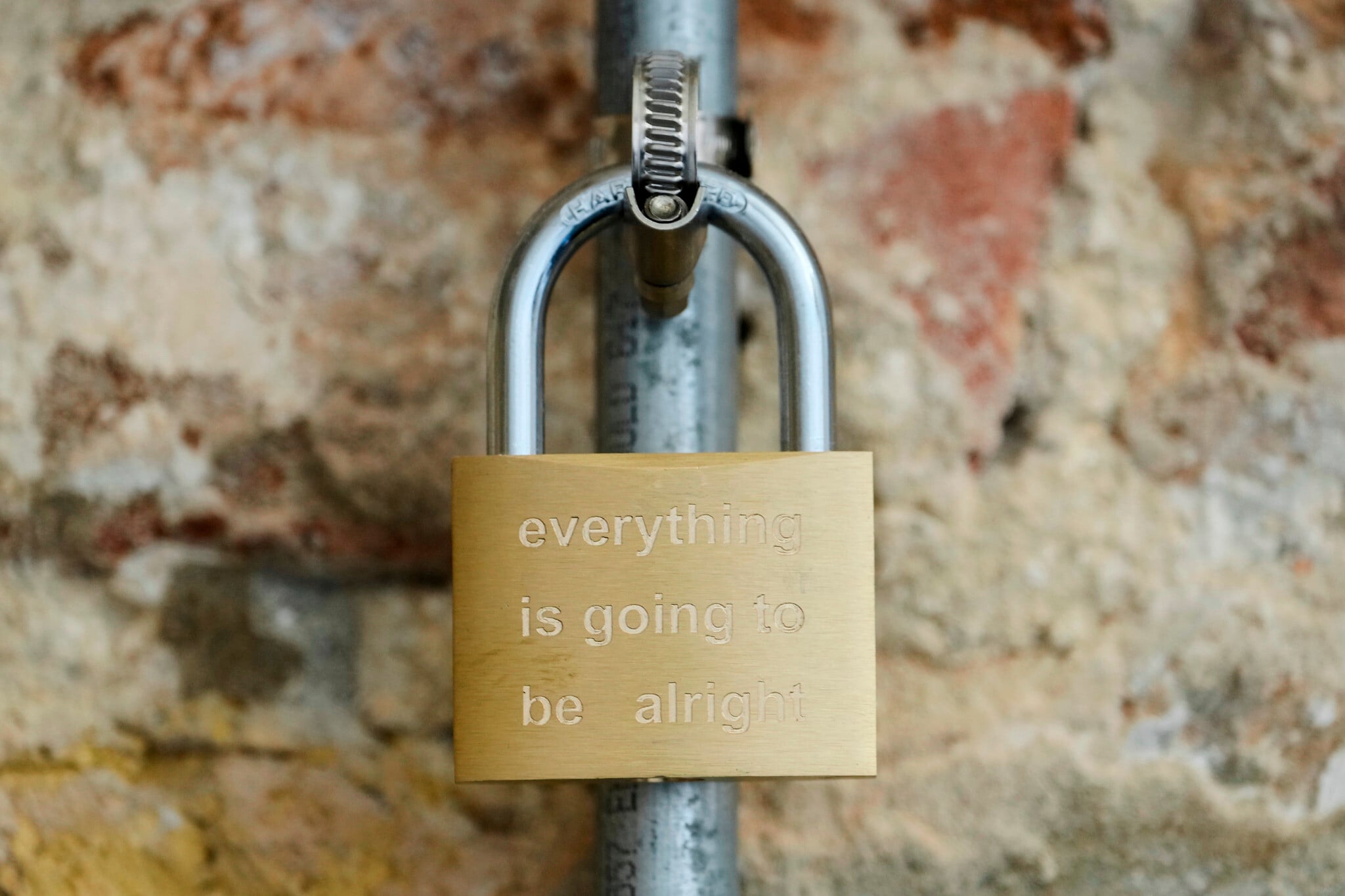
Other aspects of the Israeli installation, titled “Rose of Nothingness,” include locks engraved with the commandment “Love thy neighbor as thyself” or “everything is going to be all right.”
He also placed mezuzahs — sacred Jewish parchment scrolls featuring handwritten Hebrew verses from the Torah that are affixed to the doorposts of Jewish homes as a reminder of God’s presence — on the doorways of the pavilion, within the 500-year-old Arsenale complex.
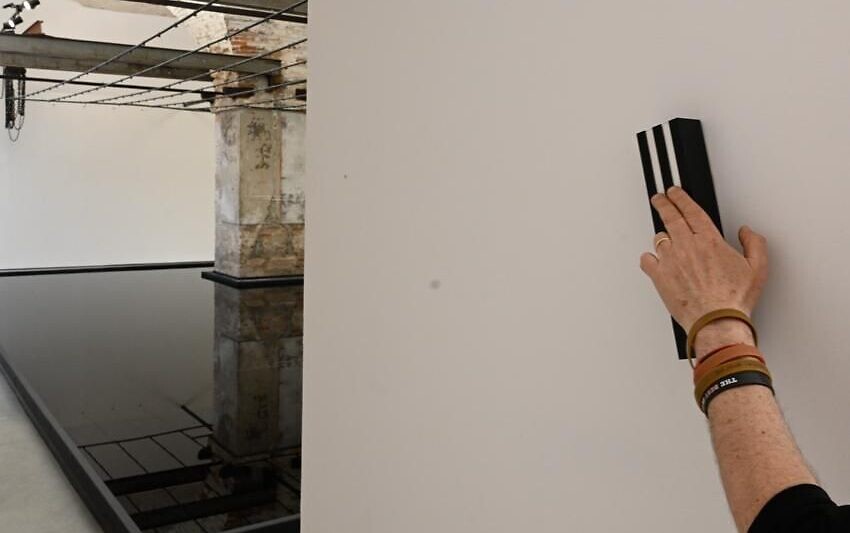
“Some of the viewers come in and kiss the mezuzah,” said Fainaru, referring to an ancient Jewish custom. “They don’t expect to see a mezuzah.”
He said that other participating artists have come over to the pavilion to greet him and tell him they’re Jewish.
“They’re all talking about their identity. It’s not something I’ve ever experienced before, but now it’s important for people to acknowledge that,” said Fainaru.
Last week, some 2,000 pro-Palestinian, anti-Israel protesters staged a march that tried at one point to get to the Arsenale and briefly clashed with the police.
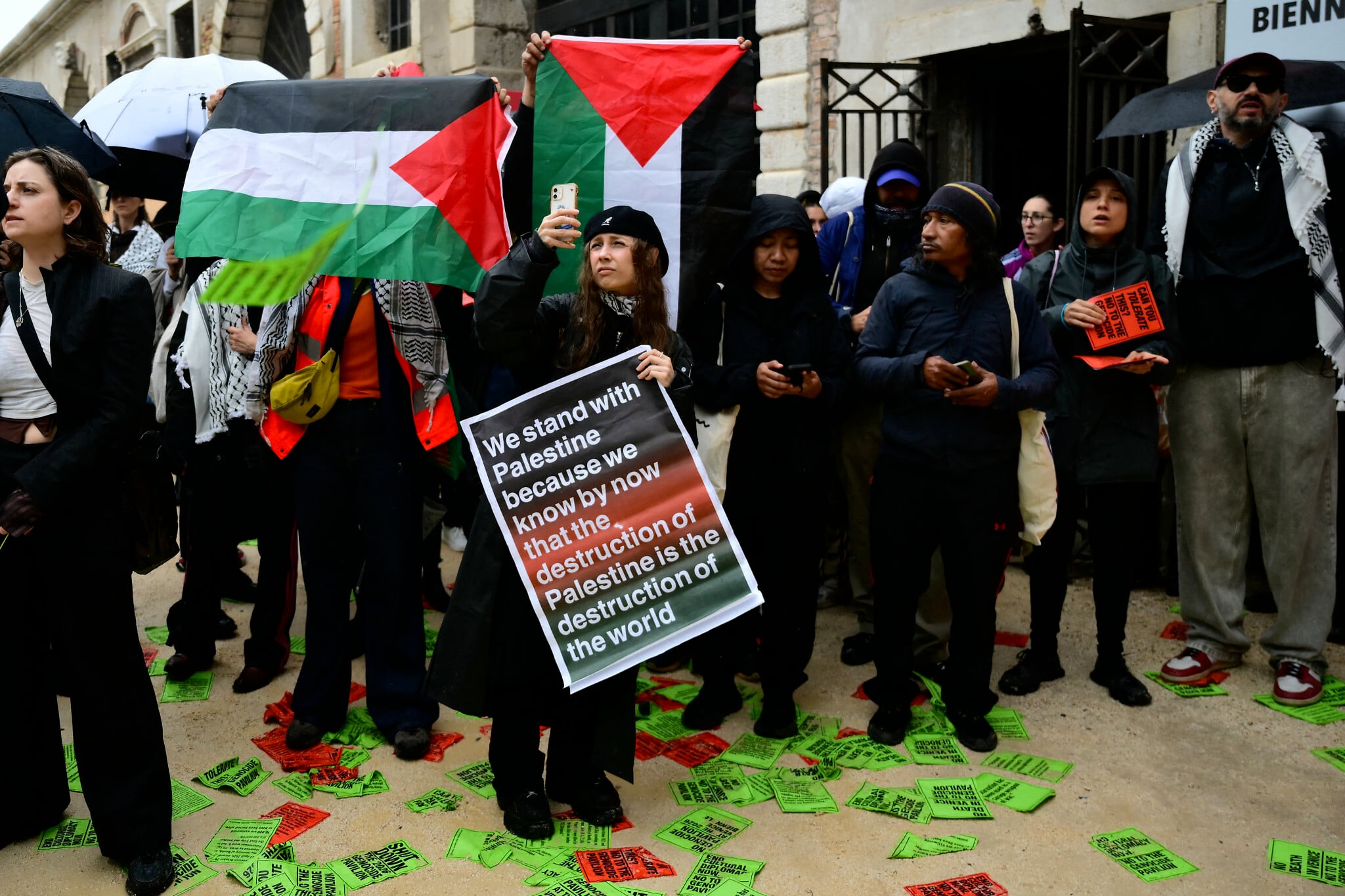
But when the pavilion opened Saturday to the public, visitors stood in line to enter, said Fainaru.
“If it’s the audience, they just talk about the work,” he said. “The hubbub around all of this is politics and the media, which focus on that. The audience is here for the art.”
The Venice Biennale is an international cultural organization started in 1895 that presents major cultural festivals and runs its flagship art and architecture exhibitions on alternating years.
Participating countries set up pavilions in Venice, and the art biennial typically attracts more than 600,000 visitors over its seven-month run. This year’s festival opened to the public on May 9.
It isn’t Fainaru’s first time presenting at a biennale. He participated in the 2019 representing Romania, the country where he was born and raised.
The sculptor, an Israel Prize recipient and professor of architecture at the University of Haifa, exhibited a selection of Israeli artworks at the International Biennale of Havana last January, despite Israel and Cuba not having formal relations.
“It’s not an obvious kind of thing at all,” said Fainaru at the time.

Fainaru and curator Avital Bar-Shay, his life partner, are also the creators of the Mediterranean Biennale, an art exhibit usually held in northern Israel.
“Biennales used to be about love of art, now it’s become all politics — political fights and political interests and all about geopolitics and less focused on art. If it continues like this, art will be something else — not a place of freedom and expression and creativity, but a violent environment,” he said.
Even so, the 66-year-old artist said he hadn’t anticipated this level of protest at the Biennale.
“The management is no less surprised than I am, and they don’t know how to deal with it,” he said.
Ahead of its resignation, the jury had said it would not award prizes to countries whose leaders were under investigation by the International Criminal Court. Israel’s Prime Minister Benjamin Netanyahu and Russian President Vladimir Putin both face such charges.
Instead, visitors to the Biennale will choose two winners, for best national participant and best main show participant, both to be awarded on November 22, the closing day of the Biennale.
Fainaru said that the president of the Biennale reached out to him to meet along with other Italian elected officials.
“They’re offering me support, they came to my pavilion, they came physically to support me,” said Fainaru.
Fainaru said he has also received support from Cubans at the Biennale, as well as Iranian and Lebanese visitors, despite Israel’s current fragile ceasefires following the recent war with Iran and its proxy Hezbollah in Lebanon.
“The Iranians were the first to arrive at the Israel pavilion, and the Lebanese came too; they want me to come to Beirut,” he said. “I told them it’s an hour and a half from Haifa by car.”
It all proves that there is a place for art and ties between people, said Fainaru.
‘I’m not political; I came as an artist,” he said. “Like all the other artists.”




The Times of Israel Community.