

Education minister says wartime school limitations will likely be extended
PM and top cabinet ministers to meet on possibilities for reopening education system; move dependent on assessment by IDF Home Front of Iranian missile fire threat
 Add ToI as a Preferred Source on Google
Rossella Tercatin is The Times of Israel's archaeology and religions reporter.
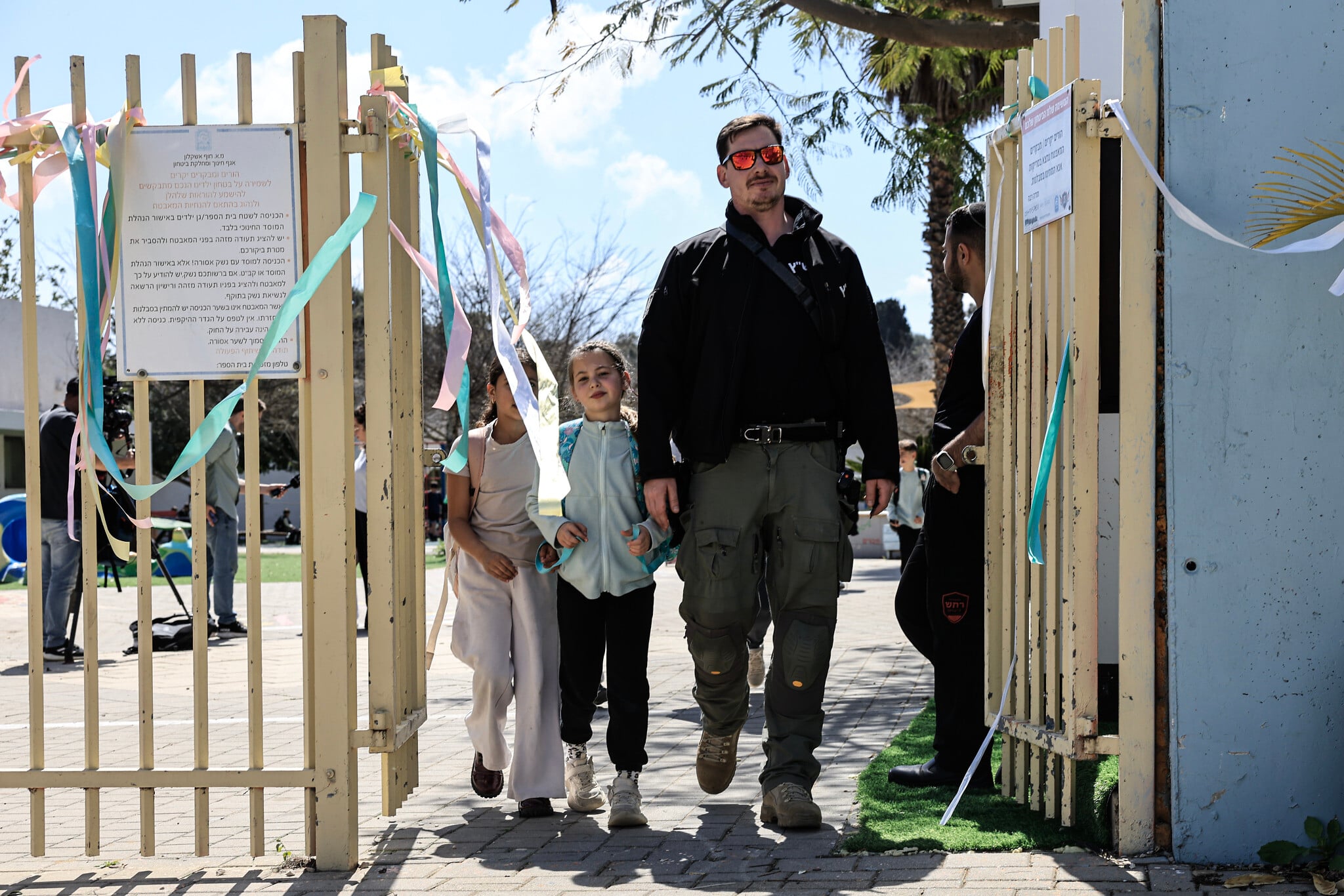
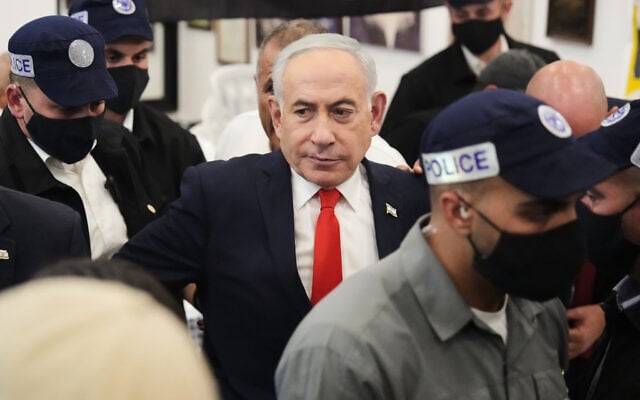
Prime Minister Benjamin Netanyahu, Education Minister Yoav Kisch, and other ministers were set to discuss on Monday the next steps for the education system in the shadow of the war with Iran that has left the country’s 2.5 million children stuck at home for five weeks since the outbreak of hostilities.
The meeting, which will cover a range of national issues, will include Defense Minister Israel Katz and Finance Minister Bezalel Smotrich, Kisch said in a statement. Education will be one of the topics on the agenda.
Israel and the US launched their campaign against Iran on February 28 in a bid to destabilize the regime and destroy its nuclear and ballistic missile capacities. Iran has responded with missile and drone strikes across the region, including at Israel, forcing the closure of schools as a precaution.
Ordinarily, schools in Israel would reopen on Thursday after the end of the week-long Passover holiday. This year, the education system used online video teaching to provide some sessions for students after the war started, which continued until a break started shortly before Passover.
Kisch said the current instructional framework, which allows in-person learning only in areas designated by the Home Front Command as having a lower risk of attacks, will be extended at least until the end of the week, provided there is no change in the HFC guidelines. The decision was made after discussion with representatives of the local authorities and parents, among others.
The Home Front Command typically conducts assessments every two or three days.

Under the current guidelines, areas of the country are designated as yellow and orange. In the former, provided that a shelter can be reached within the time available to reach a protected space, educational activities can be held in person, and gatherings can include up to 50 people outdoors and 100 people indoors. In the latter, educational activities are prohibited, and gatherings can include up to 50 people, provided that shelter is available (workplaces with access to shelters can operate in both areas).
Currently, most of Israel is labeled as orange; yellow areas include the Gaza border communities, the Lower Galilee, Arava, and the West Bank.
A new assessment is scheduled for later Monday evening.
According to the statement, the Education Ministry is also working on possible outlines to expand in-person learning, among others, considering a rotating system alternating between in-person and remote learning, with some 30 to 50 percent of the students attending classes in person at one time.
Blue and White party chairman Benny Gantz demanded that the government reopen schools despite the ongoing war with Iran, stating that any educational institution that “has a protected space can and should return” in order to relieve parents of the burden of taking care of children staying at home.
“The education system needs to open up, and the government needs to save parents the headache, and announce today that unless there is a dramatic change in the situational assessment, the entire education system will return after the holiday,” he said.
The central region coastal city of Bat Yam announced that it would open kindergartens and some in-school teaching after Passover. The municipality noted that the move would be dependent on approval from the IDF Home Front and the Education Ministry. Also, parents who opposed the idea would not be required to send their children to school.
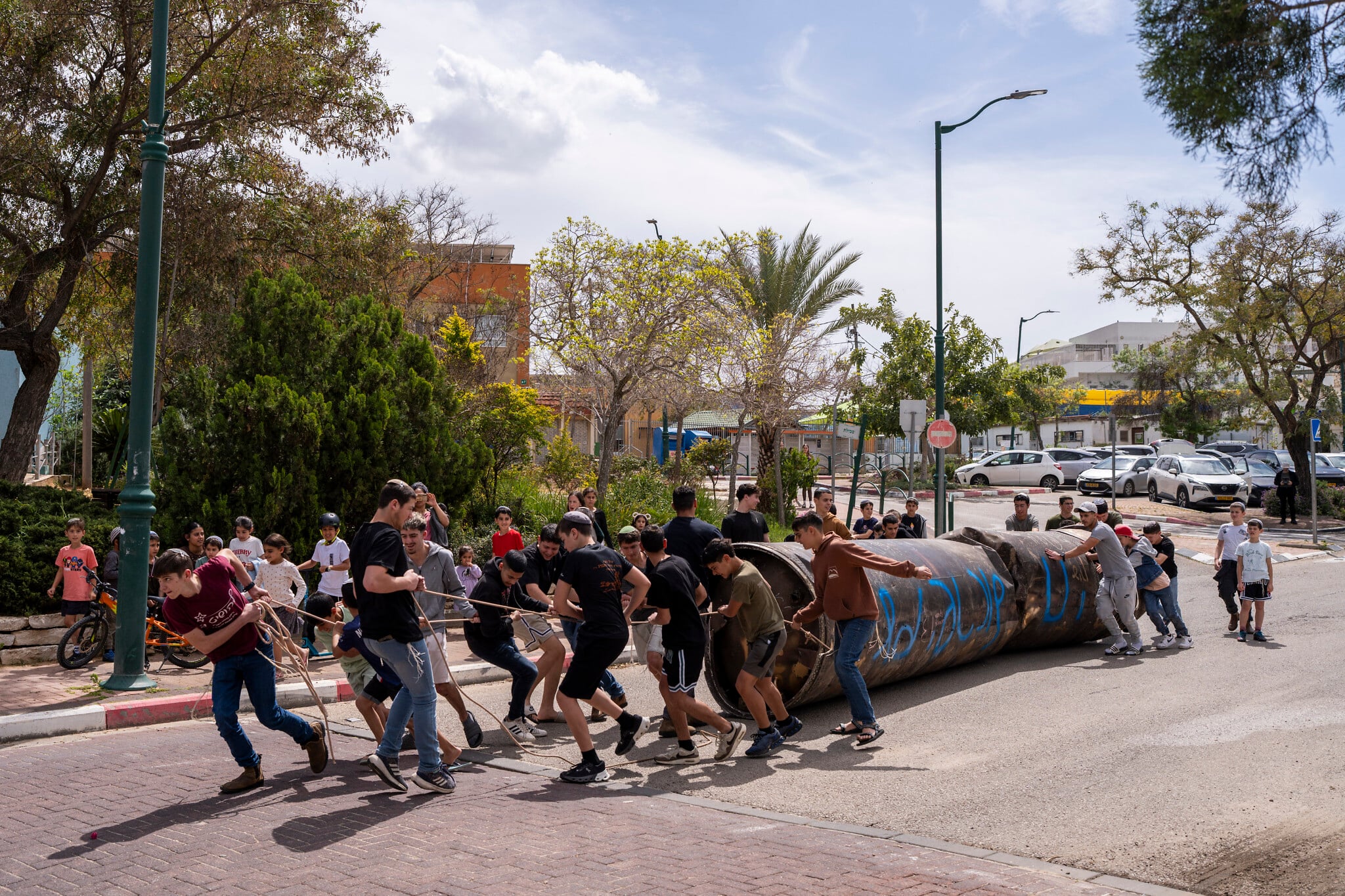
In a statement, Bat Yam Mayor Tzvika Brot said the move was to “enable carrying on life in the shadow of the war.”
He claimed that 50% of the children in the Gush Dan area don’t have a proper shelter where they are living, but that all of those who go to a kindergarten will have a shelter available if there is a siren.
Meanwhile, the head of Jerusalem’s education administration sent a message to the capital’s schools telling them that schools will not open on Thursday, the Kan public broadcaster reported.
“The security reality still doesn’t allow for full opening and regular opening of schools,” the message said.
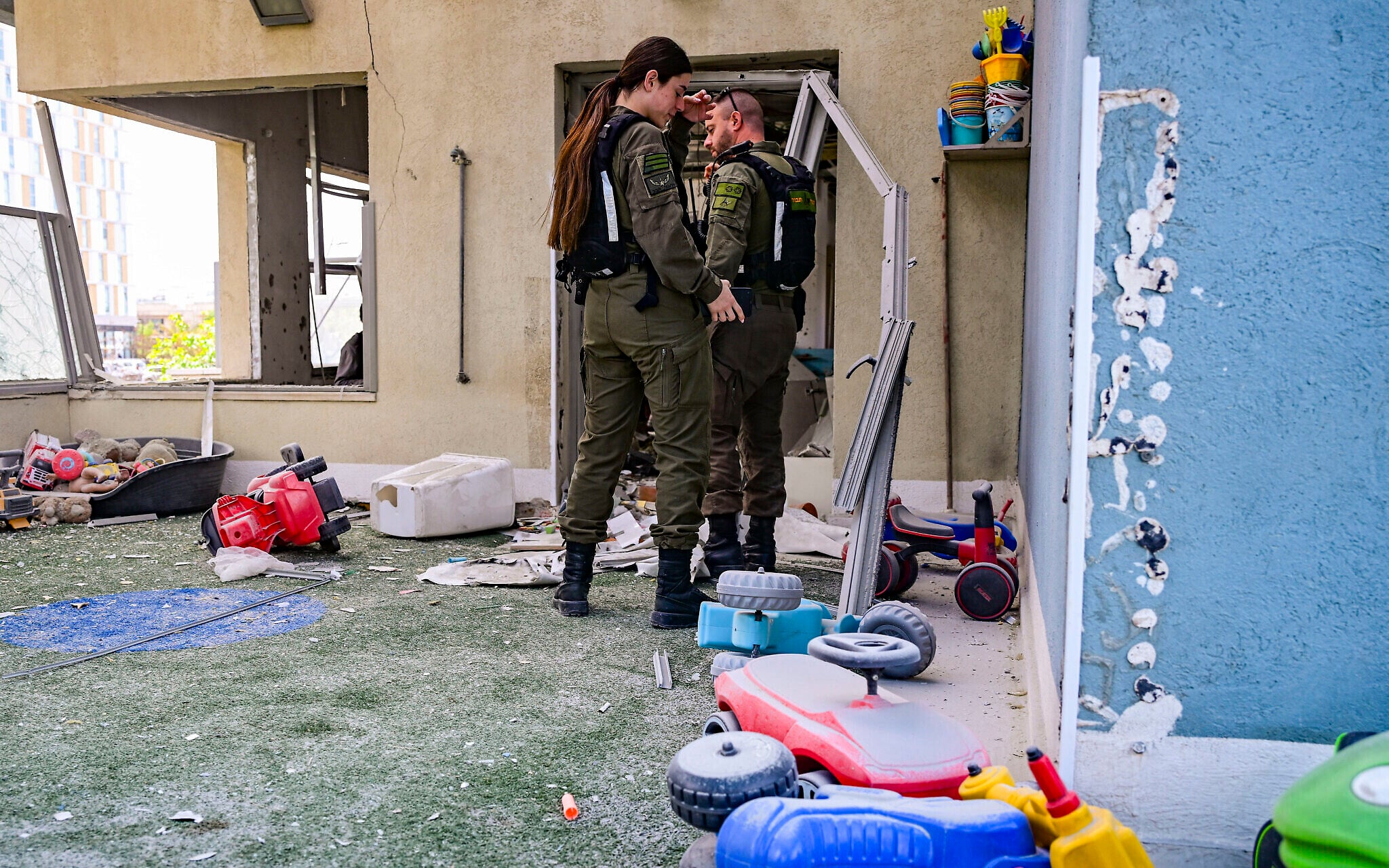
The Education Ministry does not possess any data on the existence of bomb shelters in about 50% of kindergartens, according to a recent report by the Knesset Research and Information Center.
Meanwhile, 14% of Israeli schools have no protection, while 24% have partial protection. That means that about 466,000 students, comprising roughly one-quarter of the country’s schoolchildren, lack adequate protection, although the State Comptroller has said that 36% of the Education Ministry’s data is outdated, having last been collected between 2018 and 2021.





The Times of Israel Community.