

Environment minister unveils key points of plan to fight West Bank waste fires
Plan includes boosting enforcement, expanding West Bank infrastructure; environmental NGOs praise transparency, but ask to see budgets, timetables
 Add ToI as a Preferred Source on Google
Sue Surkes is The Times of Israel's environment reporter
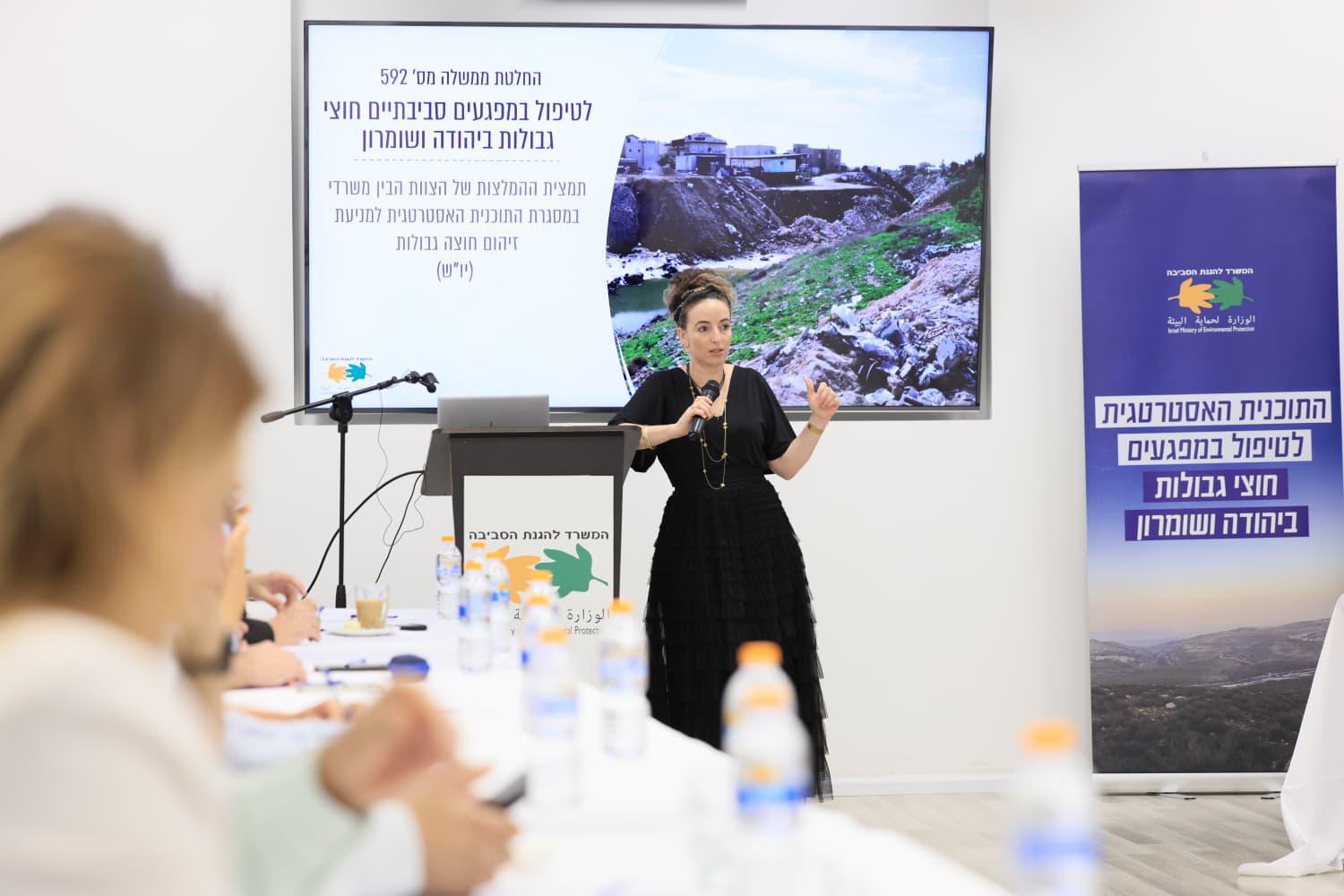
Environmental Protection Minister Idit Silman on Tuesday announced key elements of a strategic plan to reduce waste burning in the West Bank that is causing rising pollution in Israel.
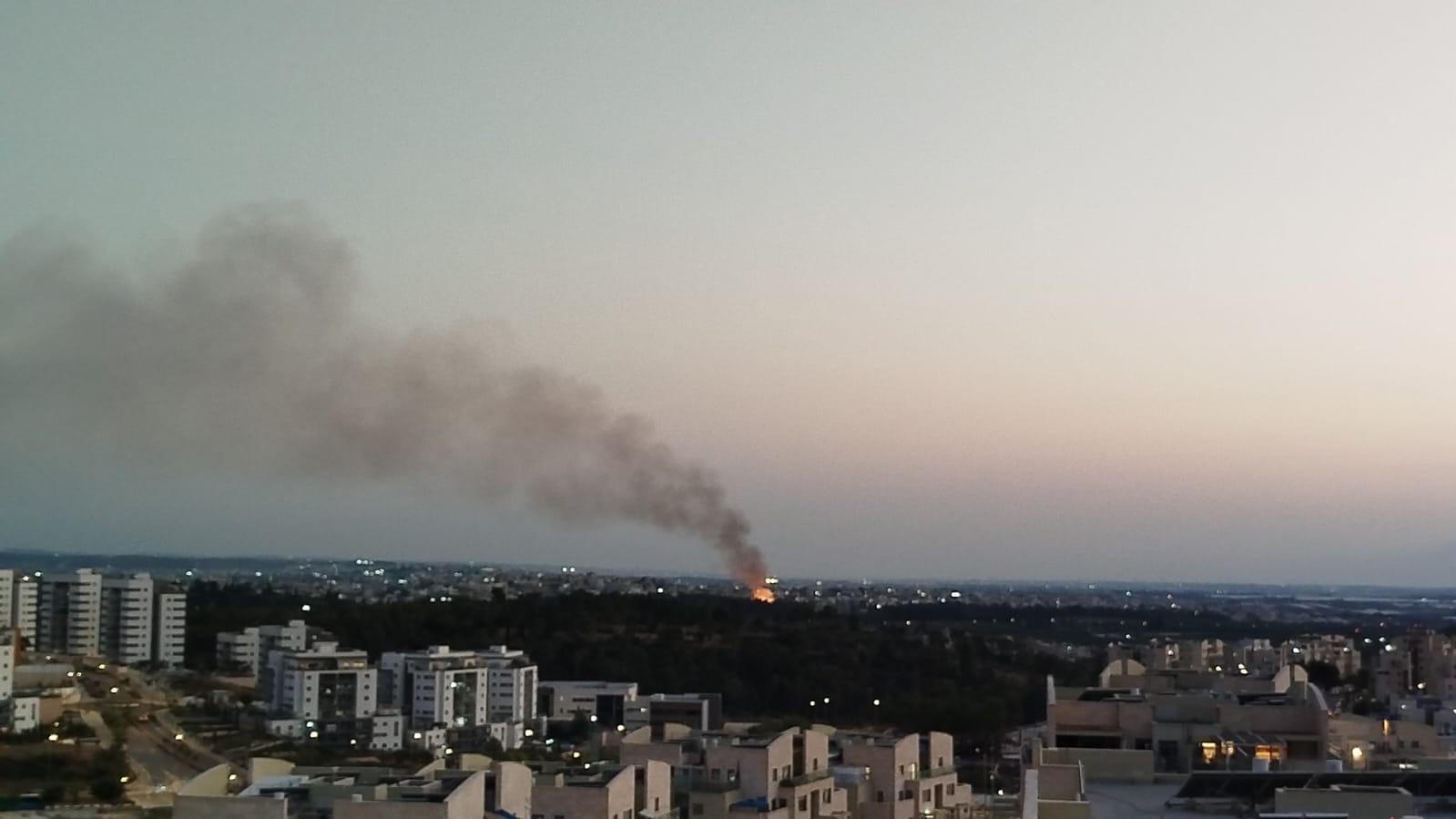
As The Times of Israel reported on Sunday, the NGO Citizens for Clean Air logged 1,800 complaints from Israelis about pollution and foul smells last month, nearly triple those submitted in August.
Complaints are now coming not only from communities along the Green Line separating Israel and the West Bank, but from cities further inside Israel, such as Yehud, Kiryat Ono, Petah Tikva and even Tel Aviv.
For years, West Bank Palestinians, with a dearth of landfills and unreliable public services, have resorted to burning their refuse by the side of the road.
There is just one landfill site for the whole of the northern West Bank, near the city of Jenin, while another serves the southern West Bank, near Bethlehem.
On paper, local Palestinian authorities in the West Bank are supposed to collect trash from households and contract with truck companies that will transport non-recyclable garbage to landfill sites. But, in reality, to save time and money, many truck drivers dump the trash along the road, without fear of consequences from law enforcement.
The piles are burned outside of the Palestinian villages, though it is unclear whether the truck drivers or locals light the fires.
In June 2023, the government ordered the Environmental Protection and Defense ministries to establish an inter-ministerial team to formulate a comprehensive plan to deal with the problem within six months.
According to Silman’s office, the Defense Ministry only responded — and even then just partially — in July.
Silman’s announcement followed a meeting she chaired in the central city of Modi’in with the Mayor of Modi’in-Maccabim-Reut and Chairman of the Local Government Center, Haim Bibas, senior ministry officials, heads of Jewish local authorities in the West Bank, and representatives from communities inside Israel.
The plan, which still requires input from the Defense Ministry and government approval, includes long-term steps, for which budgets will need to be found, as well as immediate actions, for which the funding exists, according to a ministry spokesman.
The immediate actions include increased steps to prevent the smuggling of waste from Israel into the West Bank and Gaza Strip; rehabilitating the waste site in Al-Minya, located near the West Bank settlements of Ma’ale Amos and Tekoa; making available engineering tools to extinguish fires that ignite within piles of waste; funding a waste transit station in Abu Dis, near Jerusalem; upgrading sites where equipment can be confiscated; and funding positions for investigators, prosecutors and monitoring teams in the field.
Longer-term steps include passing nine pieces of legislation, five within the framework of regional orders and four in local council regulations, to strengthen supervisory and enforcement powers and increase fines for environmental offenders; boosting enforcement in Areas C and B of the West Bank, where Israel has full security control; and integrating the police, the IDF and the security establishment in environmental protection missions.
Additional proposals are to create a 24/7 center that will coordinate inquiries and reports on environmental hazards in cooperation with the fire and rescue services, the Civil Administration, Israel’s civil arm in the West Bank, and the Israel Police; expanding waste treatment infrastructure, which will include sorting, treatment and landfill facilities, energy recovery facilities, transit stations and organic waste treatment sites; establishing air monitoring stations in the West Bank; and encouraging the international community and donor countries to finance environmental projects among residents of the West Bank and Gaza Strip.
Responding to the proposals, the chairman of Citizens for Clean Air, Yaniv Bleicher, said, “The presentation of the plan by the Ministry of Environmental Protection is a step in the right direction, but without setting timetables, allocating budgetary resources, and establishing a clear implementation mechanism, it will remain on paper only. It is unfortunate that the other government ministries responsible for dealing with the phenomenon, led by the Ministry of Defense, did not participate in the discussion.”
He added: “We are in an environmental and health emergency that requires immediate action. Solutions for the transportation and disposal of waste burned at sites must be urgently promoted, and a dedicated unit with enforcement powers must be established to comprehensively deal with the phenomenon.”
A spokesperson for the environmental advocacy organization, Adam Teva V’Din, which, together with Citizens for Clean Air, has been pushing for publication of the plan, said, “We welcome its release, but demand to see the full program, including details on staffing and budgeting, to ensure that it is a serious and sufficient plan that provides real solutions.”
In contrast to the Environmental Protection Ministry, the Defense Ministry’s settlement directorate is the body with the authority to deal with problems in the West Bank.







The Times of Israel Community.