

Fearing for talks, PM asks High Court to delay a hearing on Palestinian prisoner visits
Netanyahu’s office cites potential harm to efforts to secure return of hostages from Gaza; civil rights attorney rejects implication that renewing Red Cross visits would be impediment
 Add ToI as a Preferred Source on Google
Yuval Yoaz is the legal analyst at Zman Israel, The Times of Israel's sister Hebrew website. He practices law, specializing in public, constitutional and media laws, and is the founder of Israel Democracy Guard. He is a partner in the law office of Karniel & Co Yoaz-Bareket-Jonas.
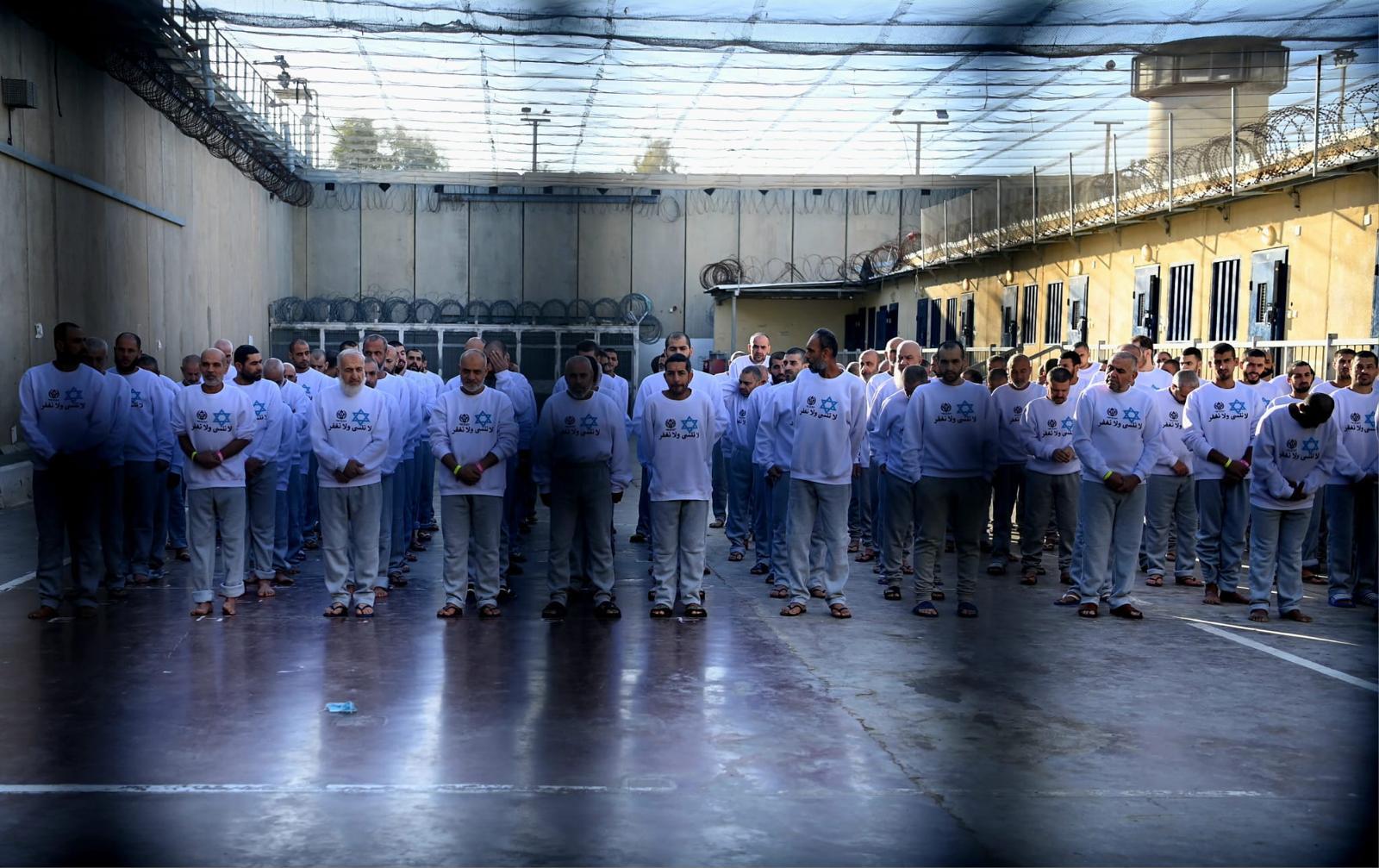
Prime Minister Benjamin Netanyahu’s office on Monday asked the High Court of Justice to postpone by one month a hearing on a petition demanding that representatives of the International Committee of the Red Cross be allowed to visit Palestinian prisoners and detainees from Gaza and the West Bank held in Israel.
In a written request to the court, Netanyahu argued that “any decision on this matter at this time could harm efforts to secure the return of all hostages, both the living and the fallen.”
The request marked the first time the government — through the State Attorney’s Office — has informed the High Court that providing information about the condition of Palestinian prisoners and detainees from Gaza could harm Israel’s standing in the international arena.
Following the October 7 onslaught in which Hamas-led terrorists killed some 1,200 people, most of them civilians, and took 251 hostages, and in the wake of the outbreak of war, the government halted visits by officials of the International Committee of the Red Cross to Palestinian prisoners and detainees held by Israel.
Separately, Hamas has refused to grant the Red Cross access to the Israeli hostages it is holding in Gaza. Its failure to reach the captives has led many Israeli and Jewish organizations to accuse the organization of not trying hard enough and employing a double standard rooted in alleged anti-Israel bias.
Human rights organizations in Israel view the government’s position as an implicit admission that Palestinian prisoners and detainees may be subjected to abuse in Israeli prisons.

Over a year and a half ago, several human rights groups, including the Association for Civil Rights in Israel, Physicians for Human Rights, HaMoked Center for the Defense of the Individual, and Gisha, filed a petition to the High Court regarding the treatment of Palestinian detainees.
The state has long avoided submitting a detailed response to the petition, filing over 20 requests for extensions despite multiple deadlines set by the justices.
In August 2024, Justices Isaac Amit, Yechiel Kasher, and Ruth Ronen issued a conditional order requiring the state to explain two issues: why it continues to enforce a blanket ban on Red Cross visits to Palestinian prisoners and detainees held by the Israel Defense Forces and the Israel Prison Service and why it has not provided the Red Cross with the names of all those in custody.
After repeated delays, the court scheduled a final hearing for two weeks from now. The state was due to file its response Sunday, but instead submitted Netanyahu’s request to defer both the filing and the hearing by another month.
According to the State Attorney’s Office, Netanyahu held a meeting on Sunday attended by Foreign Minister Gideon Sa’ar, National Security Minister Itamar Ben Gvir, Cabinet Secretary Yossi Fuchs, Israel Prison Service Commissioner Kobi Yaakobi, and representatives of the Shin Bet, the IDF, the Prison Service, and the Justice Ministry.
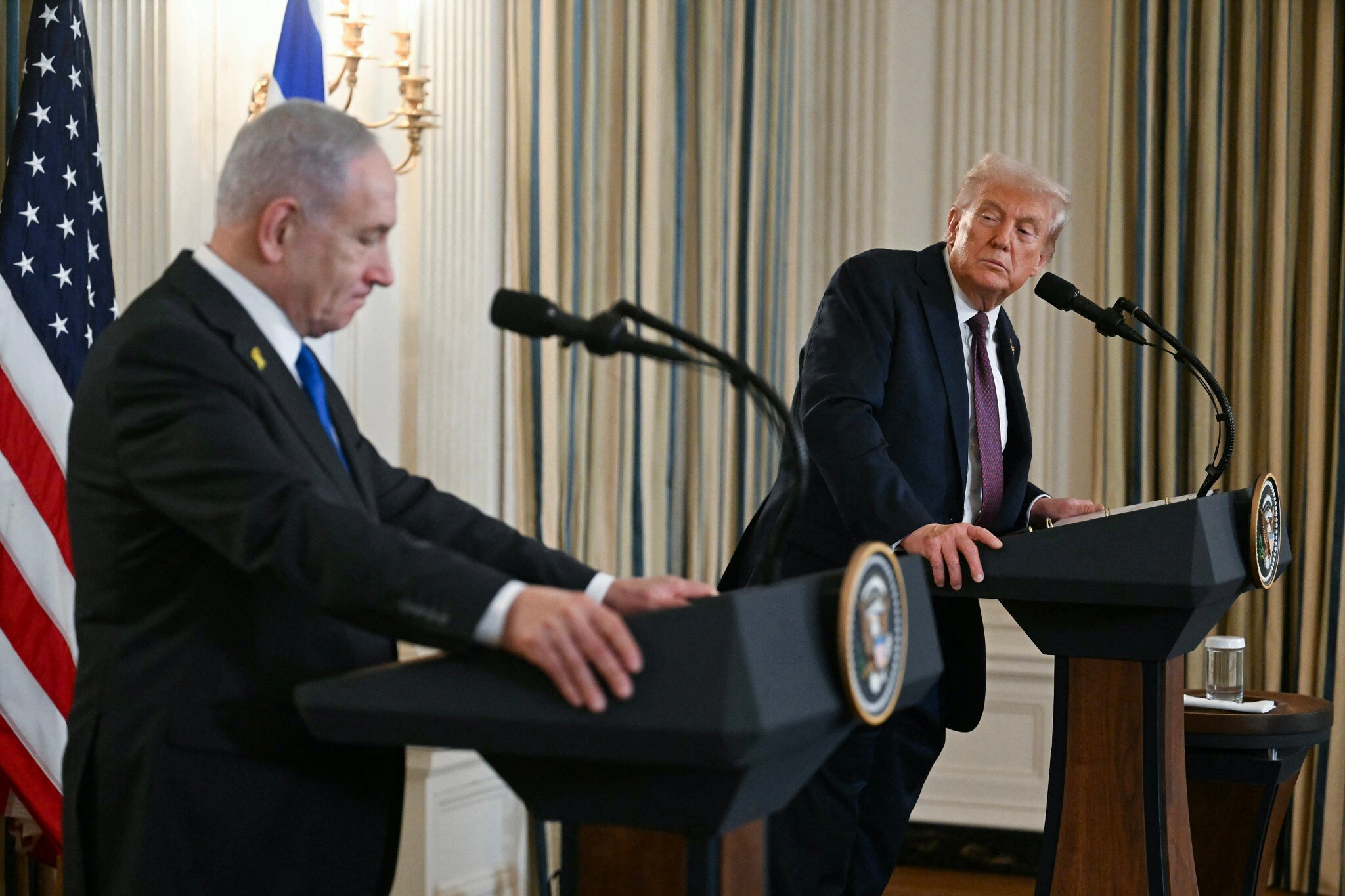
Following the meeting, Netanyahu, with the backing of security officials, asked to delay the proceedings, citing the potentially imminent implementation of US President Donald Trump’s recently unveiled plan for ending the Gaza war.
Attorney Oded Feller of the Association for Civil Rights in Israel responded that the petitioners “hope for the end of this terrible war, for the safe return of all living hostages, for the return of all bodies and for an end to the abuse of prisoners in jails and detention centers.”
“But the petitioners strongly reject the implication that Red Cross visits or the sharing of information about prisoners could impede the return of hostages. These are baseless political claims,” Feller continued.
“The failure to bring back the hostages lies entirely with the prime minister and his government, as does the ongoing suffering caused by their unlawful policies toward Palestinian detainees,” Feller added.
Numerous reports have emerged of abuse by Israeli officials against Palestinian detainees at the Sde Teiman detention facility close to Beersheba, which have resulted in one indictment so far against an IDF reservist, while pre-indictment proceedings are currently in progress against another five suspects.
Dozens of other investigations into such abuse are being conducted by the Military Advocate General’s Office.
According to the United Nations, at least 75 Palestinians have died in Israeli detention and prison facilities since October 7.










The Times of Israel Community.