

Feral dogs from Gaza enter Israel, compounding nature authority’s war woes
Ending 2023 with NIS 150 million deficit, Israel Nature and Parks Authority has one worker in Hamas captivity, 310 serving in the IDF reserves, 118 evacuated from their homes
 Add ToI as a Preferred Source on Google
Sue Surkes is The Times of Israel's environment reporter
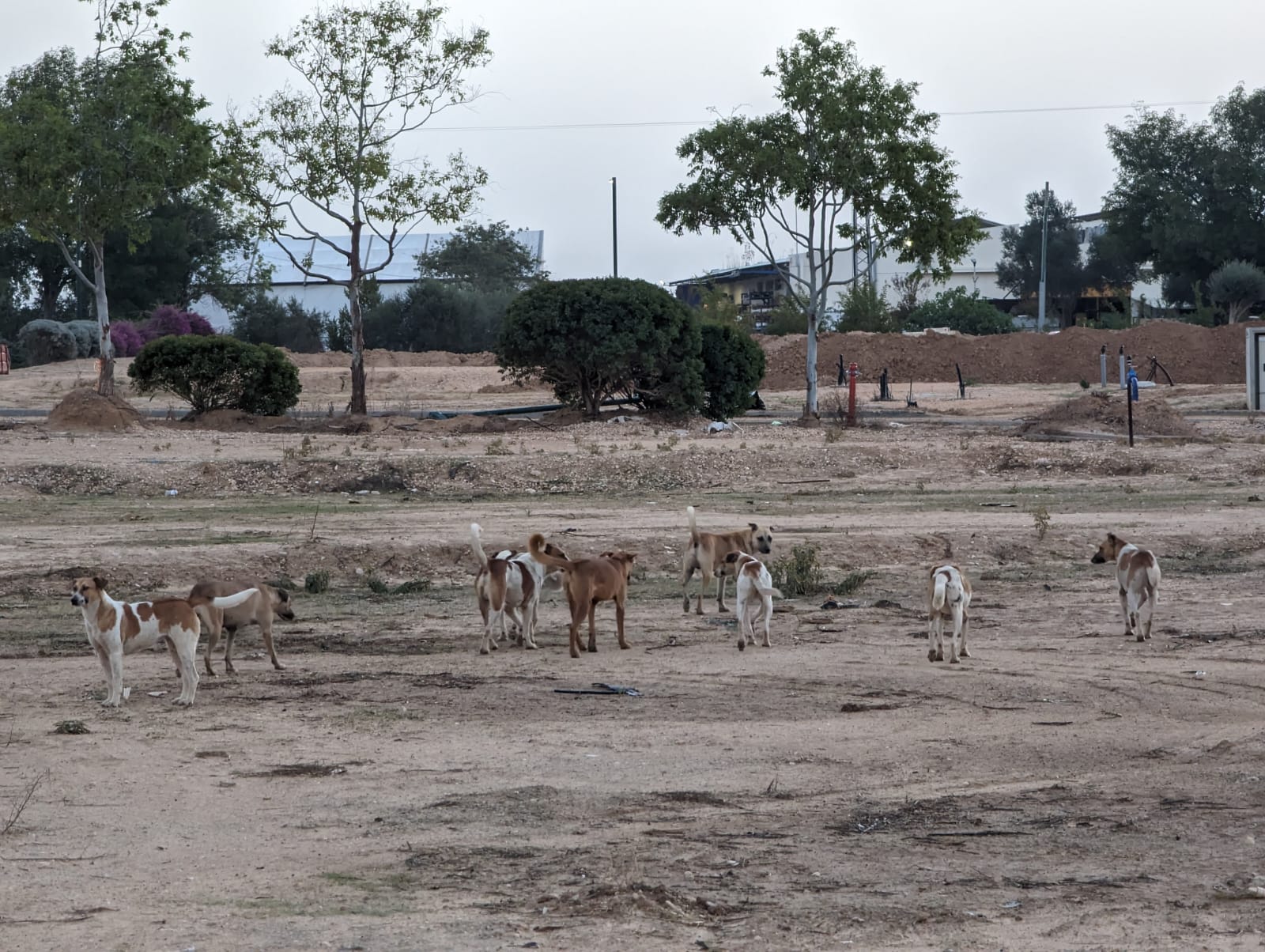
Hundreds of feral dogs have entered Israel from the Gaza Strip since the start of the war against Hamas, but the Israel Nature and Parks Authority is almost powerless to do anything about it without a green light from the ministries of agriculture and environmental protection, INPA chief scientist Dr. Yehoshua Shkedy said Monday.
On October 7, thousands of Hamas terrorists broke through the fence separating Israel from the Gaza Strip, killed 1,200, mostly civilians, and abducted 253 back to the enclave.
Koby Sofer, an INPA inspector for the northern Gaza border area, estimated that 1,000 canines had entered Israel since then. He cited reports of packs trying to hunt gazelles and frightening soldiers.
At this stage, given the current absence of rabies in Gaza, the dogs are not thought to be infected, Shkedy said, but they could be dangerous.
Four years ago, a Bedouin toddler in the Negev in southern Israel — where there is a massive feral dog problem — died after being bitten by a stray dog.
The INPA is permitted to cull feral dogs within nature reserves and a 500-meter (1,640-foot) radius around them.
Along the Gaza border, however, the nature reserves are small.
The INPA has asked Environmental Protection Minister Idit Silman to secure the Agriculture Ministry’s agreement to grant a permit to cull the dogs outside of those limits.
When inspectors were able to catch a feral dog, they handed it over to the nearest local authority, Shkedy added.
The influx of dogs was just one negative impact of the war, INPA officials told journalists at a conference on Monday.
CEO Raya Shourky said Ohad Yahalomi, a veteran INPA employee, responsible for patrols in southern Israel, was believed to be in Hamas captivity.

Among a total workforce of 1,300, 310 employees had been called up to the IDF reserves, 118 had been evacuated from their homes, and 19 INPA sites were still closed to the public. Around 80,000 soldiers and residents of evacuated communities had been hosted at no cost to them in national parks and nature reserves since the start of the war, Shourky added.
Overseas tourism dried up after October 7.
Shourky said the authority finished 2023 with a NIS 150 million ($41 million) deficit, forcing her to freeze tenders, limit overtime pay and fire more than 500 seasonal staff.
Both Shourky and Shkedy bemoaned extensive damage to open spaces in the north and south of the country caused by heavy IDF vehicles, as well as projectiles fired from Gaza by Hamas and from Lebanon by the Iran-backed terror group Hezbollah.
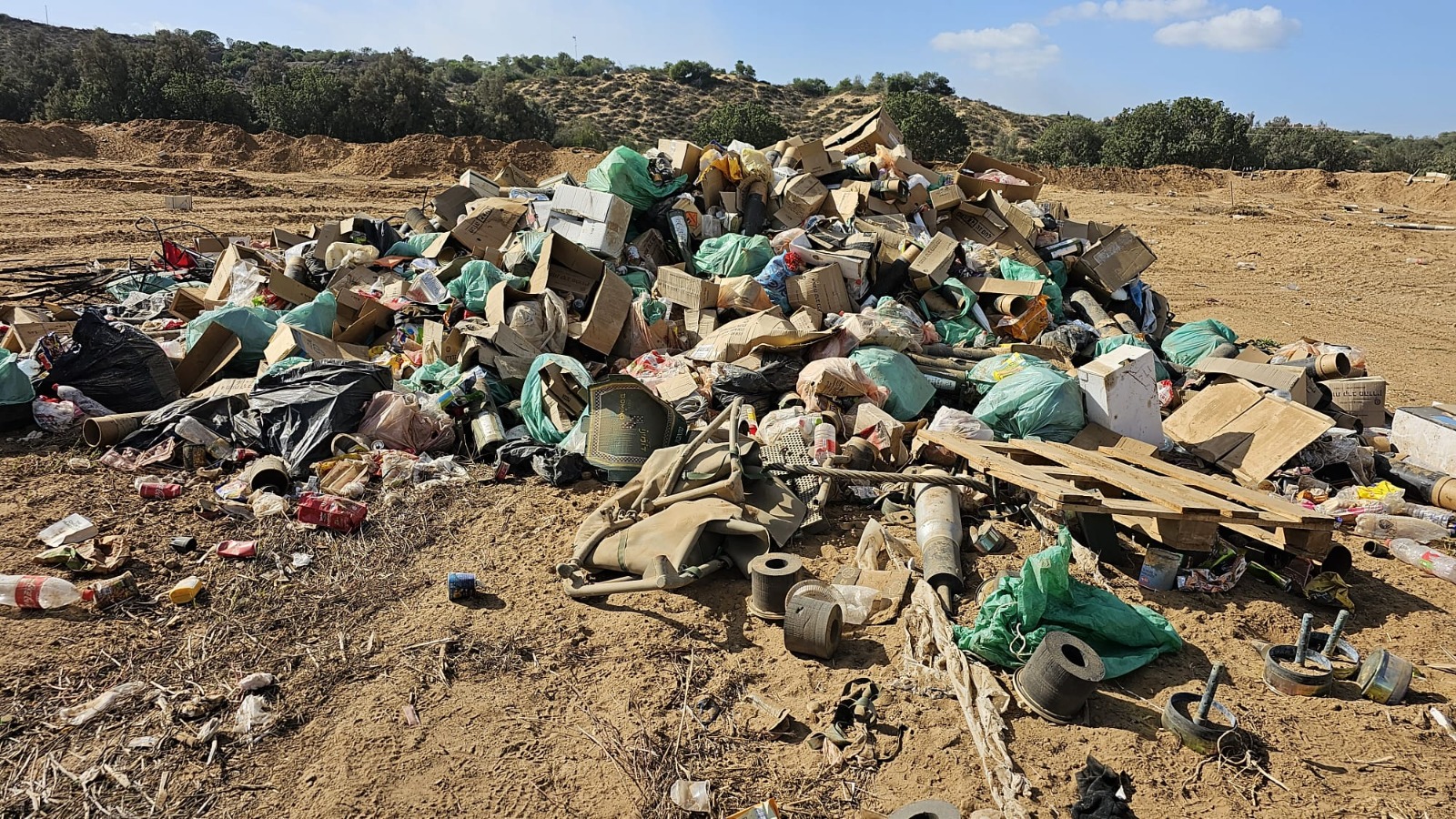
The army had left piles of waste behind in many places, even though things were improving, they said. Projects such as the cutting of new roads for tanks along the Dishon and Aviv riverbeds in northern Israel had not only damaged ecosystems but left piles of rubble. Areas of Mount Hermon in the far north of the country had also been harmed.
Shkedy said he was “most frightened” about what would happen after the war, with the creation of new military bases in the north and additional military posts along the Gaza border, along with all the infrastructure that would be needed.
He feared new construction on open space adjacent to communities that were worst hit by the Hamas onslaught on October 7, and the increased noise, light and entry of alien species that would result.
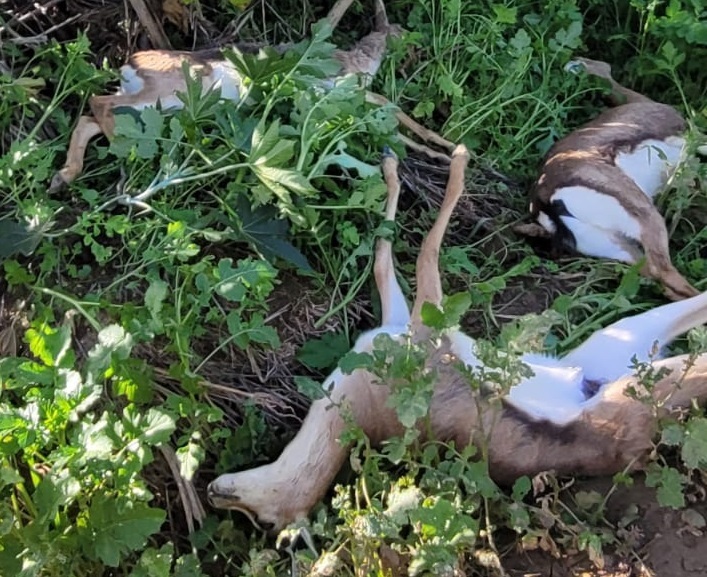
Since October 7, 16 wild creatures died of poisoning, compared with six during the same period last year, Shkedy reported. The victims included seven gazelles near the Gaza border, five of them pregnant females.
The authority has long pressed the Agriculture Ministry to limit the kind of poisons farmers can buy and to provide stiffer punishments for perpetrators, but to no avail.









The Times of Israel Community.