

Five years after his death, online course aims to make Rabbi Sacks’s philosophy go global
A scholar mentored by Sacks hopes to preserve and disseminate the former UK chief rabbi’s legacy as one of the greatest modern Jewish thinkers
 Add ToI as a Preferred Source on Google
Rossella Tercatin is The Times of Israel's archaeology and religions reporter.
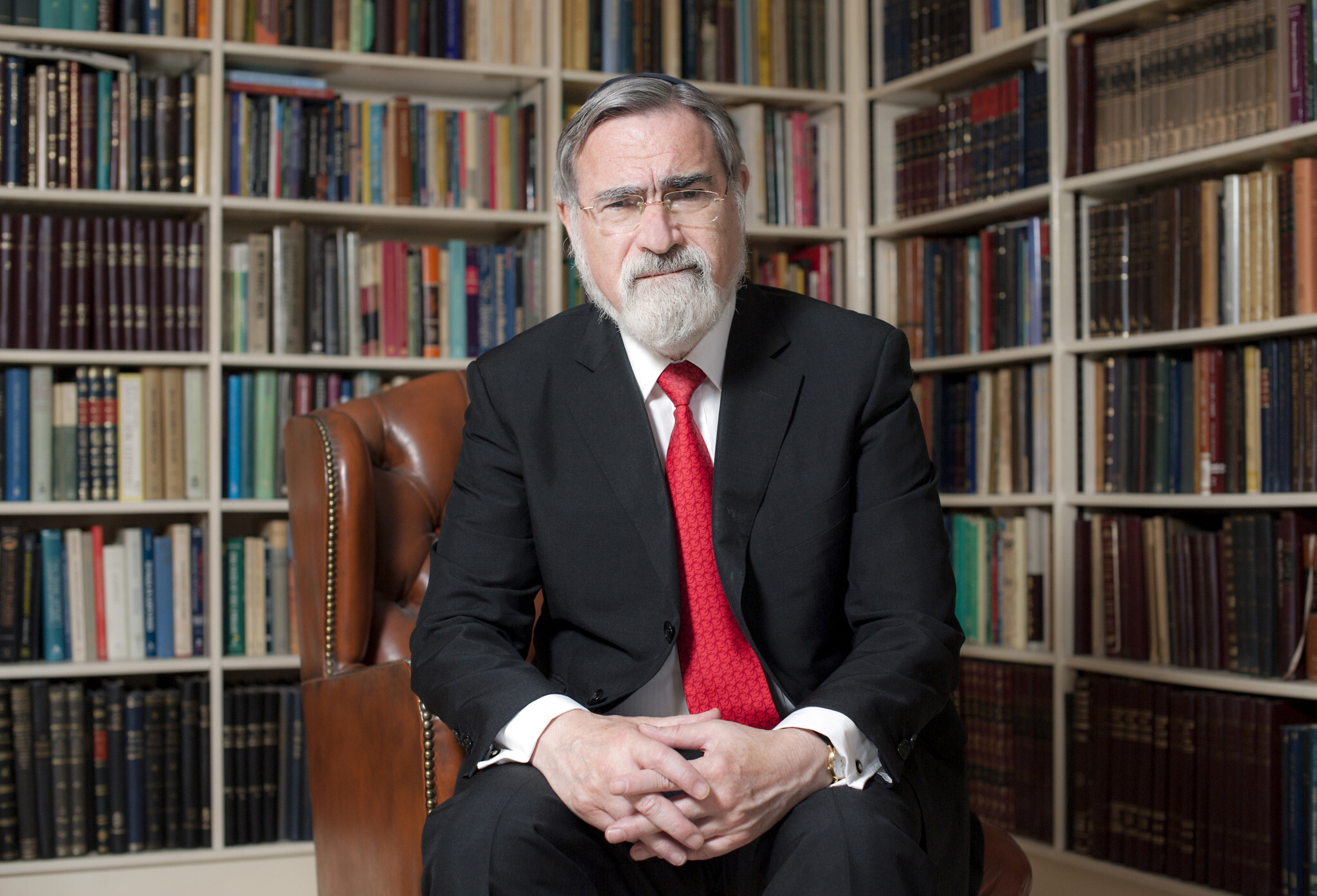
When Dr. Miriam Feldmann-Kaye was growing up in London, the late Rabbi Jonathan Sacks was a familiar presence in her household as one of her father’s close friends.
Sacks, an Orthodox rabbi, served as the chief rabbi of the United Hebrew Congregations of the Commonwealth for over 20 years, from 1991 to 2013. Over the decades, his work, books, and fame transcended the boundaries of the Jewish community, establishing him as one of the United Kingdom’s most recognizable public intellectuals and spiritual figures before his death at the age of 72 in 2020.
To mark the 5th yahrzeit (Hebrew anniversary) of his death on Tuesday, Bar-Ilan University is launching a special online course devoted to his teachings and philosophy open to the general public.
Feldmann-Kaye, an assistant professor in the Department of Jewish Philosophy, teaches the course as part of her mission to preserve and disseminate the rabbi’s legacy.
“I was privileged to grow up with Rabbi Sacks as a formative figure in my life from my childhood,” Feldmann-Kaye told The Times of Israel in a phone interview. “I was also privileged to be involved in his writing process.”
When Feldmann-Kaye was 18, the rabbi began giving her some drafts of his writings and books to read.
“I think by doing that, he wanted to ensure that his content would be meaningful to the younger generation, that people could really understand and get their head around his messages and connect with the values that he was putting forward,” she noted.
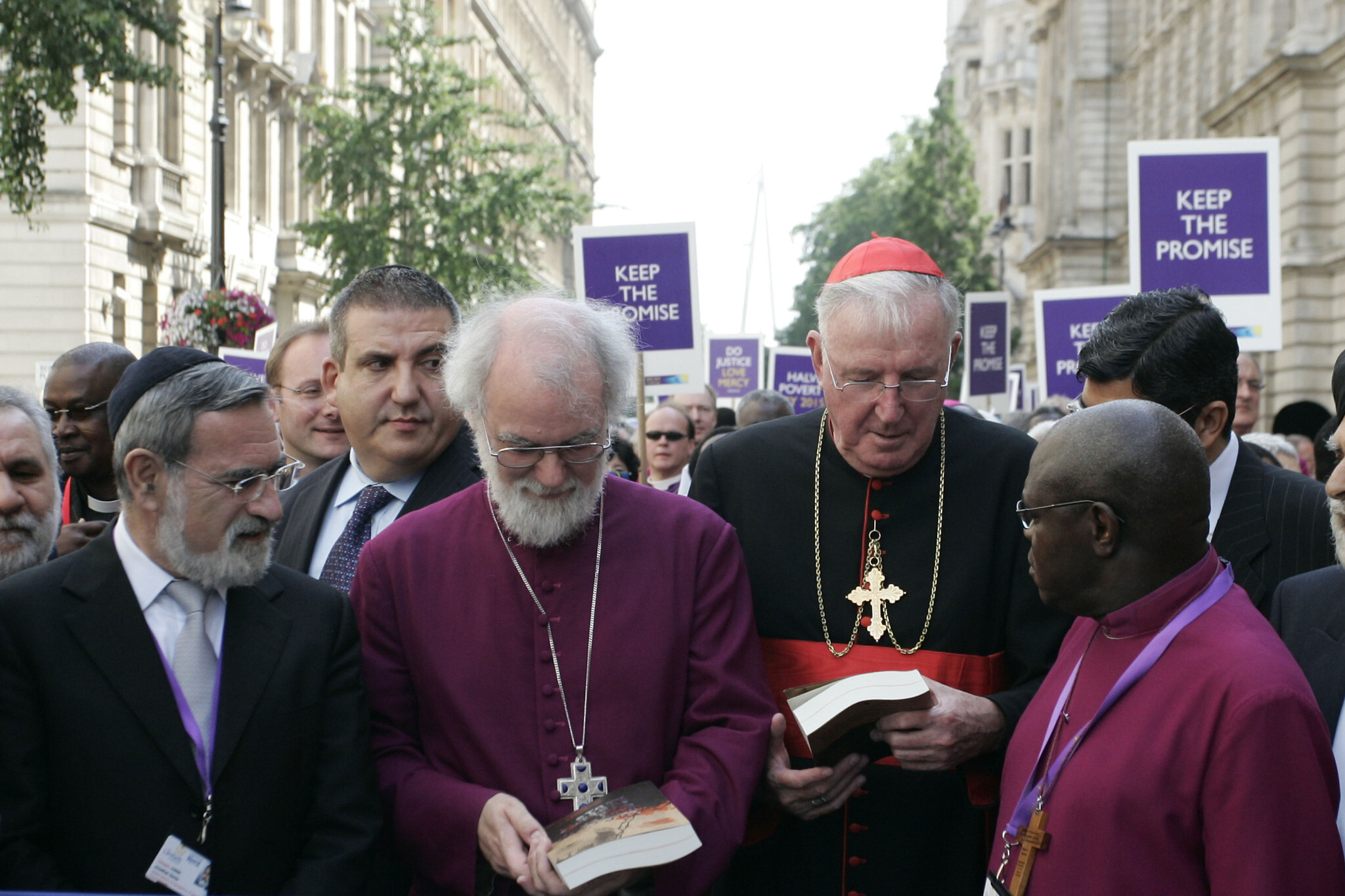
The rabbi remained a mentor as Feldmann-Kaye progressed with her academic career, first at Cambridge University, then at the University of London, and finally in Israel, at the University of Haifa, where she earned her PhD in Jewish thought.
When Sacks died, Feldmann-Kaye had just joined the Bar-Ilan faculty. She was soon offered the opportunity to start teaching a course on his philosophy.
“At the beginning, I declined, but then I was encouraged by many people in the university who, given my background and my knowledge of his ideas, thought that I would be the best person for the job,” she said. “I didn’t want anybody else to interpret him in the wrong way. So I took it upon myself to start creating the philosophy of Rabbi Jonathan Sacks.”
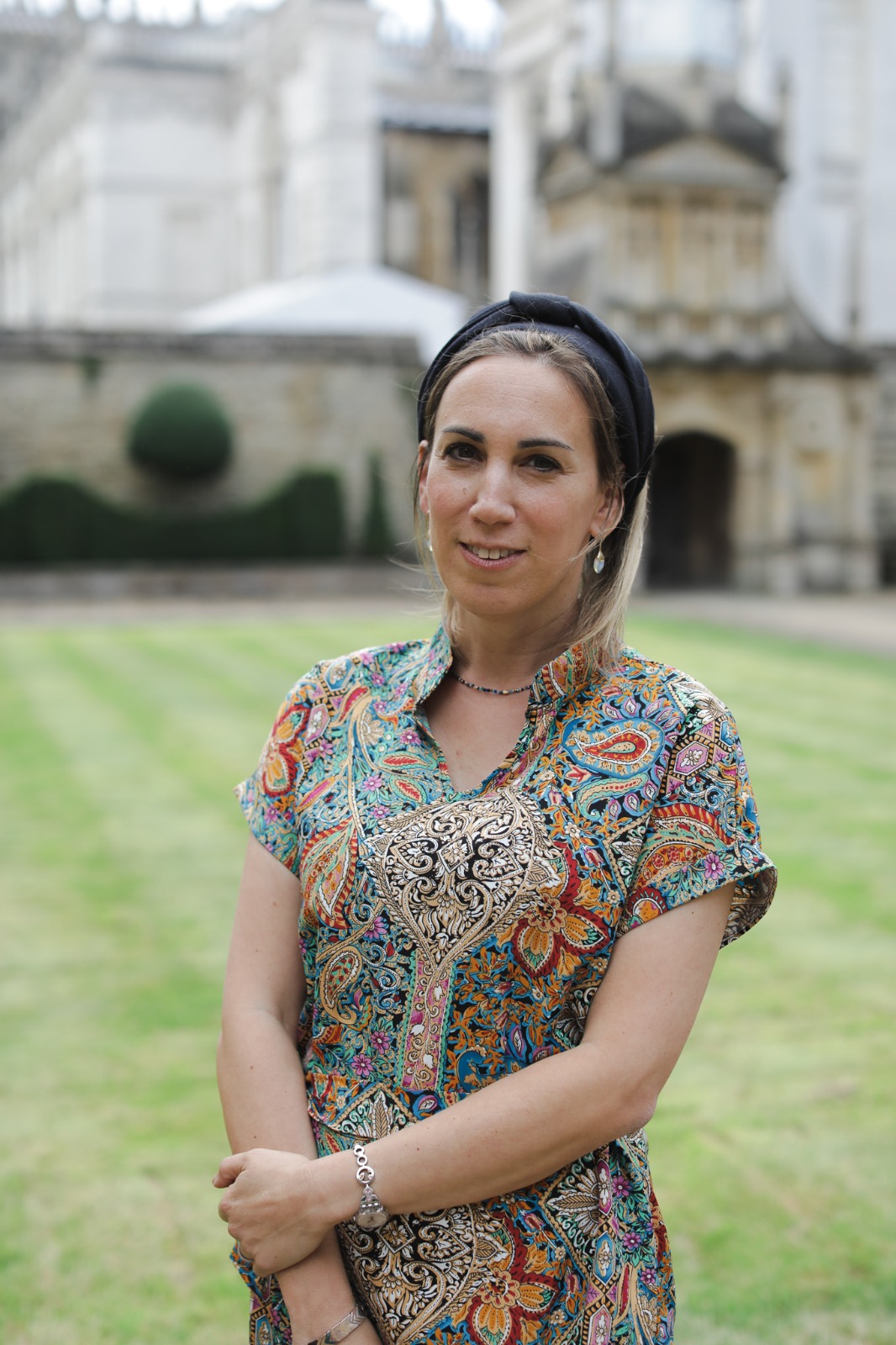
The online course is approximately 20 academic hours in length. It is already being offered to Bar-Ilan students, and the university had to cap attendance at 300.
On Tuesday, it will go live on the CampusIL online learning platform, accessible to the public worldwide. Those who attend will be able to submit their work and be in direct contact with Feldmann-Kaye for questions or comments.
The course is taught in Hebrew with English subtitles, in addition to Hebrew ones. Arabic subtitles will also be available soon.
“We expect a lot of non-Jewish people to join the course,” Feldmann-Kaye said. “We already have many Arab students — Christians, and Muslims — taking the course at Bar-Ilan.”
According to the scholar, the course aims to distill Sacks’s main ideas and principles, conveying them in a universal approach, and to help people understand their present implications.
“We teach about dialogue, focusing not only on learning the history of what he did, but actually to think about how we can employ the value of dialogue in our own contexts,” Feldmann-Kaye said.
Another pillar of the course is the approach to text-based learning.
“[Religious] texts and their interpretation represent a critical question for all religious and secular groups,” Feldmann-Kaye said. “What was important for Rabbi Sacks is that in reading sacred texts, we read them in a moderate way, in a way that creates peaceful approaches.”
Early alarms against religious extremism
Sacks often warned against the danger of religious extremism. In 2015, he authored the book, “Not in God’s Name: Confronting Religious Violence.”
“He was very much against religious fundamentalism and violence in the name of religion,” Feldmann-Kaye said. “We look at how he did that, how, for example, he deals with the conflict between Isaac and Ishmael in a way that creates diversity and fraternity in a contemporary world, rather than interfaith conflict.”
Isaac and Ishmael, the two sons of the biblical patriarch Abraham, are considered the forefathers of Judaism and Islam.
“[This effort] requires very delicate but strongly grounded, ethical readings of text,” Feldmann-Kaye said.
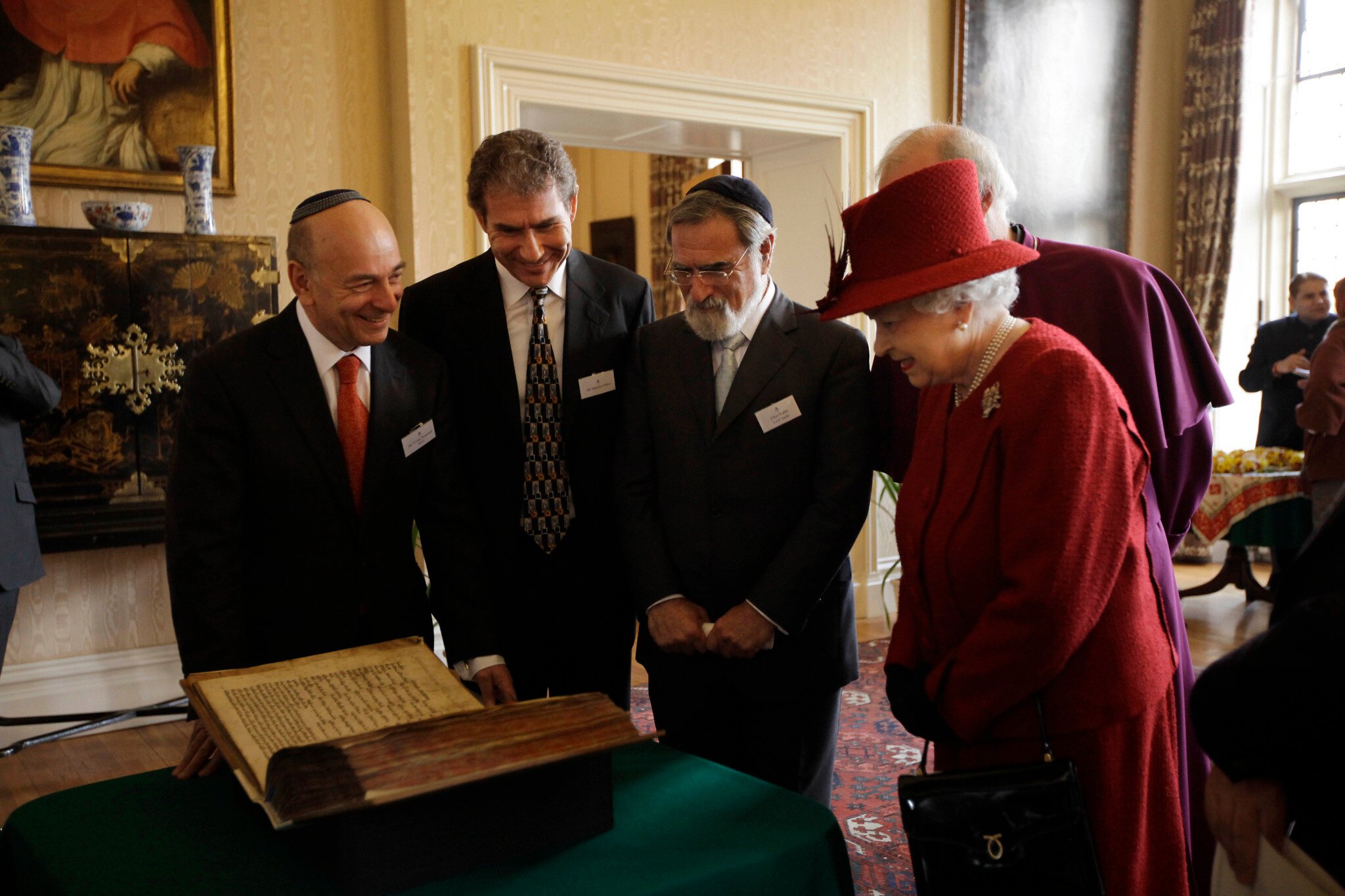
Sacks died a few months after the beginning of the coronavirus pandemic, before he had the opportunity to see how the world would be affected by the disease, Russia’s war against Ukraine and especially the October 7, 2023 Hamas atrocities that left close to 1,200 Israelis killed, 251 kidnapped and thousands wounded, also unleashing a wave of antisemitism in much of the western world and the longest war in Israel’s history.
“One of the main questions that people ask me almost on a daily basis, especially over the last two years since October 7, is what would Rabbi Sacks have said right now,” Feldmann-Kaye said. “Very tragically, he is not here to stand up for the Jewish people in the world, but instead of relying on a leader who is not around anymore, his legacy actually puts more responsibility on all of us to step up and to think about what we can do in these times.”
“It is incumbent upon us to mine and delve into his thinking so that we ourselves can recover his responses to this situation,” she added.
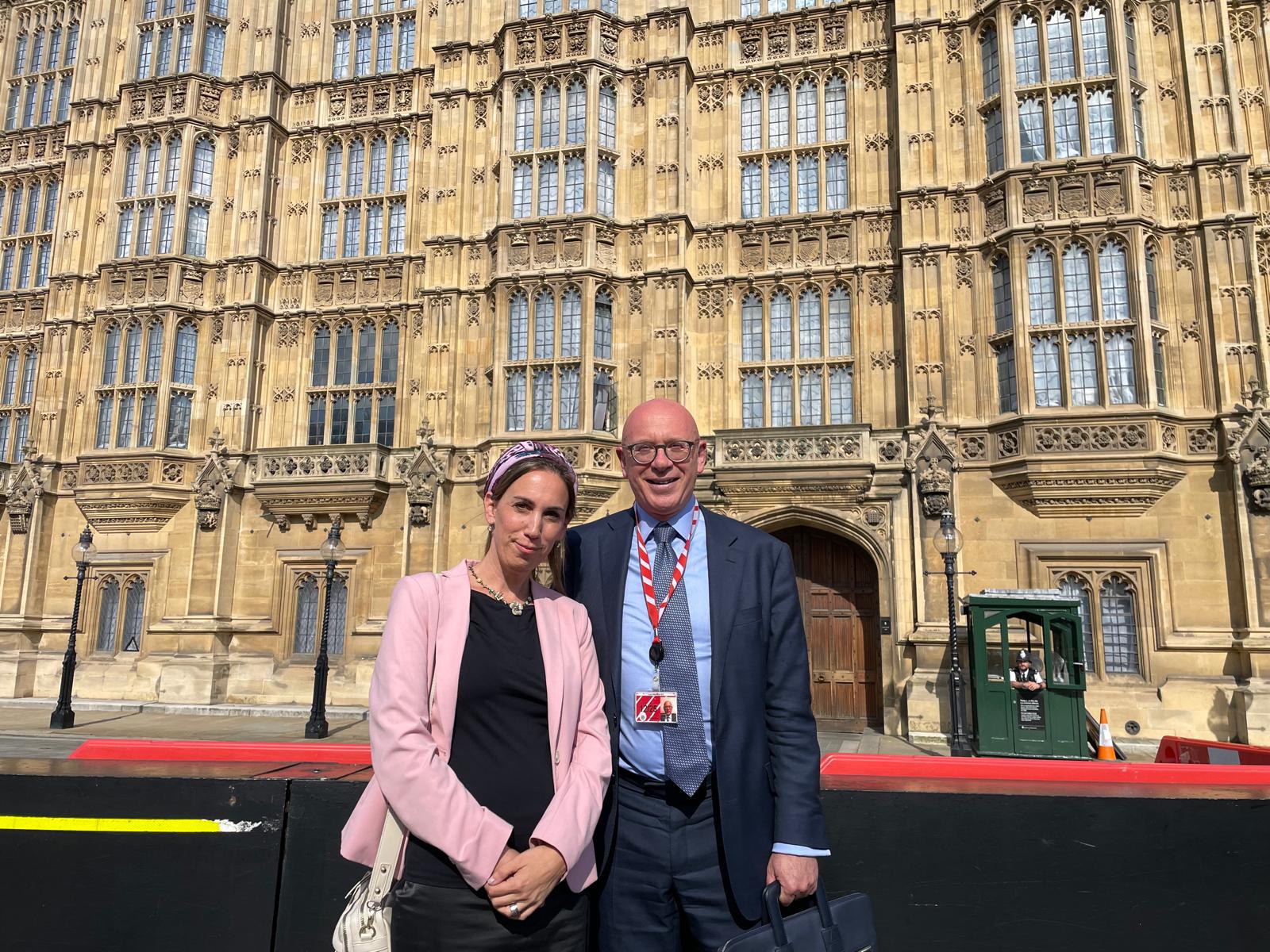
The concept of leadership was another crucial idea in Rabbi Sacks’s thought.
“When we write and we think and we talk, we should actually imagine ourselves as leaders, as people with influence,” Feldmann-Kaye explained. “Even if that influence is relatively small, we all have the power to influence people around us in the way we use our language.”
The course is a project of the Jonathan Sacks Institute, a newly formed academic organization within Bar-Ilan devoted to furthering his scholarly legacy.
According to Feldmann-Kaye, the university anticipates enrolling tens of thousands of students in the course over the next decade.
“This is the first academic course about him in Israel to be taught in Hebrew, and I see it very much as a pioneering course that will bring the deep intellectual legacy of Rabbi Sacks to Israel,” Feldmann-Kaye said.
“It’s important to realize that Rabbi Sacks is now a best-selling leader of Jewish thought in Israel,” she added. “This points to a clear interest in some kind of renewed Jewish thought on Jewish identity, what it means to have religious faith in a modern society.”
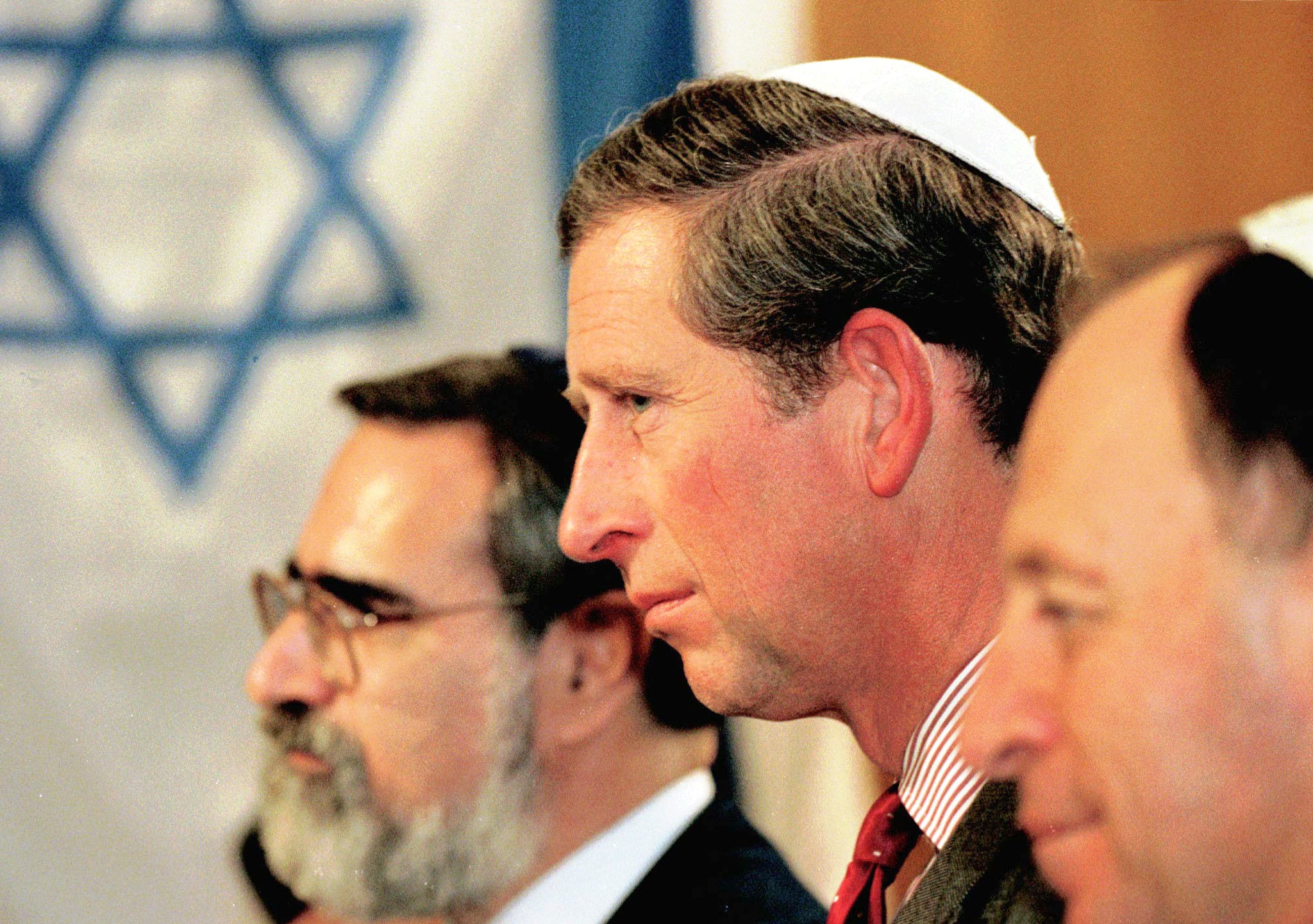
Feldmann-Kaye hopes that Sacks will soon be considered among the most influential Jewish thinkers of modern times.
“My overall goal is to bring the philosophy of Rabbi Sacks into the canon of modern Jewish thought,” she said. “I look at thinkers such as Rabbi Joseph Soloveitchik and Rabbi Abraham Joshua Heschel, and I think that Rabbi Sacks really needs to be brought into that canon. I’m devoting myself to bringing him into that canon because I believe that we all have a lot to learn from his intellectual values and principles.”









The Times of Israel Community.