

Snubbed German FM wanted ‘to better understand what really happens’
Berlin denies Netanyahu’s claim that Sigmar Gabriel’s meeting with fringe left-wing groups was ‘insensitive’
 Add ToI as a Preferred Source on Google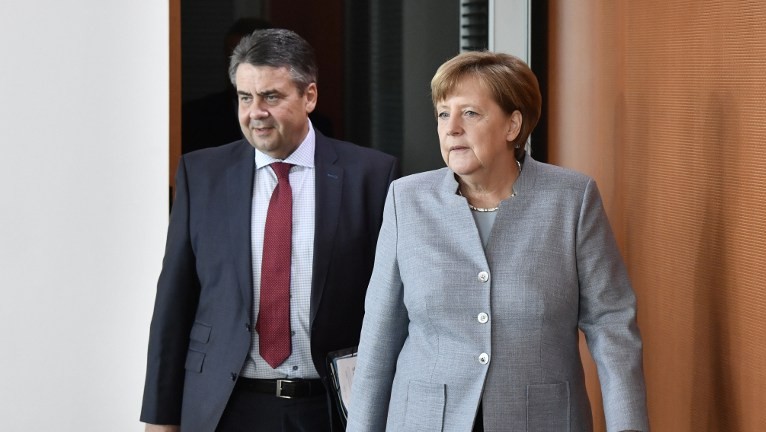
Germany said on Friday that Foreign Minister Sigmar Gabriel met with fringe left-wing groups on his visit to Israel this week in order to gain a better understanding of the reality in the country, and rejected Prime Minister Benjamin Netanyahu’s statement that it was “insensitive” of him to do so immediately after Holocaust Remembrance Day.
Netanyahu scrapped talks with Gabriel at the last minute on Tuesday, after Germany’s top diplomat pressed on with plans to meet with Israeli rights groups Breaking The Silence and B’Tselem, calling the minister “insensitive.”
The prime minister also said that the foreign minister refused to speak to him on the phone after the meeting was cancelled.
German foreign ministry spokesman Martin Schaefer rejected Netanyahu’s negative description of the NGOs, saying “our view on this is a bit different.”
The ministry said it understands Breaking the Silence collects testimonies from former Israeli soldiers who have served in the West Bank, and who have “formed their own ideas about what it means for a constitutional democracy like Israel to run such an occupation regime” in the area.
“That’s why the German foreign minister does not feel bad about meeting these former soldiers… to better understand what really happened there,” said Schaefer.
The spokesman also said that “the offer from the Israeli side for such a phone call was tied to conditions that were not acceptable for us.”
“This is because the wish of the Israeli side was for us to exert influence on the people that the German foreign minister was planning to meet,” he said, adding that “we found… that not to be an appropriate condition or request for such talks.”
The Prime Minister’s Office denied that there were any preconditions for the proposed phone conversation between Netanyahu and Gabriel.
Netanyahu’s red line
In an interview published Friday with Germany’s biggest selling Bild daily, Netanyahu defended his decision to cancel the scheduled meeting.
“Foreign diplomats are welcome to meet with civil society activists and members of the opposition and anyone else they’d like,” he said.
“But my red line is that I will not meet diplomats who come to Israel and lend legitimacy to fringe radical groups that falsely accuse our soldiers of war crimes and undermine Israeli security,” he added.
Pointing out that the meetings with the activist groups were held a day after Israel was commemorating the victims of the Holocaust, Netanyahu said that “it was a particularly insensitive time to seek a meeting like this.”
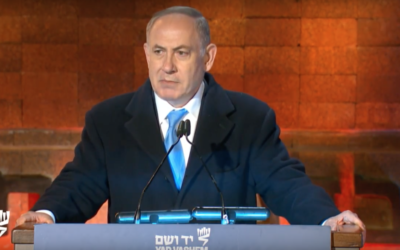
“These are the days we mourn the murdered members of our people in the Holocaust and our fallen soldiers. The Israeli army is the one force that keeps our people safe today,” he said.
Netanyahu’s decision to cancel the meeting with Gabriel was a rare step, but in line with the current right-wing government’s stance against groups it accuses of unfairly tarnishing Israel.
Due to its historical responsibility as the perpetrator of the Holocaust that killed six million Jews, Germany has not only been Israel’s staunch ally but has also been cautious in its public criticism of the Jewish state.
However, tensions have grown as Netanyahu has irked Berlin by pressing on with settlement building in the West Bank despite repeated warnings from world powers that it would harm any prospects for peace.
Raphael Ahren contributed to this report.








The Times of Israel Community.