

German-Israel relationship: No longer so special?
Since perpetrating the Holocaust, Berlin has worked to build a close relationship, but the Jewish state’s right-wing government is testing that bond
 Add ToI as a Preferred Source on Google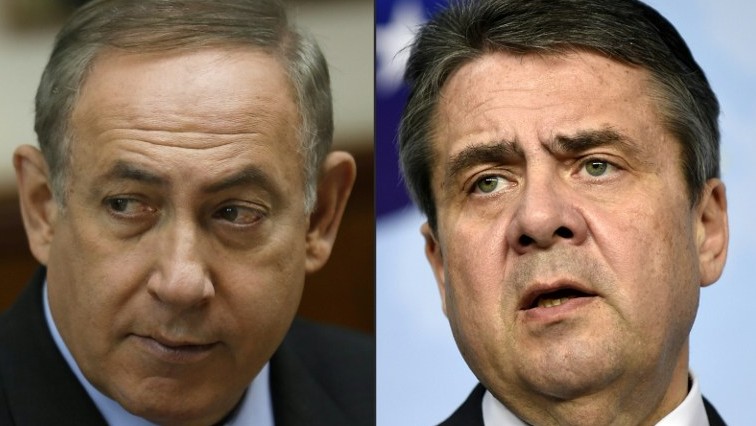
BERLIN, Germany (AFP) — After simmering for months, a crisis between Israel and Germany has erupted into the open, putting serious strain on a special relationship painstakingly built up after the Holocaust.
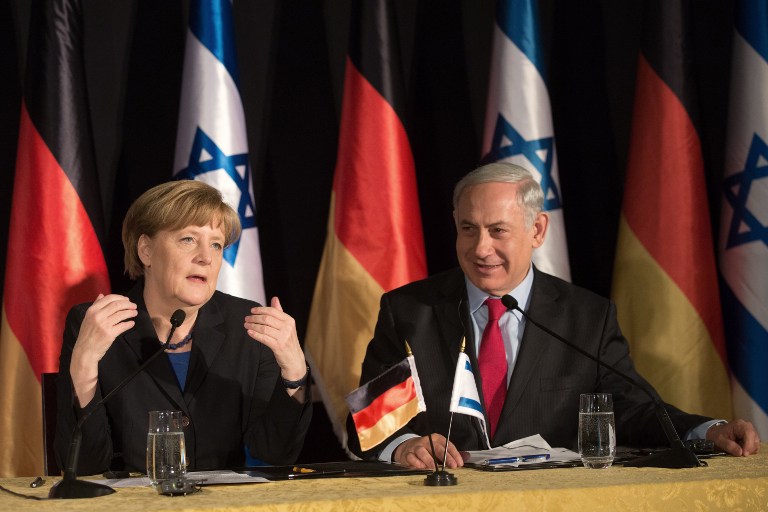
First, Chancellor Angela Merkel in February postponed an annual government meeting with Israel, then this week, Israeli Prime Minister Benjamin Netanyahu refused to meet Germany’s foreign minister in Jerusalem.
What was once “unthinkable” has become real — the gilt on the ties between Germany and Israel may be fading.
Due to its historical responsibility as the perpetrator of the Holocaust that killed six million Jews, Germany has not only been Israel’s staunch ally but has also shied away from openly criticizing the Jewish state.
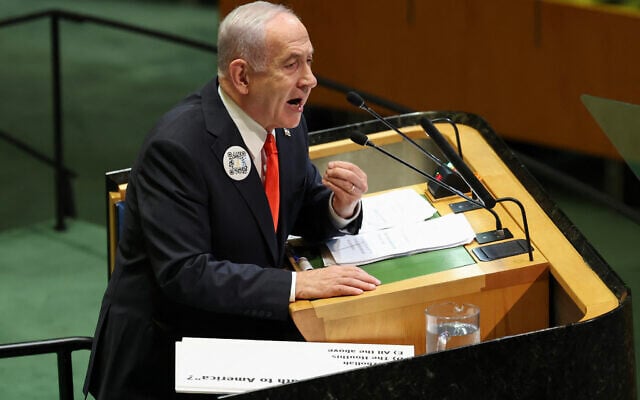
But Netanyahu — Israel’s most right-wing leader to date — has irked Berlin by pressing on with settlement building in the West Bank despite repeated warnings from world powers that it would harm any prospects of peace with the Palestinians.
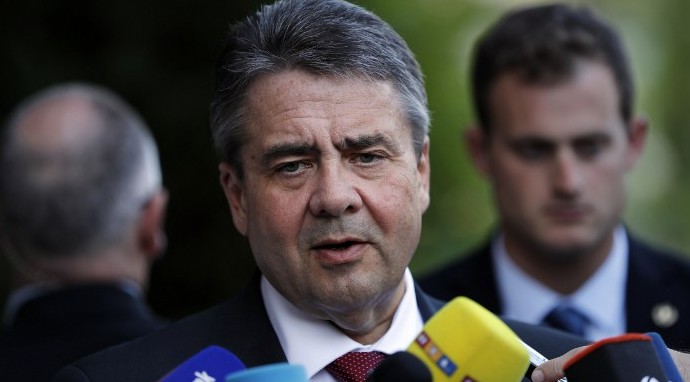
On Tuesday, the tensions ratcheted up a notch with Netanyahu scrapping at the last minute a planned meeting with Sigmar Gabriel because the German foreign minister refused to cancel talks with leftist Israeli groups.
Gabriel had sought to minimize the damage, saying the cancellation was “not a catastrophe.”
But he also stressed that he wanted “to say openly that I think we should not become the pawn of Israel’s domestic politics.”
Public opinion in Germany was firmly on the foreign minister’s side, with Spiegel weekly noting that “Netanyahu’s government has pushed the historically imperative special treatment to its limits.”
“Certainly, Israel can never be just another country for Germany. Special consideration for the past is required, and, until today, also special diplomatic sensitivity.
“But historical guilt can not lead Germany to accept an Israeli government moving away from certain values that we have always shared.”
Treated as a joke
Berlin has been troubled for months by Israel’s settlement building program and attempts to crack down on critical NGOs.
Rather than air its unhappiness in the open, Merkel’s government had sought previously to express concerns behind the scenes.
“Merkel has often repeated during bilateral government consultations and during interviews with Netanyahu that despite the solidarity and friendship between the two countries, there is discontent about the decisions concerning new settlements in Palestinian territories,” said Volker Beck, a Greens party lawmaker who heads the Germany-Israel friendship group.

But right after the Knesset approved a new law legalizing dozens of Jewish settler outposts in the West Bank, the German foreign ministry openly voiced doubts for the first time in January about whether Netanyahu intended to respect his pledge for a two-state solution.
A month later, Merkel’s government canceled an annual consultation with Israel which had been planned for May in Jerusalem.
Ostensibly, the reason was a scheduling problem yet the message was clear.
“Merkel has now changed her tone because the Israeli government has taken the reservations expressed by Germany as a joke,” said Moshe Zimmermann, a geopolitical analyst at the Hebrew University of Jerusalem.
‘Serious differences’
In the immediate aftermath of World War II, the young Jewish state had boycotted then West Germany, until a deal in 1952 offering reparations to Israel.
Both sides — and subsequently a reunified Germany — have since built up a close relationship.
In a sign of their special ties, the two governments had met annually for bilateral talks.
And Merkel has repeatedly said that “the security and right of the state of Israel to exist is a fundamental tenet for Germany.”
Their security and economic relations are healthy, borne out most recently by the signing of a military deal for Israel’s purchase of three German submarines — with a substantial discount of one-third of the price.
But politically, the differences between the allies are widening.
Norbert Roettgen, who heads the German parliament’s foreign affairs committee, said it plainly: “The differences are serious, everyone who holds Israel close to their hearts cannot help but be sad and depressed by this blockade of (peace talks).”
For analyst Eldad Beck, an Israeli journalist and writer of the book “Merkel, Israel and the Jews,” the friction may have also arisen as Germany has simply begun moving away from treating Israel with kid gloves.
“Over the last 20 years, Germany has been normalizing its relationship with Israel. ‘Normalizing’ often has a positive connotation, but here it’s the reverse, it’s about ending a unique status accorded to the relationship with Israel.”







The Times of Israel Community.