

Government data said to show Haredim far likelier than other Jews to get state subsidies
Finance Ministry officials reportedly tell AG ultra-Orthodox family has 72% chance to qualify for municipal property tax discount, as opposed to 17% chance for other Jewish households
 Add ToI as a Preferred Source on Google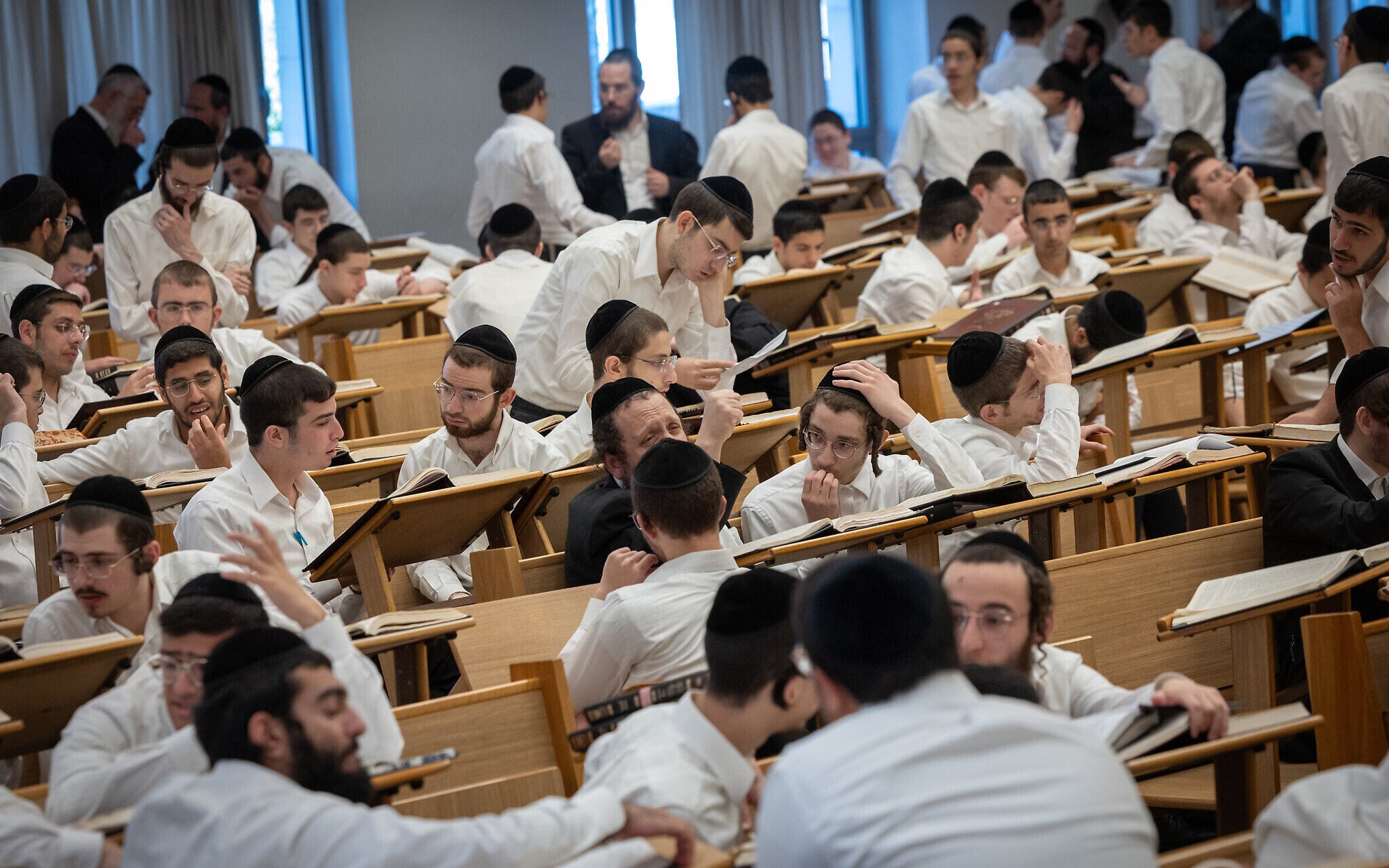
Finance Ministry officials have reportedly presented Attorney General Gali Baharav-Miara with data showing that existing government regulations substantially favor ultra-Orthodox Israelis, who are far more likely to qualify for government subsidies than other Jewish citizens.
The figures were included in a document presented to various government offices as part of the attorney general’s demand to bolster enforcement against ultra-Orthodox draft dodgers, Channel 12 reported. They come amid an ongoing debate in Israeli society over whether Haredim must serve in the military, and over the government benefits afforded to them.
The data showed that an ultra-Orthodox family has a 72 percent chance of qualifying for reductions to their municipal property taxes, while other Jewish households only have a 17% chance of receiving such government subsidies.
Twenty-four percent of ultra-Orthodox homeowners receive favorable mortgage terms, compared to just 2% of all other Jewish homeowners, the reported figures showed. Twenty-one percent of Haredim have subsidized rent, compared to just 1% of other Jewish renters.
Ninety-five percent of Haredim are eligible for reductions to public transportation fees, compared to 23% of the rest of the Jewish public.
Twenty-eight percent of Haredim receive daycare subsidies, compared to 4% of the rest of the Jewish public. Sixty-four percent of Haredim receive subsidies for afternoon childcare, compared to 9% of the rest of the Jewish public.
There are high poverty rates in Haredi communities, with nearly a third of ultra-Orthodox households living below the poverty line as of 2024. But in addition, over the years, subsidies have been introduced by legislators in such a way that they benefit ultra-Orthodox Israelis without explicitly referring to the community.
For example, cities benefiting from transit subsidies are largely Haredi municipalities, while high birthrates among Haredi families allow them to access municipal tax benefits that increase with the number of children in a household. These do not include direct funding and stipends received by yeshivas and kollel study halls, also allocated by successive governments.
It is unclear why non-Jews were not included in the figures presented by Baharav-Miara’s office. Arab Israelis also have high poverty rates.
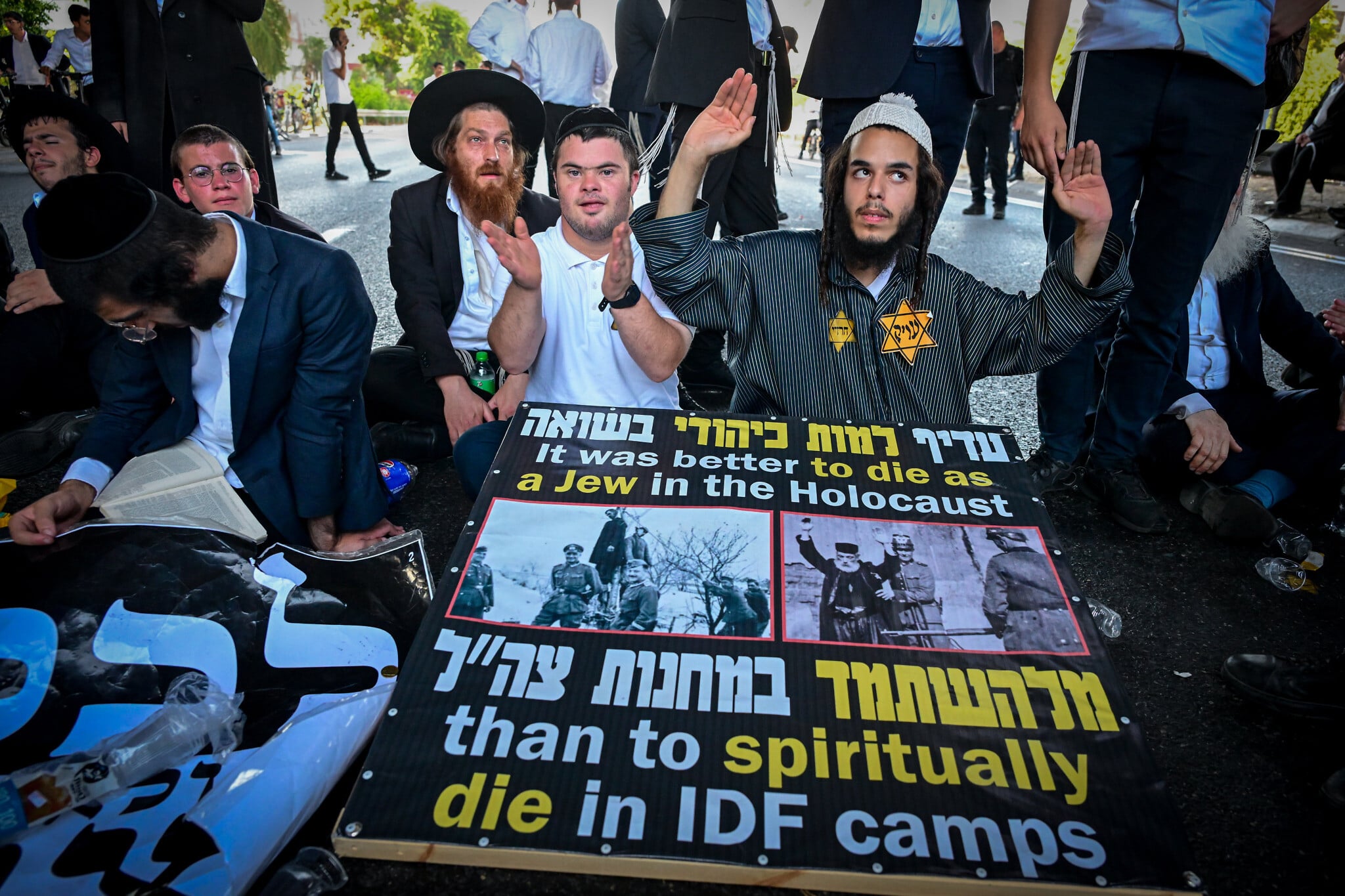
Critics say the government subsidies effectively incentivize the Haredi community’s low workforce participation and its full-time yeshiva studies.
The matter has become a key issue in the lead-up to the election, with opposition candidates vowing to cut the flow of funds and subsidies to the ultra-Orthodox community if its members continue to evade the draft. Candidates are particularly eyeing yeshivas that encourage draft evasion, as well as schools that don’t teach core subjects such as math and English, another disparity opposition parties have vowed to address.
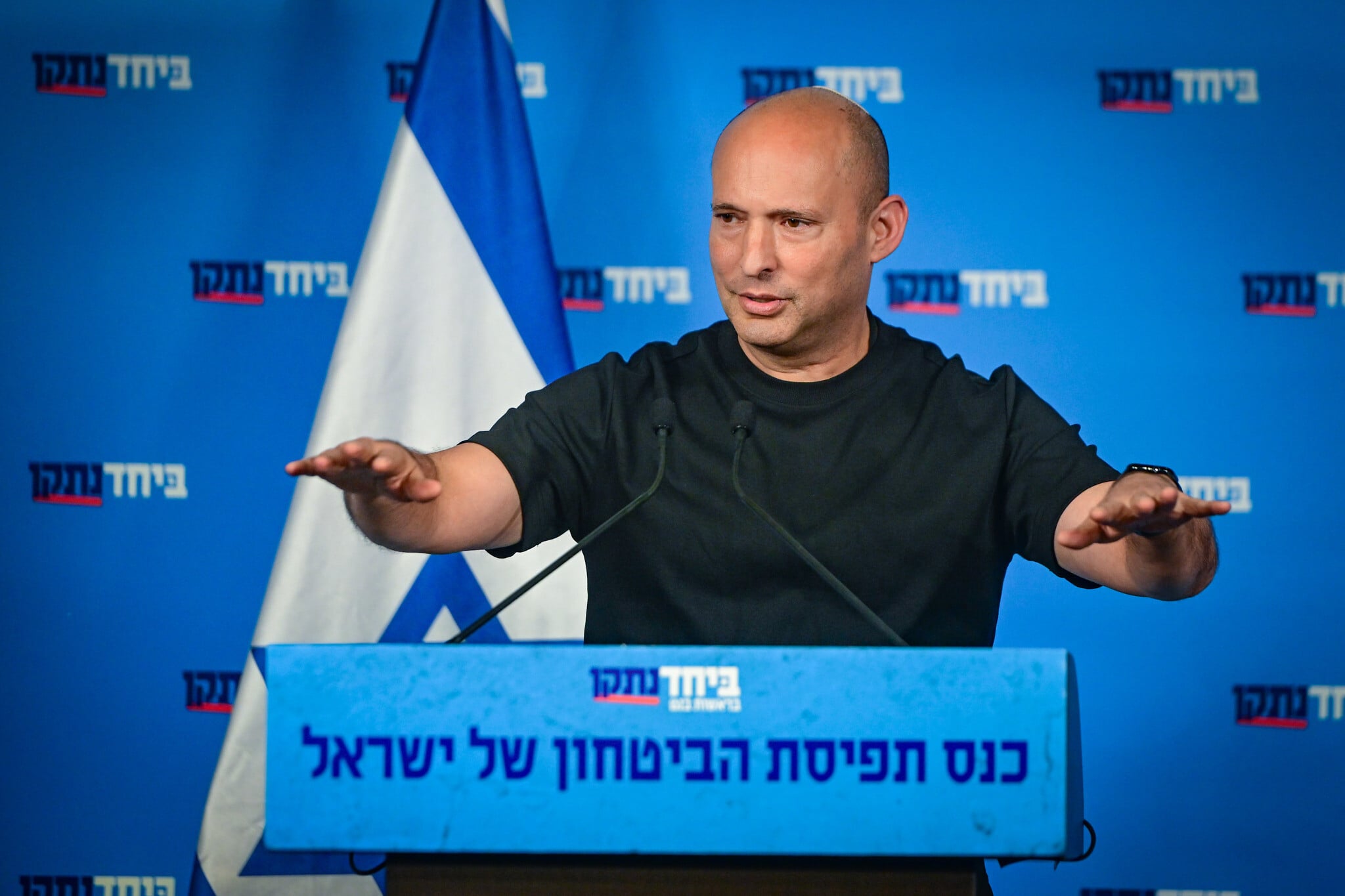
B’Yachad party chair Naftali Bennett has vowed that those who don’t serve in the army “won’t receive a shekel” if he makes it into government.
A landmark June 2024 High Court ruling found the decades-long blanket exemption from military service given to Haredim lacked legal basis. The ruling led to the abrogation of certain Haredi social benefits, and in its wake, Haredi parties demanded massive cash infusions. Arrests of Haredi draft evaders have also led to massive street protests and rioting at the homes of public officials.
Several pieces of legislation aimed at paving the way to enshrining the ultra-Orthodox military exemptions were pushed through in the final days of the outgoing Knesset, but have since been frozen by the Supreme Court.
Tens of thousands of ultra-Orthodox men aged 18 to 24 are currently eligible for military service but have ignored conscription orders, despite manpower shortages in the army and widespread anger among the general population over an unequal sharing of the burden of defending the country.
Sam Sokol contributed to this report.


The Times of Israel Community.