

Haifa to host Arabic food festival, with Jewish chefs too, to highlight post-fire coexistence
Under the creative direction of 2014 Israeli Master-Chef winner, 45 Arab and Jewish cooks will collaborate to revitalize disappearing Levantine dishes; Haifa mayor hopes people will come to support fire-stricken city
 Add ToI as a Preferred Source on Google
Dov Lieber is a former Times of Israel Arab affairs correspondent.
The city of Haifa is preparing to host a three-day Arabic food festival, in which 45 leading chefs from the Arab (Muslim, Christian and Druze ) and Jewish sectors will showcase the culinary treasures of the region passed down through generations, but with modern twists. The city inaugurated the food fest last year, but this time organizers also hope it will highlight and strengthen the coexistence in Israel’s third largest city, recently plagued by wildfires at least some of which are thought to have been the work of Arab arsonists.
The a-Sham Arab Food Festival — a-Sham is the Arabic term for the Levant, comprised of Syria, Lebanon, Jordan, the Palestinian territories and Israel — will take place in downtown Haifa from Wednesday to Friday, December 7-9.
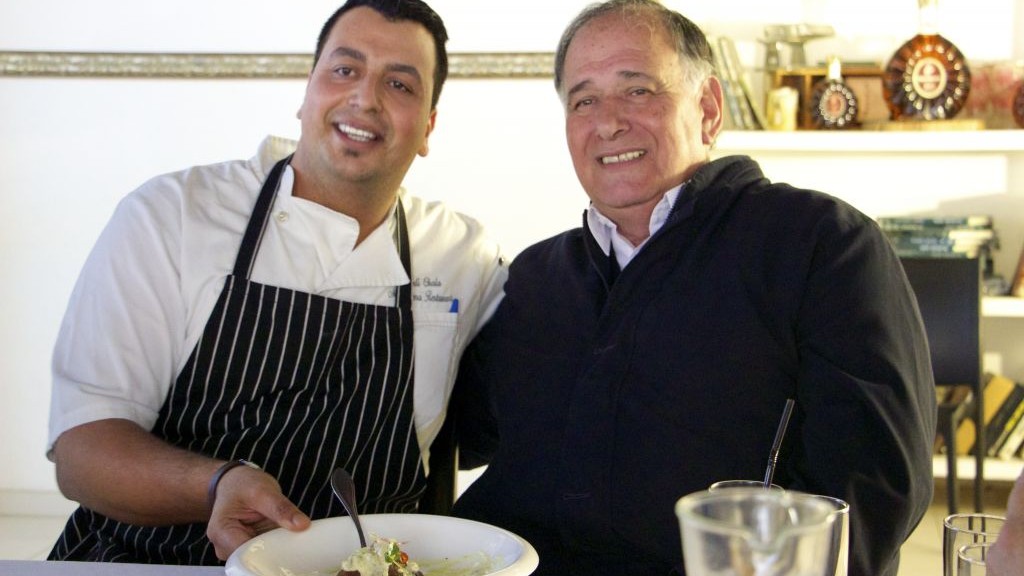
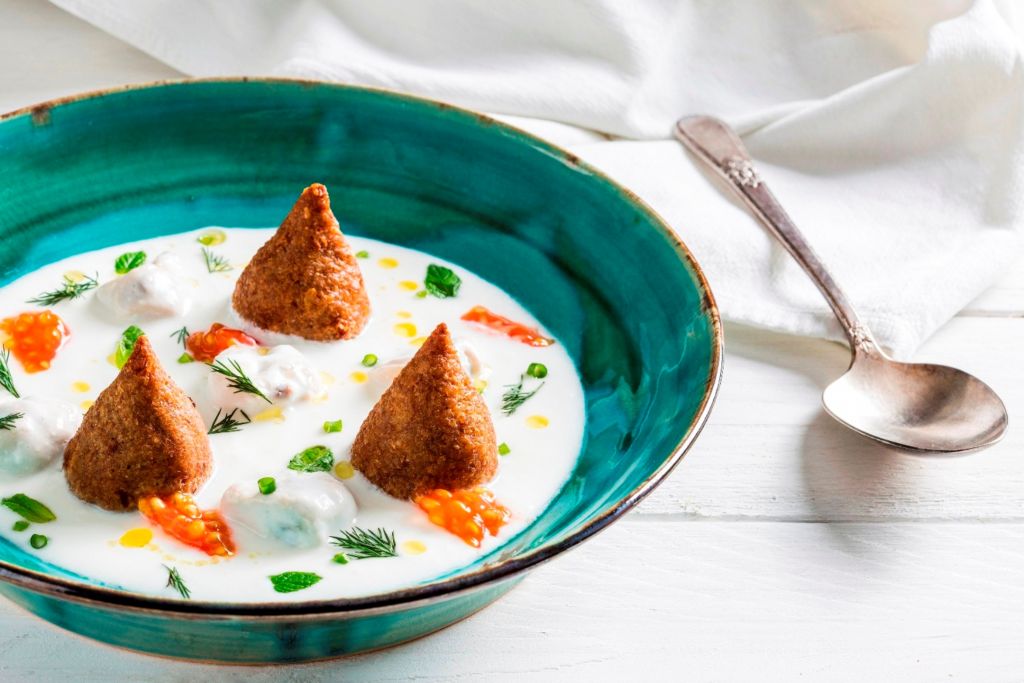
The mayor of Haifa, Yona Yahav, looked tired from a week of life-threatening fires plaguing the city, but was in good spirits as he tried one of the signature foods for the festival, Al-basha Oasakru – described by the event’s organizers as “a Syrian dish, meaning the pasha and his soldiers, in which dumplings (the soldiers) and a bulgur wheat kibbeh (the pasha) are cooked in yoghurt.”
Yahav told journalists gathered at the Haifa restaurant Hanamal 24 he hoped large numbers of people would come to the festival to support the city.
Last year, 70,000 people attended the festival.
“Haifa is the most green city in Israel and now it’s the most dark city in Israel. It’s sad scenery,” the mayor said, commenting on the effects of recent brushfires that destroyed hundreds of homes and burned down large swaths of Haifa’s forests. Downtown, where the festival will take place, was unaffected by the fires.
Yahav was insistent that despite allegations that some or even most of Haifa’s fires were caused by Arab arsonists, relations between Jews and Arabs in his city were unaffected.
“Relations here are so strong. No one has the ability to break it,” he said.
Alongside the food and drinks, festival goers can get to know the contemporary Arabic music scene, with live musical performances and dabke (a traditional Arab folk dance) and belly dancer shows.
Downtown pubs will host musical performances and serve Arab-made alcohol: Shepherds’ beer from the Birzeit brewery, Arak Ramallah and a selection of wines from the Jascala Winery.
A map detailing the participating venues — each will serve its own specialty dish — and events will be available in downtown Haifa, at information points in the train station (Mercaz Hashmona), Palmar Street and the Turkish Market.
The festival is being directed by 2014 Master Chef Israel winner Nof Atamna-Ismaeel.
Atamna-Ismaeel, who quit her profession as a microbiologist to pursue her passion for food, has personally overseen the choice of each dish being offered. She has searched far and wide, she said, “from grandmother to grandmother,” for the disappearing recipes that have made the food of the Levant, with its greens-heavy, simple and seasonal style, beloved the world over.
Through rigorous gastronomy and Arab-Jewish collaboration, she hopes to save these dishes and introduce them to the Israeli pallet. Speaking to a group of journalists on Wednesday, Atamna-Ismaeel said dishes from the Arabic tradition that still thrive today do so because they have evolved.

Maklube, for example, is an inverted casserole that was once called bakiyeh, meaning “leftovers,” because it just used the leftover vegetables from the week. Maklube went through a modernization process by adding the ingredients of the middle and upper classes, meaning meats and expensive nuts. Maklube, she added, was the inspiration for Paella in Spain.
It’s this modernization process she intends to bring to dozens of folk dishes, she said, and she thinks she has found the perfect formula to do so: having Jewish and Arab chefs collaborate to strike a balance between tradition and progression, old and new.
“An Arabic chef remembers this food from home. So his heart won’t let him change it. But a Jewish chef comes to the dish with a pure, clean mind, and helps to create the perfect dish with the tradition, alongside the modern side.”
“Food has the strength to bring people together,” she continued. “In this city, that has known good times and bad times, the only thing that didn’t break, not even for a second, is the beautiful coexistence you can’t find anywhere else in this country.”
Among the dishes, which will sell for between NIS 5-35 shekels each, will be the following (description supplied by festival’s organizers):
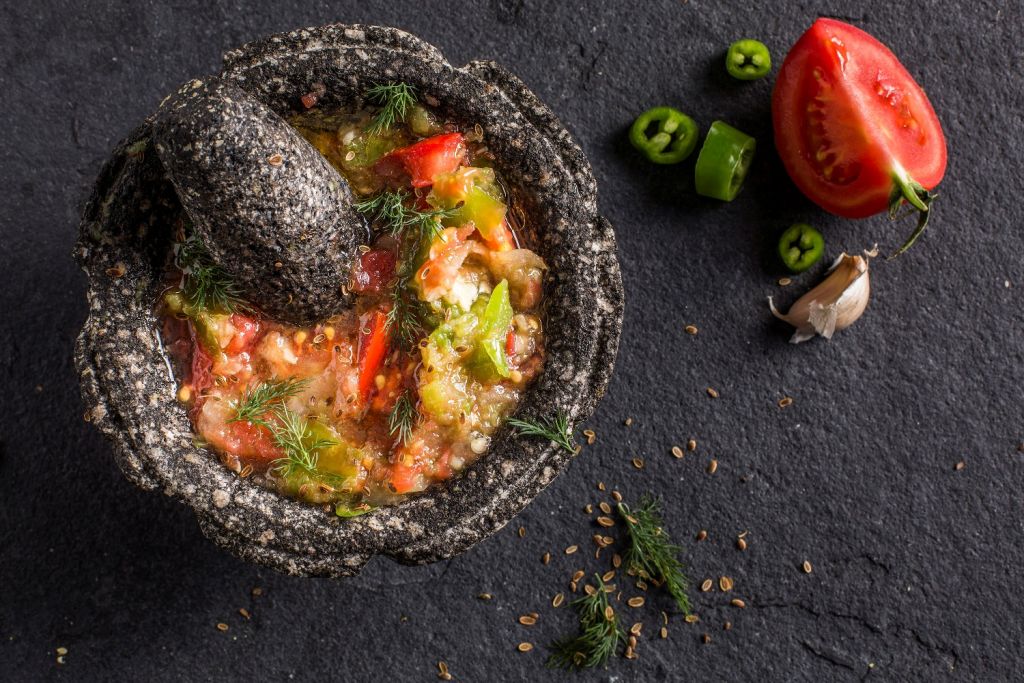
Daka Gazawia – Dak means crushed, to indicate it is prepared with a mortar and pestle. Onions, garlic, chili peppers, dill seeds, and tomatoes are ground one after the other.
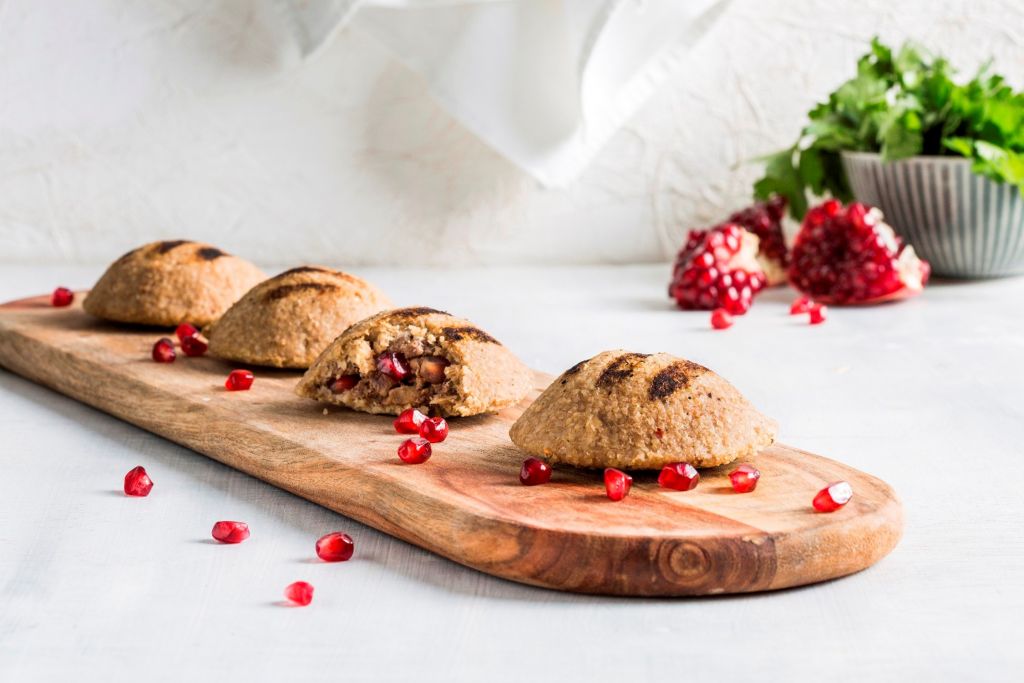
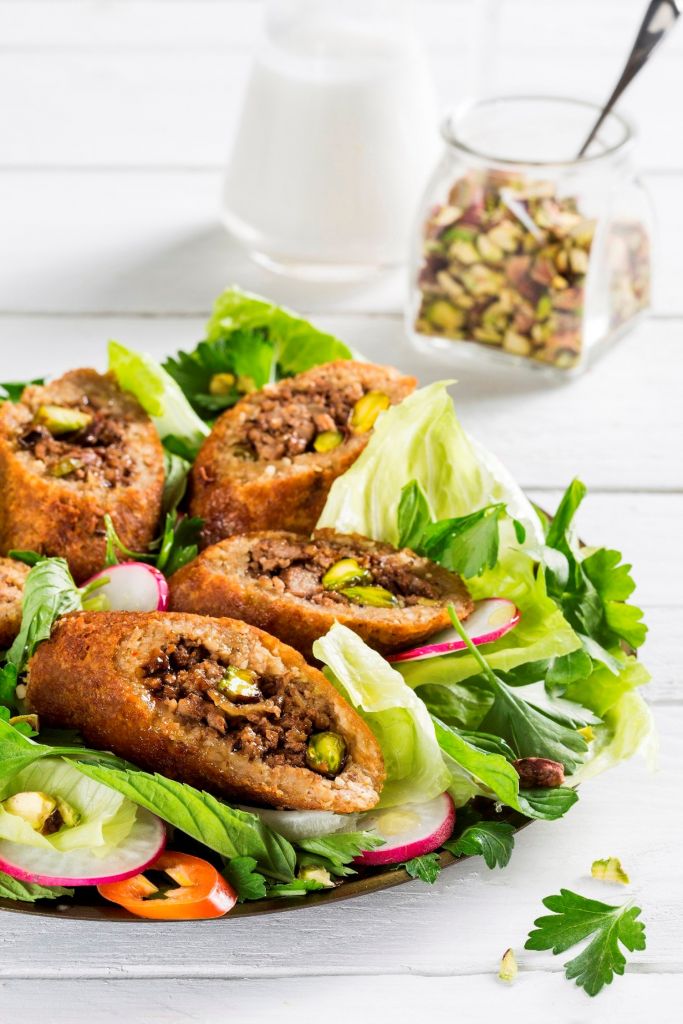
Kibbeh Mashwiya – Kibbeh from the Syrian kitchen, made in the shape of a dome, and grilled. The stuffing contains a large quantity of fat, and so it is mixed with pomegranate seeds.
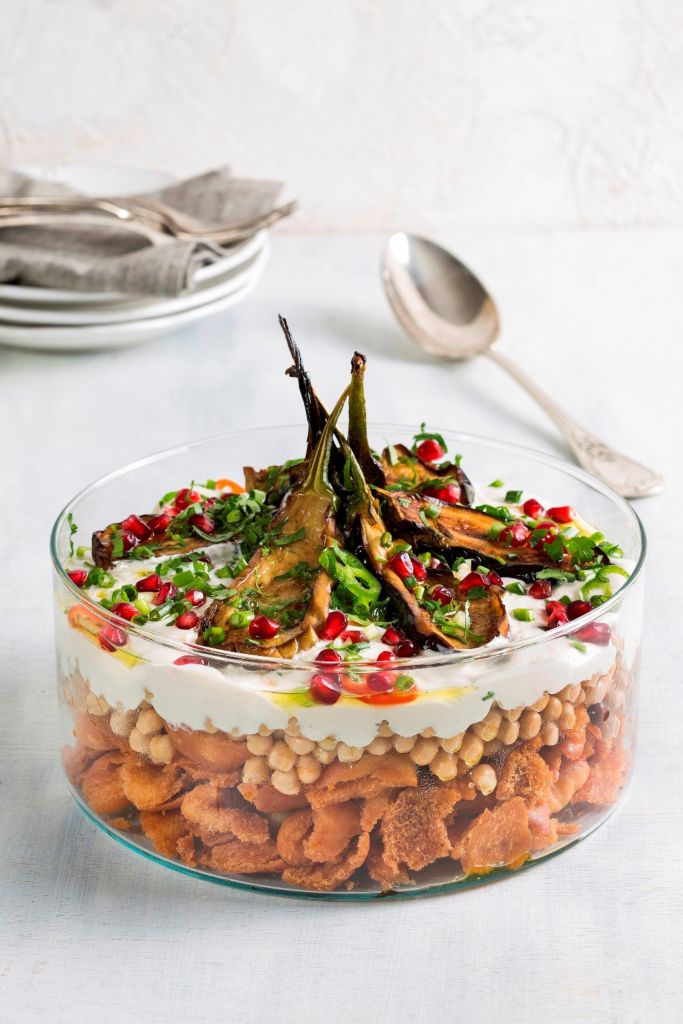
Fatet Betinjan – Small pieces of toasted or fried bread, covered in layers of chickpeas, meat, and tahini. A Levant dish that owes its names to fatafeat, meaning crumbs.
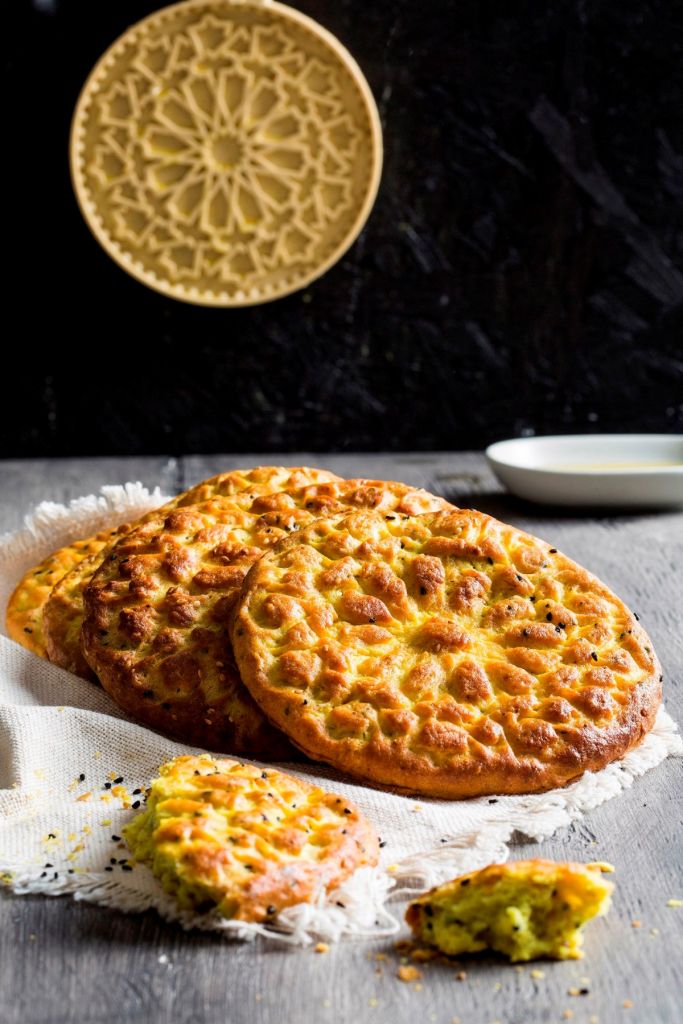
Hobiz Asfar (yellow bread) or Hobiz ala-amawat (bread of the dead) – Yellow bread with bitter touches of mahleb and black cumin; its preparation is connected to the first Thursday in the month of Nissan, Khamis ala-amawat, when people distribute the bread with colored eggs, from which – so the pharaohs believed – life began.
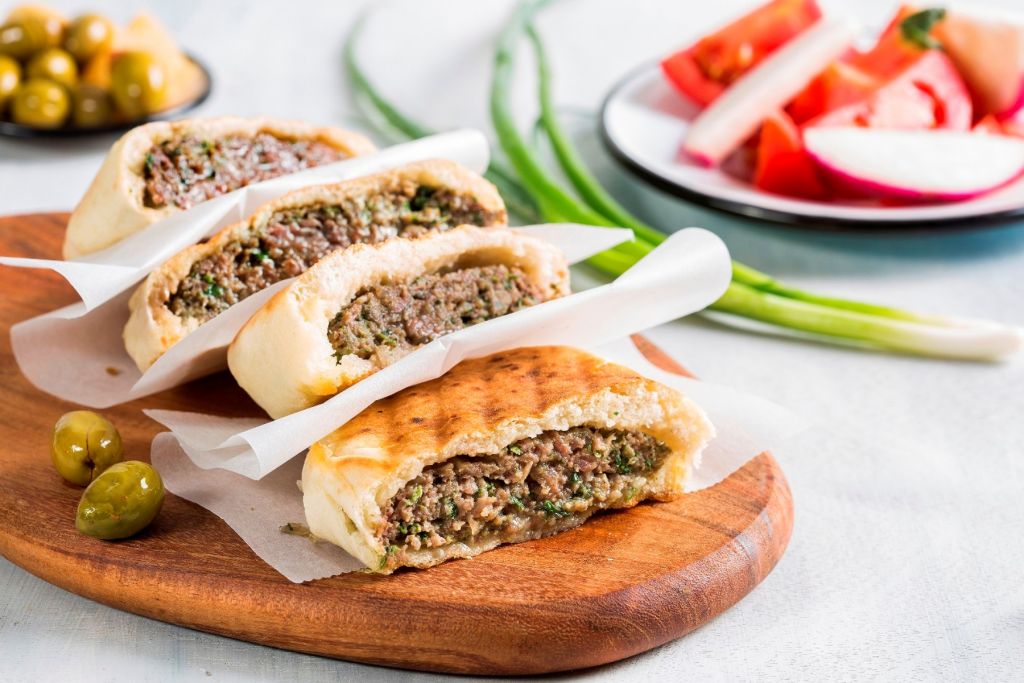
Arais – Brides, this is the name for the pita bread filled with meat.
Kibbeh Mabromeh – Stuffed with pistachio nuts and common in Syria.
Hummus around the world
One unique attraction will be a Hummus around the world event.
Haifa’s hummus joints will host chefs who specialize in various international cuisines. These chefs will combine their specialties with the chickpea spread slowing conquering the world.
Chef David Frankel will serve the restaurant Babu Shaker with hummus inspired by the Basque kitchen: a dish of gizzards, onion and paprika.
Chef Yossi Shitrit will add Zaalouk Moroccan salad to the chickpea spread at the restaurant Hummus Faraj.
Chef Sabina Valdman will present warm East European hummus at Paddy, with a cooked dish made of sorrel, chard, and tongue.
Chef Yaron Kestenbaum will prepare a Greek-inspired hummus with lima beans, lamb kebabs, and eggplant. Itamar Davidov will combine Mexico and the Levant at the restaurant Ha’achim Yosef, with hummus taco: avocado, tahini, veal and habanero chipotle mole sauce.
Chef Roi Sofer will put Kao Phat, ground beef seasoned with Thai roots, basil and a fried egg on the chickpea spread in the restaurant Hummus Eliyahu. Chef Matan Abrahams will pay tribute to America at Abu Maron, placing slow-cooked barbecued short ribs on the hummus.
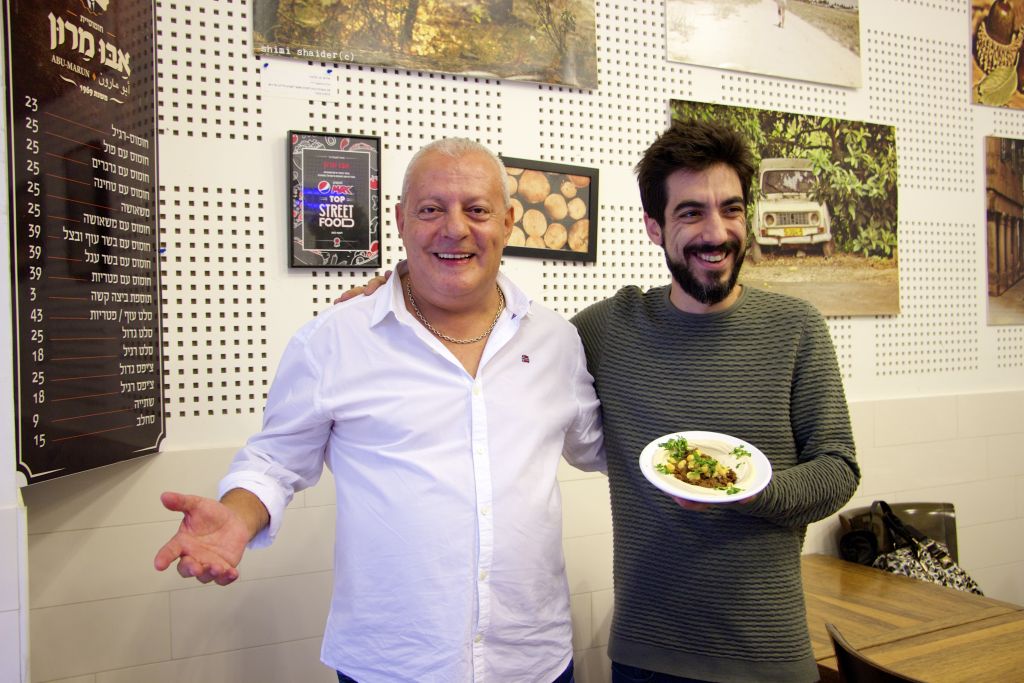
Meat expert Abrahams, who studied American comfort in the southern US, said the combination of ribs and hummus is “natural, nice and healthy.”
Weighing in on the hummus-wars between Israel and the Arab states, in which the sides are perceived to be competing over the best and most authentic hummus, Abrahams said, “Who owns hummus? The customer does.”








The Times of Israel Community.