

High Court justice says Levin’s refusal to appoint judges causing ‘murderers to be freed’
‘We are releasing murder defendants, that means something is not working,’ says Justice Alex Stein, as court presses justice minister to convene Judicial Selection Committee
 Add ToI as a Preferred Source on Google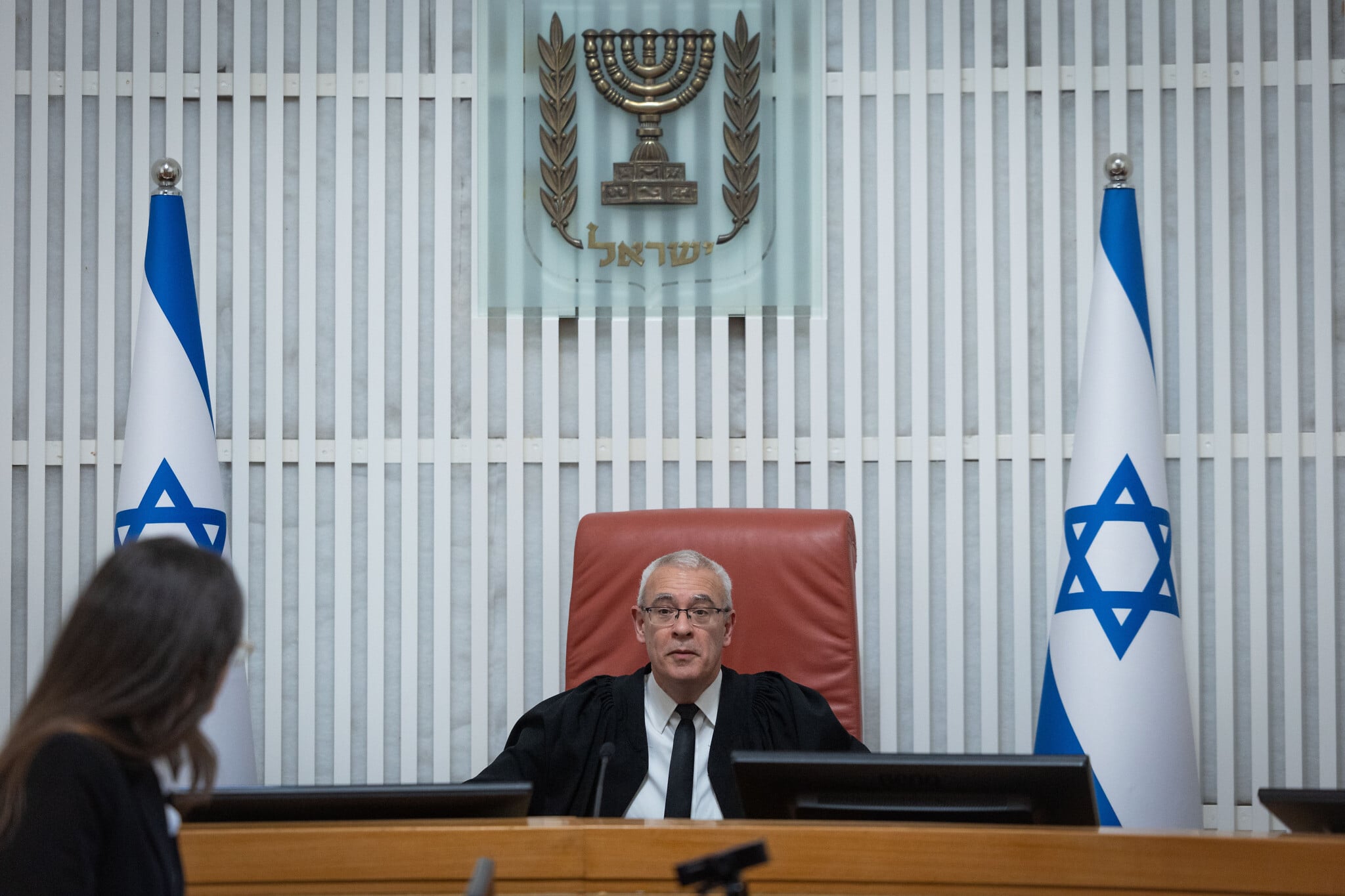
High Court Justice Alex Stein on Thursday blamed Justice Minister Yariv Levin for the shortage of judges across the country, saying his refusal to fill dozens of empty posts is hindering law enforcement and leading to the release of murder defendants and other violent criminals.
The High Court and Attorney General Gali Baharav-Miara have long criticized Levin’s refusal to convene the Judicial Selection Committee to appoint new judges, arguing that the shortage of judges has hampered enforcement efforts amid a major violent crime wave in Israel, especially in Arab communities.
“We are releasing murder defendants, that means something is not working,” Justice Stein said in a hearing Thursday, which discussed a petition demanding that Levin immediately convene the committee, which the justice minister has not done in over a year.
“The justice minister bears responsibility,” Stein said, according to quotes from the hearing reported by Ynet.
“There is rampant crime in the south,” Stein continued. “This is a court that handles murder cases and organized crime, and there are murder defendants who have been freed. This is truly a crisis.”
He noted that the Beersheba District Court is short six judges, which has led to delays in criminal proceedings.
Justice Ofer Grosskopf asked Levin’s representative, Attorney Zion Amir: “We are showing rare patience because this concerns the judiciary, but what if it involved another minister? If the Minister of Health refrained from appointing hospital directors, what would happen?”
“How can it be said that the minister is acting in the public’s interest if court presidents say they cannot initiate criminal proceedings because there are no judges?” Grosskopf asked.
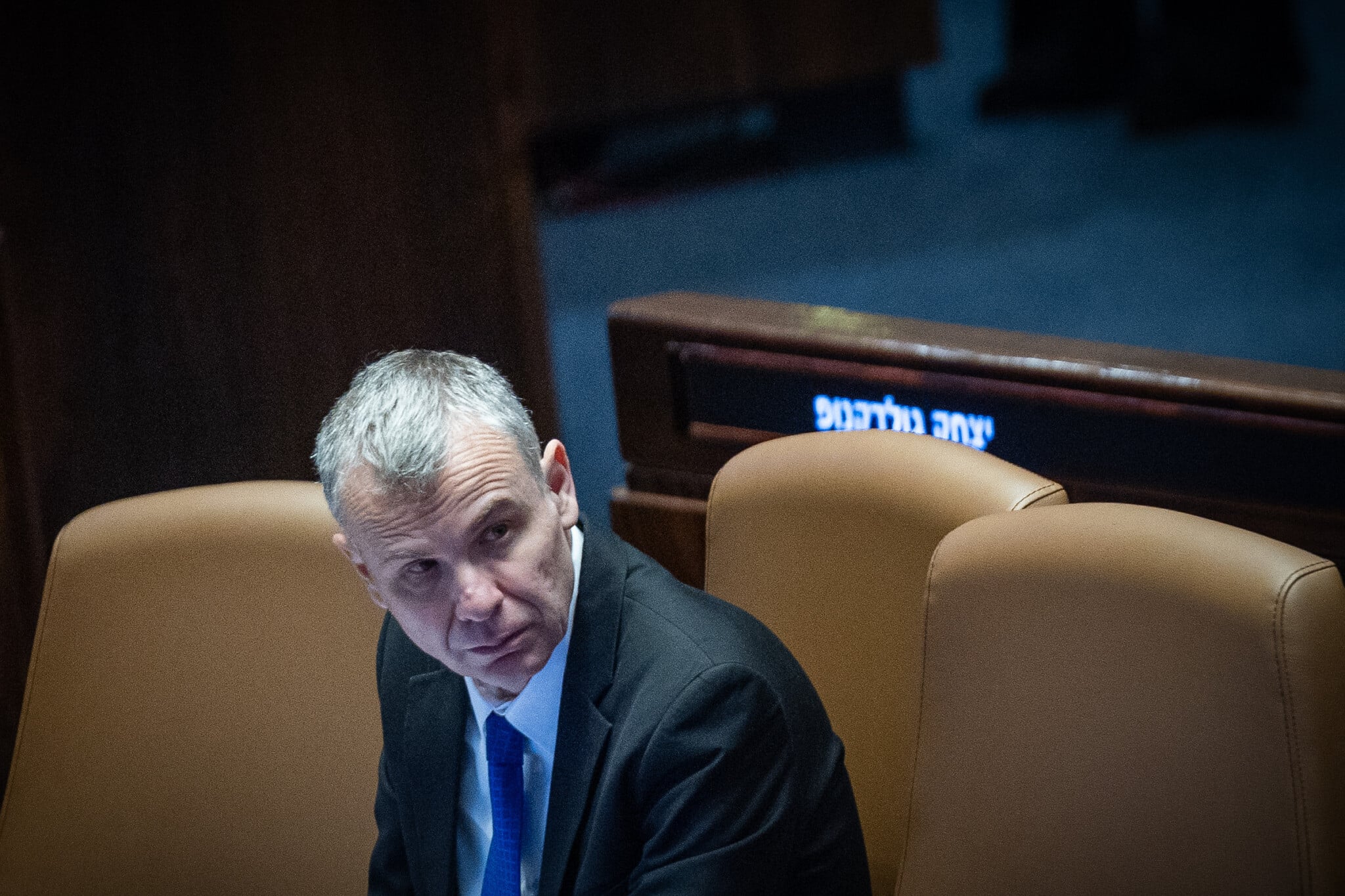
“A system that cannot fulfill its duties, a minister who does not appoint judges for one reason or another—where will this lead?” he continued. “To a point where we cannot hold trials at all?”
Levin’s lawyer argued that “The attempt to portray the justice minister as an enemy of the system is a very serious mistake.”
According to Amir, the petition seeks “to strip the minister of a constitutional authority.” He contended that Levin, “with due diligence, has brought about the appointment of 200 judges and registrars.”
Grosskopf replied: “You requested an extension and received it because we want matters to be resolved without a high court ruling, but service to the public has been significantly harmed.”
“If the minister actually wanted to resolve issues, he would have convened the committee,” the justice said.
“Putting a gun to the head of a timetable from one day to the next does not serve the purpose,” Levin’s lawyer said. “Taking away the minister’s authority will create a crisis.”
There are currently 44 judicial positions awaiting appointment in courts across Israel, with another 21 expected to become vacant by the end of this year. According to Baharav-Miara, there will 65 empty posts by the end of 2026, including four on the Supreme Court.
Last month, Baharav-Miara accused Levin in a court filing on the case of assuming “out of thin air” the authority to veto judicial appointments.
The justice minister has failed to convene the nine-member committee since January 2025 and has sought to avoid doing so until after the general election scheduled for this October, when a March 2025 law takes effect, increasing political influence over judicial appointments.
Levin’s refusal to convene the committee is part of his wider judicial overhaul that seeks to shift power from the courts to the government. The reforms have sparked widespread protests with critics warning that they will undermine democracy and Israel’s system of checks and balances.










The Times of Israel Community.