

AG: Levin has given himself veto power over judicial appointments ‘out of thin air’
Justice minister’s refusal to convene judicial selection panel harming public interest, says Baharav-Miara; Levin calls claim false, accuses panel members of refusing to compromise
 Add ToI as a Preferred Source on Google
Jeremy Sharon is The Times of Israel’s legal affairs and settlements reporter
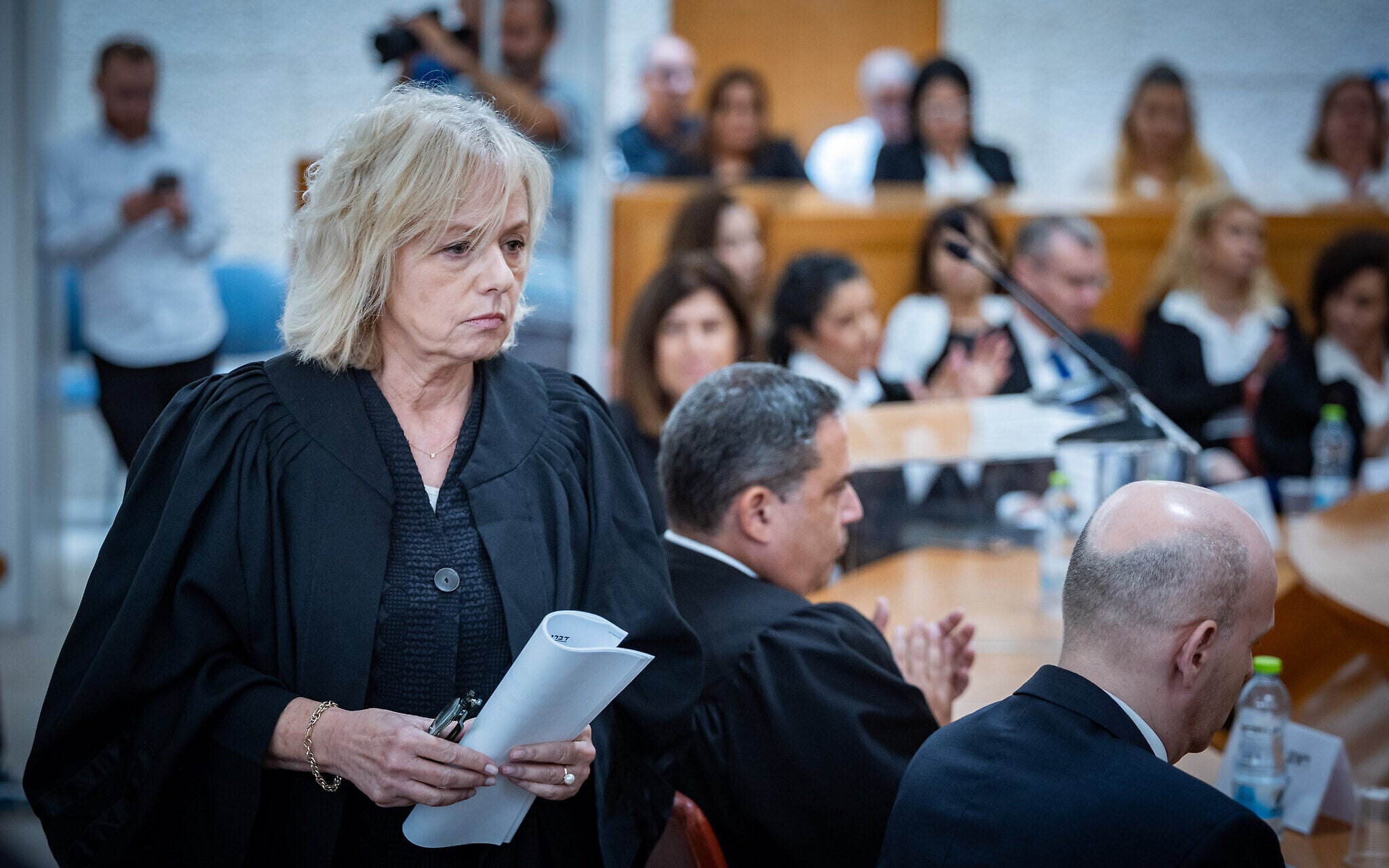
Attorney General Gali Baharav-Miara on Thursday accused Justice Minister Yariv Levin of undermining the judiciary by assuming “out of thin air” the authority to veto judicial appointments.
In a court filing on a petition by anti-corruption non-profit Movement for Quality Government, Baharav-Miara said Levin’s refusal to convene the Judicial Selection Committee to appoint new judges was harming the public interest because it hampered the ability of the courts to function and caused them to delay rulings, even in urgent cases. The anti-corruption watchdog has petitioned the Supreme Court to order Levin to convene the Judicial Selection Committee to appoint judges for dozens of empty posts across the country.
The justice minister has failed to convene the nine-member committee since January 2025 and has sought to avoid doing so until after the general election scheduled for this October, when a March 2025 law takes effect increasing increasing political influence over judicial appointments.
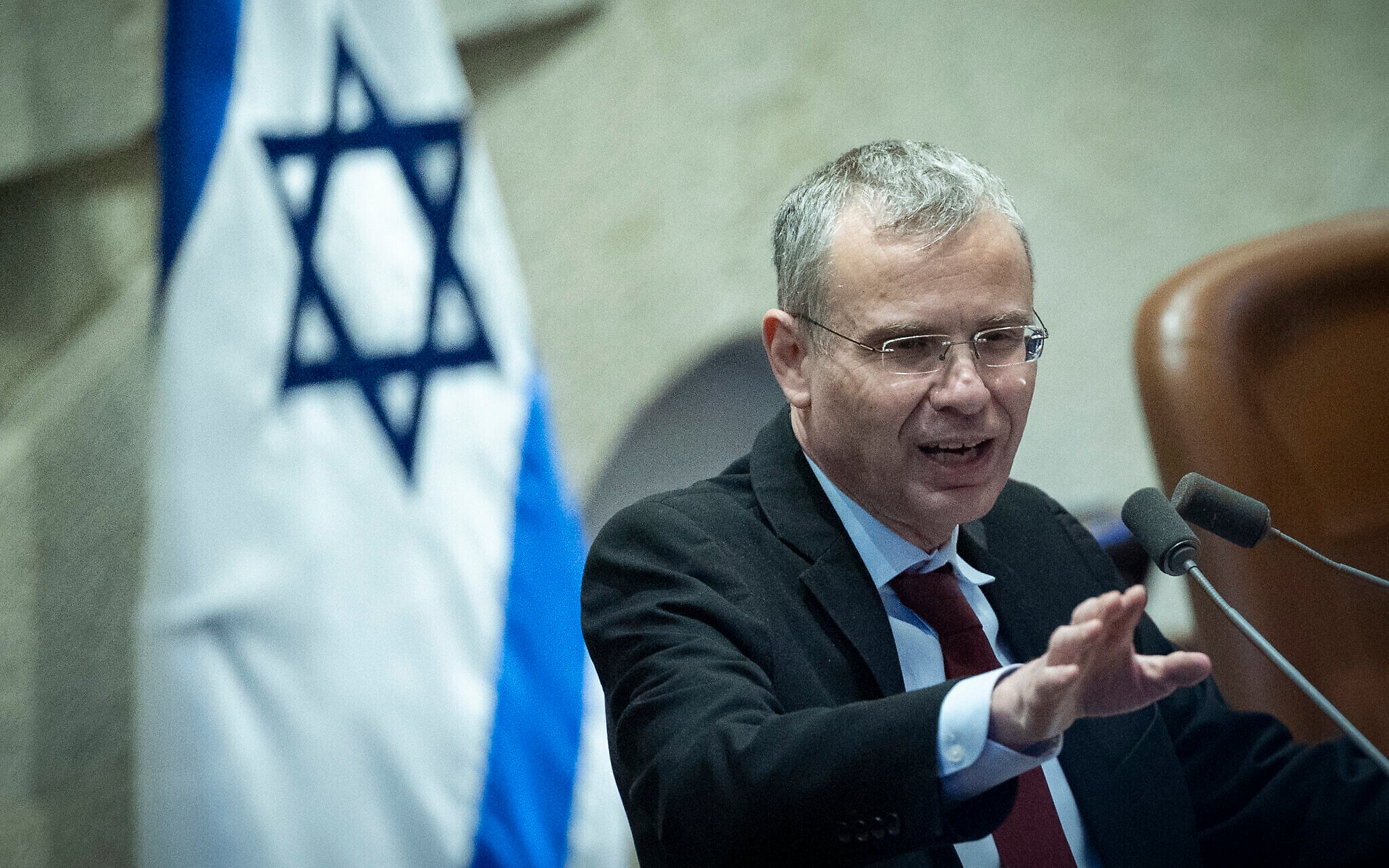
In a statement, Levin called Baharav-Miara’s accusation false and claimed he was seeking to appoint judges by “broad consensus” while other Judicial Selection Committee members were stonewalling.
“Baharav-Miara’s claims are false,” said Levin, who as justice minister chairs the committee. “During my time in office, a massive number of about 200 judges have been appointed.”
“For a long time now I have been working to secure agreements that will enable the appointment of judges by broad consensus, but rather than rise to the occasion, some members of the Committee reject any compromise, and veto worthy appointments such as Dr. Bakshi and Dr. Bitton,” Levin said, referring to legal scholars Aviad Bakshi and Raphael Bitton.
The two are members of right-wing think tanks who helped draft legislation that makes up Levin’s controversial judicial overhaul, which seeks to weaken the judiciary. Levin has previously cited the legal scholars as fitting candidates to serve on the Supreme Court.
While appointments to lower courts require only a simple majority in the Judicial Selection Committee, appointments to the Supreme Court require a supermajority of seven — giving both the judiciary and the governing coalition, with three members each on the committee, effective veto power over Supreme Court appointments.
In her court filing, Baharav-Miara said there were 44 empty judicial posts across the country, including four on the Supreme Court, and that there were expected to be 65 empty posts by the end of 2026.
Another 35 new judicial position, set to be created under the terms of the 2025 and 2026 state budgets, will also go unfilled as long as Levin continues to refuse to make appointments, she said.

Levin’s stance “grants him and the other coalition members on the committee the right to ‘veto’ the appointment of judges to the magistrate and district courts, despite a massive shortage of judges and the severe and ongoing harm to the functioning of the court system and the interests of the public and litigants,” said Baharav-Miara.
She added that this position violates the terms of the law for judicial appointment and its purpose, “and contravenes the public interest which the law comes to serve.”
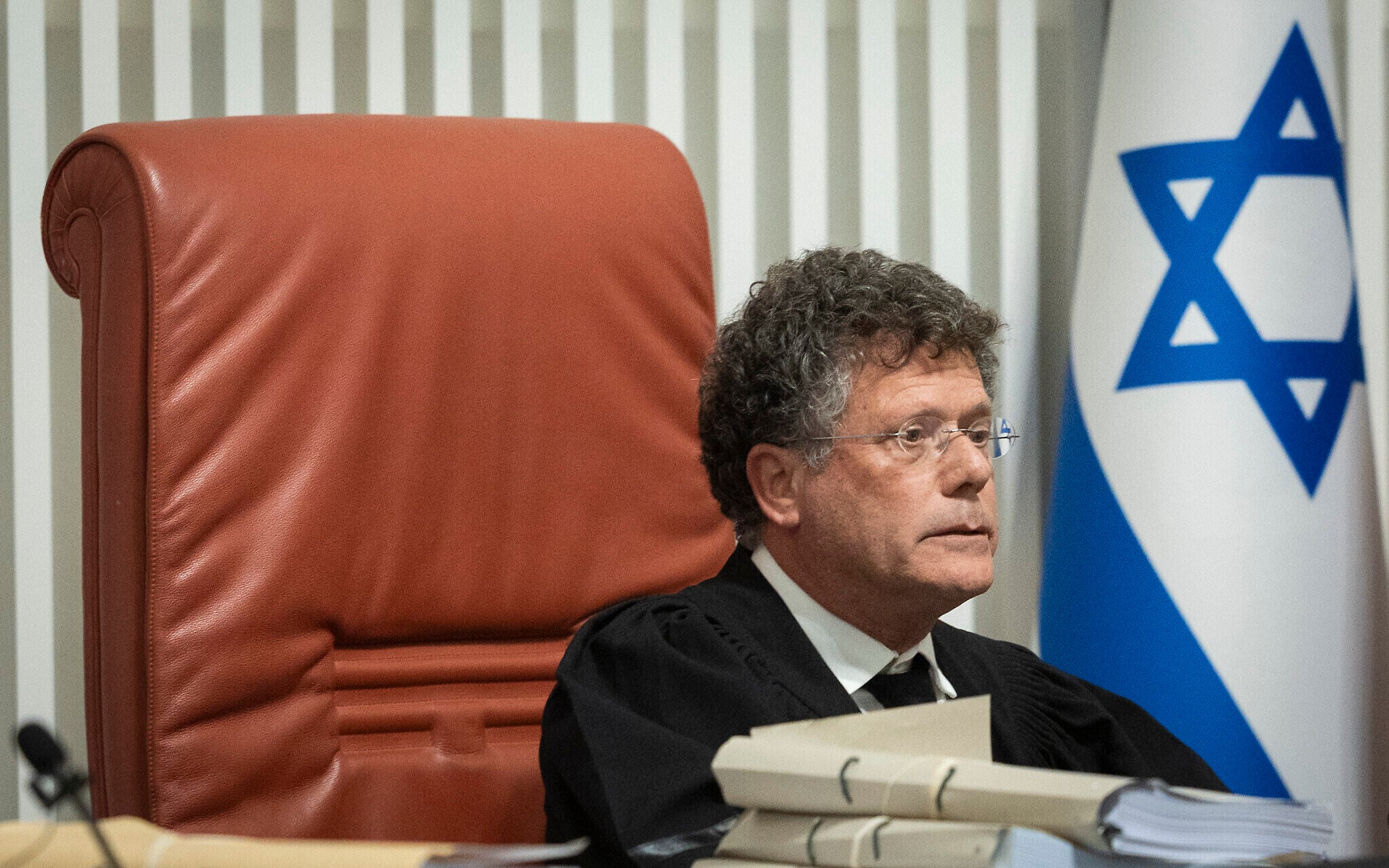
The attorney general also argued that Levin’s refusal to convene the committee contravenes the Supreme Court’s rulings in 2024 and 2025 that Levin must assemble its members to elect a Supreme Court president, after he refused to do so for 16 months. Levin continues to disavow Supreme Court President Isaac Amit, whom the Judicial Selection Committee appointed when it finally convened.
“In practice, the minister is using the governmental power and discretion entrusted to him…to create out of thin air an unlimited veto right for himself and the executive branch over the selection of judges, in a manner that contradicts the provisions of the law and case law, and massively harms the functioning of the judicial branch,” Baharav-Miara wrote.
She added that the court’s earlier rulings meant Levin was legally required to convene the committee within an appropriate amount of time after judicial vacancies open up; hold deliberations on the candidates; and ultimately hold a vote on those candidates to fill the empty seats on the judicial benches.
Times of Israel staff contributed to this report.










The Times of Israel Community.