

Houthi harassment forcing World Food Program to shut in north Yemen, officials say
UN agency had suspended operations in August, and 365 staff will be laid off by March, sources report, citing terror group’s arrests of workers and funding shortages
 Add ToI as a Preferred Source on Google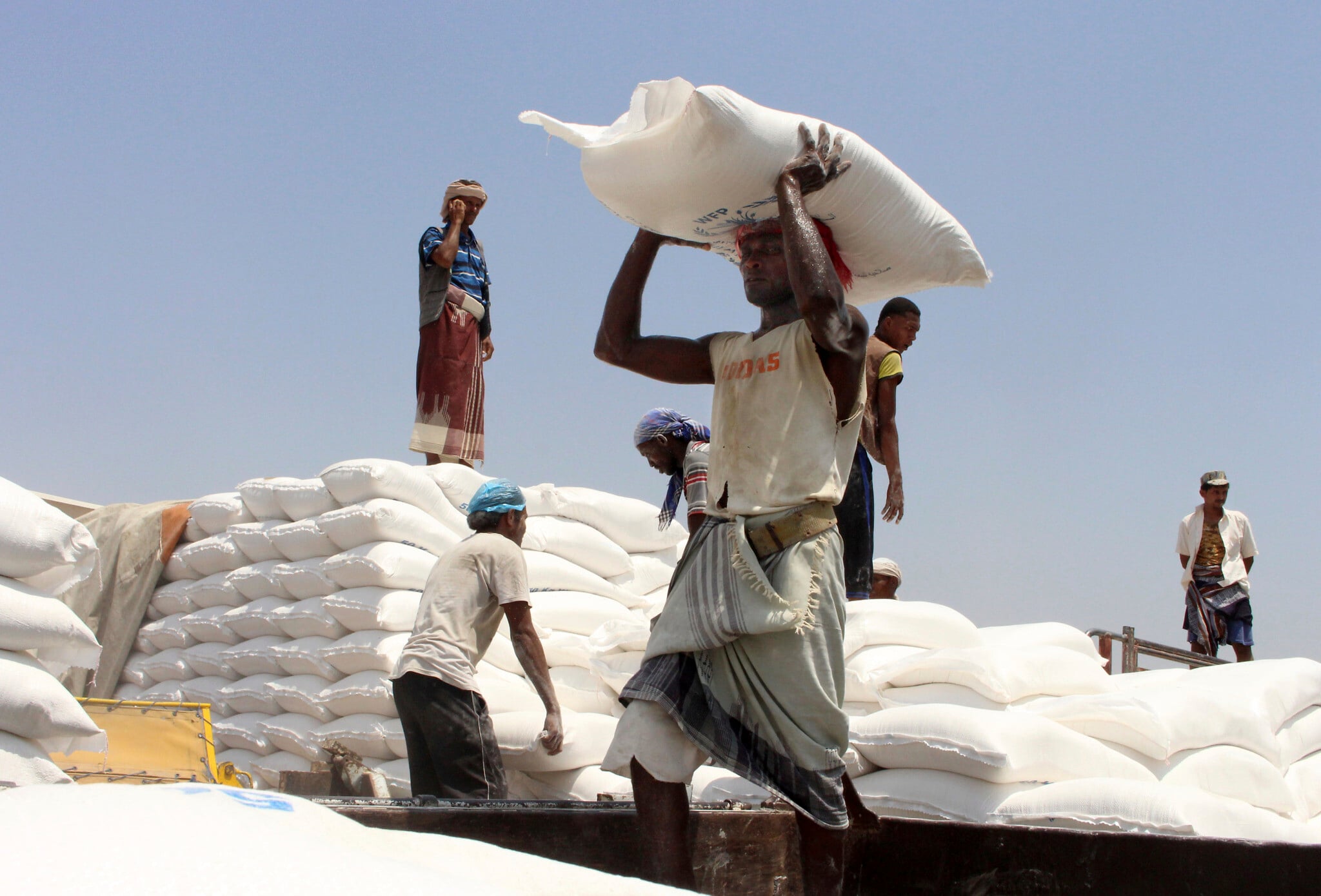
SANAA, Yemen — The United Nations food agency is shutting down its operations and laying off hundreds of workers in the northern part of Yemen held by the Houthis, following harassment and restrictions imposed by the Iran-backed terror group, UN officials said Thursday.
The World Food Program’s move is likely to worsen the dire humanitarian conditions in the impoverished Arab country amid the rebel Houthis’ crackdown on UN workers and aid groups in areas under their control, as well as funding shortages.
One UN official told AFP on Thursday that the agency suspended work in rebel-held areas in late August after the Iran-backed Houthis detained 38 employees in a series of raids. “Work stopped at our facility on August 25 due to the campaign of arbitrary arrests,” the official said.
According to the UN officials, the WFP’s 365 staff members in northern Yemen will lose their jobs by the end of March. International staff have already been pulled out.
“These circumstances, combined with a challenging funding environment, have resulted in the need for WFP to end the contracts of 365 staff members,” he said.
In November, the WFP and the UN’s Food and Agriculture Organization named Yemen as one of the countries with populations at “imminent risk of catastrophic hunger.”
One official blamed the “insecure operating environment” in the Houthi-controlled areas, and lack of sufficient funding, for the WFP decision.
The officials, with direct knowledge of WFP decisions, spoke on condition of anonymity to discuss the yet-to-be announced shutdown.
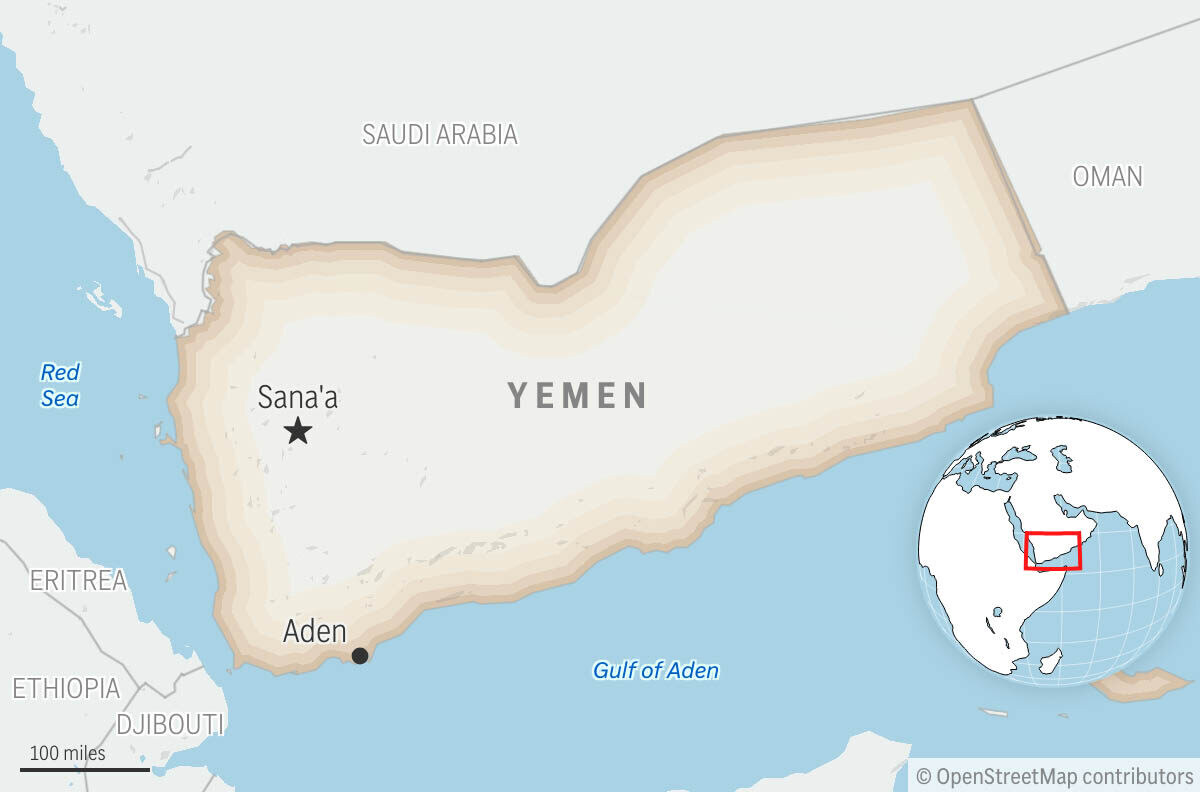
Yemen descended into a devastating civil war in 2014, when the Houthis pushed from their northern stronghold of Saada province and seized the capital of Sanaa, forcing the internationally recognized government out and to the south, and eventually into exile.
The Houthis now control most of the country’s north, including Sanaa, while the internationally recognized government, which is backed by a Saudi-led coalition, rules the south. Most Yemenis live under Houthi rule.
The Houthis have repeatedly targeted UN agencies as part of a crackdown on alleged Israeli espionage rings since the start of the war in Gaza, which began with the Hamas-led October 7, 2023, attack, forcibly entering and occupying UN premises in Sanaa and elsewhere. That war was halted in a ceasefire that took effect in October 2025.
Sixty-nine UN staff have been detained altogether, the official said, with the world body having strongly rejected allegations of spying.
The Houthis — whose slogan calls for “Death to America, Death to Israel, [and] a Curse on the Jews” — began attacking Israel and maritime traffic in November 2023, a month after the October 7 Hamas massacre. Israel has struck Yemen in response. The Houthis have since abided by ceasefires in Gaza.
However, the rebels have recently threatened to resume targeting Red Sea shipping amid US threats to strike Iran.
Over the last few years, the Houthis have also detained workers for nongovernmental and civil society groups, and staff of diplomatic missions. They have claimed, without offering evidence, that detained UN staff and employees of other organizations and embassies are spies, which the UN has denied.
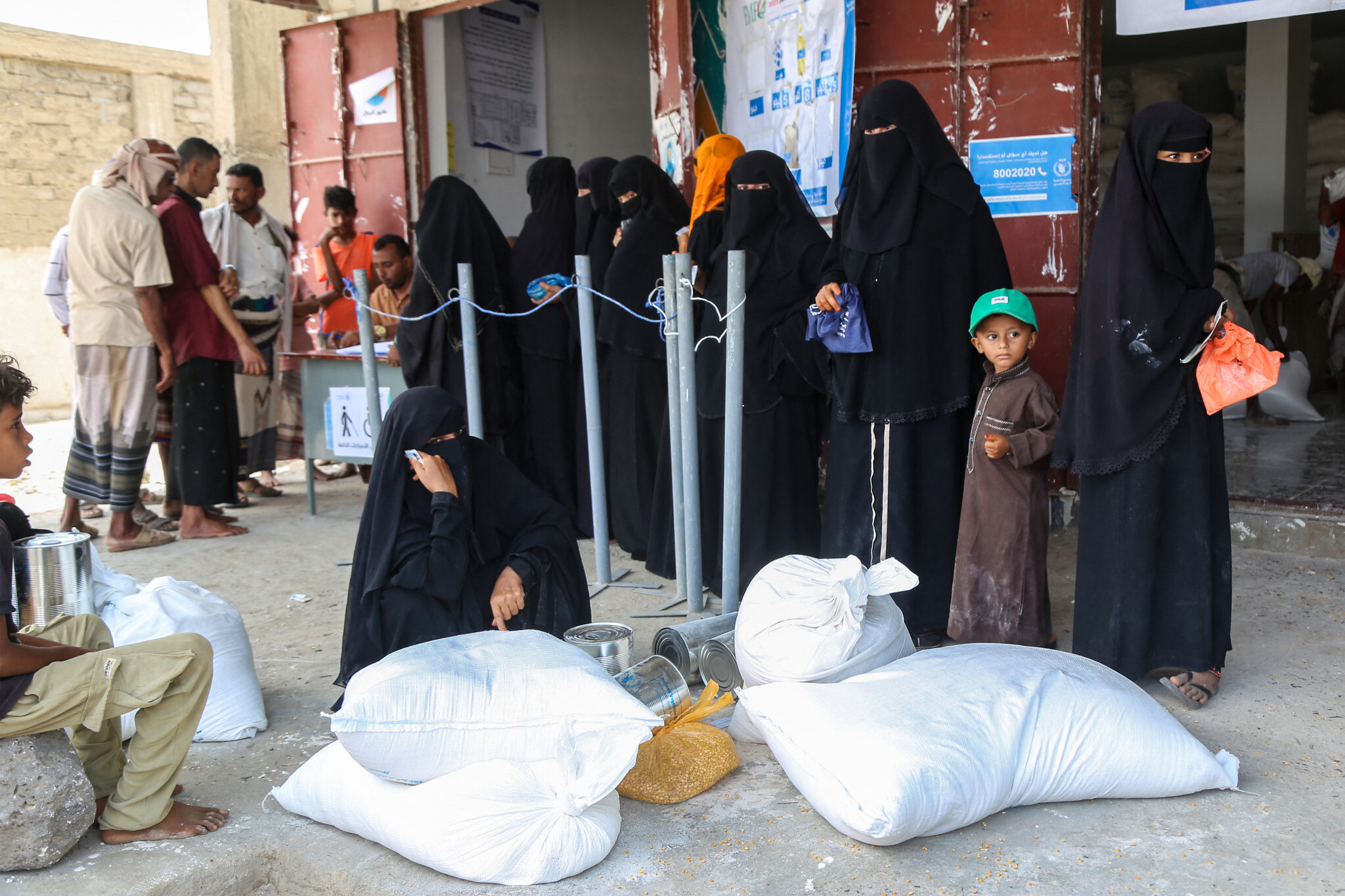
The crackdown severely restricted humanitarian operations in the Houthi-held areas, which account for around 70 percent of humanitarian needs in the country, according to the UN.
Ramesh Rajasingham, who directs humanitarian operations in Yemen, told the UN Security Council earlier this month that more than 18 million people in Yemen could face acute food insecurity in the coming month, with tens of thousands at risk of slipping into “catastrophic hunger” and facing famine-like conditions.
The global aid sector is grappling with a sharp drop in funding, with key donor countries, led by the United States, slashing their contributions.
The UN Office for the Coordination of Humanitarian Affairs, or OCHA, said humanitarian operations in Yemen in 2025 were just 25% funded. The gap, OCHA said in a January 4 report, forced UN agencies and aid groups to scale back life-saving services across all sectors, particularly health and protection programs.
This left “millions of people without essential care and exposed to heightened risks,” the agency said.








The Times of Israel Community.