

ICC prosecutor warns Sudan’s RSF paramilitary may be committing war crimes in Darfur
International Criminal Court collecting evidence of alleged mass killings and rapes in Darfur, following Rapid Support Forces’ capture of the city of El Fasher
 Add ToI as a Preferred Source on Google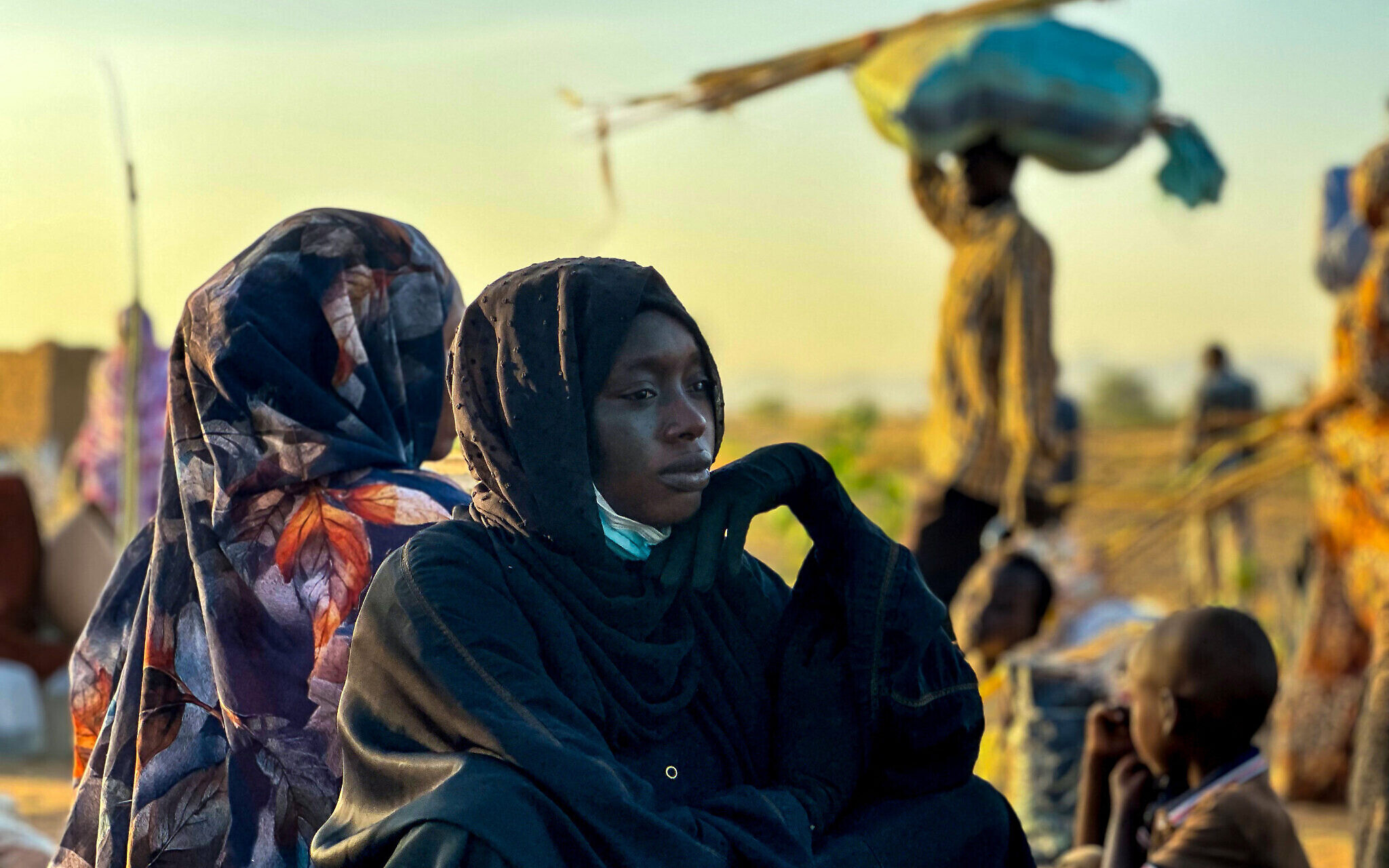
The prosecutor’s office at the International Criminal Court is collecting evidence of alleged mass killings and rapes in Sudan’s Darfur region, as it warned Monday that atrocities committed in the city of El Fasher could constitute war crimes and crimes against humanity.
After 18 months of siege, bombardment and starvation, the paramilitary Rapid Support Forces (RSF) seized control of the city from the government on October 26, dislodging the Sudanese army’s last stronghold in Darfur.
The court “is taking immediate steps regarding the alleged crimes in El Fasher to preserve and collect relevant evidence for its use in future prosecutions,” the prosecutor’s office said in a statement on Monday.
The alleged atrocities “are part of a broader pattern of violence that has afflicted the entire Darfur region since April 2023,” when the current civil war began, and they “may constitute war crimes and crimes against humanity,” the statement said.
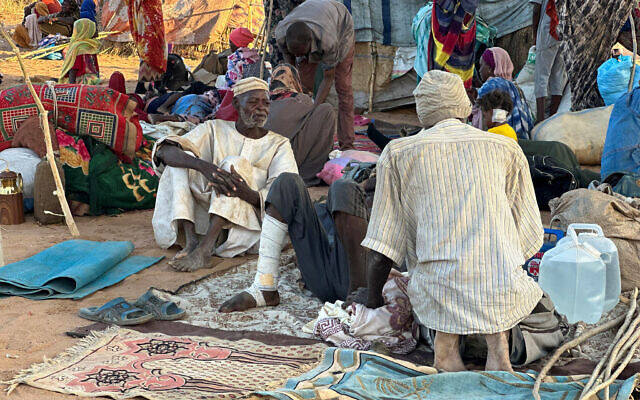
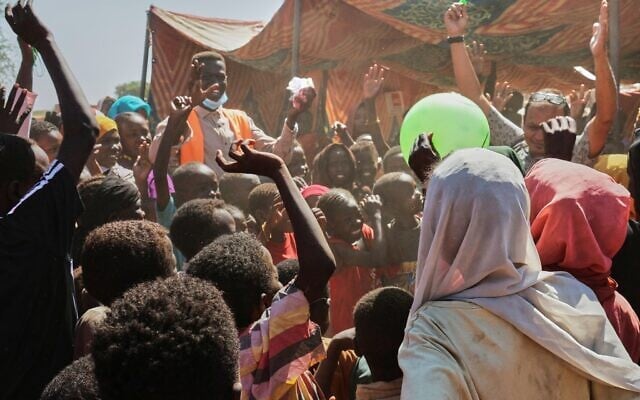
More than 70,000 people have fled El Fasher so far, and survivors have told Reuters about the separation and killing of men who left the Darfur city for safety.
Witnesses have reported fighters going house to house, killing civilians and committing sexual assaults, the Associated Press reported. According to the World Health Organization, groups of gunmen killed at least 460 people at a hospital and abducted doctors and nurses.
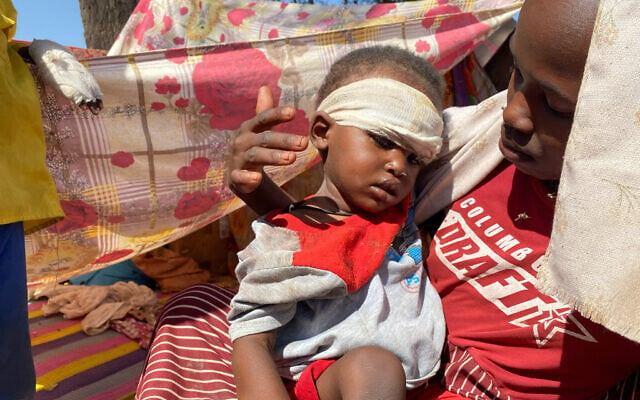
Many details of the hospital attack and other violence in the city have been slow to emerge, and the total death toll remains unclear. Before the final assault, roughly 260,000 people lived in the city.
The fall of El Fasher heralds a new phase of the brutal, two-year war between the RSF and the military in Africa’s third-largest country. The RSF’s capture of El Fasher gives it de facto control of more than a quarter of Sudan.
The RSF traces its origins to the Janjaweed, a predominantly Arab militia accused of genocide two decades ago in Darfur, which is in western Sudan.
Reports since El Fasher’s fall have raised fears of a return to similar atrocities. The head of the International Committee of the Red Cross told Reuters over the weekend that history was repeating itself in Darfur with the RSF’s capture of El Fasher.
Last month, the ICC convicted a feared Janjaweed chief for war crimes and crimes against humanity committed in Darfur more than two decades ago.
The ICC found Ali Muhammad Ali Abd-Al-Rahman, also known by the nom de guerre Ali Kushayb, guilty of multiple crimes, including rape, murder and torture carried out between August 2003 and at least April 2004.
The ICC prosecutor’s office referenced this verdict, saying it should serve as a warning “that there will be accountability for such atrocious crimes.”
The ICC can prosecute suspected perpetrators of war crimes, crimes against humanity, genocide and in some cases the crime of aggression if committed on the territory of one of the court’s 125 member states, or by nationals of ICC members, or when a case is referred by the UN Security Council.
The court’s chief prosecutor Karim Khan told the Security Council in January that there were grounds to believe both government forces and the RSF may be committing war crimes, crimes against humanity or genocide in Darfur.
Khan has stepped down temporarily as the ICC chief prosecutor pending the outcome of an investigation into allegations of sexual misconduct, which he categorically denies.
Deputy prosecutors have taken over the caseload while the investigation is ongoing, as well as a high-profile case against former Philippines president Rodrigo Duterte.
The ICC has also issued arrest warrants for Prime Minister Benjamin Netanyahu and former defense minister Yoav Gallant for alleged war crimes and crimes against humanity committed during Israel’s war against Hamas in Gaza. Israel, which is not a party to the ICC, rejects the allegations.



The Times of Israel Community.