

ICL shares plummet as miner agrees to smaller payout for giving up Dead Sea rights
Israel Corporation subsidiary had sought $6 billion to concede right of first refusal on 2030 mineral lease, but settles for $2.5 billion and refund on investment for salt buildup fix
 Add ToI as a Preferred Source on Google
Sue Surkes is The Times of Israel's environment reporter
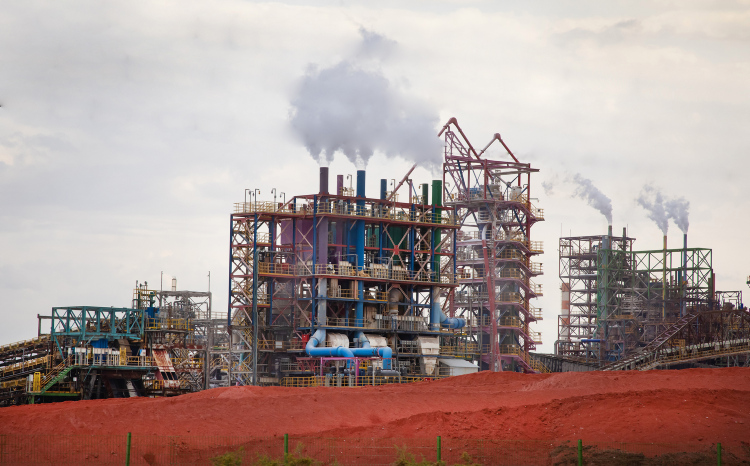
ICL Group said this week it would accept a $2.54 billion payment from the state and concede a lucrative right for preferential treatment in a future Dead Sea mining lease, paving the way for a more competitive bidding process.
Shares of the mining company fell by 15 percent on the Tel Aviv Stock Exchange Thursday as investors balked at the firm’s decision to accept less than half of the $6 billion it had originally demanded.
ICL currently holds a concession to mine the Dead Sea for minerals such as potash, phosphate, and bromine. The lease runs out on March 31, 2030, but ICL’s contract had granted it the right to automatically win the new concession so long as it matched any competing bid.
The clause had severely hampered the state’s ability to facilitate a fair and competitive bidding process, diluting interest in the concession.
In a Wednesday filing to the TASE, ICL detailed its agreement to surrender the right within the framework of a memorandum of understanding signed with the Finance Ministry, through the accountant general.
Under the MOU, the state agreed to pay ICL $2.54 billion to strike the clause, down from the $6 billion the company initially sought.
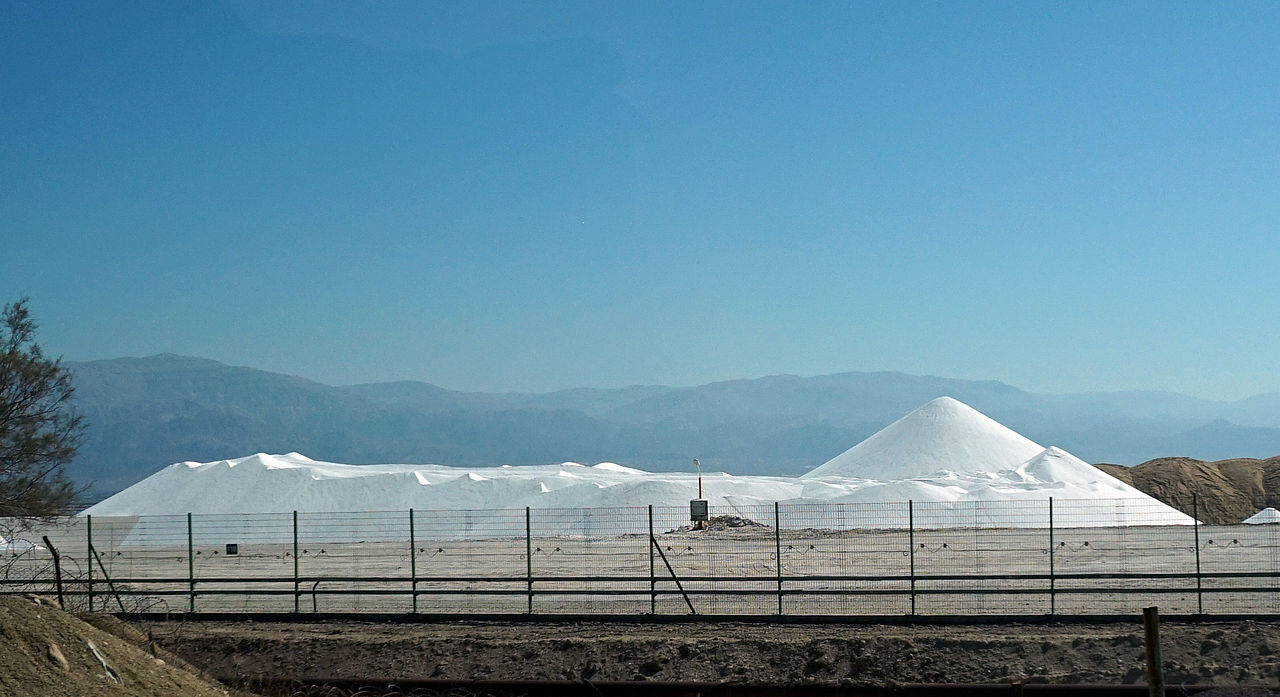
In addition, the state will refund ICL for any investments it made since January 2025 in creating a system to deal with mountains of salt scraped from the floor of its main evaporation pool south of the Dead Sea.
Salt buildup in the pool, which is lined with hotels and often mistaken for the actual Dead Sea, had caused water levels to rise, threatening the hotels and tourist infrastructure at Ein Bokek.
ICL had been ordered in 2012 to remove the salt, which is currently piled in heaps around the pond, and to begin work on devising a way to get it back into the Dead Sea.
The ICL stock exchange notice estimated the value of the refund at hundreds of millions of dollars.
Aside from giving up on the right of first refusal, ICL also agreed to several additional steps, among them maintaining levels of investments and maintenance at the average level of the past decade until the end of the current concession, providing all the information needed to the government and the bidders for the tender, and providing the new concessionaire with the necessary cash for employee pensions and benefits.
The company is a subsidiary of the Ofer family’s Israel Corporation, the country’s largest holding company.
In its stock exchange notice, ICL explained that it expected the principles outlined in the MOU to “remove significant uncertainty and risk around termination of the concession and provide the company with certainty regarding the value of the concession assets and the timing of payment for them, thereby enabling the company to plan and prepare in the coming years for the end of the concession period.”
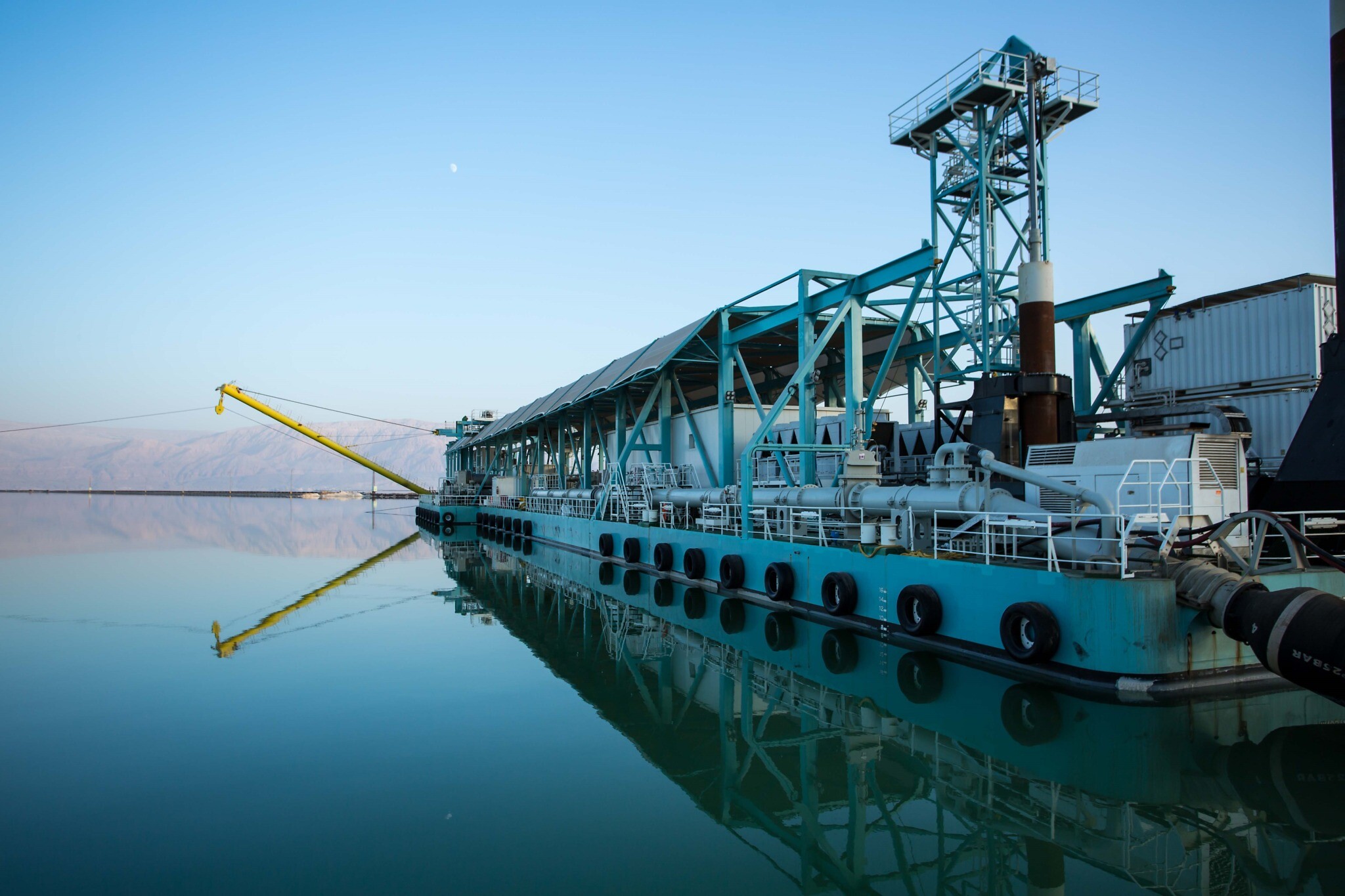
The company said it would consider bidding to renew its lease once the terms of the concession had been determined and published.
“If such terms are economically viable, the company continues to believe that it is the most suitable candidate for operating the future concession, among other things, in light of its experience and expertise, and currently intends to participate in the process,” the notice read.
The MOU was the product of months of negotiations between the Finance Ministry and ICL. After 90 days, both parties are expected to sign the agreement to finalize the deal.
The state is expected to insert significant changes for the concession, including offering less land, charging for water use and imposing planning and building, environmental, and other regulations on the winning company.
The total government take from operating profits will rise from 34% to 50%, in line with the so-called Sheshinksy Law on taxing natural resource extraction. This will be divided between the country’s sovereign wealth fund and the state budget, although details regarding how the sum will be divvied up remain unclear.
The legislation needed to create the new concession is expected to be submitted in the Knesset in the coming weeks, with the government planning to screen potential bidders by the middle of next year.






The Times of Israel Community.