

IDF chief: I regarded Gaza as least worrying border; I know victims asked ‘Where’s the IDF?’
In leaked remarks to local council chiefs while presenting army’s findings, Halevi also notes the first troops only reached hard-hit Kibbutz Nir Oz after last terrorists had gone
 Add ToI as a Preferred Source on Google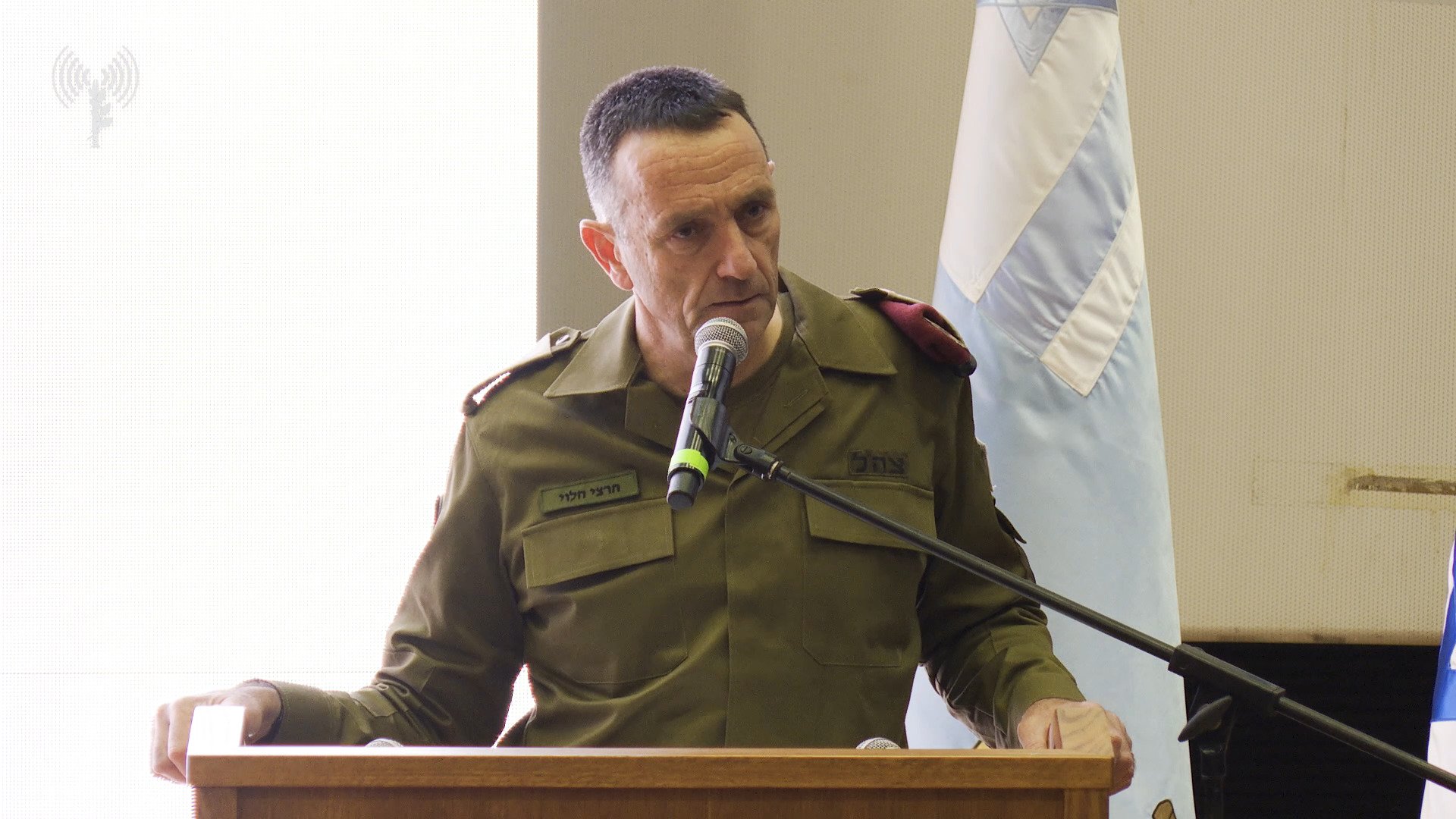
The outgoing head of the Israel Defense Forces and the commander of the Southern Command went in depth in detailing the series of catastrophic intelligence and operational failures that enabled Hamas’s October 7, 2023, onslaught while presenting the army’s extensive findings last week to southern local council chiefs, according to recordings leaked to the media and aired Sunday evening.
Outgoing military chief Herzi Halevi acknowledged that he and the IDF had thought Hamas was entirely incapable of carrying out the kind of broad surprise attack it ended up mounting, murdering some 1,200 people and taking 251 hostages, and said he had been less concerned by the threat from Gaza than the dangers on every other Israeli border.
Halevi said that this IDF conception had “collapsed” on October 7, and that he knew that the last words of many Israelis murdered that day were, “Where is the IDF?”
Halevi, who is set to step down later this week having taken personal responsibility for the failures, stressed at the start of the broadcast recording that he, as head of the IDF, and the IDF as a whole, had failed to protect the people of Israel. “I know lots of people were murdered, and their last words were, ‘Where is the IDF?’ I know that. It’s very hard for us [to know that].”
He said the IDF “expected something very different of ourselves,” and had never thought anything like October 7 could take place. Obviously, it would have acted differently if it had known this could happen, he said.
“We considered Hamas to be a limited military force. We didn’t see a scenario of a wide surprise [Hamas] attack as a realistic scenario. And if there was to be something like that, our assumption was that we would get a warning ahead of time from [military] intelligence,” Halevi said.
The assessment was that a combination of intelligence warnings, the security fence around Gaza, and the protection afforded by IDF troops offered appropriate defenses, he said. This assessment “collapsed.”
“When I ranked the borders, I put the Gaza as the last border that needed attention,” Halevi said. “We felt that the subterranean barrier was very high quality, that intelligence gathering was advanced, that the topography was helpful, and we put the northern border as the most grave [priority]… facing Hezbollah.”
“We thought our situation overall was good.”
‘The first soldier arrived after the last terrorist had left’
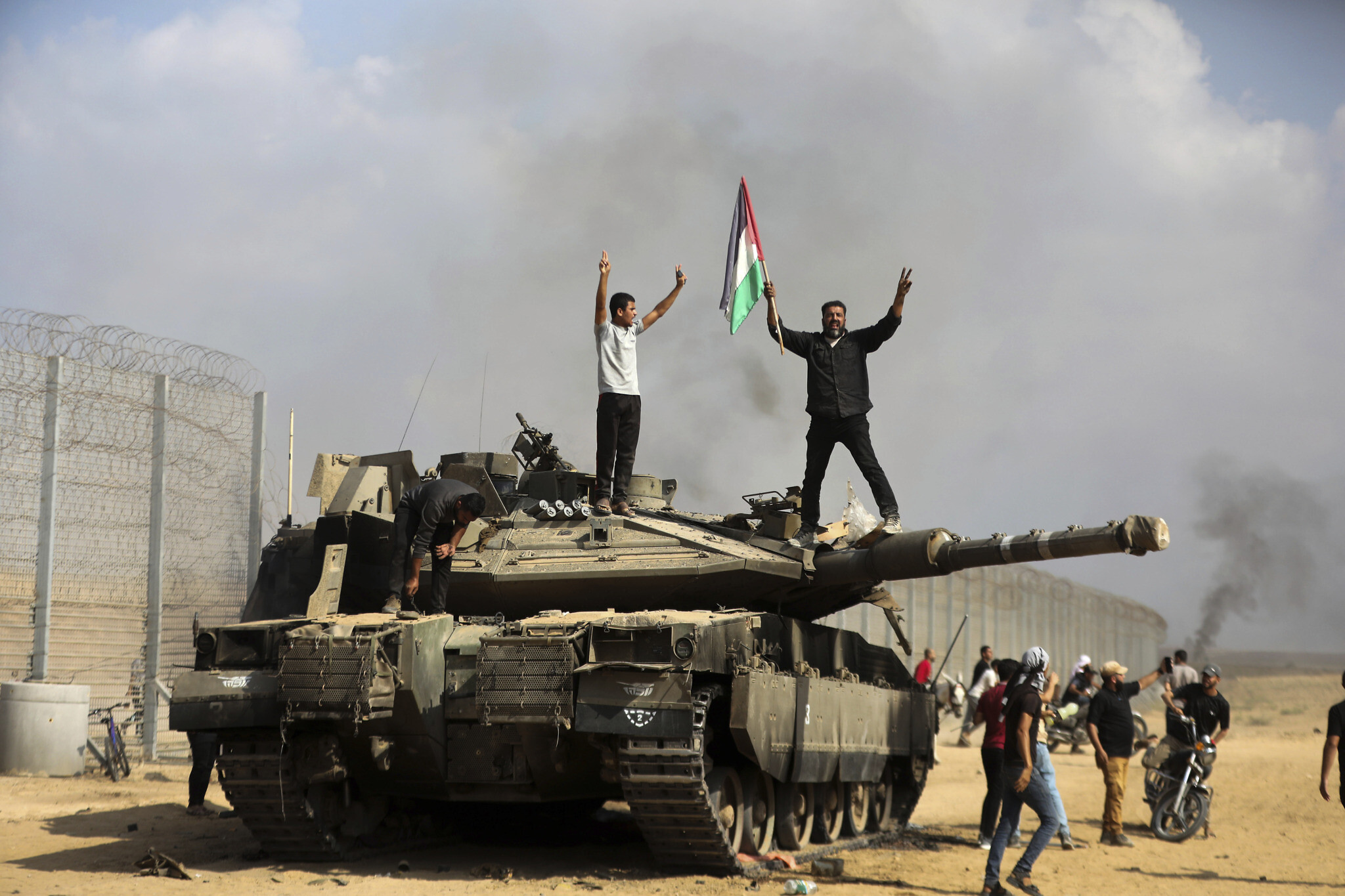
In further remarks, Halevi addressed the fact that the first IDF troops did not reach Kibbutz Nir Oz, where a quarter of residents were killed or kidnapped, until the last terrorists had gone.
Halevi said a lot had been said in the media about too many troops going to Sderot, the Gaza border town that was among the many communities attacked. Two sets of forces were dispatched to Nir Oz, he said, but they got caught up in other battles en route and did not reach the kibbutz. “The results were terrible. As someone from Nir Oz told me, the first soldier arrived after the last terrorist had left. That’s the worst thing that we could hear.”
Halevi said that the absent intelligence material “in this war was a big part of the failure. We would have wanted advance warning, we would have wanted to know [what was about to happen]. That could have changed the reality. We didn’t get it…”
He then discussed the indications that were nevertheless received in the hours before the invasion that Hamas was planning something. “The central question here is: Could we have understood what was received that night differently, and obviously then made different decisions?”
He noted the fact that Hamas terrorists turned on Israeli SIM cards on Friday evening, October 6, and that this had been reported by IDF intelligence. But, he said, this had happened “in the previous year… 10-12 times.” It was checked, he said.
He said the movements of senior Hamas figures were also checked.
The checks indicated that what was going on was “routine” and that there were “good alternative explanations” for what was happening in Gaza.
For instance, he said, Hamas, in the weeks ahead of its invasion and massacre, “was mainly discussing directing attacks from Gaza to be carried out in the West Bank.”
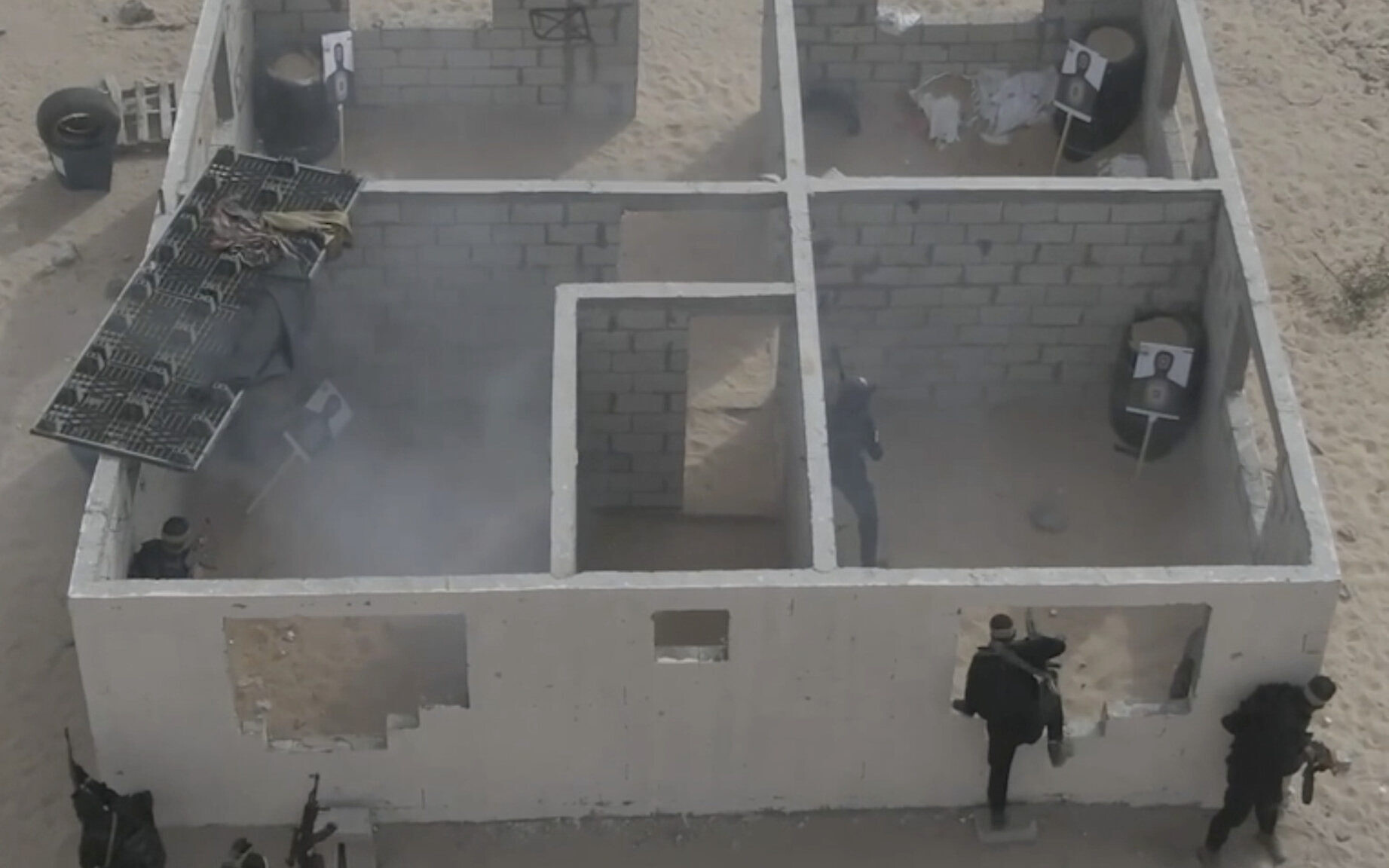
This had been raised with the political leadership, he said, and had prompted talk about carrying out “targeted strikes [on key Hamas figures] in Gaza.”
“A lot of what we saw [in the hours before the invasion], we attributed to their knowledge that the cabinet on Sunday might approve a further targeted strike,” Halevi said.
Halevi said the IDF’s top brass were updated on the worrying indications from Gaza at about 3 a.m. on October 7 — three and a half hours before the attack — and that this was unduly late: “The General Staff, me included, entered the picture at about 3 a.m. I think that was too late. The first signs came at 9 to 9:30 on the [previous] evening… But they were insufficient…”
He said it was not the case that officers were wary of waking up the IDF chief of staff. Rather, “everyone who was looking [at the information] believed [what they were seeing in Gaza] was not about to happen now or tomorrow. [They thought]: There is something. It’s not clear. It’s not [something to justify an urgent] alert.”
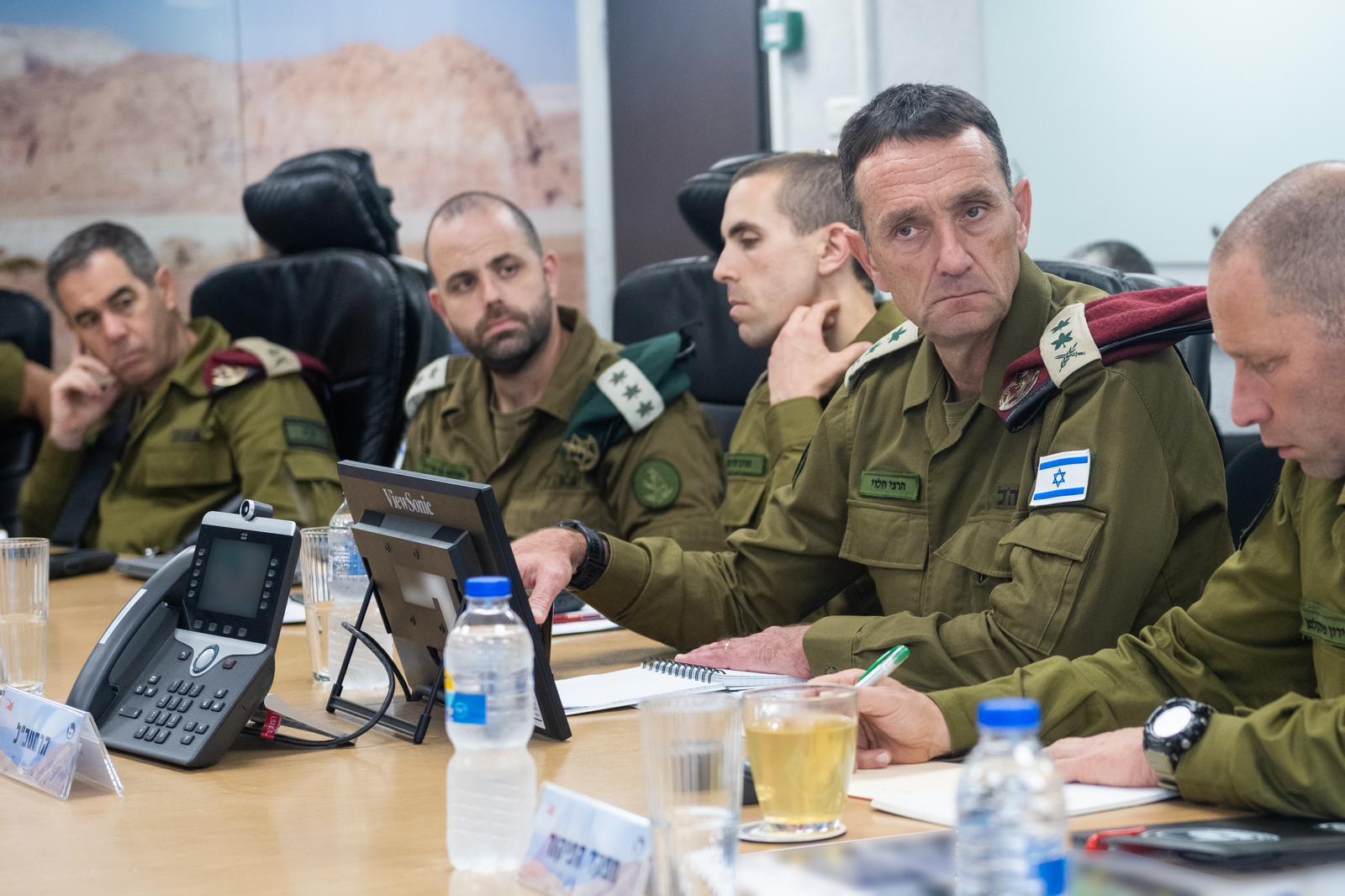
Summing up the “main failures,” Halevi said: “The level of alert was not raised.” He added: “Too many things [that were unfolding in Gaza] were unclear,” and the IDF needed to be “sharper, and we erred.”
During the IDF’s subsequent probe, he said, a chart had been drawn up that shows “what we knew that night” versus “what we should have known that night.”
When looking at those two sets of data, said Halevi, “and especially at the differences between them, you say, ‘If [only] there had been a single person who had seen that whole chart on that night.'”
Gaza threat treated seriously but with ‘incorrect conclusions’
Channel 12 also aired recordings from remarks made by the head of Southern Command Maj. Gen. Yaron Finkelman at the same meeting with local council heads.
Finkelman said that the night before the attack was “a sleepless night” for him, as he reviewed the odd intelligence signals coming from Gaza, which the IDF notoriously decided were concerning but not exceedingly urgent, thus missing its chance to prevent the Hamas-led onslaught.
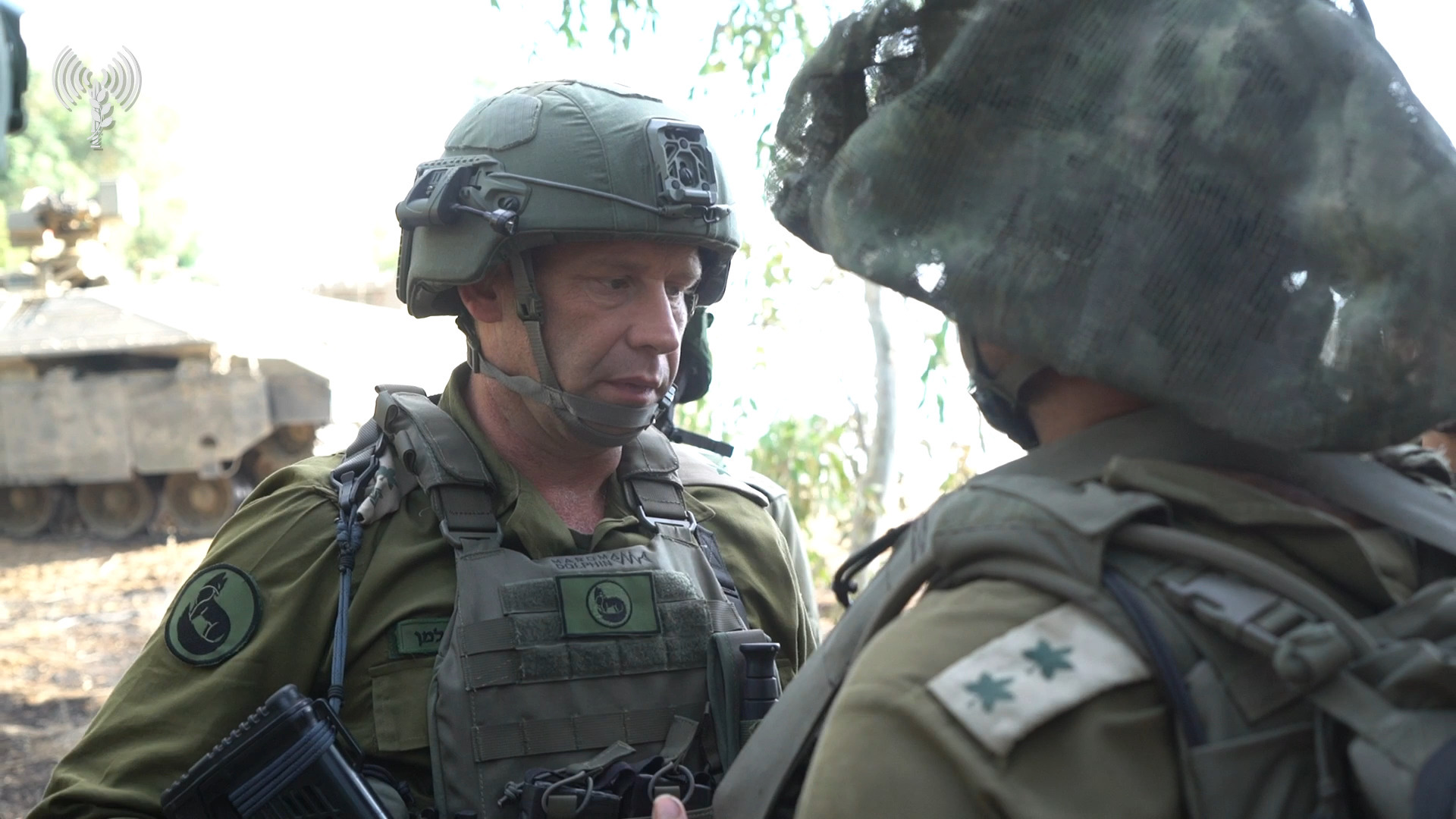
“I stayed up all night conducting ongoing situational assessments,” Finkelman told local leaders in the recording. Finkelman insisted he had not been blasé about the troubling signs. “I challenged and questioned intelligence officials, four different independent officials. The picture they presented to me consisted of two key elements: first, that this was not something imminent in the immediate timeframe. Second, that Hamas’s offensive force, the Nukhba, was operating as usual — it was not in any emergency state.
“These were the intelligence realities I received. By the way, regardless of that, the commander is responsible for everything, including intelligence,” he added, apparently referring to his ultimate responsibility.
“We took several actions, which in hindsight were of course insufficient. We redeployed commanders to the sector, though not all of them, and that is how it caught us at 6:29 a.m.,” he said.
Finkelman stressed that the conversations were ongoing throughout the night. “This wasn’t just one or two discussions, it was an entire sequence. We treated it with utmost seriousness. Of course, with incorrect conclusions, but with utmost seriousness.”
Finkelman also defended the conduct of the troops who responded to the attack as it unfolded. Though communities were left defenseless as marauding terrorists spread throughout the region, murdering and committing atrocities, the insufficient forces who were there fought bravely, he said.
“Everyone sought to engage [the enemy],” he said. “We had exceptional cases where they didn’t, and we also investigated and examined those, and we can point them out. I think this was a terrible day in terms of its outcomes. But… the people of Israel and the security forces sought engagement. They ran into gunfire to save civilians.”
He added that he had “made a mistake in something related to you, the civilians. I think the way we handled your evacuation from the communities — both in terms of speed, method, and even attitude — was not good enough, and I see this as my personal mistake.”





The Times of Israel Community.