

IDF probe credits Ein Habesor residents with repelling Oct. 7 attack on moshav
Left by the military to fend for itself, local security squad, reportedly with only a few guns, fought off Hamas terrorists assaulting community and evacuated wounded under fire
 Add ToI as a Preferred Source on Google
Stav Levaton is a military reporter for The Times of Israel
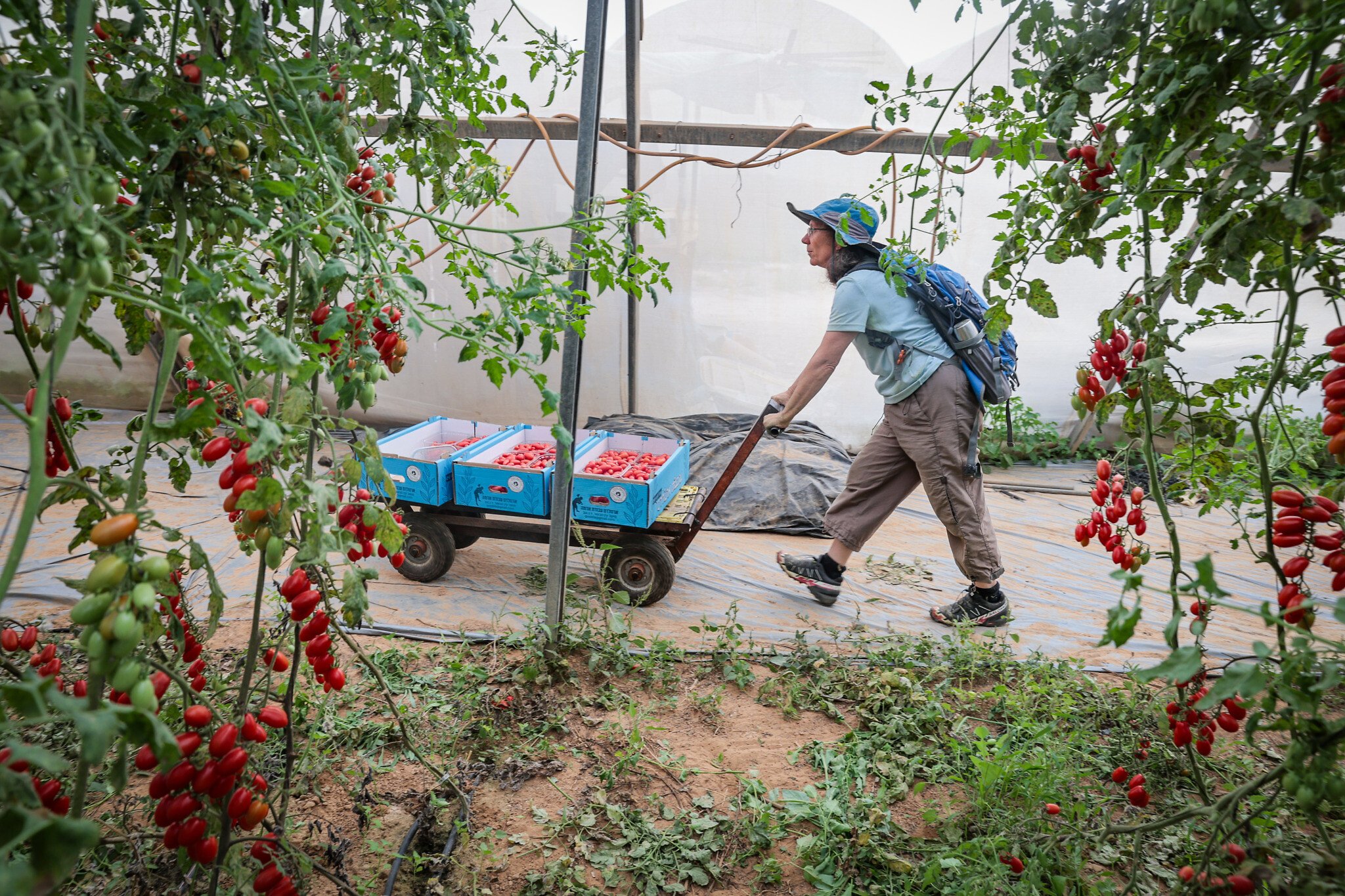
An internal probe has concluded that the military failed to defend the Gaza border community of Ein Habesor during Hamas’s October 7, 2023, invasion of southern Israel, leaving the moshav’s residents to fend off an armed onslaught largely on their own.
The Israel Defense Forces investigation, cleared for publication Friday, found that the community’s standby squad and other residents fought courageously, repelling the attackers and sparing the community from the onslaught, as the army struggled to form a clear picture of events or mount a response of its own.
In all, only two residents were injured during the attack and the moshav suffered little damage, avoiding the fate of other communities that saw dozens of residents killed, kidnapped or subjected to other atrocities by the invading terrorists.
The investigation found that roughly 16 Gazan gunmen attacked Ein Habesor, but were forced to retreat by the community’s local security team. The report commended residents for independently organizing rescue and evacuation efforts under fire.
Investigators determined that the moshav, located some 7 kilometers (4.3 miles) from the Gaza border, was not among Hamas’s planned targets and that the assailants arrived there by mistake after losing their map en route to IDF bases near Urim.
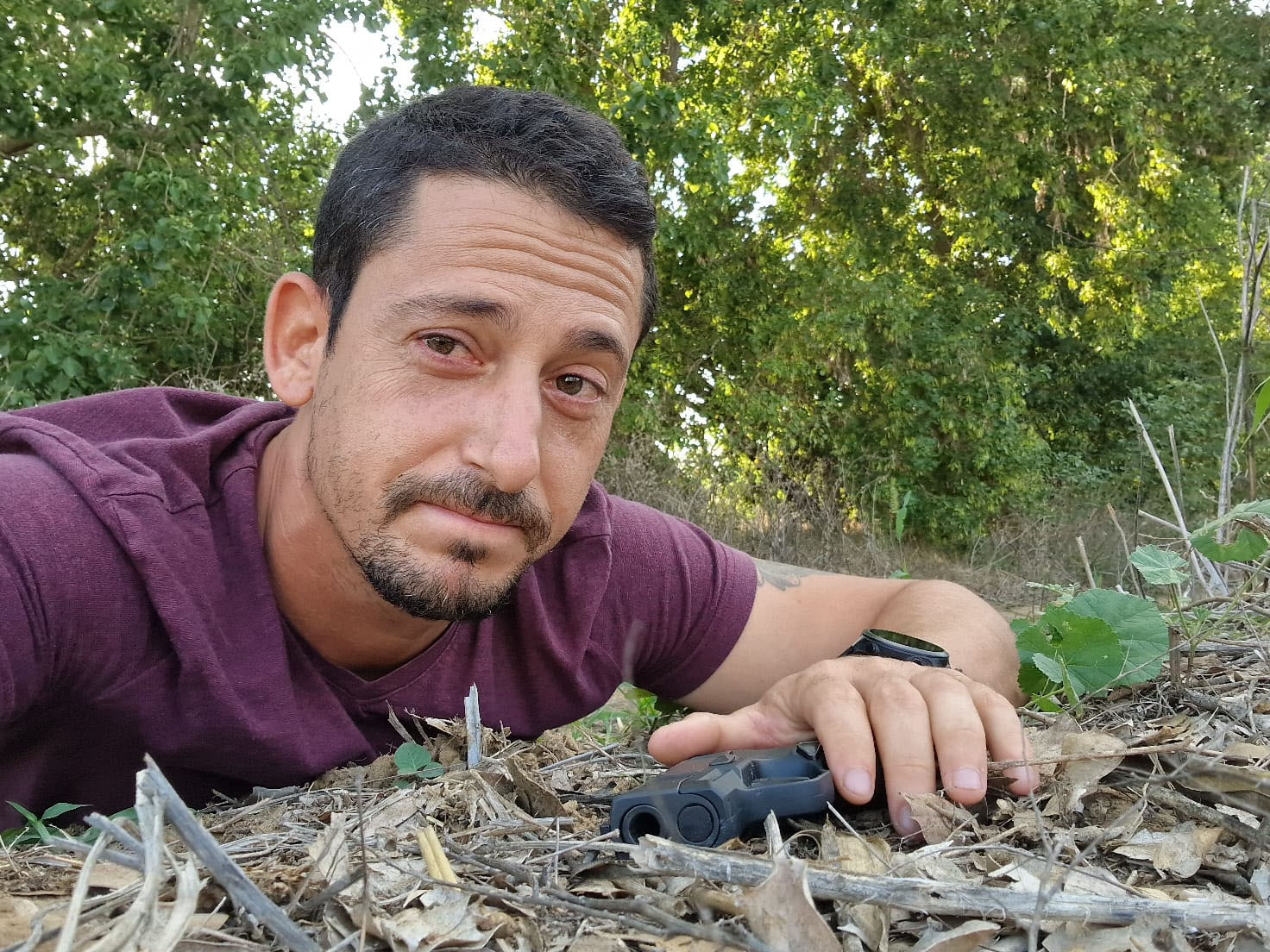
The findings are the latest in a series of detailed investigations into some 40 battles and massacres that took place during Hamas’s October 7 onslaught, when about 5,600 terrorists stormed across the border, killed some 1,200 people, and took 251 hostages into Gaza.
The inquiry into Ein Habesor, led by Col. (res.) Ziv Beit Or and approved by former Southern Command chief Maj. Gen. Yaron Finkelman, examined months of testimony, battlefield reconstructions, surveillance video, social media posts, investigative material, and a range of intelligence.
Timeline of the attack
The assault began at 6:29 a.m., when Hamas launched a massive rocket barrage across the western Negev, including toward Ein Habesor and nearby military bases and communities. Under the cover of rocket fire, terrorists crossed from Gaza by vehicle and on foot, quickly overwhelming the Golani Brigade’s 51st Battalion responsible for the area.
The simultaneous infiltration of thousands of gunmen at dozens of sites crippled the army’s command and control capabilities, delaying reinforcements to the community.
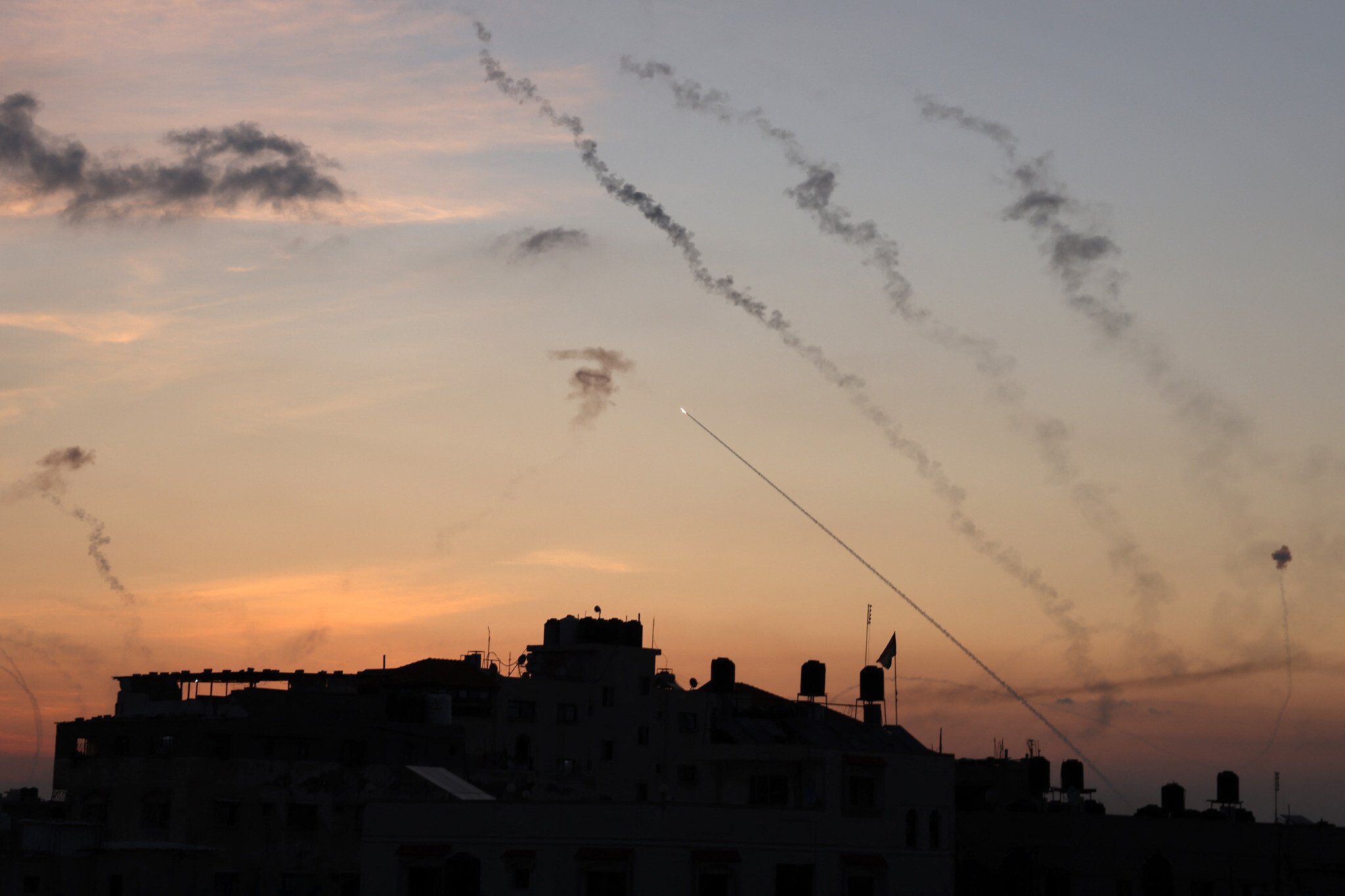
As sirens sounded to warn of the incoming rocket fire, Ein Habesor’s security coordinator began preparing the community’s defenses, mobilizing a local standby squad and volunteers who had previously formed a civilian patrol group to deal with criminal activity in the area.
He divided the moshav into defense sectors and assigned missions as initial reports began to filter in of infiltrations elsewhere.
A resident later told The Times of Israel that the community had only four rifles to defend itself with, due to recent thefts. According to the IDF probe, the community lacked a central armory.
Around 7:50 a.m., a pickup truck carrying most of the 16 attackers and a motorcycle with two riders reached a nearby gas station adjacent to the neighboring community of Magen. The terrorists looted supplies and cash before continuing south on Route 232, bringing them to the western edge of Ein Habesor.
After initially veering onto a dirt road west of the moshav, the pickup quickly returned to the main road, stopping at an intersection that marked the western entrance to Ein Habesor, a rural community of some 1,300 people.
Seconds later, at 7:54 a.m., the terrorists opened fire. Four members of the standby squad, positioned at the community’s main gate, exchanged fire with the attackers. Minutes into the firefight, one member of the security squad was hit and quickly evacuated.
Simultaneously, another group of terrorists tried to breach a fence in the moshav’s northwest corner. A member of the security team fired at the terrorists, hitting at least one of them, before being wounded himself.
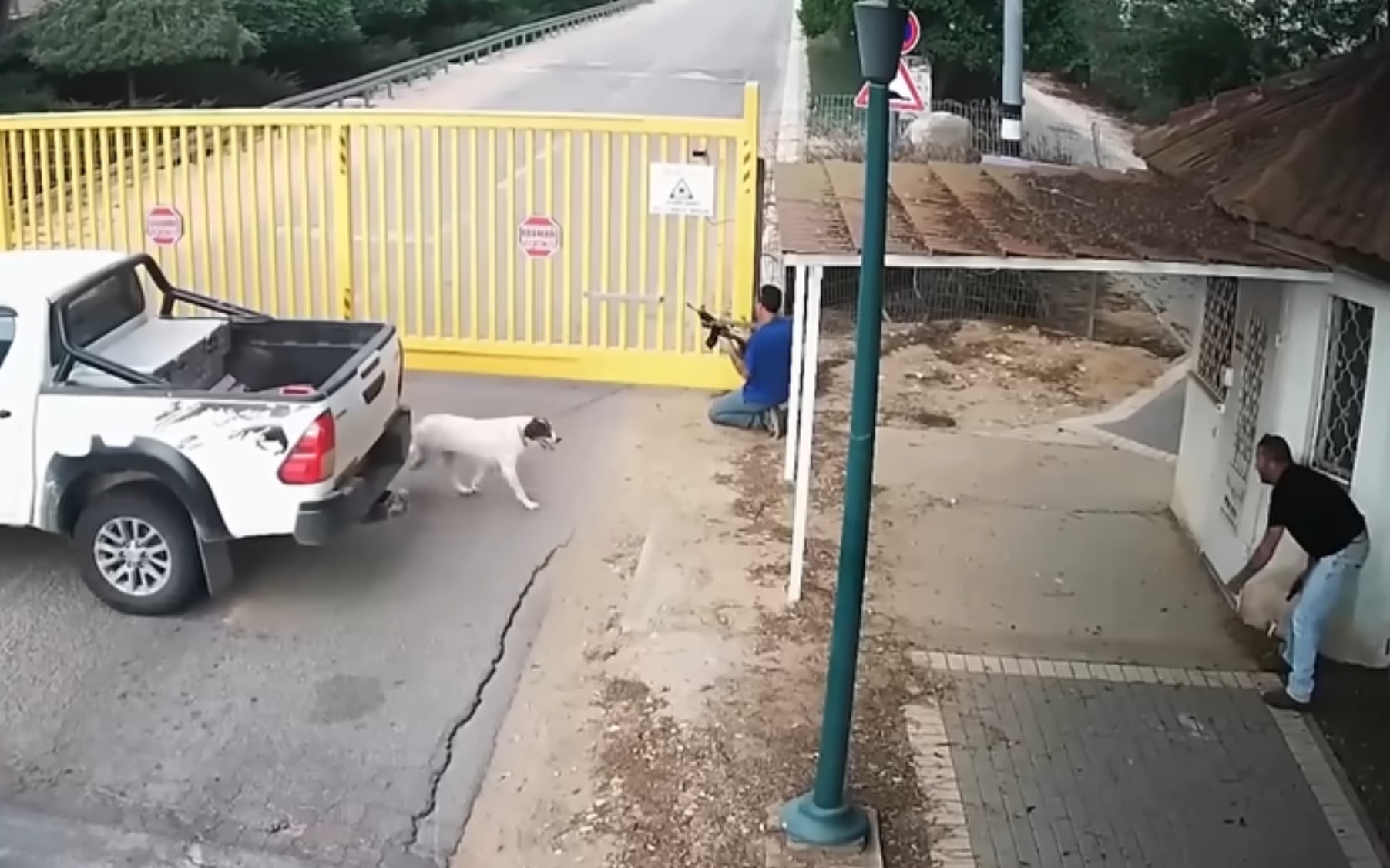
The fight for the community continued until 8:08 a.m. Terrorists fired an RPG into the community, hitting a tree, and then began to retreat from the junction, heading back north.
At 8:26 a.m., the retreating terrorists ran into a Golani Brigades unit trying to reach the moshav, which killed several of the attackers, and sent others fleeing to the south and west.
Along with the Golani unit were the Border Police’s Eshkol regional commander and a community officer, who had linked up with the soldiers after encountering some of the terrorists at the Magen gas station.
The terrorists who managed to get away later joined the assault on nearby Nir Oz before retreating to Gaza.
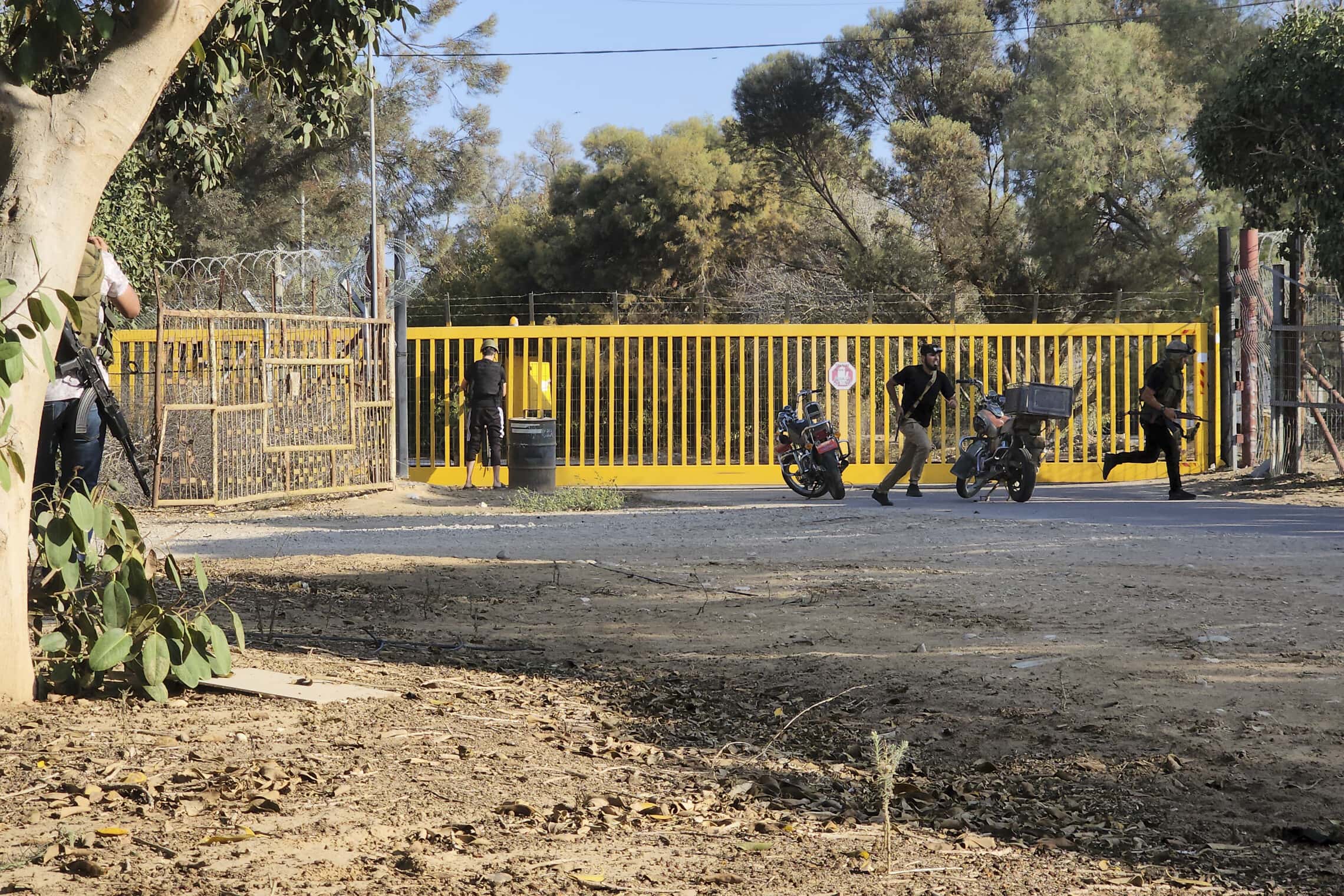
Following the firefight, the troops and Border Police officers entered the moshav through the main gate, and by around 8:30 a.m., residents began independently evacuating the wounded.
The first casualty, identified in reports at the time as Eldad Gepner, 48, was driven by his brother Yftach Gepner toward Route 241 through the moshav’s eastern gate, but their vehicle came under fire near Ma’on Junction, and the wounded man was hit again, this time more seriously.
“I saw two pickup trucks with about 10 terrorists in each one and about five motorbikes each with two men,” Yftach Gepner told The Times of Israel days after the attack. “I didn’t understand what I was seeing. They started shooting at us. I had no weapon. I was dressed in shorts.”
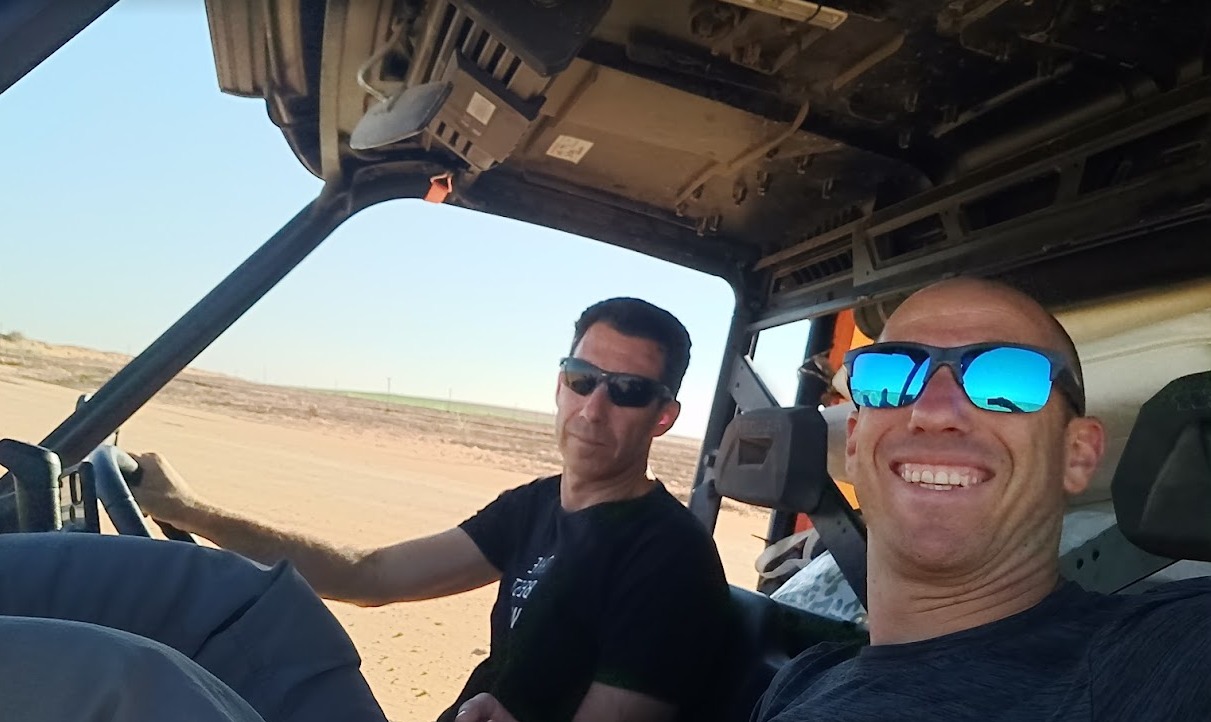
Gepner recalled reversing down a dirt path as gunmen on motorcycles chased them, hitting his brother in the back and buttocks.
“He was in enormous pain,” he said. “I did a crazy turn and drove at 150 kilometers an hour back toward the moshav’s back gate.”
Advised not to attempt another run to the hospital, Gepner was eventually evacuated in a privately operated ambulance driven by a resident and escorted by another vehicle, which traveled along the Nahal HaBesor stream.
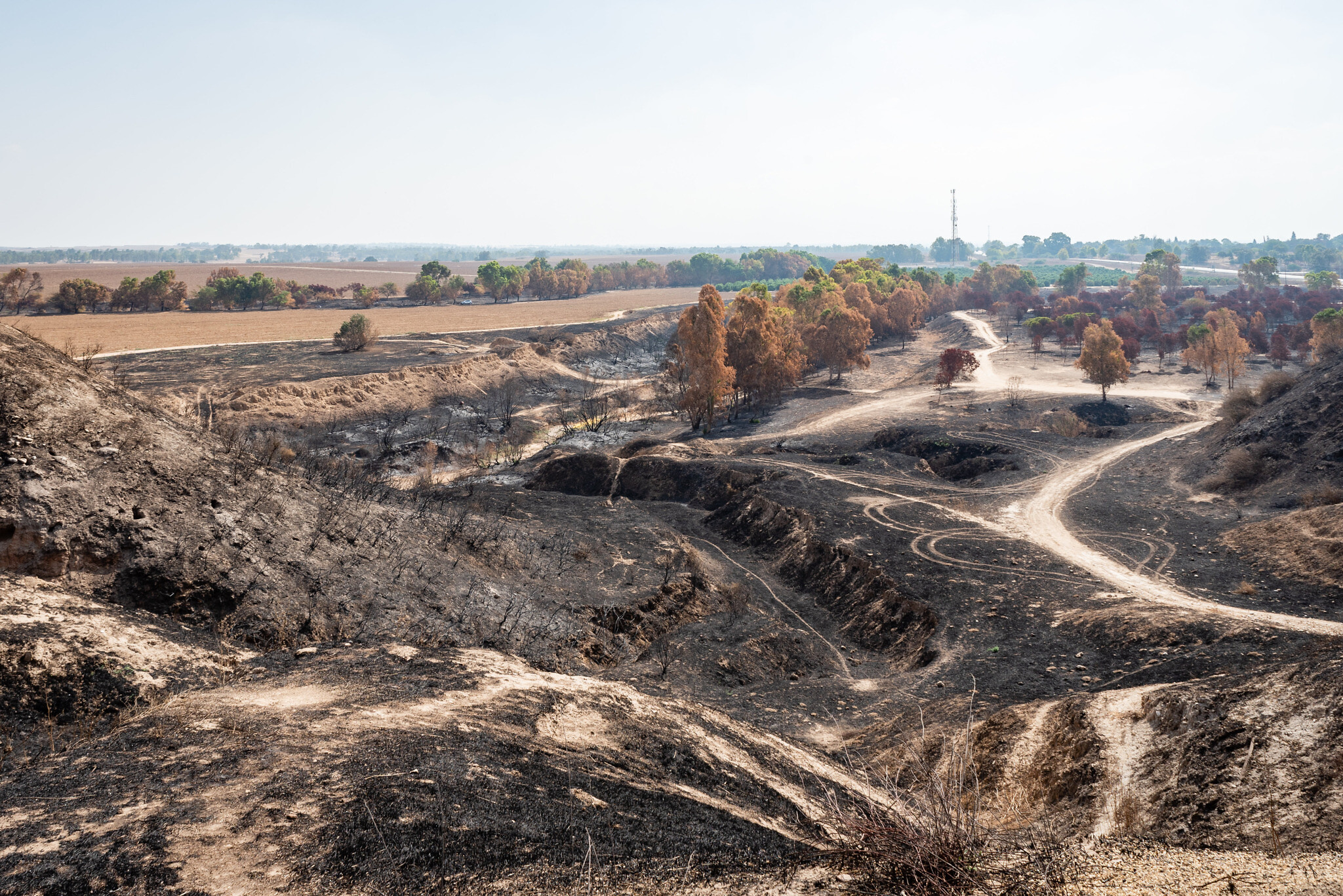
The private ambulance eventually hooked up with a mobile intensive care transport that transferred the wounded man to Soroka Hospital, according to the probe.
The second wounded resident was treated locally and also evacuated to Soroka later that day.
The investigation concluded that the IDF failed in its mission to protect Ein Habesor and that the community’s defense relied almost entirely on its residents, dovetailing with findings reached in several other communities.
Despite their lack of military backup, the local standby squad — under the leadership of the security coordinator and his deputies — fought with bravery and efficiency, repelling the attackers and preventing mass casualties, the report stated.
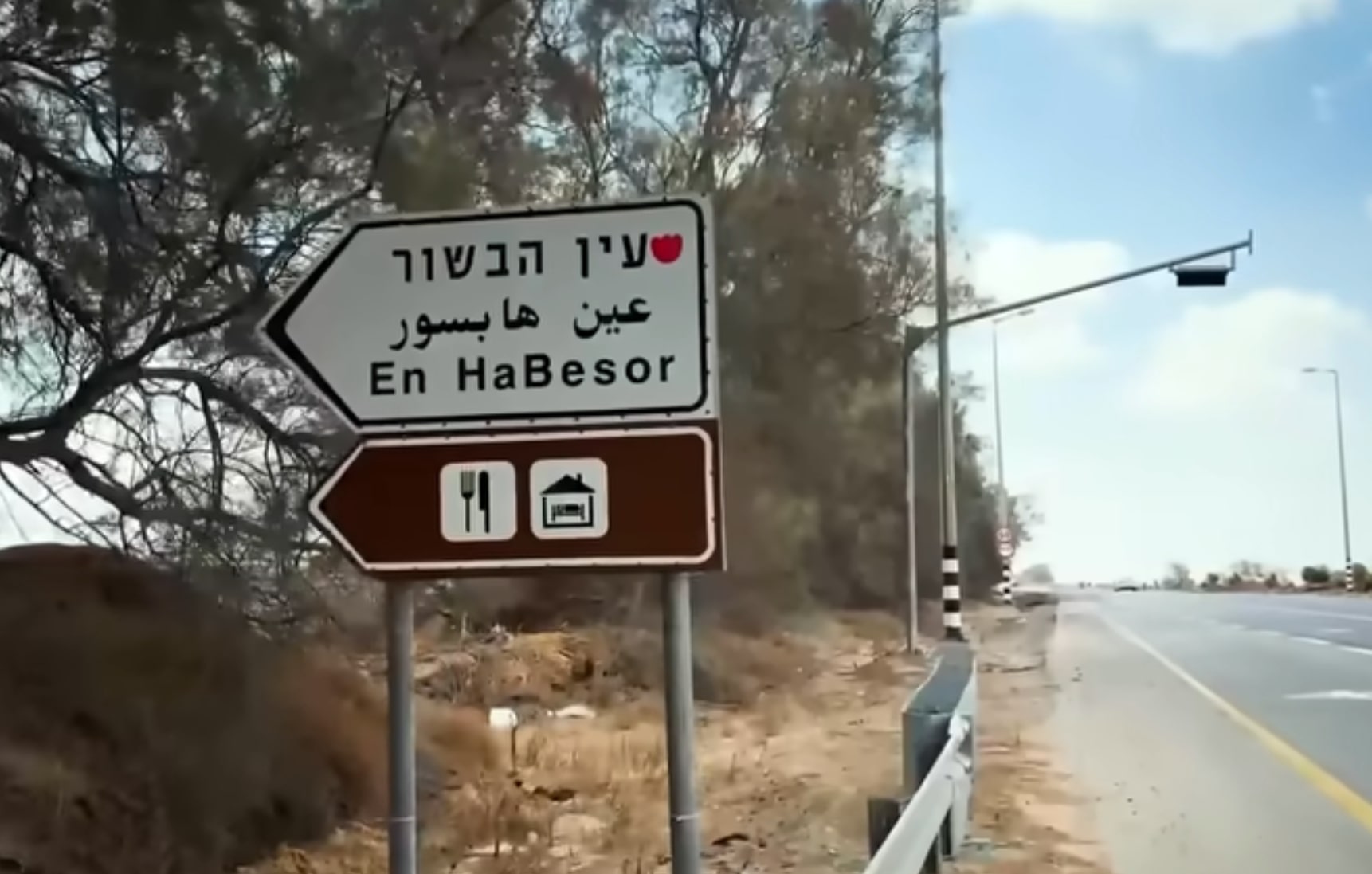
The probe also found that the IDF struggled to form a clear operational picture in the area due to widespread communication breakdowns and multiple simultaneous battles. Only in the afternoon of October 7 did commanders gain a full understanding of events in Ein Habesor and elsewhere.
In the days following the battle, residents continued to secure the moshav themselves, lacking backup from official security forces. They also established a local command center that coordinated emergency responses, kept residents informed and managed the evacuation of civilians to safer areas.
The IDF commended the residents of Ein Habesor for their heroism under fire, noting that their actions — both in combat and in rescuing the wounded — were instrumental in preventing a massacre similar to those that occurred in other communities along the Gaza border.







The Times of Israel Community.