

IDF pushes deeper into south Lebanon amid incessant Hezbollah rocket fire on Israeli towns
No reports of Israeli injuries; after issuing warning, IDF strikes US-sanctioned financial firm linked to terror group; Lebanon PM: Israel won’t achieve its goals through strikes
 Add ToI as a Preferred Source on Google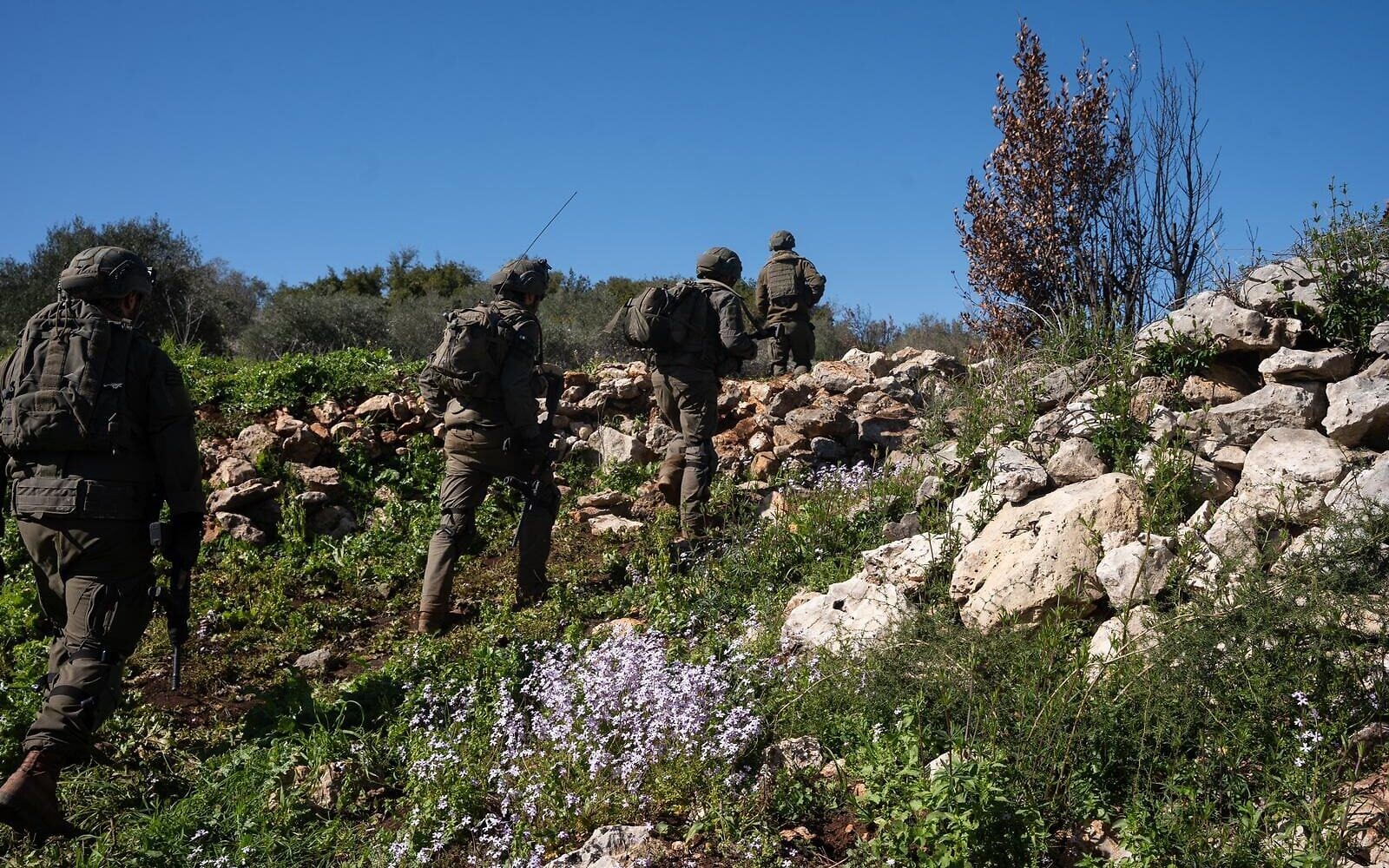
The Israel Defense Forces said Monday that it had pushed deeper into southern Lebanon overnight as part of a bid to create a buffer zone to protect northern communities after Hezbollah began attacking Israel a week ago, as the terror group fired multiple rocket barrages at civilian areas.
Troops raided the Rab al-Thalathine area, west of the Israeli border community of Misgav Am, with the aim of locating and clearing the Lebanese village of Hezbollah infrastructure and operatives, the army said.
The IDF said it carried out numerous air and artillery strikes before the troops moved into the area, saying it was part of its “enhanced forward defense posture.”
“This operation is part of the effort to establish a forward defense that will create an additional security layer for the residents of the north,” the military said in a statement. The IDF has said that Hezbollah is launching most of its attacks from deeper within southern Lebanon, and not from close to the border.
The IDF said Monday that some 300 members of Hezbollah and other terror groups have been killed since hostilities intensified last week. On Sunday, two Israel Defense Forces soldiers were killed in a Hezbollah attack in southern Lebanon.
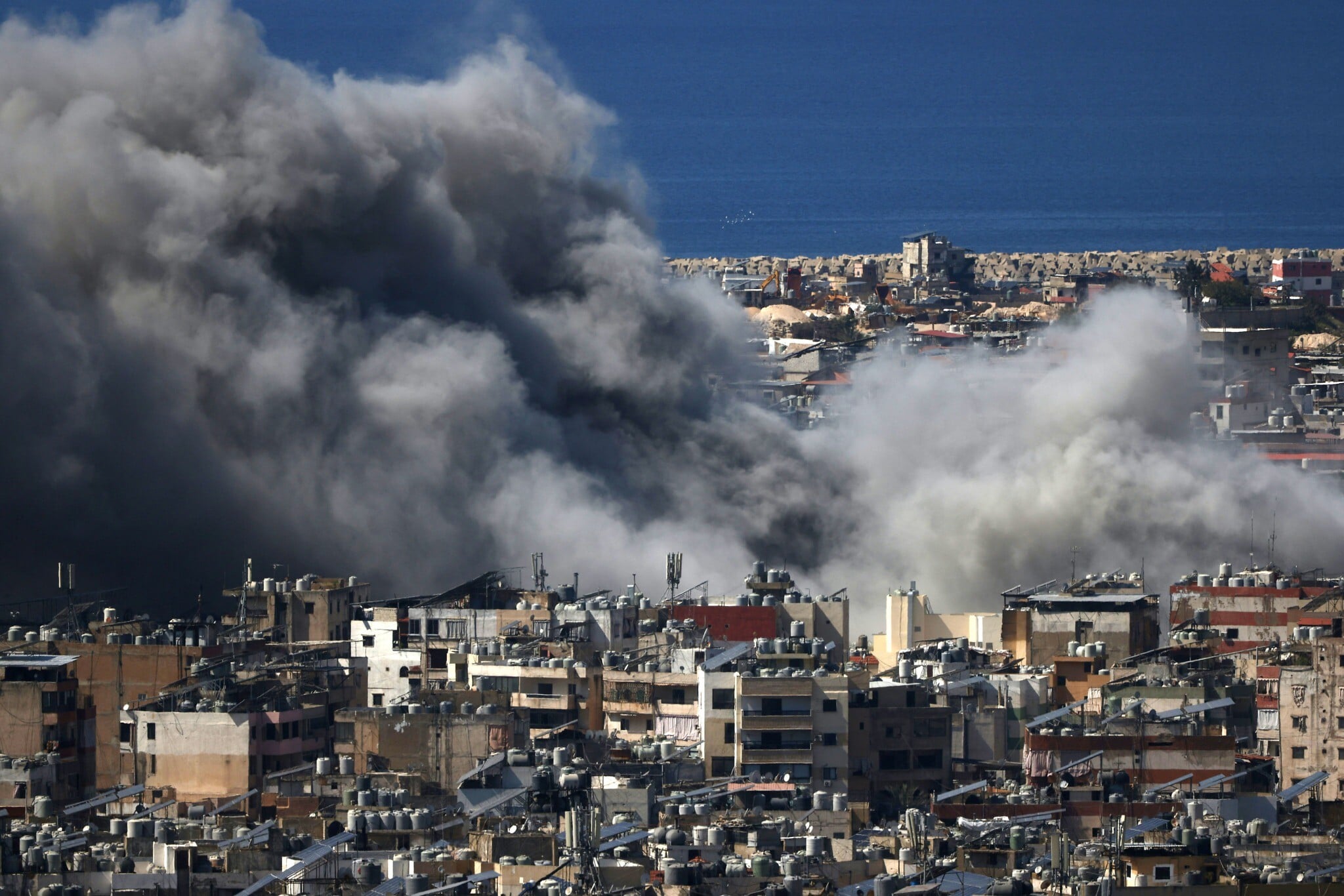
Lebanon’s health ministry said that at least 394 people have been killed in Israeli strikes, including 83 children. The toll did not differentiate between terror operatives and civilians.
Separately, Defense Minister Israel Katz said on Monday that the IDF had killed a Hezbollah regional division commander in an airstrike overnight.
According to the defense minister’s office, during an assessment at the IDF Northern Command, Katz was “updated on the elimination of the commander of Hezbollah’s Nasr Unit, Abu Hussein Ra’ab, during an IDF strike earlier tonight.”
The Nasr unit is one of three Hezbollah regional divisions in southern Lebanon. It is responsible for the area between Mount Dov and the Bint Jbeil area.
“Not only will we not withdraw in the face of Hezbollah, but we will take advantage of the opportunity to strike it and exact a price from it. We have an opportunity to bring very, very great security,” Katz said, according to remarks provided by his office.
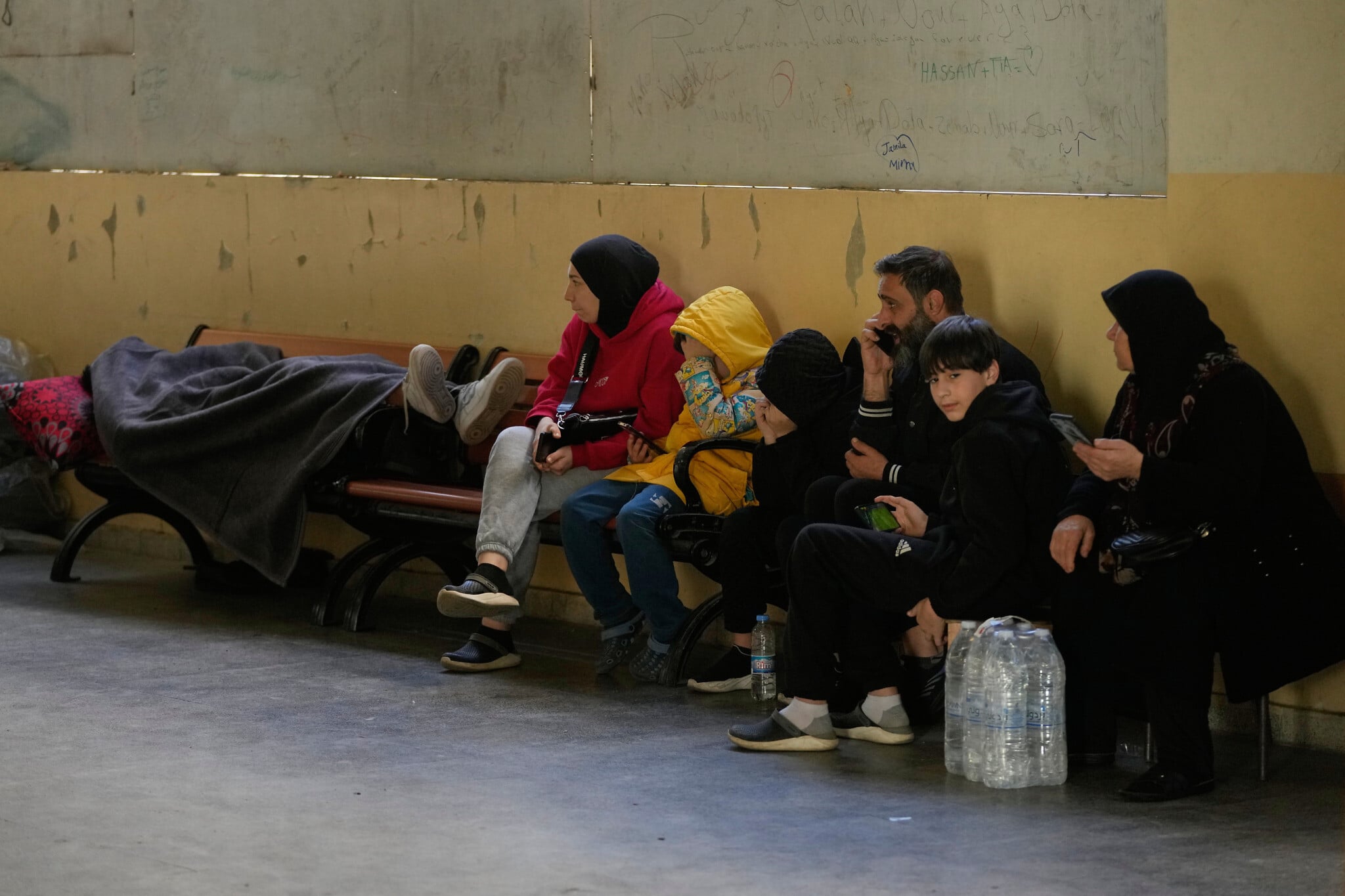
The defense minister also announced that over a million Lebanese civilians have adhered to Israeli evacuation warnings over the past week.
According to Katz’s office, he was informed during the assessment at the IDF Northern Command that 650,000 Lebanese have evacuated Beirut’s southern suburbs, a known Hezbollah stronghold, and another 500,000 have left southern Lebanon.
The IDF ordered evacuation warnings for the entire south of Lebanon and four major neighborhoods in Beirut’s south in recent days, ahead of strikes on Hezbollah.
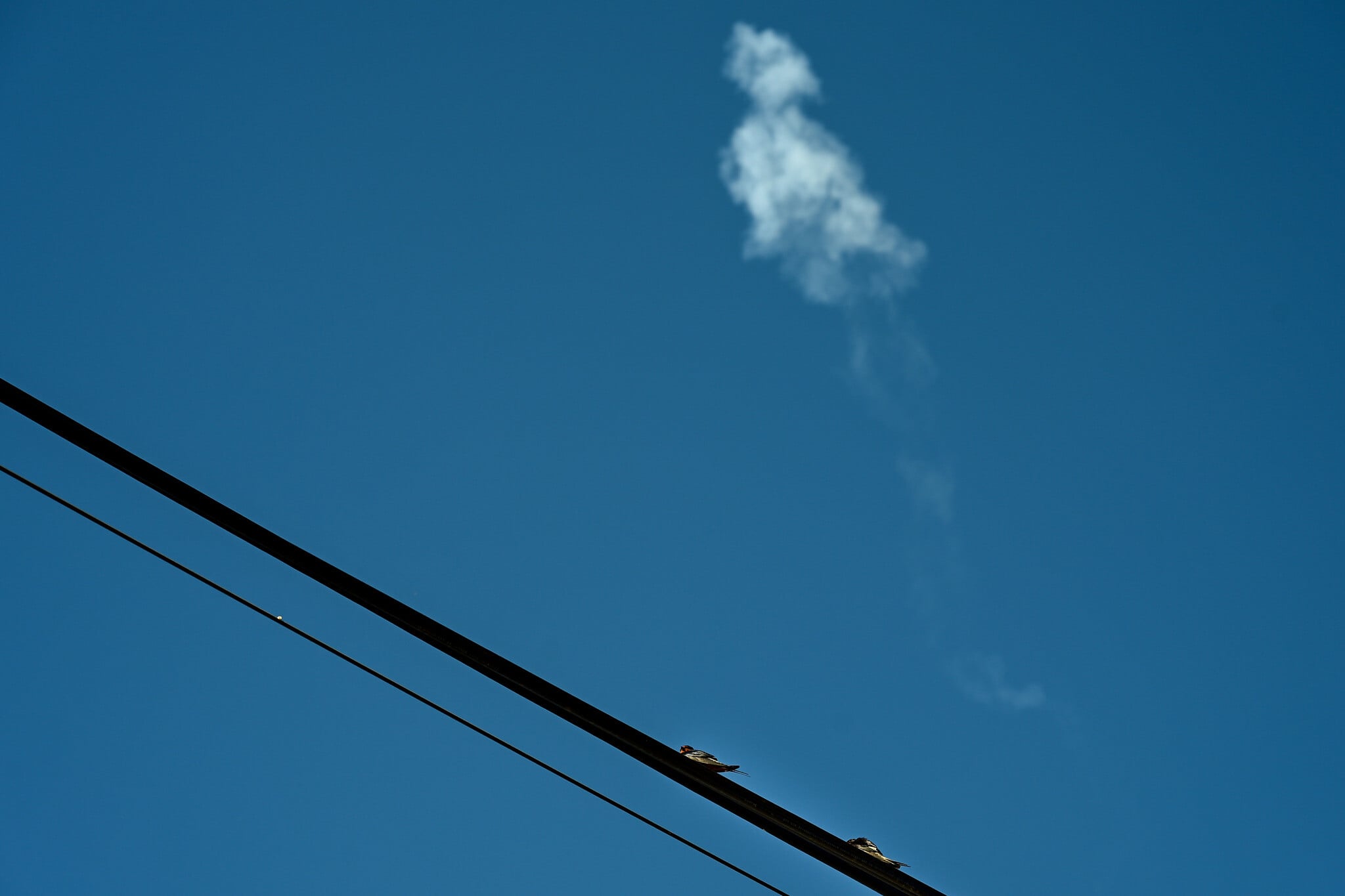
Meanwhile, the incessant Hezbollah rocket and drone fire at northern Israel continued, sending millions running for shelter, including in the city of Haifa.
There were no reports of injuries.
One Hezbollah barrage targeted the north at the same time as a missile salvo from Iran. The IDF has said it has no intelligence indicating that concurrent fire from Iran and by Hezbollah in Lebanon is a “coordinated” effort.
Ongoing strikes
Israel carried on with heavy strikes in Lebanon on Monday as the military said that in the past week it has hit more than 700 targets, including 120 in the past day. More than 30 multi-story buildings in Beirut, used by Hezbollah, have been destroyed in the strikes, the army said.
The military additionally published a drone video apparently showing the identification of armed Hezbollah gunmen operating in a “Christian village” in southern Lebanon.
According to the IDF, after the operatives were identified by troops entering a building, an Israeli Air Force fighter jet struck the site and killed them.
The military did not name the village, and said Hezbollah’s activity in the area “constitutes another example of the cynical exploitation of civilian infrastructure for terrorist purposes” by the terror group.
#عاجل وخطير ???? تصفية خلية إرهابية من حزب الله في قرية مسيحية بجنوب لبنان
????تعمل قوات اللواء 300 بقيادة الفرقة 146 في منطقة جنوب لبنان في إطار عملية الدفاع الأمامي.
????وخلال النشاط رصدت القوات خلية تابعة لحزب الله الإرهابي تدخل إلى موقع داخل قرية مسيحية تقع في جنوب لبنان حيث قامت… pic.twitter.com/hlmnqeojqy
— افيخاي ادرعي (@AvichayAdraee) March 9, 2026
On Monday, further targets were hit in Beirut’s southern suburbs and Sidon after Israel warned it would target branches of a US-sanctioned financial firm linked to Hezbollah.
The IDF said it would strike branches of Al-Qard al-Hassan, a financial firm mainly operating in Hezbollah strongholds across Lebanon’s south and east and Beirut’s southern suburbs. Israel also bombed the firm’s branches in 2024.
Founded in 1983, Al-Qard Al-Hassan describes itself as a charitable organization that provides loans to people according to Islamic principles that forbid interest.
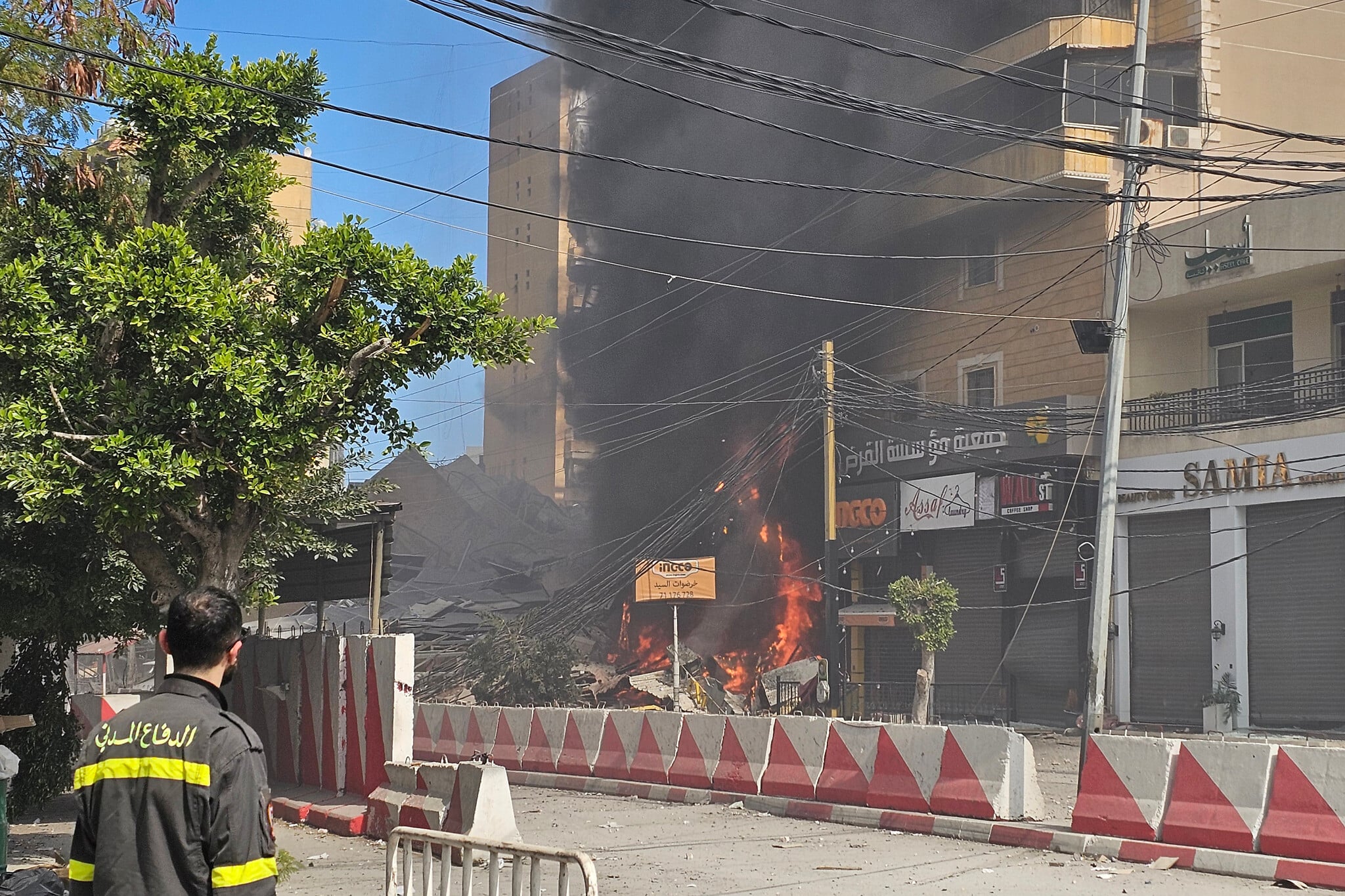
However, the US Treasury Department, which sanctioned AQAH in 2007, has said that Hezbollah uses Al-Qard Al-Hassan as a cover to manage “financial activities and gain access to the international financial system.”
“While AQAH purports to serve the Lebanese people, in practice it illicitly moves funds through shell accounts and facilitators, exposing Lebanese financial institutions to possible sanctions,” it said in a statement sanctioning individuals linked to the organization in 2021. Hezbollah’s former terror chief Hassan Nasrallah, who was killed in an Israeli airstrike on September 27, spoke about AQAH many times.
‘Won’t achieve goals through strikes’
Amid the fighting, Lebanese President Joseph Aoun said Monday that Israel will not achieve its goals through military strikes and stressed Beirut’s “full readiness” to resume negotiations with Israel to discuss “the essential security points necessary to halt the dangerous Israeli escalation.”
There was no mention of the fact that Hezbollah began firing rockets and drones at Israel last week in what it said was retaliation for the killing of Iran’s supreme leader Ali Khamenei.
Aoun made the comments to three Scandinavian ambassadors, according to the Lebanese readout, as he also issued a thinly-veiled warning to Hezbollah and its allies, saying the army would continue confiscating arms when conditions permit.
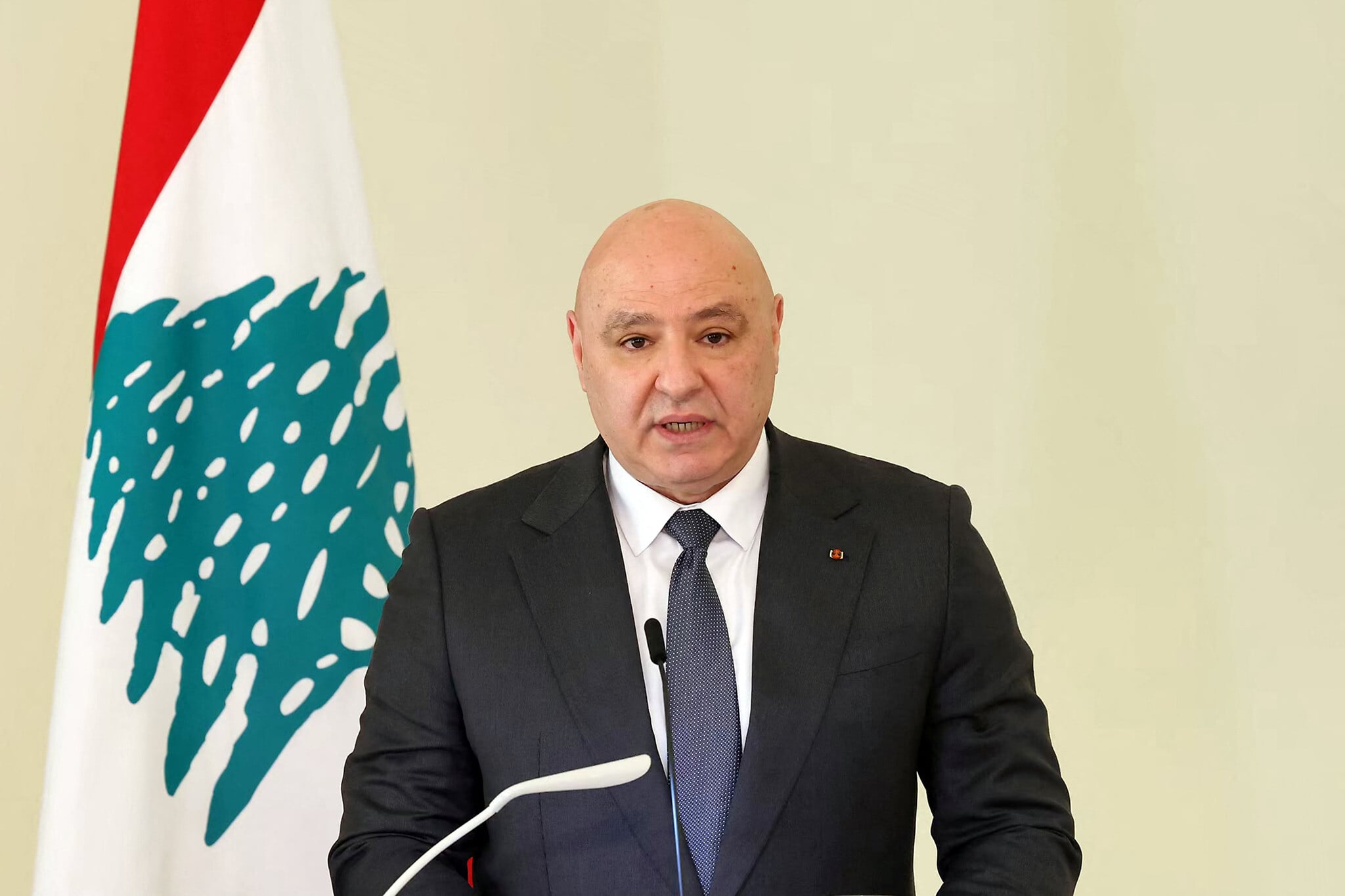
Any attempts to target the Lebanese Army “aligns, directly or indirectly, with the goals of those working to drag Lebanon into the ongoing regional war,” said Aoun, “bypassing the will of the majority of Lebanese who are weary of wars and their repercussions and insist on the state’s exclusive right to decide on war and peace.”
Prior to Hezbollah restarting rocket and missile fire on Israel last week, Lebanon had urged the terror group not to drag the country into a new conflict.
In a further blow to Lebanon’s stability, the parliament on Monday postponed legislative elections, initially due to be held in May, by two years, according to a statement from the parliament speaker, because of the renewed conflict between Israel and the Iran-backed terror group.
MPs convened, including Mohammed Raad, head of Hezbollah’s parliamentary bloc, as Israeli warplanes flew above the nearby southern suburbs of Beirut.
Israel regularly struck Hezbollah targets in Lebanon following a 2024 agreement, accusing the terror group of ceasefire violations, and continued to hold on to five border posts inside Lebanon, citing security needs. It has now expanded beyond those points, citing defensive needs.
The November 2024 ceasefire ended a year of hostilities between Hezbollah and Israel, which started when the terror group began firing missiles and drones into northern Israel one day after its ally Hamas launched a devastating attack on southern Israel that set off the war in Gaza.
Lazar Berman contributed to this report.


The Times of Israel Community.