

In first, Israel Museum initiates separate visiting hours for men and women
Move comes in response to strong ultra-Orthodox interest in a new exhibit on Hasidic Jewry; segregated tours will likely not be held during regular opening hours
 Add ToI as a Preferred Source on Google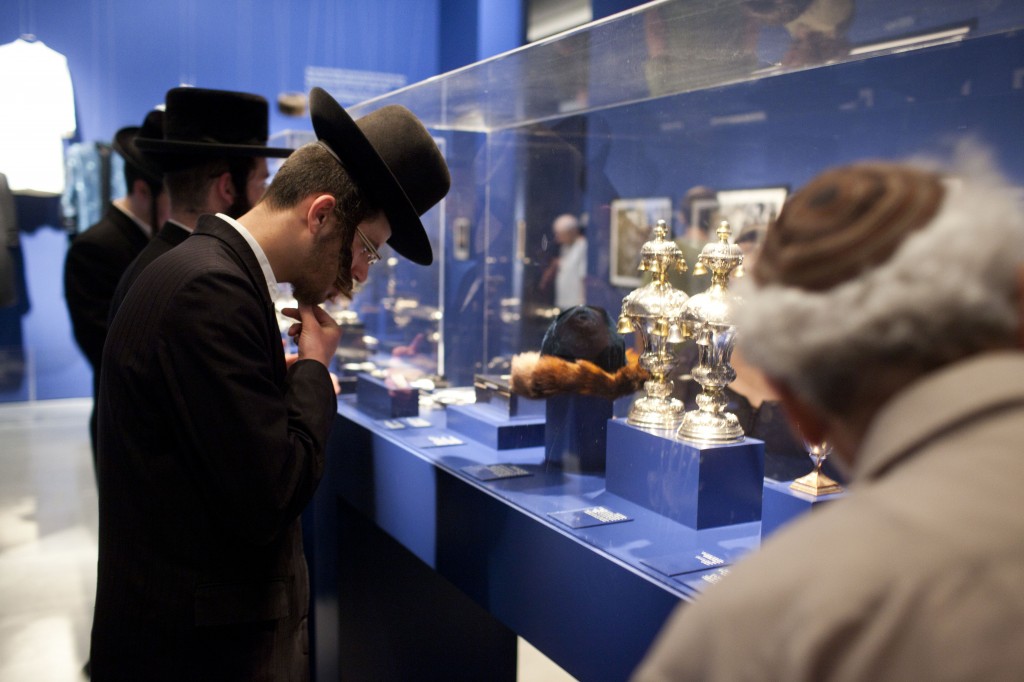
For the first time, the Israel Museum in Jerusalem has initiated separate visiting hours for men and women to accommodate the ultra-Orthodox public, Haaretz reported on Monday.
The move comes in response to wide ultra-Orthodox interest in a new exhibit on Hasidic Jewry, and museum officials stressed that the gender-segregated visiting times will be scheduled according to demand and probably during certain morning or evening hours when the museum is normally closed.
The exhibit, “A World Apart Next Door: Glimpses into the life of Hasidic Jews,” runs from July 21 to November 30 and features rare texts, artifacts, clothing, photographs and videos. Since its opening it has attracted favorable reports in the ultra-Orthodox press and visits from Hasidic notables, including the leader of the Karlin Hassidic sect, who made the first ever official visit to the museum by a Hassidic leader in order to view the exhibit.
The Israel Museum is the country’s national museum and contains an important collection of modern art and antiquities, including the permanent display of the Dead Sea Scrolls. It is not heavily frequented by the ultra-Orthodox, and is open on Shabbat. The museum retained a religious publicity firm to promote the exhibit to the ultra-Orthodox public.
“We hope the exhibit on Hasidim will be the beginning of Haredim getting to know the museum as well, and perhaps they will come to the section on Jewish art and see the old synagogues, or archaeological displays or the Aleppo Codex,” said Shai Yamin, director of marketing, to Haaretz. “This is an opportunity to draw in groups that would not otherwise visit; another opportunity to extend a hand and say ‘please come.'”









The Times of Israel Community.