

In rare message, IDF wishes Lebanon a happy Independence Day ‘free of Hezbollah’
Tweeted greeting, urging end to ‘Iranian imperialism,’ comes hours after Israel admits for first time that it mistakenly torpedoed Lebanese boat in 1982, killing 25
 Add ToI as a Preferred Source on Google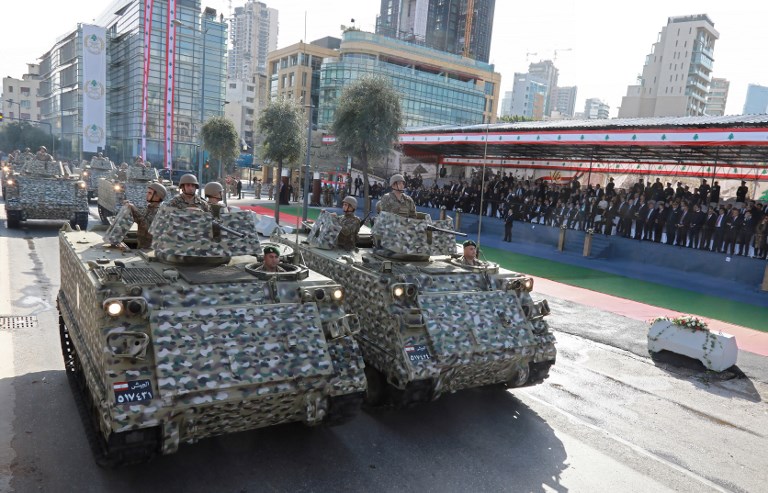
Israel’s military wished Lebanon a happy Independence Day Thursday, using the rare message to urge an end to Iranian influence over the country.
In a tweeted message, accompanied by a picture of the Lebanese flag and a hand making a peace sign, the IDF’s Spokesperson’s Unit wished Lebanon freedom from “Iranian imperialism and #Hezbollah’s terrorism in your country.”
“Happy Independence Day to the people of #Lebanon, our neighbors to the north,” read the message.
The message was posted to the IDF’s English, French and Spanish Twitter pages, but not in Hebrew.
Happy Independence Day to the people of #Lebanon, our neighbors to the north! We hope you will soon be free of Iranian imperialism and #Hezbollah’s terrorism in your country. pic.twitter.com/VDpvUYbRdG
— Israel Defense Forces (@IDF) November 22, 2018
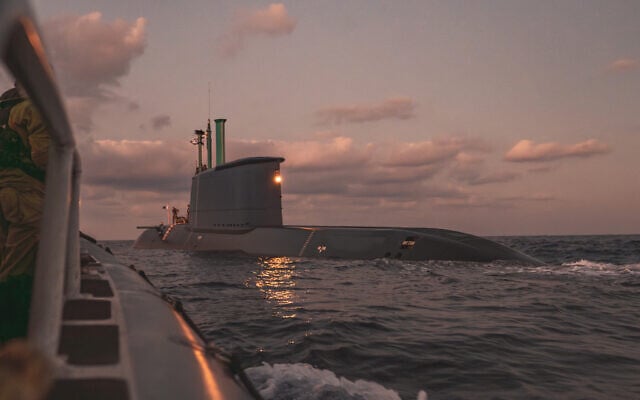
The message came hours after Israel’s military censor lifted a gag order against publicizing a 1982 incident in which an Israeli submarine mistakenly torpedoed a boat carrying refugees and foreign workers off the Lebanese coast, killing 25 people.
The incident was first reported by Channel 10 news Thursday evening, after it petitioned the High Court against the censorship.
According to Channel 10, the incident occurred off the coast of the northern Lebanese city of Tripoli in June 1982 as Israel was enforcing a naval blockade of Lebanon.
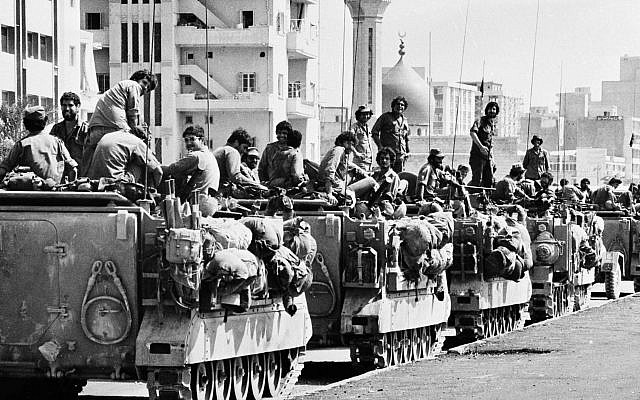
While Israel and Lebanon are technically enemies, Israel in the past made clear it distinguished between Beirut and the Hezbollah terror group, a powerful Iranian proxy.
Israel has fought two wars against Hezbollah, the last in 2006. The Lebanese Army did not take part in the fighting.
But in recent years, with Hezbollah becoming a political force in Lebanon and entering the Lebanese government, Israel has increasingly indicated that it may conflate Hezbollah and Lebanon in a future war, leading to fears of a wider conflagration.
“The results of the Lebanese elections strengthen what has been our approach for a while: Hezbollah=Lebanon,” Education Minister Naftali Bennett, who has eyed the Defense Ministry, said in May.
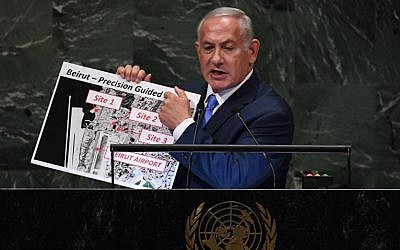
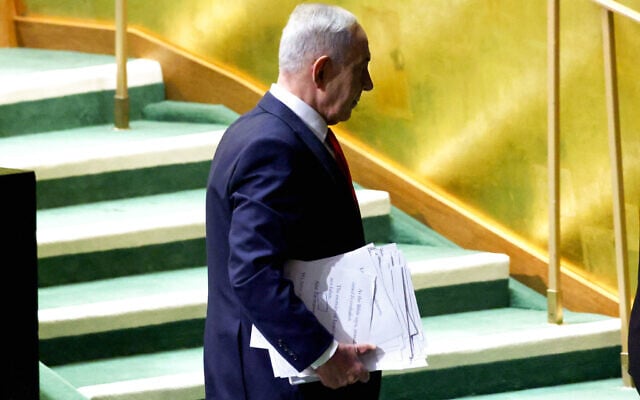
In September, Prime Minister Benjamin Netanyahu accused Hezbollah of hiding facilities in the heart of Beirut to outfit rockets with precision technology provided by Iran.
Days later, Lebanese government representatives arranged a tour of some of the sites to dismiss Netanyahu’s claims.
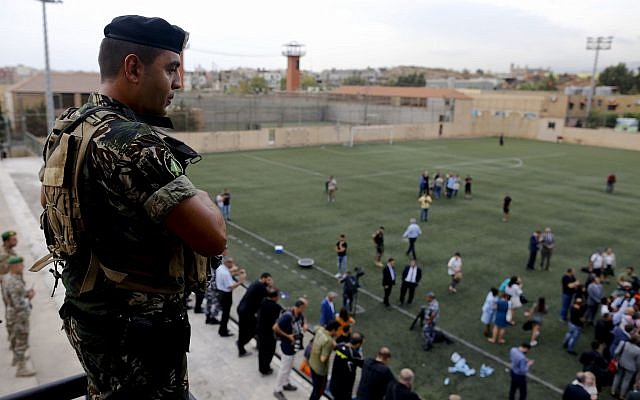
Israel has carried out hundreds of raids in Syria to keep advanced weapons from being transferred to Hezbollah. The Air Force has largely abstained from conducting raids inside Lebanon itself, though it has indicated that it is prepared to do so.
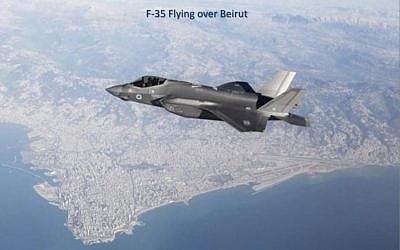
Earlier this year, IAF chief Amiram Norkin showed visiting generals a picture of an Israeli F-35 stealth fighter flying next to Beirut’s airport, in what was seen as a direct message to Hezbollah.
Tensions between Israel and Lebanon have also ratcheted up recently because of a dispute over natural gas deposits in the Mediterranean.
In March, Lebanese Prime Minister Saad Hariri said he was bolstering troop presence along the border with Israel. The Lebanese Army has received over a billion dollars of US aid money in the last decade.





The Times of Israel Community.