

Iran summons EU ambassadors after bloc listed IRGC as terrorist group
Iranian foreign ministry says reciprocal actions being considered; Parliamentary speaker says all EU militaries considered terrorist organizations under Iranian law
 Add ToI as a Preferred Source on Google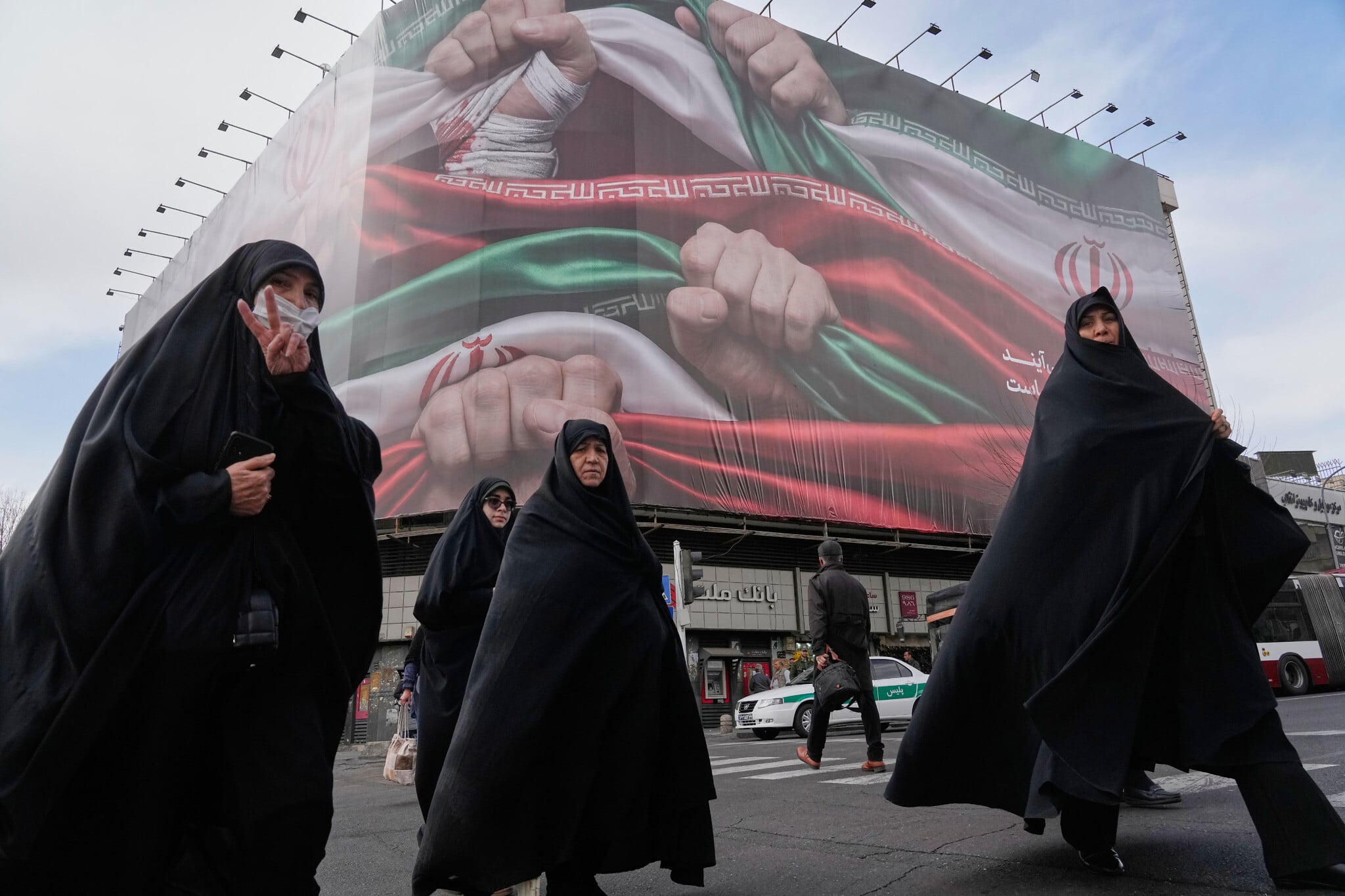
DUBAI, United Arab Emirates (AP) — Iran said Monday it had summoned all of the European Union ambassadors in the Islamic Republic to protest the bloc’s listing of the paramilitary Revolutionary Guard as a terror group.
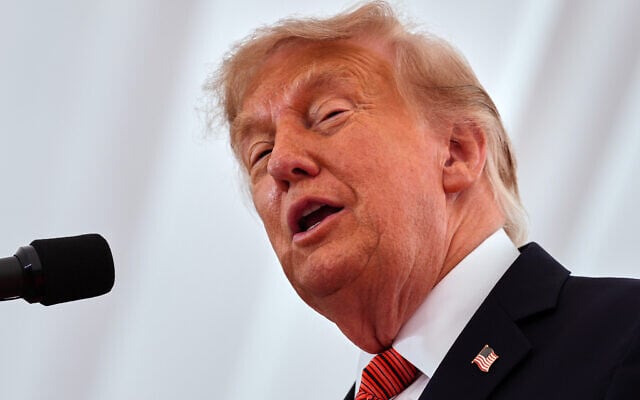
The move comes as Iran faces the threat of US military action in response to the killing of peaceful demonstrators and over possible mass executions. The American military has moved the USS Abraham Lincoln and several guided-missile destroyers into the Mideast. It remains unclear whether US President Donald Trump will decide to use force, though regional countries have engaged in diplomacy in an effort to halt a new Mideast war from breaking out.
The EU listed the Guard as a terror group last week over its part in the bloody crackdown on nationwide protests in January that killed thousands and saw tens of thousands detained.
Other countries, including the US and Canada, have previously designated the Guard as a terrorist organization. While the move is largely symbolic, it does add to the economic pressure squeezing Iran, particularly since the Guard has a major influence on the country’s economy.
Iranian Foreign Ministry spokesman Esmail Baghaei told journalists that the ambassadors had begun being summoned on Sunday and that the process went into Monday as well.
“A series of actions were reviewed, various options are being prepared and were sent to the related decision-making bodies,” Baghaei said. “We think that in coming days, a decision will be made about a reciprocal action by the Islamic Republic of Iran toward the illegal, unreasonable and very wrong move by the EU.”
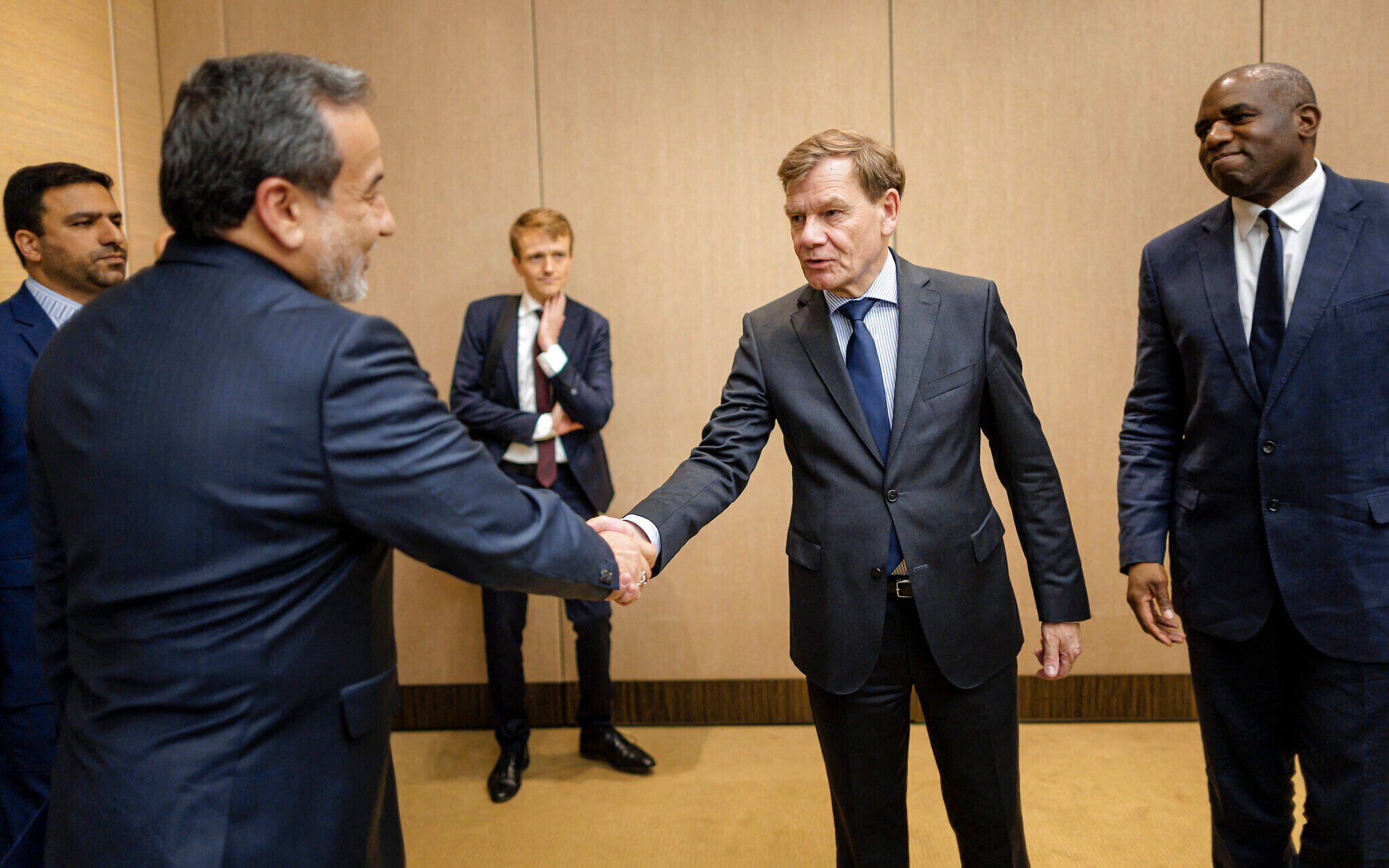
Also Sunday, Iran’s parliament speaker said that the Islamic Republic now considers all European Union militaries to be terrorist groups, citing a 2019 law.
The Guard emerged from Iran’s 1979 Islamic Revolution as a force meant to protect the Shiite cleric-overseen government and was later enshrined in its constitution. Operating in parallel with the country’s regular armed forces, it grew in prominence and power during a long and ruinous war with Iraq in the 1980s. Though it faced possible disbandment after the war, Supreme Leader Ayatollah Ali Khamenei granted it powers to expand into private enterprise, allowing it to thrive.
The Guard’s Basij force was likely key in putting down the demonstrations, which started in earnest on January 8, when authorities cut off the internet and international telephone calls for the nation of 85 million people. Videos that have come out of Iran via Starlink satellite dishes and other means show men likely belonging to its forces shooting and beating protesters.
Thousands are believed to have been killed during the protests, though official figures cannot be confirmed.
Meanwhile, Baghaei also said a drill by the Guard in the Strait of Hormuz, the narrow mouth of the Persian Gulf through which a fifth of all oil traded passes, was “ongoing based on its timetable.” Iran had warned ships last week that a drill would be carried out on Sunday and Monday, but has not acknowledged that it was taking place. The US military’s Central Command issued a strong warning to Iran not to harass its warships and aircraft or impede commercial vessels moving through the strait.
The Times of Israel Staff contributed to this report.








The Times of Israel Community.