

Iraq says it will start legal proceedings against ISIS detainees moved from Syria
Thousands of detainees from jihadist group are being transferred in US operation, in wake of fighting in Syria between government forces and Kurds
 Add ToI as a Preferred Source on Google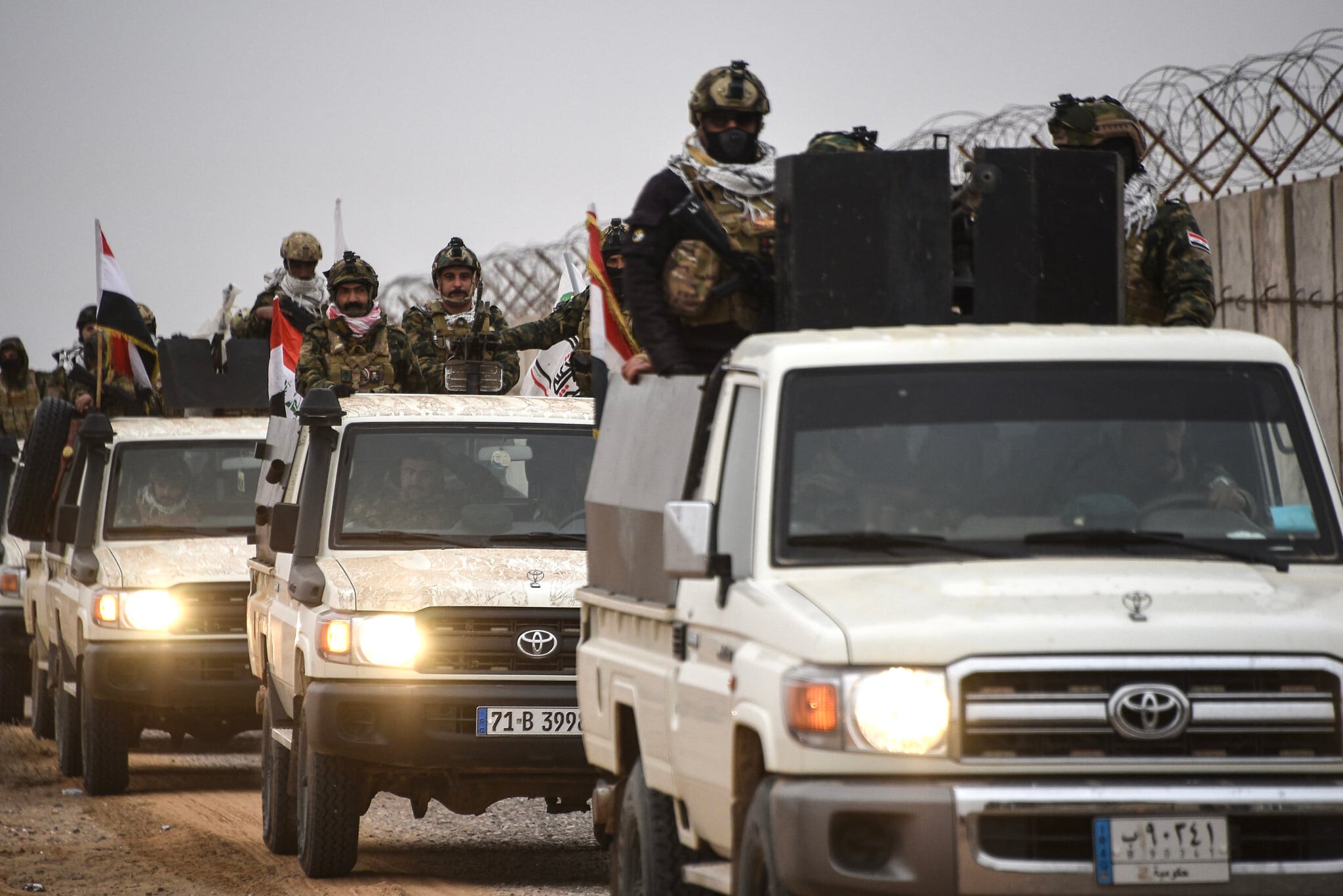
Iraq’s judiciary said Thursday it would launch legal proceedings against detainees from the Islamic State jihadist group who were transferred from Syria to Iraq as part of a US operation.
“The Iraqi judiciary will begin standard legal proceedings against the defendants who are received and placed in the relevant correctional institutions,” Iraq’s Supreme Judicial Council said.
The US military said Wednesday it had launched an operation to move 7,000 ISIS prisoners from Syria to Iraq, as Syrian government forces moved on facilities long secured by Kurdish-led forces in Syria.
“All suspects, regardless of their nationalities or ranks within the terrorist organization, are subject exclusively to the authority of the Iraqi judiciary, and our judicial procedures will be applied to them all without exception,” the judiciary said.
Of the 7,000 ISIS detainees the US military aims to transfer from Syria to Iraq, the government in Baghdad has so far confirmed the arrival of 150.
Thousands of suspected jihadists and their families, including foreigners, have been held in detention centers and camps in Syria since ISIS’s defeat in 2019 at the hands of Kurdish-led forces backed by a US-led coalition.
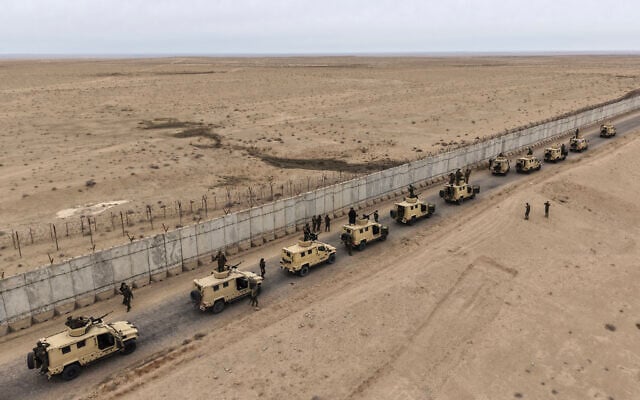
Across the border in Syria, government forces have taken control of swathes of formerly Kurdish-held territory in the north and east.
That move has included a deal struck over the weekend between the two sides that will see the Kurds’ administration integrated into the state, while the government will take responsibility for ISIS prisoners.
On Thursday, US envoy Tom Barrack met Syrian Democratic Forces leader Mazloum Abdi and senior Kurdish official Ilhan Ahmed in Erbil, said the presidency of the autonomous northern Kurdistan region of Iraq.
Barrack posted on X about Washington’s “strong support for and commitment to advancing the integration process outlined in the January 18 agreement between the Syrian Democratic Forces and the Syrian government.”
He later thanked the Iraqi government for its willingness “to help safeguard the international community from the enduring threat posed by ISIS detainees,” calling Baghdad’s contribution to stability in Syria and the wider region “indispensable.”
Meanwhile, following the clashes between government forces and the Syrian Kurds, more than 134,000 people have been displaced in northeast Syria, the United Nations migration agency said Thursday.
In the past three days, the number of internally displaced people in Hasakeh province “has increased to approximately 134,803 individuals” compared to 5,725 recorded on Sunday, the International Organization for Migration said in a statement.
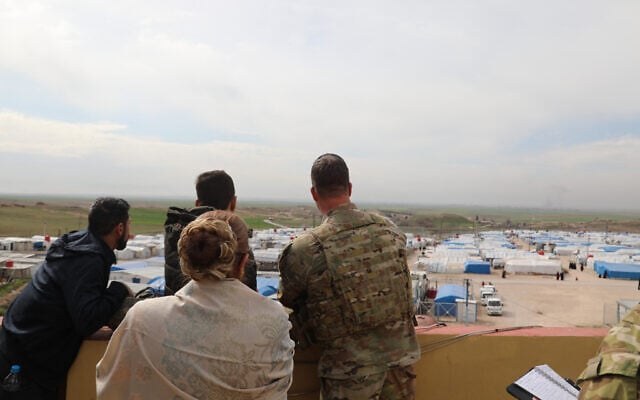
At the height of its power, ISIS held swathes of Syria and Iraq, subjecting populations on both sides of the border to a horrific regime characterized by mass death, sexual slavery of women and girls, and punishment for any dissent.
Iraqi courts have handed down hundreds of death sentences and life terms to people convicted of terrorism offenses, including hundreds of foreign fighters — some caught in Syria and transferred across the border.
Some human rights groups have denounced “terrorism” trials in Iraq as rushed.
The country still has mass graves and many personal testimonies of ISIS brutality to be investigated.
In 2024, after a mission of the UN body investigating ISIS crimes ended, Iraq created the National Center for International Judicial Cooperation to gather evidence and document ISIS crimes.
The center is the main point of contact for foreign jurisdictions investigating alleged offenses.




The Times of Israel Community.