

Israeli housing prices soar while pace of inflation slows, February data shows
Consumer Price Index remains unchanged but consumers feel the pinch as price of fresh fruit up by 10.5%, rent by 0.3%; however costs of vegetables dip by 7.1% and clothes by 3%
 Add ToI as a Preferred Source on Google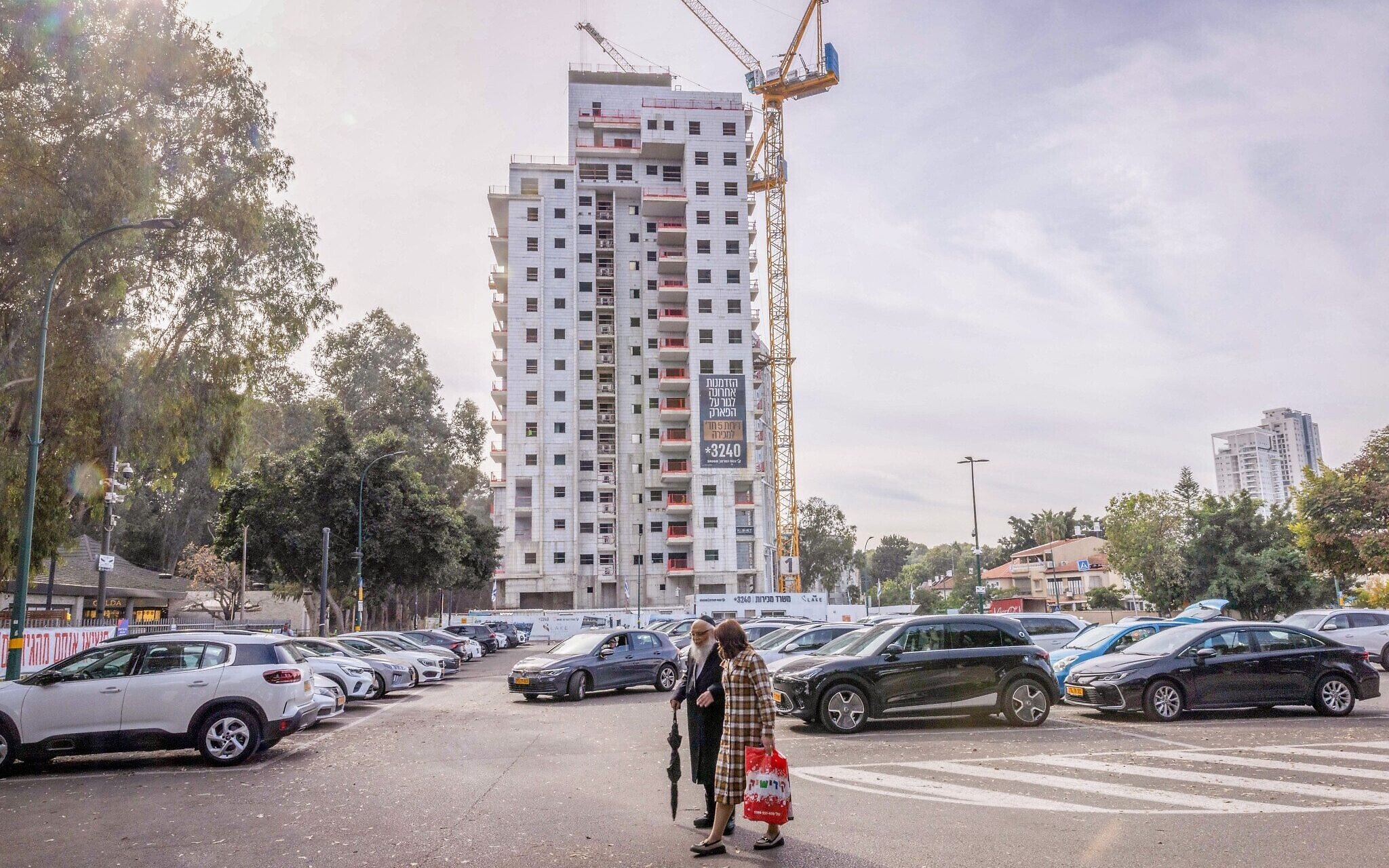
Homebuyers are paying more than they were a year ago, while the pace of inflation slowed in February, according to data released by the Central Bureau of Statistics on Friday.
Housing costs were 7.7 percent more on average in December-January compared to the same period in 2023-2024, soon after the start of the war.
Meanwhile, the Consumer Price Index, a measure of inflation that tracks the average cost of household goods, remained unchanged in February, despite expectations of a rise of 0.2-0.3%, according to the CBS data.
Year-on-year inflation decreased from 3.8% to 3.4%, according to the CBS — the government’s target range for annual inflation is between 1% to 3%.
At the same time, prices rose in a number of sectors, including a 10.5% increase in the cost of fresh fruit, a 0.7% rise in communications costs, and a 0.8% rise in entertainment costs. Food and rent both rose by 0.3%.
Some costs that went down include fresh vegetables (7.1%) and clothing (3%).
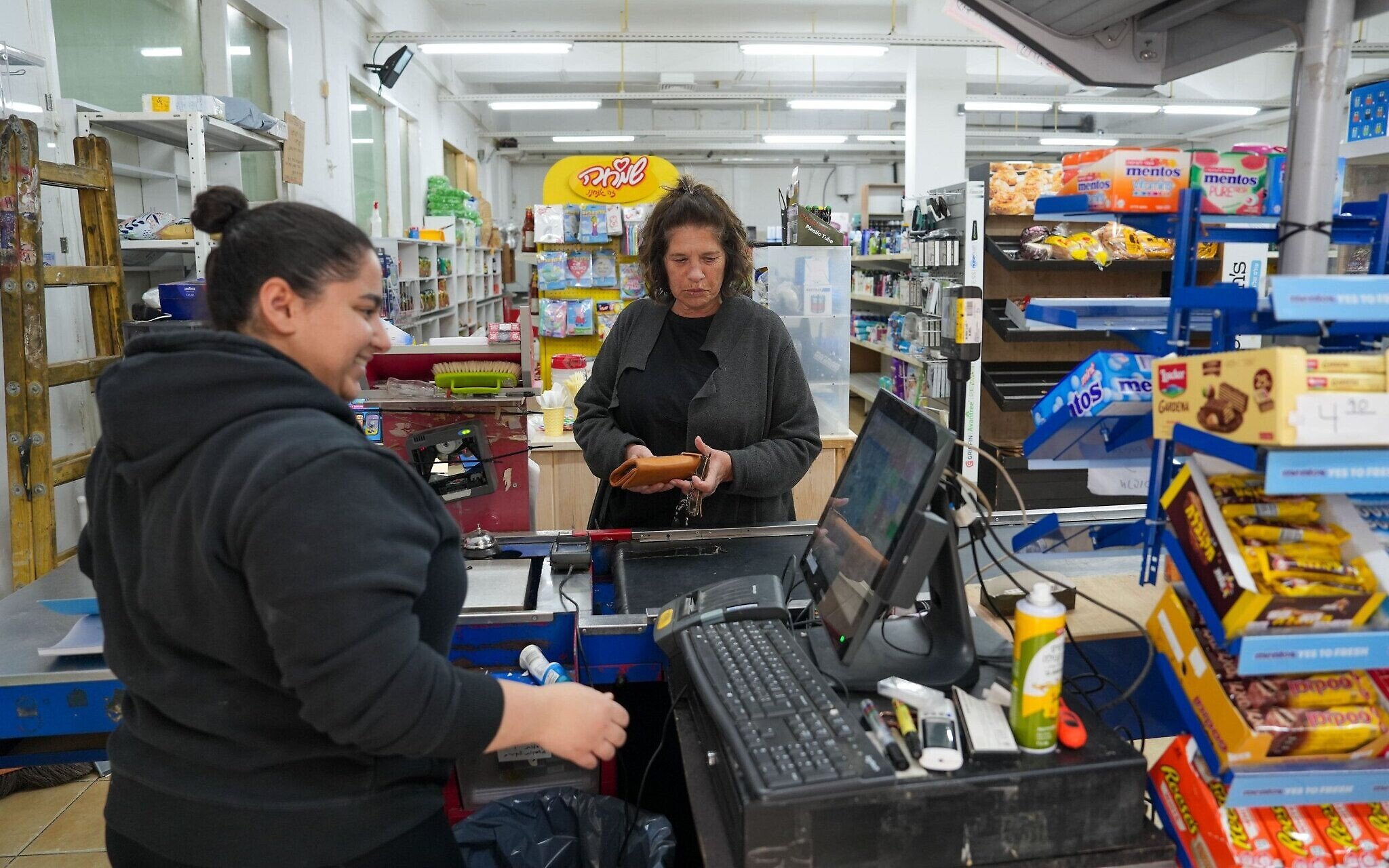
Israel consistently ranks as having the highest costs of living among countries in the Organization for Economic Cooperation and Development, with the economy characterized by over-concentration in some sectors, such as food and household goods, compared to other markets.
Israeli households have also been hit by a series of tax and price hikes in recent months, as well as high interest rates.
The Hamas-led onslaught on southern Israel on October 7, 2023, that triggered wars in Gaza and Lebanon and attacks from Iran and Yemen, has brought economic hardships to many families, in particular, residents of border towns in the north and south.
Many reservists were forced to shutter their businesses, and others have collapsed as the economy was battered by the war, and many families have fallen deeper into debt.
Israel’s economic growth forecasts have been cut, and investments have also been hampered over the past two years by the uncertainty surrounding the ongoing conflict in the Middle East, the government’s contentious judicial overhaul, and a slowdown in the global economy.
Sharon Wrobel contributed to this report.










The Times of Israel Community.