

Israeli researchers say they have found DNA signals for preeclampsia
Discovery signals potential for early warning blood test for dangerous complication that can interfere with blood flow to placenta
 Add ToI as a Preferred Source on Google
Shoshanna Solomon was The Times of Israel's Startups and Business reporter
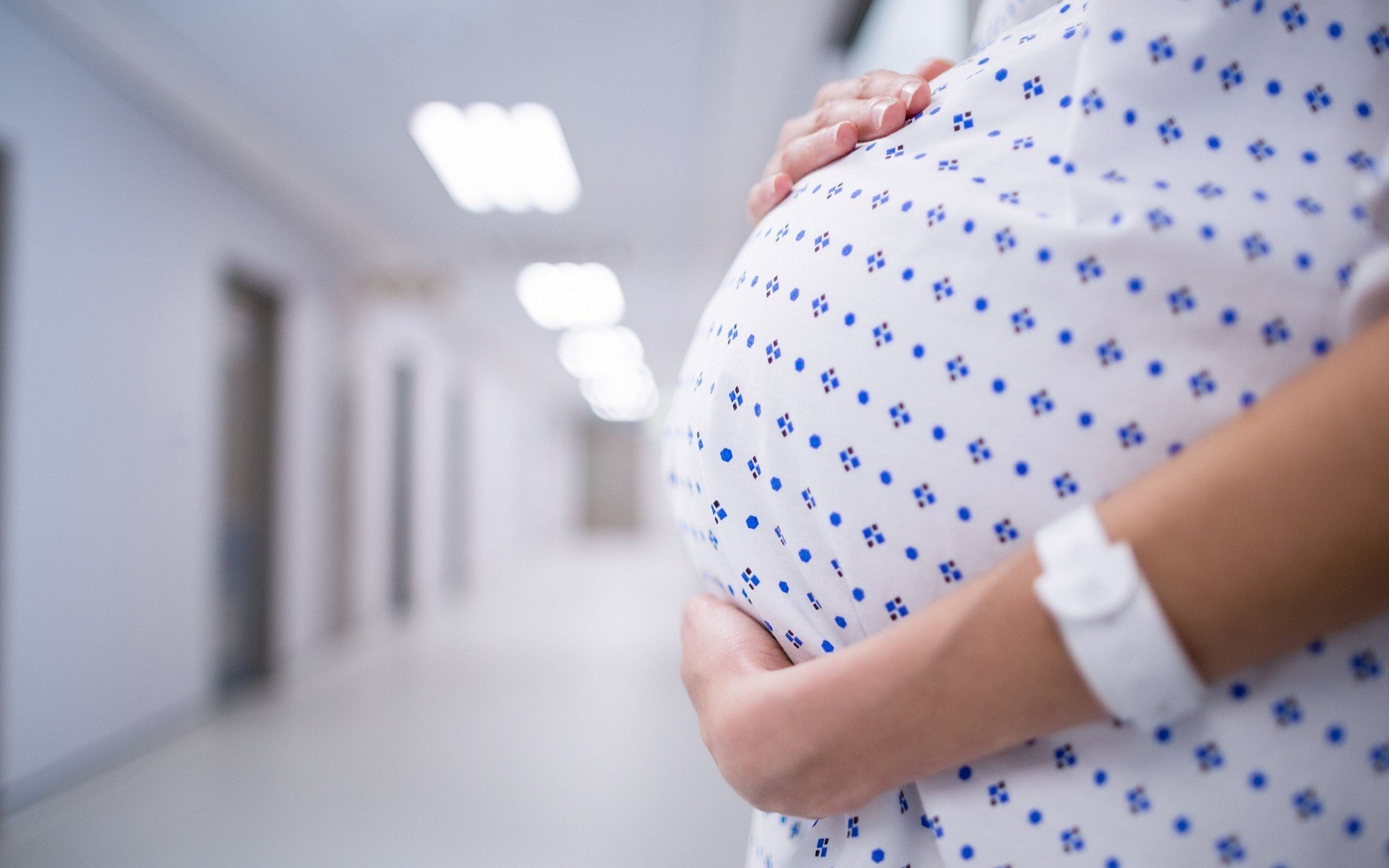
Researchers at Tel Aviv University say they have found new molecular biomarkers to identify women with preeclampsia, a sudden pregnancy complication that can interfere with the blood flow to the placenta and possibly to the fetus. Researchers say the find signals the potential for an early diagnostic blood test for the condition, which can lead to low birth weight, premature babies and sometimes death.
Research for the study was led by Dr. Noam Shomron and Prof. Moshe Hod at the Sackler School of Medicine, in collaboration with Prof. Kypros Nicolaides of King’s College, London. The conclusions were published in the journal Scientific Reports.
“Up to eight percent of pregnant women may contract preeclampsia during their second or third trimester,” Shomron said in a statement announcing the study. “This is a serious disease that endangers the health, sometimes even the lives, of the mother and the fetus. We don’t know what causes it, but preeclampsia, if caught in time, has a simple and proven remedy: low doses of aspirin administered from the 16th week until the end of pregnancy.”
Until now, medical practitioners have assessed a woman’s risk of preeclampsia by referring to previous pregnancies, blood pressure levels and other general symptoms. “But we sought a definitive biomarker that appears in a patient’s blood as early as the first trimester, before any symptoms appear,” Shomron said. “Our findings form the basis for a simple blood test that would predict preeclampsia and, in turn, allow doctors to provide treatment that would prevent the very onset of the disease.”
Over the course of six years, the researchers examined blood samples from thousands of pregnant women in their first trimester from clinics in the UK. The team then narrowed the focus to 75 specific blood samples: 35 taken from women who eventually contracted preeclampsia, and 40 taken from those who remained healthy throughout their pregnancies.
The researchers extracted RNA molecules — snippets of molecular information present in human cells — from the plasma of the samples and sequenced and analyzed them using genetic sequencing and computational methods and machine learning algorithms. The analysis helped identify 25 small RNA molecules that were different in the women who eventually contracted preeclampsia. Based on these molecules, the researchers then developed a model to classify the preeclampsia samples, enabling an eventual early test for this condition.
According to Prof. Hod, the new research follows a global trend, which seeks to perform pregnancy tests in the first trimester, as opposed to the third trimester, as performed today.
“Early testing or prediction will allow doctors to safeguard the health of mother and fetus alike. It will also facilitate, if necessary, early preventive interventions to improve maternal and offspring’s outcome,” he said.










The Times of Israel Community.