

Israel’s Jews think IDF tries not to hurt civilians in Gaza; Arabs disagree – poll
Most Jewish Israelis say they aren’t troubled by reports of famine in Gaza, but most Arab Israelis say they’re very troubled by them; Jews trust IDF statistics; Arabs are skeptical
 Add ToI as a Preferred Source on Google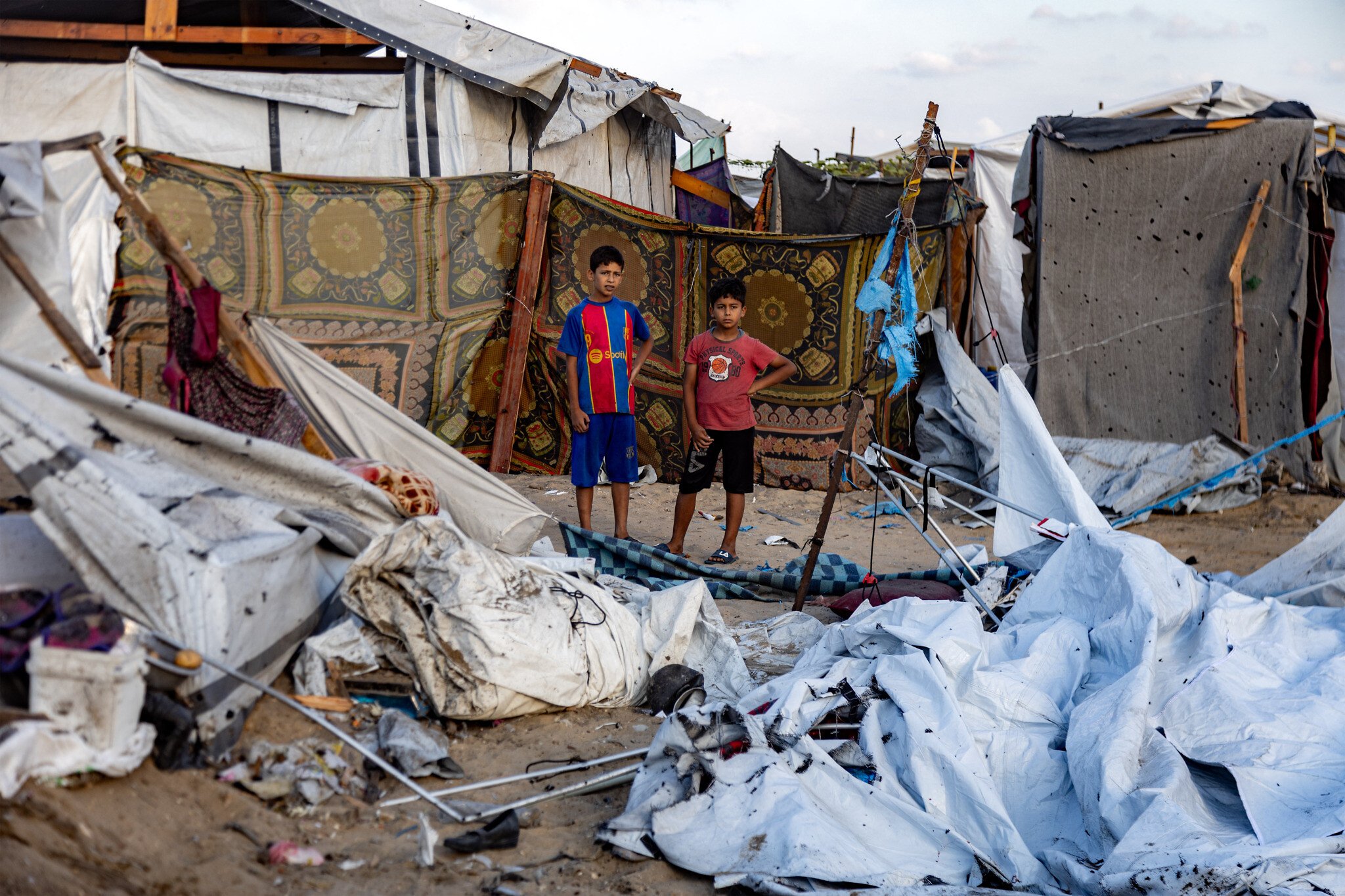
A large majority of Israeli Jews think the military is making substantial efforts to avoid unnecessary suffering to Palestinians in Gaza, but Arab Israelis disagree, according to a poll published Thursday by the Israel Democracy Institute.
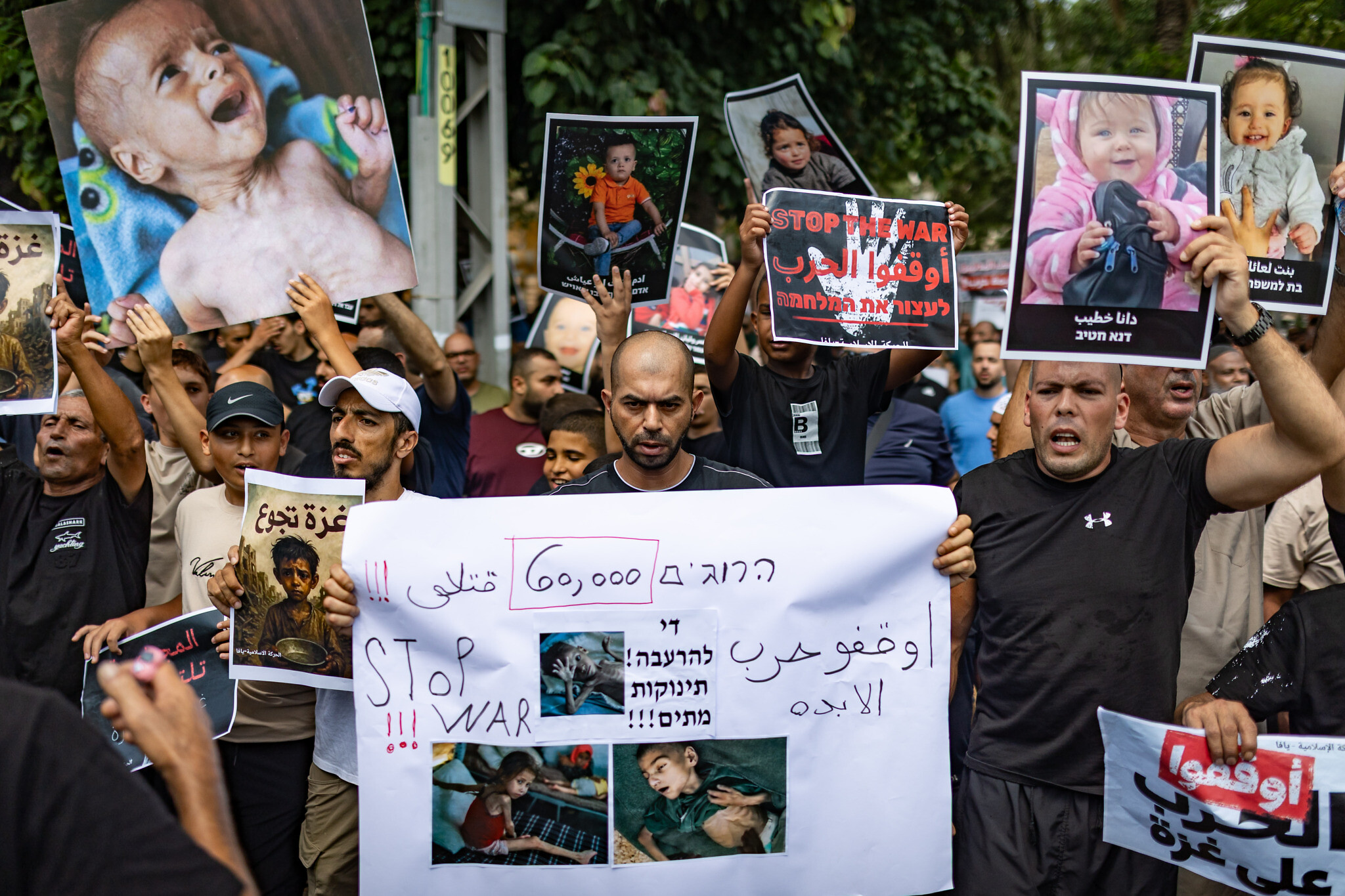
Similarly, more than half of Israeli Jews say they are “not at all troubled” by the reports of famine and suffering among Palestinians in Gaza, whereas a majority of Arab Israelis say they are “very troubled” and a further third say they are “somewhat troubled” by them.
And Jewish Israelis broadly trust the military’s reporting of Palestinian casualties in Gaza and the number of soldiers dying by suicide, but Arab Israelis are skeptical.
The poll, conducted in late July amid a diplomatic firestorm over allegations, denied by Israel, of starvation in the Strip, also captured broad pessimism among both Jews and Arabs concerning Israel’s domestic situation — though Arabs were significantly more pessimistic than Jews.
Participants were asked whether Israel is “making substantial efforts to avoid causing unnecessary suffering to Palestinians in Gaza,” or instead “could significantly reduce the suffering of Palestinians in Gaza, but chooses not to.”
A large majority (78.1%) of Jewish Israelis said Israel is making efforts to avoid harming Palestinians, and only a small minority (14.8%) disagreed.
By contrast, only a fifth (22.5%) of Arab Israelis said Israel is working to prevent harm to Palestinians, with the majority (66.5%) instead saying Israel could reduce Gazans’ suffering, but chooses not to.
The remainder (7.1% of Jews and 11% of Arabs) said they didn’t know.
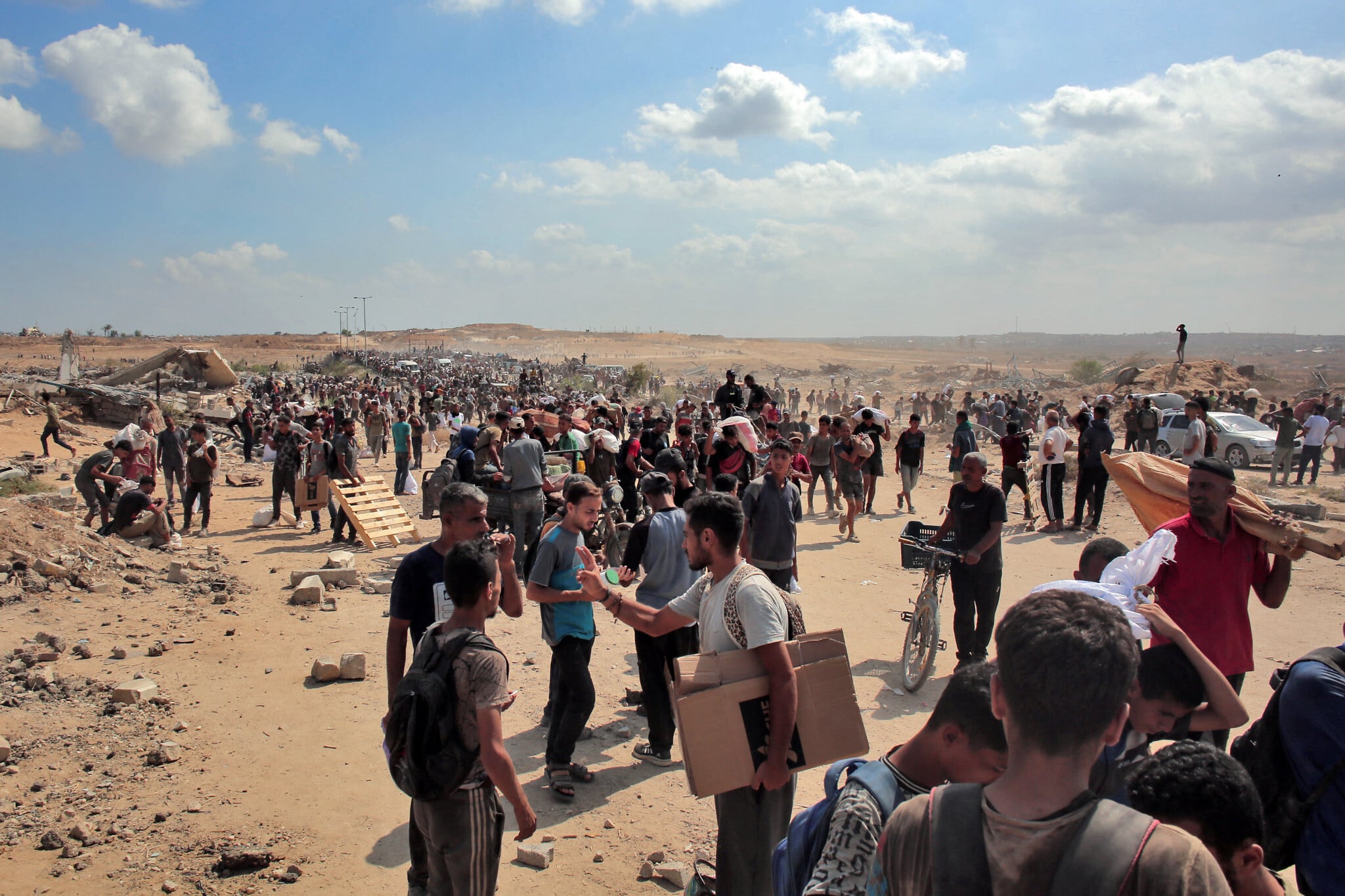
Asked to what extent they are personally troubled by the reports of famine and suffering in Gaza, only a fifth (20.2%) of Jews said they were “very troubled” or “somewhat troubled,” compared to almost a quarter (23.4%) saying they were “not so troubled” and more than half (55.6%) saying they were “not at all troubled.” Almost no Jews (0.8%) said they didn’t know.
By contrast, a majority of Arabs (51.5%) said they were “very troubled” by the reports, and more than a third (34.4%) said they were “somewhat troubled.” Only 7.4% said they were not so troubled, and only 2.1% said they were not at all troubled. 4.6% said they didn’t know.
The poll did not ask whether respondents trusted the reports of famine and suffering; however, it was not clear whether the gap in responses indicated different beliefs about what’s actually happening in Gaza, or different feelings about the same perceived situation.
Israel denies that there is famine in the Strip, and blames Hamas and other armed groups for looting much of the aid that enters the enclave. In recent days, Israel has also taken broad steps — including daily, 10-hour-long pauses in fighting in some areas of the Strip — to allow more aid to be distributed.
Jews trust IDF statistics; Arabs are skeptical
Respondents were asked about their belief in the Israel Defense Forces’ reporting on Palestinian casualties and IDF suicides.
A large majority (70%) of Jewish Israelis say they believe, either “to a very great extent” or “to a fairly large extent,” the IDF’s reporting on the extent of Palestinian civilian casualties in Gaza, whereas just a quarter (26%) say they believe the reporting “to a fairly small extent” or less, and the rest don’t know.
By contrast, less than a third (29.5%) of Arab Israelis believe the IDF’s reporting on Palestinian civilian casualties to a very great or fairly large extent, and a majority (63%) say they believe it only “to a fairly small extent” or less, and the rest don’t know.
There is a smaller gap in skepticism when it comes to the IDF’s reporting on soldiers dying by suicide, with the majority (57.5%) of Jewish Israelis broadly trusting the statistics, but a majority of Arab Israelis (54%) are generally skeptical about them, and the rest don’t know.
Pluralities of Jews and Arabs say settlers treated too leniently
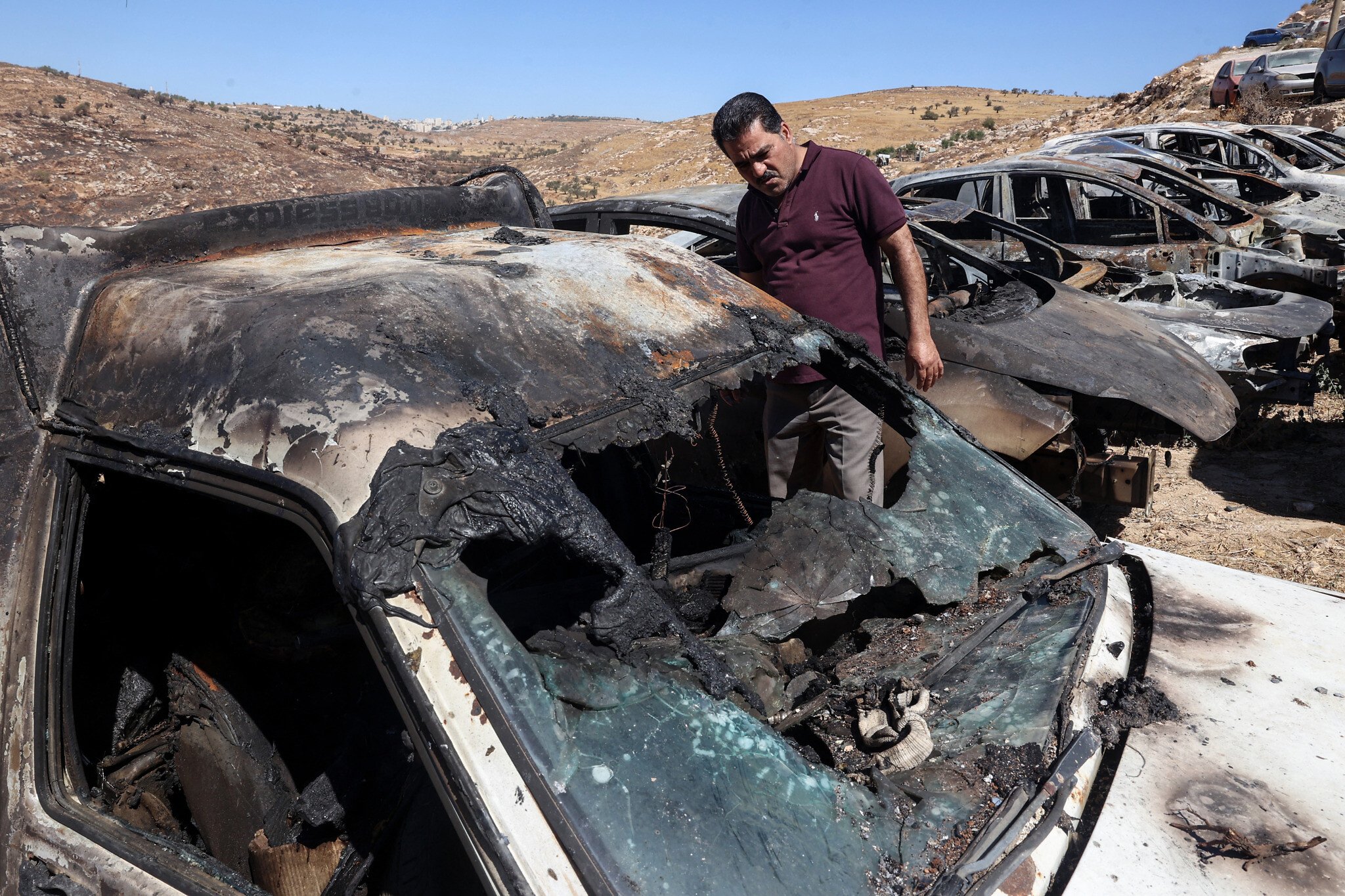
The poll also asked about the increase in settler violence in the West Bank, which has seen near-nightly attacks against both Palestinians and Israeli security forces, while almost no settler perpetrators have been arrested.
Asked about the treatment of Israeli settlers involved in attacks against Palestinians in the West Bank, 25.2% of Jews said it’s been too harsh, while 39.3% said it’s been too lenient, and 24.2% said it’s been appropriate. 11.3% said they didn’t know.
Among Arabs, only 14.3% said it’s been too harsh, compared to 55.4% who said it’s been too lenient, and 19.7% who said it’s been appropriate. 10.6% said they didn’t know.
Concerning settler attacks on the IDF and security forces, 24.5% of Jews said security forces have been treating the settlers too harshly, while 41.2% said they’ve been treating them too leniently, and 23% said the treatment has been appropriate. 11.3% said they didn’t know.
Among Arabs, only 7.3% said the treatment’s been too harsh, whereas 60.3% said it’s been too lenient, and 23.5% said it’s been appropriate. 8.9% said they didn’t know.
Jews and Druze agree on Syria fighting; Arabs unconvinced
The poll also asked about Israel’s recent military intervention in southern Syria, after reports of atrocities by the new Damascus regime against Druze there, following sectarian violence between Druze and Bedouins.
Respondents were asked: “Recent media reports claimed that there had been progress in talks between Israel and Syria. Against this backdrop, do you think that Israel’s military response in Syria was correct or not correct?”
Among Jews, 28.2% said they were “certain” it was correct, 45.8% said they thought it was correct, and only 8.9% said they thought it was not correct. And 1.5% said they were “certain” it was not correct, while 15.6% didn’t know.
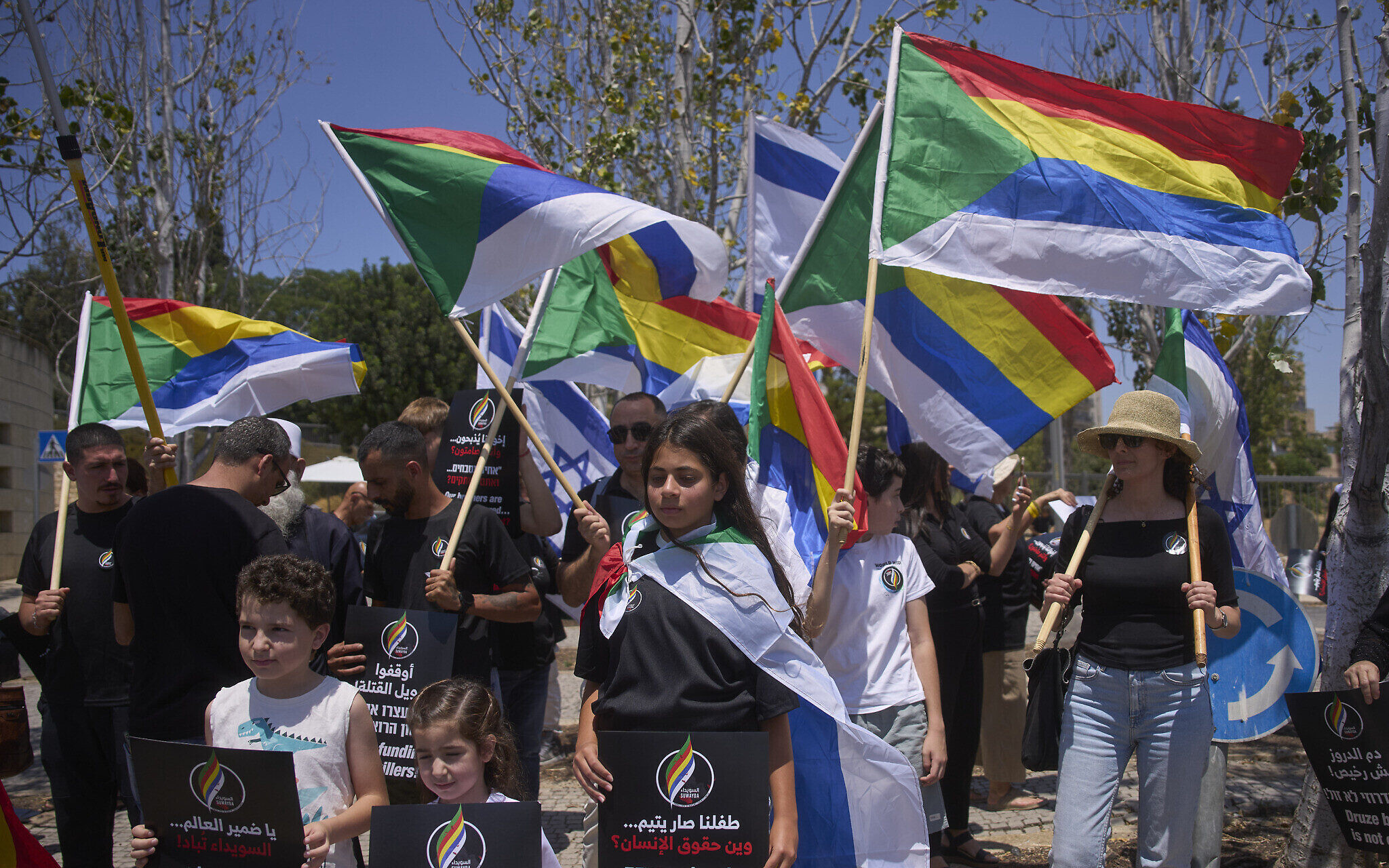
Meanwhile, 43.8% of Druze said they were “certain” that Jerusalem’s intervention was correct, 31.3% said they “think” it was correct, and only 6.3% said they think it wasn’t correct. None of the Druze respondents said they were “certain” it was incorrect, but 18.6% said they didn’t know.
Among Arabs, only 1.4% said they were “certain” it was correct, 24.7% said they thought it was correct, and 34.8% said they thought it was not correct. Also, 16.8% said they were certain it was not correct, and 22.3% said they didn’t know.
Jews optimistic about Israel’s future; Arabs less so
The poll also addressed Israel’s domestic situation, without direct reference to the war. A minority of Jews were optimistic, but a majority of Jews, and almost all Arabs, were pessimistic.
About the future of democratic rule in Israel, a slim majority of Jews (52%) and almost all Arabs (91%) were pessimistic. Among Jews, a slight minority (43%) said they were very or quite optimistic on this front; only 7.4% of Arabs said the same. The rest didn’t know.
With respect to security, Jews were, again, roughly split, with 46% saying they were very or quite optimistic, 53% saying they were quite or very pessimistic, and the rest didn’t know. Among Arabs, only 10% said they were very or quite optimistic, whereas 87% said they were quite or very pessimistic, and the rest didn’t know.
When it comes to the economy, 31.5% of Jews said they were very or quite optimistic; 67% said they were quite or very pessimistic, and the rest didn’t know. Among Arabs, only 10% said they were very or quite optimistic; 89% said they were quite or very pessimistic, and the rest didn’t know.
Asked about social cohesion, 25% of Jews were optimistic, 72% were pessimistic, and the rest didn’t know. Among Arabs, only 14% were very or quite optimistic; 82% said they were quite or very pessimistic, and the rest didn’t know.
The poll was conducted between July 27-31, 2025, with 601 respondents representing a cross-section of the Israeli population aged 18 and older, interviewed in Hebrew and Arabic; it has a maximum sampling error of 3.57%.









The Times of Israel Community.