

Israel’s medical big data deployed for autoimmune research at ambitious new center
Mass of detailed patient data put Israel at forefront of COVID research. Now, Tel Aviv University aims to use it to advance treatment of autoimmune diseases like MS and Crohn’s
Nathan Jeffay is The Times of Israel's health and science correspondent

A new research center at Tel Aviv University is aiming to harness Israel’s trailblazing medical record-keeping to develop new drugs and treatments for autoimmune diseases.
During the pandemic, Israel became famous for its advanced digitized medical records. Researchers have used anonymized data from the records to explore a huge range of topics related to COVID-19 and vaccines, and the country has become a world leader in terms of studies produced.
Tel Aviv University has now opened Israel’s first multidisciplinary center to research autoimmune diseases, hoping that the “big data” that the country generates will help to answer some of the field’s most perplexing questions.
“Autoimmune diseases are very complex and as a result, very few specific medications are on offer, and disease often becomes chronic,” Prof. Uri Nevo, chair of the center’s steering committee, told The Times of Israel. “We’re hoping to progress research using data that Israel’s health system generates.
“The country has a very advanced and centralized health system that allows generation of data for large numbers of patients… There is lots of data to be studied and which can help the research — there are four big Health Maintenance Organizations, each with hundreds of thousands of members, and with detailed digitized records.”
The center is the fourth autoimmune research establishment to be set up with grants from American-Jewish philanthropists Judith and Stewart Colton. The couple, who are Tel Aviv University governors, gave $10 million for the new entity. The other centers are at Yale University, the University of Pennsylvania, and New York University. The Colton Center, as the new Tel Aviv establishment will be called, is expected to collaborate with the US institutions.

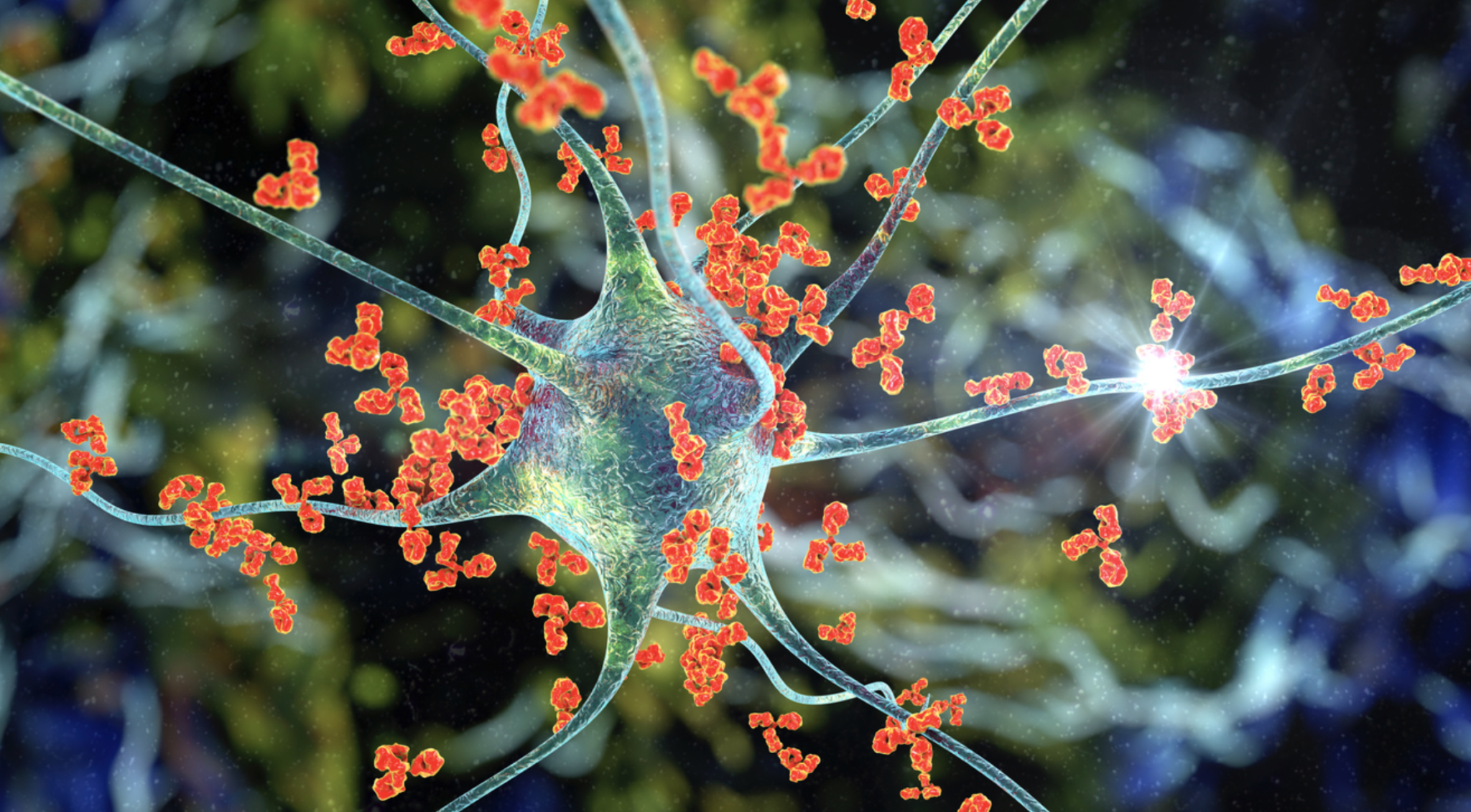
The category of autoimmune diseases covers over 100 conditions, including lupus, multiple sclerosis, psoriasis and Crohn’s disease. Autoimmune diseases are defined as diseases in which the immune system attacks the body’s healthy tissues, as opposed to illnesses caused by pathogens, such as viruses and bacteria.
Even though autoimmune diseases have been known to science since the beginning of the 20th century, doctors still don’t have adequate tools for prevention, treatment, or prediction of morbidity and recurrent flare-ups.
While extensive research is already underway, different specialisms within medicine tend to generate their own research, and have limited interactions with others. The new center is built on a multidisciplinary ethos.
This means that as it prepares to now offer its first grants on the basis of research proposals, it is keen to find projects that unite different approaches. For example, a gastroenterologist may work with a psychologist and a neurologist.
Nevo said that this approach has growing importance as doctors increasingly appreciate how multi-faceted autoimmune diseases are.
“We still don’t have a good understanding of what causes autoimmune diseases to occur and what causes them to relapse,” he stated. “They involve interactions of the immune systems and multiple tissues. Take lupus for example — you can see the effect on skin, joints and kidneys. Some of the diseases involve the microbiome, others involve hormones. Past infections and lifestyle effects play a part.”
Nevo said that with so many symptoms coming together and a variety of factors that are believed to determine onset, a multidisciplinary approach, armed with big data, can deepen understanding of the diseases.
“There is chronic need for deeper understanding in order to treat the diseases in a more focused way, targeting the right cells that can help the conditions without affecting the rest of the body.”










The Times of Israel Community.