

It’s ‘business as usual,’ Netanyahu tells ministers amid mounting crises
Despite new corruption cases emerging, and his close aide’s enlistment as a state witness, PM says he’s ‘continuing to work for the country’
 Add ToI as a Preferred Source on Google
Michael Bachner is a news editor at The Times of Israel
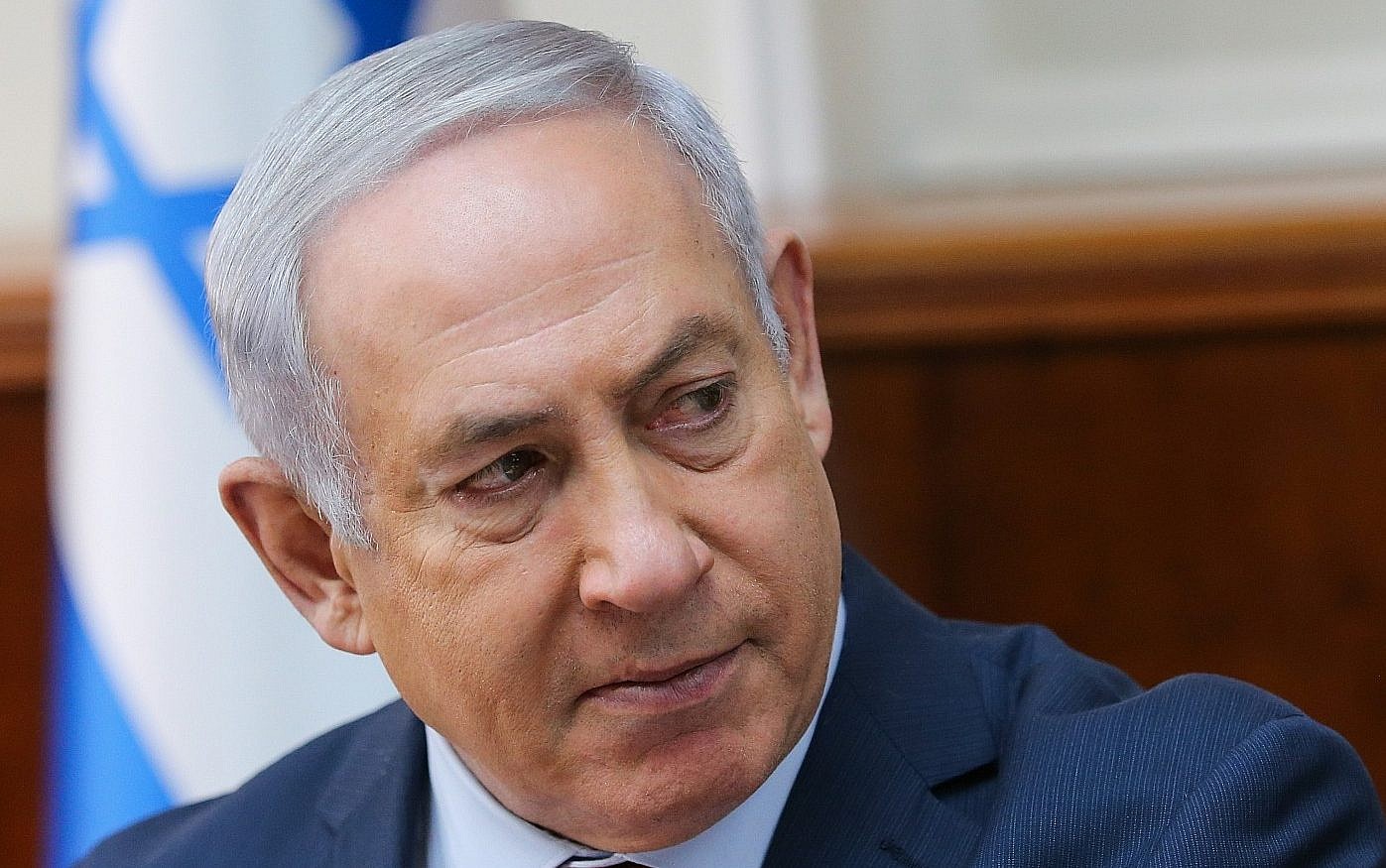
Prime Minister Benjamin Netanyahu reportedly told his government allies that it is “business as usual” for him, resisting calls, mostly from the opposition, for him to take a leave of absence as investigations against him mushroom.
Tuesday was a dramatic day for Netanyahu, with a close confidant of his signing a deal to turn state witness and reportedly testify against him in the Bezeq probe, and a new alleged attempted bribery case surfacing in which Netanyahu is not a suspect but a key aide is. Last week police recommended indicting the long-time prime minister for bribery in two other cases, clouding his political future.
But Netanyahu shook all that off at the outset of a meeting with cabinet ministers, reportedly telling them, “Lo and behold, business as usual.”
“I am continuing to work for the country,” he added, according to Hadashot TV news.
Netanyahu’s longtime confidant Shlomo Filber, the director of the Communications Ministry, on Tuesday signed a deal to turn state witness and possibly incriminate Netanyahu in an affair that has come to be known as Case 4000.

Filber has reportedly agreed to testify that he was instructed by the premier to provide regulatory benefits to telephone company Bezeq in exchange for Bezeq’s chief shareholder, Shaul Elovitch, giving Netanyahu and his family positive coverage on the Walla news site, which he owns.
In exchange for his testimony, Filber reportedly demanded that he not serve time in prison, a provision police approved.
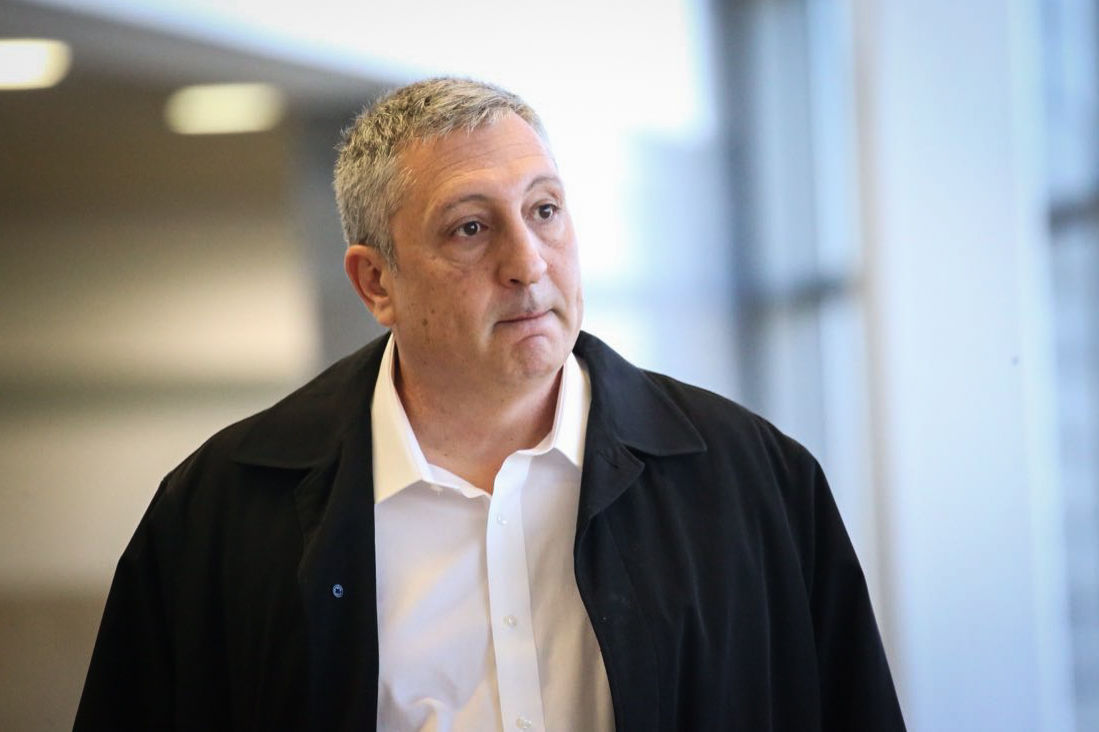
Also on Tuesday, a separate alleged corruption case was revealed. Dubbed Case 1270, it involves a former spokesperson for the Netanyahu family, Nir Hefetz, allegedly offering in 2015 to appoint judge Hila Gerstel as attorney general if she agreed to halt an investigation into the prime minister’s wife, Sara. Netanyahu strongly denied having anything to do with the incident, and said he thought it highly unlikely that Hefetz had advanced any such idea.
Netanyahu has received wall-to-wall support in his coalition, with the exception of the scandal-ridden Likud MK Oren Hazan, who on Wednesday morning called on Netanyahu to take a leave of absence due to the investigations. Hazan, a frequent critic of Netanyahu and other senior figures in Likud, claimed that many in his party agreed with his outlook but were afraid to speak out.
Avi Gabbay, the leader of Israel’s main opposition party, Zionist Union, said Tuesday night it was time for Netanyahu to resign and for his coalition partners to quit the government.
“The Netanyahu era is over,” Gabbay wrote in a message to party members. “The criminal house of cards constructed by the prime minister in recent years — the corruption of the public service, the damage to the rule of law, the threat to press freedom, and above all: the division and incitement of factions of Israeli society one against the other — is collapsing upon him and upon his surroundings.”
Gabbay expressed his belief that the prime minister’s coalition partners Moshe Kahlon (Kulanu) and Naftali Bennett (Jewish Home) would come to realize in the next few days that Netanyahu should step down.
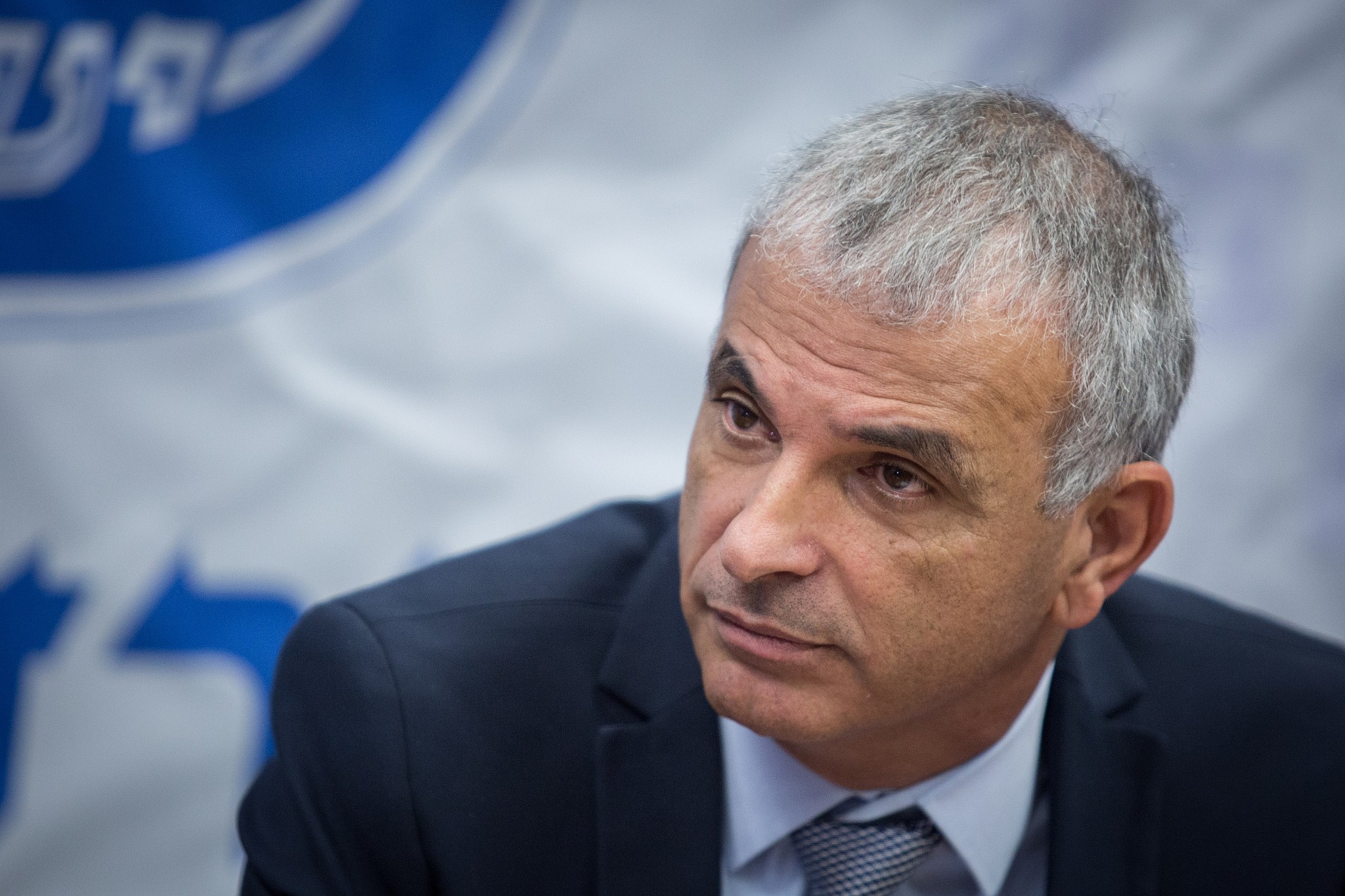
However, Finance Minister Kahlon, who has remained mostly silent regarding the investigations plaguing Netanyahu, told other MKs in the Knesset corridors on Wednesday that “for now I am not changing my stance and will be staying in the coalition,” Hadashot reported.
Last week, police recommended that Netanyahu be indicted for fraud, breach of trust, and bribery in two other cases.
In Case 1000, Netanyahu and his wife are alleged to have received illicit gifts from billionaire benefactors, most notably the Israel-born Hollywood producer Arnon Milchan, totaling NIS 1 million ($282,000). In return, Netanyahu is alleged by police to have intervened on Milchan’s behalf in matters relating to legislation, business dealings, and visa arrangements.
Case 2000 involves a suspected illicit quid-pro-quo deal between Netanyahu and Yedioth Ahronoth publisher Arnon Mozes that would have seen the prime minister weaken a rival daily, the Sheldon Adelson-backed Israel Hayom, in return for more favorable coverage from Yedioth.
The prime minister has also been linked indirectly to Case 3000, a large investigation into suspected corruption surrounding a multi-billion-shekel purchase of naval vessels and submarines from a German shipbuilder. While Netanyahu has not been named as a suspect, close associates of his, including two personal aides, have been arrested or questioned.
Netanyahu has denied any wrongdoing in all the cases.
Times of Israel staff contributed to this report.








The Times of Israel Community.